Reutershan J et al. (MAR 2006)
The Journal of clinical investigation 116 3 695--702
Critical role of endothelial CXCR2 in LPS-induced neutrophil migration into the lung.
In models of acute lung injury,CXC chemokine receptor 2 (CXCR2) mediates migration of polymorphonuclear leukocytes (PMNs) into the lung. Since CXCR2 ligands,including CXCL1 and CXCL2/3,are chemotactic for PMNs,CXCR2 is thought to recruit PMNs by inducing chemotactic migration. In a model of PMN recruitment to the lung,aerosolized bacterial LPS inhalation induced PMN recruitment to the lung in wild-type mice,but not in littermate CXCR2-/- mice. Surprisingly,lethally irradiated wild-type mice reconstituted with CXCR2-/- BM still showed about 50% PMN recruitment into bronchoalveolar lavage fluid and into lung interstitium,but CXCR2-/- mice reconstituted with CXCR2-/- BM showed no PMN recruitment. Conversely,CXCR2-/- mice reconstituted with wild-type BM showed a surprisingly large defect in PMN recruitment,inconsistent with a role of CXCR2 on PMNs alone. Cell culture,immunohistochemistry,flow cytometry,and real-time RT-PCR were used to show expression of CXCR2 on pulmonary endothelial and bronchial epithelial cells. The LPS-induced increase in lung microvascular permeability as measured by Evans blue extravasation required CXCR2 on nonhematopoietic cells. Our data revealed what we believe to be a previously unrecognized role of endothelial and epithelial CXCR2 in LPS-induced PMN recruitment and lung injury.
View Publication
产品号#:
18556
18556RF
产品名:
Ishikawa S and Ito S ( 2016)
Toxicology in Vitro 38 170--178
Repeated whole cigarette smoke exposure alters cell differentiation and augments secretion of inflammatory mediators in air-liquid interface three-dimensional co-culture model of human bronchial tissue
In vitro models of human bronchial epithelium are useful for toxicological testing because of their resemblance to in vivo tissue. We constructed a model of human bronchial tissue which has a fibroblast layer embedded in a collagen matrix directly below a fully-differentiated epithelial cell layer. The model was applied to whole cigarette smoke (CS) exposure repeatedly from an air-liquid interface culture while bronchial epithelial cells were differentiating. The effects of CS exposure on differentiation were determined by histological and gene expression analyses on culture day 21. We found a decrease in ciliated cells and perturbation of goblet cell differentiation. We also analyzed the effects of CS exposure on the inflammatory response,and observed a significant increase in secretion of IL-8,GRO-α,IL-1β,and GM-CSF. Interestingly,secretion of these mediators was augmented with repetition of whole CS exposure. Our data demonstrate the usefulness of our bronchial tissue model for in vitro testing and the importance of exposure repetition in perturbing the differentiation and inflammation processes.
View Publication
产品号#:
05001
05021
05022
产品名:
PneumaCult™-ALI 培养基
PneumaCult™-ALI 培养基含12 mm Transwell®插件
PneumaCult™-ALI 培养基含6.5 mm Transwell®插件
Molinski SV et al. ( 2017)
EMBO Molecular Medicine 9 9 1224--1243
Orkambi® and amplifier co-therapy improves function from a rare CFTR mutation in gene edited cells and patient tissue
The combination therapy of lumacaftor and ivacaftor (Orkambi®) is approved for patients bearing the major cystic fibrosis (CF) mutation: ΔF508 It has been predicted that Orkambi® could treat patients with rarer mutations of similar theratype"; however a standardized approach confirming efficacy in these cohorts has not been reported. Here we demonstrate that patients bearing the rare mutation: c.3700 A>G causing protein misprocessing and altered channel function-similar to ΔF508-CFTR are unlikely to yield a robust Orkambi® response. While in silico and biochemical studies confirmed that this mutation could be corrected and potentiated by lumacaftor and ivacaftor respectively this combination led to a minor in vitro response in patient-derived tissue. A CRISPR/Cas9-edited bronchial epithelial cell line bearing this mutation enabled studies showing that an "amplifier" compound effective in increasing the levels of immature CFTR protein augmented the Orkambi® response. Importantly this "amplifier" effect was recapitulated in patient-derived nasal cultures-providing the first evidence for its efficacy in augmenting Orkambi® in tissues harboring a rare CF-causing mutation. We propose that this multi-disciplinary approach including creation of CRISPR/Cas9-edited cells to profile modulators together with validation using primary tissue will facilitate therapy development for patients with rare CF mutations.
View Publication
产品号#:
05001
05021
05022
产品名:
PneumaCult™-ALI 培养基
PneumaCult™-ALI 培养基含12 mm Transwell®插件
PneumaCult™-ALI 培养基含6.5 mm Transwell®插件
Reeves SR et al. ( 2016)
Journal of Histochemistry and Cytochemistry 64 6 364--80
Subepithelial Accumulation of Versican in a Cockroach Antigen-Induced Murine Model of Allergic Asthma.
The extracellular matrix (ECM) is an important contributor to the asthmatic phenotype. Recent studies investigating airway inflammation have demonstrated an association between hyaluronan (HA) accumulation and inflammatory cell infiltration of the airways. The ECM proteoglycan versican interacts with HA and is important in the recruitment and activation of leukocytes during inflammation. We investigated the role of versican in the pathogenesis of asthmatic airway inflammation. Using cockroach antigen (CRA)-sensitized murine models of allergic asthma,we demonstrate increased subepithelial versican in the airways of CRA-treated mice that parallels subepithelial increases in HA and leukocyte infiltration. During the acute phase,CRA-treated mice displayed increased gene expression of the four major versican isoforms,as well as increased expression of HA synthases. Furthermore,in a murine model that examines both acute and chronic CRA exposure,versican staining peaked 8 days following CRA challenge and preceded subepithelial leukocyte infiltration. We also assessed versican and HA expression in differentiated primary human airway epithelial cells from asthmatic and healthy children. Increases in the expression of versican isoforms and HA synthases in these epithelial cells were similar to those of the murine model. These data indicate an important role for versican in the establishment of airway inflammation in asthma.
View Publication
产品号#:
05001
05021
05022
产品名:
PneumaCult™-ALI 培养基
PneumaCult™-ALI 培养基含12 mm Transwell®插件
PneumaCult™-ALI 培养基含6.5 mm Transwell®插件
Solleti SK et al. ( 2017)
Scientific Reports 7 1 1--10
MicroRNA expression profiling defines the impact of electronic cigarettes on human airway epithelial cells
While all forms of tobacco exposure have negative health effects,the significance of exposure to electronic cigarettes (eCig) is not fully understood. Here,we studied the global effects of eCig on the micro RNA (miRNA) transcriptome in human lung epithelial cells. Primary human bronchial epithelial (NHBE) cells differentiated at air-liquid interface were exposed to eCig liquid. Exposure of NHBE to any eCig liquid resulted in the induction of oxidative stress-response genes including GCLM,GCLC,GPX2,NQO1 and HO-1. Vaporization of,and/or the presence of nicotine in,eCig liquid was associated with a greater response. We identified 578 miRNAs dysregulated by eCig exposure in NHBE,and 125 miRNA affected by vaporization of eCig liquid. Nicotine containing eCig vapor displayed the most profound effects upon miRNA expression. We selected 8 miRNAs (29A,140,126,374A,26A-2,147B,941 and 589) for further study. We validated increased expression of multiple miRNAs,including miR126,following eCig exposure. We also found significant reduction in the expression of two miR126 target genes,MYC and MRGPRX3,following exposure. These data demonstrated that eCig exposure has profound effects upon gene expression in human lung epithelial cells,some of which are epigenetically programmed at the level of miRNA regulation.
View Publication


 EasySep™小鼠TIL(CD45)正选试剂盒




 实验方案Cryopreserving Hepatic Organoids Expanded in HepatiCult™ Organoid Growth Medium (Human)
 实验方案Recovery and Expansion of Hepatic Organoids Using HepatiCult™ Organoid Growth Medium
 实验方案Expansion of Hepatic Organoids via Single Cells Using HepatiCult™ Organoid Growth Medium
 科学海报Efficient Generation of Lung Progenitor Cells From Human Pluripotent Stem Cells
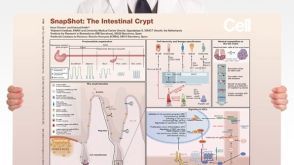 挂图SnapShot: The Intestinal Crypt Overview of the intestinal stem cell niche, major cell types and signaling pathways
 沪公网安备31010102008431号