Saxena A et al. (JUL 2017)
American journal of physiology. Gastrointestinal and liver physiology 313 1 G26--G38
Absence of the NOD2 protein renders epithelia more susceptible to barrier dysfunction due to mitochondrial dysfunction.
Irregular mitochondria structure and reduced ATP in some patients with IBD suggest that metabolic stress contributes to disease. Loss-of-function mutation in the nucleotide-binding oligomerization domain (NOD)-2 gene is a major susceptibility trait for IBD. Hence,we assessed if loss of NOD2 further impairs the epithelial barrier function instigated by disruption of mitochondrial ATP synthesis via the hydrogen ionophore dinitrophenol (DNP). NOD2 protein (virtually undetectable in epithelia under basal conditions) was increased in T84 (human colon cell line) cells treated with noninvasive Escherichia coli + DNP (16 h). Increased intracellular bacteria in wild-type (WT) and NOD2 knockdown (KD) cells and colonoids from NOD2(-/-) mice were mediated by reactive oxygen species (ROS) and the MAPK ERK1/2 pathways as determined by cotreatment with the antioxidant mitoTEMPO and the ERK inhibitor U0126: ROS was upstream of ERK1/2 activation. Despite increased E. coli in DNP-treated NOD2 KD compared with WT cells,there were no differences in the internalization of fluorescent inert beads or dead E. coli particles. This suggests that lack of killing in the NOD2 KD cells was responsible for the increased numbers of viable intracellular bacteria; a conclusion supported by evidence of reduced autophagy in NOD2 KD T84 epithelia. Thus,in a two-hit hypothesis,decreased barrier function due to dysfunctional mitochondrial is amplified by lack of NOD2 in transporting enterocytes: subsequently,greater numbers of bacteria entering the mucosa would be a significant inflammatory threat especially since individuals with NOD2 mutations have compromised macrophage and Paneth cell responses to bacteria.NEW & NOTEWORTHY Increased internalization of bacteria by epithelia with dysfunctional mitochondria (reduced ATP) is potentiated if the cells lack nucleotide-binding oligomerization domain 2 (NOD2),mutations in which are inflammatory bowel disease-susceptibility traits. Uptake of bacteria was dependent on reactive oxygen species and MAP-kinase activity,and the increased viable intracellular bacteria in NOD2(-/-) cells likely reflect a reduced ability to recognize and kill bacteria. Thus a significant barrier defect occurs with NOD2 deficiency in conjunction with metabolic stress that could contribute to inflammation.
View Publication
产品号#:
06005
产品名:
IntestiCult™ 类器官生长培养基 (小鼠)
Ibiza S et al. (JUL 2016)
Nature 535 7612 440--443
Glial-cell-derived neuroregulators control type 3 innate lymphoid cells and gut defence.
Group 3 innate lymphoid cells (ILC3) are major regulators of inflammation and infection at mucosal barriers. ILC3 development is thought to be programmed,but how ILC3 perceive,integrate and respond to local environmental signals remains unclear. Here we show that ILC3 in mice sense their environment and control gut defence as part of a glial"ILC3"epithelial cell unit orchestrated by neurotrophic factors. We found that enteric ILC3 express the neuroregulatory receptor RET. ILC3-autonomous Ret ablation led to decreased innate interleukin-22 (IL-22),impaired epithelial reactivity,dysbiosis and increased susceptibility to bowel inflammation and infection. Neurotrophic factors directly controlled innate Il22 downstream of the p38 MAPK/ERK-AKT cascade and STAT3 activation. Notably,ILC3 were adjacent to neurotrophic-factor-expressing glial cells that exhibited stellate-shaped projections into ILC3 aggregates. Glial cells sensed microenvironmental cues in a MYD88-dependent manner to control neurotrophic factors and innate IL-22. Accordingly,glial-intrinsic Myd88 deletion led to impaired production of ILC3-derived IL-22 and a pronounced propensity towards gut inflammation and infection. Our work sheds light on a novel multi-tissue defence unit,revealing that glial cells are central hubs of neuron and innate immune regulation by neurotrophic factor signals.
View Publication
产品号#:
06005
产品名:
IntestiCult™ 类器官生长培养基 (小鼠)
Wang Y et al. (MAR 2017)
Mucosal immunology 10 2 373--384
An LGG-derived protein promotes IgA production through upregulation of APRIL expression in intestinal epithelial cells.
p40,a Lactobacillus rhamnosus GG (LGG)-derived protein,transactivates epidermal growth factor receptor (EGFR) in intestinal epithelial cells,leading to amelioration of intestinal injury and inflammation. To elucidate mechanisms by which p40 regulates mucosal immunity to prevent inflammation,this study aimed to determine the effects and mechanisms of p40 on regulation of a proliferation-inducing ligand (APRIL) expression in intestinal epithelial cells for promoting immunoglobulin A (IgA) production. p40 upregulated April gene expression and protein production in mouse small intestine epithelial (MSIE) cells,which were inhibited by blocking EGFR expression and kinase activity. Enteroids from Egfr(fl/fl),but not Egfr(fl/fl)-Vil-Cre mice with EGFR specifically deleted in intestinal epithelial cells,exhibited increased April gene expression by p40 treatment. p40-conditioned media from MSIE cells increased B-cell class switching to IgA(+) cells and IgA production,which was suppressed by APRIL receptor-neutralizing antibodies. Treatment of B cells with p40 did not show any effects on IgA production. p40 treatment increased April gene expression and protein production in small intestinal epithelial cells,fecal IgA levels,IgA(+)B220(+),IgA(+)CD19(+),and IgA(+) plasma cells in lamina propria of Egfr(fl/fl),but not of Egfr(fl/fl)-Vil-Cre,mice. Thus p40 upregulates EGFR-dependent APRIL production in intestinal epithelial cells,which may contribute to promoting IgA production.
View Publication
产品号#:
06005
产品名:
IntestiCult™ 类器官生长培养基 (小鼠)
Stingl J et al. (MAR 2006)
Nature 439 7079 993--7
Purification and unique properties of mammary epithelial stem cells.
Elucidation of the cellular and molecular mechanisms that maintain mammary epithelial tissue integrity is of broad interest and paramount to the design of more effective treatments for breast cancer. Evidence from both in vitro and in vivo experiments suggests that mammary cell differentiation is a hierarchical process originating in an uncommitted stem cell with self-renewal potential. However,analysis of the properties and regulation of mammary stem cells has been limited by a lack of methods for their prospective isolation. Here we report the use of multi-parameter cell sorting and limiting dilution transplant analysis to demonstrate the purification of a rare subset of adult mouse mammary cells that are able individually to regenerate an entire mammary gland within 6 weeks in vivo while simultaneously executing up to ten symmetrical self-renewal divisions. These mammary stem cells are phenotypically distinct from and give rise to mammary epithelial progenitor cells that produce adherent colonies in vitro. The mammary stem cells are also a rapidly cycling population in the normal adult and have molecular features indicative of a basal position in the mammary epithelium.
View Publication
Shikotra A et al. ( 2017)
Journal of immunology (Baltimore,Md. : 1950) 198 8 3307--3317
A CEACAM6-High Airway Neutrophil Phenotype and CEACAM6-High Epithelial Cells Are Features of Severe Asthma.
Severe asthma represents a major unmet clinical need; understanding the pathophysiology is essential for the development of new therapies. Using microarray analysis,we previously found three immunological clusters in asthma: Th2-high,Th17-high,and Th2/17-low. Although new therapies are emerging for Th2-high disease,identifying molecular pathways in Th2-low disease remains an important goal. Further interrogation of our previously described microarray dataset revealed upregulation of gene expression for carcinoembryonic Ag cell adhesion molecule (CEACAM) family members in the bronchi of patients with severe asthma. Our aim was therefore to explore the distribution and cellular localization of CEACAM6 using immunohistochemistry on bronchial biopsy tissue obtained from patients with mild-to-severe asthma and healthy control subjects. Human bronchial epithelial cells were used to investigate cytokine and corticosteroid in vitro regulation of CEACAM6 gene expression. CEACAM6 protein expression in bronchial biopsies was increased in airway epithelial cells and lamina propria inflammatory cells in severe asthma compared with healthy control subjects. CEACAM6 in the lamina propria was localized to neutrophils predominantly. Neutrophil density in the bronchial mucosa was similar across health and the spectrum of asthma severity,but the percentage of neutrophils expressing CEACAM6 was significantly increased in severe asthma,suggesting the presence of an altered neutrophil phenotype. CEACAM6 gene expression in cultured epithelial cells was upregulated by wounding and neutrophil elastase. In summary,CEACAM6 expression is increased in severe asthma and primarily associated with airway epithelial cells and tissue neutrophils. CEACAM6 may contribute to the pathology of treatment-resistant asthma via neutrophil and airway epithelial cell-dependent pathways.
View Publication
产品号#:
05001
05021
05022
产品名:
PneumaCult™-ALI 培养基
PneumaCult™-ALI 培养基含12 mm Transwell®插件
PneumaCult™-ALI 培养基含6.5 mm Transwell®插件
Zhou T et al. (JUL 2017)
Cell stem cell
High-Content Screening in hPSC-Neural Progenitors Identifies Drug Candidates that Inhibit Zika Virus Infection in Fetal-like Organoids and Adult Brain.
Zika virus (ZIKV) infects fetal and adult human brain and is associated with serious neurological complications. To date,no therapeutic treatment is available to treat ZIKV-infected patients. We performed a high-content chemical screen using human pluripotent stem cell-derived cortical neural progenitor cells (hNPCs) and found that hippeastrine hydrobromide (HH) and amodiaquine dihydrochloride dihydrate (AQ) can inhibit ZIKV infection in hNPCs. Further validation showed that HH also rescues ZIKV-induced growth and differentiation defects in hNPCs and human fetal-like forebrain organoids. Finally,HH and AQ inhibit ZIKV infection in adult mouse brain in vivo. Strikingly,HH suppresses viral propagation when administered to adult mice with active ZIKV infection,highlighting its therapeutic potential. Our approach highlights the power of stem cell-based screens and validation in human forebrain organoids and mouse models in identifying drug candidates for treating ZIKV infection and related neurological complications in fetal and adult patients.
View Publication
产品号#:
产品名:
Barkal LJ et al. ( 2017)
Nature Communications 8 1
Microbial volatile communication in human organotypic lung models
We inhale respiratory pathogens continuously,and the subsequent signaling events between host and microbe are complex,ultimately resulting in clearance of the microbe,stable colonization of the host,or active disease. Traditional in vitro methods are ill-equipped to study these critical events in the context of the lung microenvironment. Here we introduce a microscale organotypic model of the human bronchiole for studying pulmonary infection. By leveraging microscale techniques,the model is designed to approximate the structure of the human bronchiole,containing airway,vascular,and extracellular matrix compartments. To complement direct infection of the organotypic bronchiole,we present a clickable extension that facilitates volatile compound communication between microbial populations and the host model. Using Aspergillus fumigatus,a respiratory pathogen,we characterize the inflammatory response of the organotypic bronchiole to infection. Finally,we demonstrate multikingdom,volatile-mediated communication between the organotypic bronchiole and cultures of Aspergillus fumigatus and Pseudomonas aeruginosa.
View Publication
产品号#:
05001
05021
05022
产品名:
PneumaCult™-ALI 培养基
PneumaCult™-ALI 培养基含12 mm Transwell®插件
PneumaCult™-ALI 培养基含6.5 mm Transwell®插件
K. Huang et al. (MAY 2018)
Pediatric research 83 5 1031--1040
Targeting the PXR-TLR4 signaling pathway to reduce intestinal inflammation in an experimental model of necrotizing enterocolitis.
BackgroundThere is substantial evidence that signaling through Toll-like receptor 4 (TLR4) contributes to the pathogenesis of necrotizing enterocolitis (NEC). Pregnane X receptor (PXR),a xenobiotic sensor and signaling intermediate for certain host-bacterial metabolites,has been shown to negatively regulate TLR4 signaling. Here we investigated the relationship between PXR and TLR4 in the developing murine intestine and explored the capacity of PXR to modulate inflammatory pathways involved in experimental NEC.MethodsWild-type and PXR-/- mice were studied at various time points of development in an experimental model of NEC. In addition,we studied the ability of the secondary bile acid lithocholic acid (LCA),a known PXR agonist in liver,to activate intestinal PXR and reduce NEC-related intestinal inflammation.ResultsWe found a reciprocal relationship between the developmental expression of PXR and TLR4 in wild-type murine intestine,with PXR acting to reduce TLR4 expression by decreasing TLR4 mRNA stability. In addition,PXR-/- mice exhibited a remarkably heightened severity of disease in experimental NEC. Moreover,LCA attenuated intestinal proinflammatory responses in the early stages of experimental NEC.ConclusionThese findings provide proactive insights into the regulation of TLR4 in the developing intestine. Targeting PXR may be a novel approach for NEC prevention.
View Publication


 EasySep™小鼠TIL(CD45)正选试剂盒




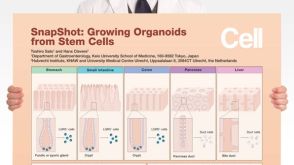 挂图SnapShot: Growing Organoids from Stem Cells Key culture conditions and organoid-forming cells from a variety of epithelial tissues

 沪公网安备31010102008431号