The AC133+CD38-, but not the rhodamine-low, phenotype tracks LTC-IC and SRC function in human cord blood ex vivo expansion cultures.
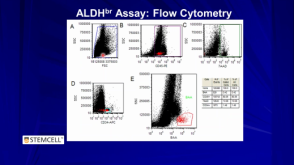
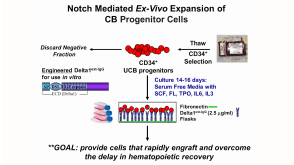
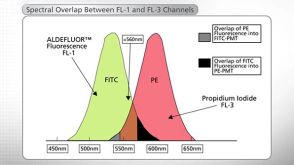
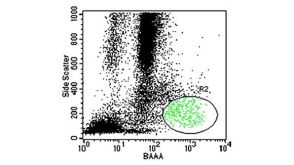
Phenotypic markers associated with human hematopoietic stem cells (HSCs) were developed and validated using uncultured cells. Because phenotype and function can be dissociated during culture,better markers to prospectively track and isolate HSCs in ex vivo cultures could be instrumental in advancing HSC-based therapies. Using an expansion system previously shown to increase hematopoietic progenitors and SCID-repopulating cells (SRCs),we demonstrated that the rhodamine-low phenotype was lost,whereas AC133 expression was retained throughout culture. Furthermore,the AC133(+)CD38(-) subpopulation was significantly enriched in long-term culture-initiating cells (LTC-IC) and SRCs after culture. Preculture and postculture analysis of total nucleated cell and LTC-IC number,and limiting dilution analysis in NOD/SCID mice,showed a 43-fold expansion of the AC133(+)CD38(-) subpopulation that corresponded to a 7.3-fold and 4.4-fold expansion of LTC-ICs and SRCs in this subpopulation,respectively. Thus,AC133(+)CD38(-) is an improved marker that tracks and enriches for LTC-IC and SRC in ex vivo cultures.
View Publication
文献
Lin H et al. (MAR 2009)
Experimental biology and medicine (Maywood,N.J.) 234 3 342--53
Maitake beta-glucan enhances umbilical cord blood stem cell transplantation in the NOD/SCID mouse.
Beta glucans are cell wall constituents of yeast,fungi and bacteria,as well as mushrooms and barley. Glucans are not expressed on mammalian cells and are recognized as pathogen-associated molecular patterns (PAMPS) by pattern recognition receptors (PRR). Beta glucans have potential activity as biological response modifiers for hematopoiesis and enhancement of bone marrow recovery after injury. We have reported that Maitake beta glucan (MBG) enhanced mouse bone marrow (BMC) and human umbilical cord blood (CB) cell granulocyte-monocyte colony forming unit (GM-CFU) activity in vitro and protected GM-CFU forming stem cells from doxorubicin (DOX) toxicity. The objective of this study was to determine the effects of MBG on expansion of phenotypically distinct subpopulations of progenitor and stem cells in CB from full-term infants cultured ex vivo and on homing and engraftment in vivo in the nonobese diabetic/severe combined immunodeficient (NOD/SCID) mouse. MBG promoted a greater expansion of CD34+CD33+CD38- human committed hematopoietic progenitor (HPC) cells compared to the conventional stem cell culture medium (P = 0.002 by ANOVA). CD34+CXCR4+CD38- early,uncommitted human hematopoietic stem cell (HSC) numbers showed a trend towards increase in response to MBG. The fate of CD34+ enriched CB cells after injection into the sublethally irradiated NOS/SCID mouse was evaluated after retrieval of xenografted human CB from marrow and spleen by flow cytometric analysis. Oral administration of MBG to recipient NOS/SCID mice led to enhanced homing at 3 days and engraftment at 6 days in mouse bone marrow (P = 0.002 and P = 0.0005,respectively) compared to control mice. More CD34+ human CB cells were also retrieved from mouse spleen in MBG treated mice at 6 days after transplantation. The studies suggest that MBG promotes hematopoiesis through effects on CD34+ progenitor cell expansion ex vivo and when given to the transplant recipient could enhance CD34+ precursor cell homing and support engraftment.
View Publication
文献
Lim CK et al. (JAN 2008)
Journal of hematology & oncology 1 19
Effect of anti-CD52 antibody alemtuzumab on ex-vivo culture of umbilical cord blood stem cells.
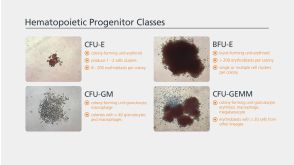
BACKGROUND: Excessive maturation of hematopoietic cells leads to a reduction of long-term proliferative capability during cord blood (CB) expansion. In this study,we report the effects of anit-CD52 (Alemtuzumab,Campath) on both short- and long-term ex vivo expansion of CB hematopoietic stem cells (HSC) by evaluating the potential role of Alemtuzumab in preserving the repopulating capability in CB HSC and nonlymphoid progenitors. METHODS: Ex vivo expansion experiments were carried out using freshly purified CB CD34(+)cells in StemSpantrade mark SFEM medium in the presence of stem cell factor,Flt3-Ligand and thrombopoietin at 50 ng/ml. Alemtuzumab (10 microg/ml) was used to deplete CD52(+) cells during the cultures. Flow cytometry was used to monitor CB HSC and their differentiation. Colony forming unit (CFU) assays and long term culture-initiating cell (LTC-IC) assays were performed on cells obtained from day 0 (before culture) and day 14 after cultures. Secondary cultures was performed using CD34(+) cells isolated at 35 days from primary cultures and further cultured in StemSpantrade mark SFEM medium for another 14 days to confirm the long term effect of alemtuzumab in liquid cultures. RESULTS: Compared to cytokines alone,addition of alemtuzumab resulted in a significant increase in total nucleated cells,absolute CD34(+) cells,myeloid and megakaryocytic progenitors,multi-lineage and myeloid CFU and LTC-IC. CONCLUSION: The results from current study suggested that the use of alemtuzumab for ex vivo expansion of CBHSC maybe advantageous. Our findings may improve current technologies for CBHSC expansion and increase the availability of CB units for transplantation. However,in vivo studies using animal models are likely needed in further studies to test the hematopoietic effects using such expanded CB products.
View Publication
文献
Giassi LJ et al. (AUG 2008)
Experimental biology and medicine (Maywood,N.J.) 233 8 997--1012
Expanded CD34+ human umbilical cord blood cells generate multiple lymphohematopoietic lineages in NOD-scid IL2rgamma(null) mice.
Umbilical cord blood (UCB) is increasingly being used for human hematopoietic stem cell (HSC) transplantation in children but often requires pooling multiple cords to obtain sufficient numbers for transplantation in adults. To overcome this limitation,we have used an ex vivo two-week culture system to expand the number of hematopoietic CD34(+) cells in cord blood. To assess the in vivo function of these expanded CD34(+) cells,cultured human UCB containing 1 x 10(6) CD34(+) cells were transplanted into conditioned NOD-scid IL2rgamma(null) mice. The expanded CD34(+) cells displayed short- and long-term repopulating cell activity. The cultured human cells differentiated into myeloid,B-lymphoid,and erythroid lineages,but not T lymphocytes. Administration of human recombinant TNFalpha to recipient mice immediately prior to transplantation promoted human thymocyte and T-cell development. These T cells proliferated vigorously in response to TCR cross-linking by anti-CD3 antibody. Engrafted TNFalpha-treated mice generated antibodies in response to T-dependent and T-independent immunization,which was enhanced when mice were co-treated with the B cell cytokine BLyS. Ex vivo expanded CD34(+) human UCB cells have the capacity to generate multiple hematopoietic lineages and a functional human immune system upon transplantation into TNFalpha-treated NOD-scid IL2rgamma(null) mice.
View Publication
文献
Orlandi A et al. (APR 2008)
American journal of physiology. Heart and circulatory physiology 294 4 H1541--9
Functional properties of cells obtained from human cord blood CD34+ stem cells and mouse cardiac myocytes in coculture.
Prior in vitro studies suggested that different types of hematopoietic stem cells may differentiate into cardiomyocytes. The present work examined whether human CD34(+) cells from the human umbilical cord blood (hUCB),cocultured with neonatal mouse cardiomyocytes,acquire the functional properties of myocardial cells and express human cardiac genes. hUCB CD34(+) cells were cocultured onto cardiomyocytes following an infection with a lentivirus-encoding enhanced green fluorescent protein (EGFP). After 7 days,mononucleated EGFP(+) cells were tested for their electrophysiological features by patch clamp and for cytosolic [Ca(2+)] ([Ca(2+)](i)) homeostasis by [Ca(2+)](i) imaging of X-rhod1-loaded cells. Human Nkx2.5 and GATA-4 expression was examined in cocultured cell populations by real-time RT-PCR. EGFP(+) cells were connected to surrounding cells by gap junctions,acquired electrophysiological properties similar to those of cardiomyocytes,and showed action potential-associated [Ca(2+)](i) transients. These cells also exhibited spontaneous sarcoplasmic reticulum [Ca(2+)](i) oscillations and the associated membrane potential depolarization. However,RT-PCR of both cell populations showed no upregulation of human-specific cardiac genes. In conclusion,under our experimental conditions,hUCB CD34(+) cells cocultured with murine cardiomyocytes formed cells that exhibited excitation-contraction coupling features similar to those of cardiomyocytes. However,the expression of human-specific cardiac genes was undetectable by RT-PCR.
View Publication
文献
Zhang CC et al. (APR 2008)
Blood 111 7 3415--23
Angiopoietin-like 5 and IGFBP2 stimulate ex vivo expansion of human cord blood hematopoietic stem cells as assayed by NOD/SCID transplantation.
Hematopoietic stem cells (HSCs) are the basis of bone marrow transplantation and are attractive target cells for hematopoietic gene therapy,but these important clinical applications have been severely hampered by difficulties in ex vivo expansion of HSCs. In particular,the use of cord blood for adult transplantation is greatly limited by the number of HSCs. Previously we identified angiopoietin-like proteins and IGF-binding protein 2 (IGFBP2) as new hormones that,together with other factors,can expand mouse bone marrow HSCs in culture. Here,we measure the activity of multipotent human severe combined immunodeficient (SCID)-repopulating cells (SRCs) by transplantation into the nonobese diabetic SCID (NOD/SCID) mice; secondary transplantation was performed to evaluate the self-renewal potential of SRCs. A serum-free medium containing SCF,TPO,and FGF-1 or Flt3-L cannot significantly support expansion of the SRCs present in human cord blood CD133+ cells. Addition of either angiopoietin-like 5 or IGF-binding protein 2 to the cultures led to a sizable expansion of HSC numbers,as assayed by NOD/SCID transplantation. A serum-free culture containing SCF,TPO,FGF-1,angiopoietin-like 5,and IGFBP2 supports an approximately 20-fold net expansion of repopulating human cord blood HSCs,a number potentially applicable to several clinical processes including HSC transplantation.
View Publication
文献
Twu Y-C et al. (DEC 2007)
Blood 110 13 4526--34
I branching formation in erythroid differentiation is regulated by transcription factor C/EBPalpha.
The histo-blood group i and I antigens have been characterized as straight and branched repeats of N-acetyllactosamine,respectively,and the conversion of the straight-chain i to the branched-chain I structure on red cells is regulated to occur after birth. It has been demonstrated that the human I locus expresses 3 IGnT transcripts,IGnTA,IGnTB,and IGnTC,and that the last of these is responsible for the I branching formation on red cells. In the present investigation,the K-562 cell line was used as a model to show that the i-to-I transition in erythroid differentiation is determined by the transcription factor CCAAT/enhancer binding protein alpha (C/EBPalpha),which enhances transcription of the IGnTC gene,consequently leading to formation of the I antigen. Further investigation suggested that C/EBPalpha IGnTC-activation activity is modulated at a posttranslational level,and that the phosphorylation status of C/EBPalpha may have a crucial effect. Results from studies using adult and cord erythropoietic cells agreed with those derived using the K-562 cell model,with lentiviral expression of C/EBPalpha in CD34(+) hemopoietic cells demonstrating the determining role of C/EBPalpha in the induction of the IGnTC gene as well as in I antigen expression.
View Publication
文献
Jaatinen T et al. (MAR 2006)
Stem cells (Dayton,Ohio) 24 3 631--41
Global gene expression profile of human cord blood-derived CD133+ cells.
Human cord blood (CB)-derived CD133+ cells carry characteristics of primitive hematopoietic cells and proffer an alternative for CD34+ cells in hematopoietic stem cell (HSC) transplantation. To characterize the CD133+ cell population on a genetic level,a global expression analysis of CD133+ cells was performed using oligonucleotide microarrays. CD133+ cells were purified from four fresh CB units by immunomagnetic selection. All four CD133+ samples showed significant similarity in their gene expression pattern,whereas they differed clearly from the CD133- control samples. In all,690 transcripts were differentially expressed between CD133+ and CD133- cells. Of these,393 were increased and 297 were decreased in CD133+ cells. The highest overexpression was noted in genes associated with metabolism,cellular physiological processes,cell communication,and development. A set of 257 transcripts expressed solely in the CD133+ cell population was identified. Colony-forming unit (CFU) assay was used to detect the clonal progeny of precursors present in the studied cell populations. The results demonstrate that CD133+ cells express primitive markers and possess clonogenic progenitor capacity. This study provides a gene expression profile for human CD133+ cells. It presents a set of genes that may be used to unravel the properties of the CD133+ cell population,assumed to be highly enriched in HSCs.
View Publication
文献
Delaney C et al. (OCT 2005)
Blood 106 8 2693--9
Dose-dependent effects of the Notch ligand Delta1 on ex vivo differentiation and in vivo marrow repopulating ability of cord blood cells.
Although significant advances have been made over the last decade with respect to our understanding of stem cell biology,progress has been limited in the development of successful techniques for clinically significant ex vivo expansion of hematopoietic stem and progenitor cells. We here describe the effect of Notch ligand density on induction of Notch signaling and subsequent cell fate of human CD34+CD38- cord blood progenitors. Lower densities of Delta1(ext-IgG) enhanced the generation of CD34+ cells as well as CD14+ and CD7+ cells,consistent with early myeloid and lymphoid differentiation,respectively. However,culture with increased amounts of Delta1(ext-IgG) induced apoptosis of CD34+ precursors resulting in decreased cell numbers,without affecting generation of CD7+ cells. RNA interference studies revealed that the promotion of lymphoid differentiation was primarily mediated by Delta1 activation of Notch1. Furthermore,enhanced generation of NOD/SCID repopulating cells was seen following culture with lower but not higher densities of ligand. These studies indicate critical,quantitative aspects of Notch signaling in affecting hematopoietic precursor cell-fate outcomes and suggest that density of Notch ligands in different organ systems may be an important determinant in regulating cell-fate outcomes. Moreover,these findings contribute to the development of methodology for manipulation of hematopoietic precursors for therapeutic purposes.
View Publication
文献
Pesce M et al. (SEP 2003)
Circulation research 93 5 e51--62
Myoendothelial differentiation of human umbilical cord blood-derived stem cells in ischemic limb tissues.
Human umbilical cord blood (UCB) contains high numbers of endothelial progenitors cells (EPCs) characterized by coexpression of CD34 and CD133 markers. Prior studies have shown that CD34+/CD133+ EPCs from the cord or peripheral blood (PB) can give rise to endothelial cells and induce angiogenesis in ischemic tissues. In the present study,it is shown that freshly isolated human cord blood CD34+ cells injected into ischemic adductor muscles gave rise to endothelial and,unexpectedly,to skeletal muscle cells in mice. In fact,the treated limbs exhibited enhanced arteriole length density and regenerating muscle fiber density. Under similar experimental conditions,CD34- cells did not enhance the formation of new arterioles and regenerating muscle fibers. In nonischemic limbs CD34+ cells increased arteriole length density but did not promote formation of new muscle fibers. Endothelial and myogenic differentiation ability was maintained in CD34+ cells after ex vivo expansion. Myogenic conversion of human cord blood CD34+ cells was also observed in vitro by coculture onto mouse myoblasts. These results show that human cord blood CD34+ cells differentiate into endothelial and skeletal muscle cells,thus providing an indication of human EPCs plasticity. The full text of this article is available online at http://www.circresaha.org.
View Publication
Adherent cells generated during long-term culture of human umbilical cord blood CD34+ cells have characteristics of endothelial cells and beneficial effect on cord blood ex vivo expansion.
Hematopoiesis depends on the association of hematopoietic stem cells with stromal cells that constitute the hematopoietic microenvironment. The in vitro development of the endothelial cell from umbilical cord blood (UCB) is not well established and has met very limited success. In this study,UCB CD34(+) cells were cultured for 5 weeks in a stroma-free liquid culture system using thrombopoietin,flt3 ligand,and granulocyte-colony stimulating factor. By week 4-5,we found that firmly adherent fibroblast-like cells were established. These cells showed characteristics of endothelial cells expressing von Willebrand factor,human vascular cell adhesion molecule-1,human intracellular adhesion molecule-1,human CD31,E-selectin,and human macrophage. Furthermore,when comparing an ex vivo system without an established endothelial monolayer to an ex vivo system with an established endothelial monolayer,better expansion of total nucleated cells,CD34(+) cells,and colony-forming units (CFUs)-granulocyte-macrophage and CFUs-granulocyte-erythroid-megakaryocyte-macrophage were found during culture. This phenomenon was in part due to the fact that a significant reduction of apoptotic fractions was found in the CD34(+) cells,which were cultured on the adherent monolayer for up to 5 weeks. To gather quantitative data on the number of endothelial cells derived from a given number of CD34 cells,we performed limiting dilution assay by using Poisson distribution: the number of tested cells (linear scale) producing a 37% negative culture (logarithmic scale) is the number of cells containing one endothelial cell. By this method,one endothelial cell may be found from 314 CD34(+) cells after 5 weeks of culture. These results suggest that the UCB CD34(+) cell fraction contains endothelial cell precursors,establishing the hematopoietic microenvironment and providing the beneficial effects through downregulating apoptosis on UCB expansion protocols. These observations may provide insight for future cellular therapy or graft engineering.
View Publication
文献
Eichler H et al. (JAN 2003)
Stem cells (Dayton,Ohio) 21 2 208--16
Engraftment capacity of umbilical cord blood cells processed by either whole blood preparation or filtration.
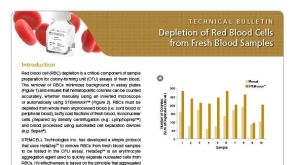
Umbilical cord blood (UCB) preparation needs to be optimized in order to develop more simplified procedures for volume reduction,as well as to reduce the amount of contaminating cells within the final stem cell transplant. We evaluated a novel filter device (StemQuick((TM))E) and compared it with our routine buffy coat (BC) preparation procedure for the enrichment of hematopoietic progenitor cells (HPCs). Two groups of single or pooled UCB units were filtered (each n = 6),or equally divided in two halves and processed by filtration and BC preparation in parallel (n = 10). The engraftment capacity of UCB samples processed by whole blood (WB) preparation was compared with paired samples processed by filtration in the nonobese diabetic/severe combined immunodeficient (NOD/SCID) mouse animal model. Filtration of UCB units in the two groups with a mean volume of 87.8 and 120.7 ml,respectively,and nucleated cell (NC) content of 9.7 and 23.8 x 10(8) resulted in a sufficient mean cell recovery for mononucleated cells ([MNCs] 74.2%-77.5%),CD34(+) cells (76.3%-79.0%),and colony-forming cells (64.1%-86.3%). Moreover,we detected a relevant depletion of the transplants for RBCs (89.2%-90.0%) and platelets ([PLTs] 77.5%-86.1%). In contrast,the mean depletion rate using BC processing proved to be significantly different for PLTs (10%,p = 0.03) and RBCs (39.6%,p textless 0.01). The NC composition showed a highly significant increase in MNCs and a decrease in granulocytes after filtration (p textless 0.01),compared with a less significant MNC increase in the BC group (p textless 0.05). For mice transplanted with WB-derived progenitors,we observed a mean of 15.3% +/- 15.5% of human CD45(+) cells within the BM compared with 19.9% +/- 16.8% for mice transplanted with filter samples (p = 0.03). The mean percentage of human CD34(+) cells was 4.2% +/- 3.1% for WB samples and 4.5% +/- 3.2% for filter samples (p = 0.68). As the data of NOD/SCID mice transplantation demonstrated a significant engraftment capacity of HPCs processed by filtration,no negative effect on the engraftment potential of filtered UCB cells versus non-volume-reduced cells from WB transplants was found. The StemQuick((TM))E filter devices proved to be a useful tool for Good Manufacturing Practices conform enrichment of HPCs and MNCs out of UCB. Filtration enables a quick and standardized preparation of a volume-reduced UCB transplant,including a partial depletion of granulocytes,RBCs,and PLTs without the need for centrifugation. Therefore,it seems very probable that filter-processed UCB transplants will also result in sufficient hematopoietic reconstitution in humans.
View Publication