Sun J et al. ( 2015)
The Journal for Immunotherapy of Cancer 3 5
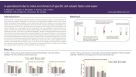
Early transduction produces highly functional chimeric antigen receptor-modified virus-specific T-cells with central memory markers: a Production Assistant for Cell Therapy (PACT) translational application
BACKGROUND: Virus-specific T-cells (VSTs) proliferate exponentially after adoptive transfer into hematopoietic stem cell transplant (HSCT) recipients,eliminate virus infections,then persist and provide long-term protection from viral disease. If VSTs behaved similarly when modified with tumor-specific chimeric antigen receptors (CARs),they should have potent anti-tumor activity. This theory was evaluated by Cruz et al. in a previous clinical trial with CD19.CAR-modified VSTs,but there was little apparent expansion of these cells in patients. In that study,VSTs were gene-modified on day 19 of culture and we hypothesized that by this time,sufficient T-cell differentiation may have occurred to limit the subsequent proliferative capacity of the transduced T-cells. To facilitate the clinical testing of this hypothesis in a project supported by the NHLBI-PACT mechanism,we developed and optimized a good manufacturing practices (GMP) compliant method for the early transduction of VSTs directed to Epstein-Barr virus (EBV),Adenovirus (AdV) and cytomegalovirus (CMV) using a CAR directed to the tumor-associated antigen disialoganglioside (GD2). RESULTS: Ad-CMVpp65-transduced EBV-LCLs effectively stimulated VSTs directed to all three viruses (triVSTs). Transduction efficiency on day three was increased in the presence of cytokines and high-speed centrifugation of retroviral supernatant onto retronectin-coated plates,so that under optimal conditions up to 88% of tetramer-positive VSTs expressed the GD2.CAR. The average transduction efficiency of early-and late transduced VSTs was 55 ± 4% and 22 ± 5% respectively,and early-transduced VSTs maintained higher frequencies of T cells with central memory or intermediate memory phenotypes. Early-transduced VSTs also had higher proliferative capacity and produced higher levels of TH1 cytokines IL-2,TNF-α,IFN-γ,MIP-1α,MIP-1β and other cytokines in vitro. CONCLUSIONS: We developed a rapid and GMP compliant method for the early transduction of multivirus-specific T-cells that allowed stable expression of high levels of a tumor directed CAR. Since a proportion of early-transduced CAR-VSTs had a central memory phenotype,they should expand and persist in vivo,simultaneously protecting against infection and targeting residual malignancy. This manufacturing strategy is currently under clinical investigation in patients receiving allogeneic HSCT for relapsed neuroblastoma and B-cell malignancies (NCT01460901 using a GD2.CAR and NCT00840853 using a CD19.CAR).
View Publication
产品号#:
07801
07811
07851
07861
18060
18061
产品名:
Lymphoprep™
Lymphoprep™
Lymphoprep™
Lymphoprep™
N. Y. Villa et al. ( 2015)
Blood 125 3778-3788
Myxoma virus suppresses proliferation of activated T lymphocytes yet permits oncolytic virus transfer to cancer cells
Allogeneic hematopoietic cell transplant (allo-HCT) can be curative for certain hematologic malignancies,but the risk of graft-versus-host disease (GVHD) is a major limitation for wider application. Ideally,strategies to improve allo-HCT would involve suppression of T lymphocytes that drive GVHD while sparing those that mediate graft-versus-malignancy (GVM). Recently,using a xenograft model,we serendipitously discovered that myxoma virus (MYXV) prevented GVHD while permitting GVM. In this study,we show that MYXV binds to resting,primary human T lymphocytes but will only proceed into active virus infection after the T cells receive activation signals. MYXV-infected T lymphocytes exhibited impaired proliferation after activation with reduced expression of interferon-?,interleukin-2 (IL-2),and soluble IL-2R?,but did not affect expression of IL-4 and IL-10. MYXV suppressed T-cell proliferation in 2 patterns (full vs partial) depending on the donor. In terms of GVM,we show that MYXV-infected activated human T lymphocytes effectively deliver live oncolytic virus to human multiple myeloma cells,thus augmenting GVM by transfer of active oncolytic virus to residual cancer cells. Given this dual capacity of reducing GVHD plus increasing the antineoplastic effectiveness of GVM,ex vivo virotherapy with MYXV may be a promising clinical adjunct to allo-HCT regimens.
View Publication


 EasySep™小鼠TIL(CD45)正选试剂盒




 电子书血液样本制备

 沪公网安备31010102008431号