Shi S et al. (SEP 2011)
Journal of Visualized Experiments 55 e3010
A high-throughput automated platform for the development of manufacturing cell lines for protein therapeutics
The fast-growing biopharmaceutical industry demands speedy development of highly efficient and reliable production systems to meet the increasing requirement for drug supplies. The generation of production cell lines has traditionally involved manual operations that are labor-intensive,low-throughput and vulnerable to human errors. We report here an integrated high-throughput and automated platform for development of manufacturing cell lines for the production of protein therapeutics. The combination of BD FACS Aria Cell Sorter,CloneSelect Imager and TECAN Freedom EVO liquid handling system has enabled a high-throughput and more efficient cell line development process. In this operation,production host cells are first transfected with an expression vector carrying the gene of interest (1),followed by the treatment with a selection agent. The stably-transfected cells are then stained with fluorescence-labeled anti-human IgG antibody,and are subsequently subject to flow cytometry analysis (2-4). Highly productive cells are selected based on fluorescence intensity and are isolated by single-cell sorting on a BD FACSAria. Colony formation from single-cell stage was detected microscopically and a series of time-laps digital images are taken by CloneSelect Imager for the documentation of cell line history. After single clones have formed,these clones were screened for productivity by ELISA performed on a TECAN Freedom EVO liquid handling system. Approximately 2,000 - 10,000 clones can be screened per operation cycle with the current system setup. This integrated approach has been used to generate high producing Chinese hamster ovary (CHO) cell lines for the production of therapeutic monoclonal antibody (mAb) as well as their fusion proteins. With the aid of different types of detecting probes,the method can be used for developing other protein therapeutics or be applied to other production host systems. Comparing to the traditional manual procedure,this automated platform demonstrated advantages of significantly increased capacity,ensured clonality,traceability in cell line history with electronic documentation and much reduced opportunity in operator error.
View Publication
产品号#:
30000
产品名:
Smith Sa et al. (MAR 2012)
Journal of Virology 86 5 2665--75
Persistence of circulating memory B cell clones with potential for Dengue virus disease enhancement for decades following infection
Symptomatic dengue virus infection ranges in disease severity from an influenza-like illness to life-threatening shock. One model of the mechanism underlying severe disease proposes that weakly neutralizing,dengue serotype cross-reactive antibodies induced during a primary infection facilitate virus entry into Fc receptor-bearing cells during a subsequent secondary infection,increasing viral replication and the release of cytokines and vasoactive mediators,culminating in shock. This process has been termed antibody-dependent enhancement of infection and has significantly hindered vaccine development. Much of our understanding of this process has come from studies using mouse monoclonal antibodies (MAbs); however,antibody responses in mice typically exhibit less complexity than those in humans. A better understanding of the humoral immune response to natural dengue virus infection in humans is sorely needed. Using a high-efficiency human hybridoma technology,we isolated 37 hybridomas secreting human MAbs to dengue viruses from 12 subjects years or even decades following primary or secondary infection. The majority of the human antibodies recovered were broadly cross-reactive,directed against either envelope or premembrane proteins,and capable of enhancement of infection in vitro; few exhibited serotype-specific binding or potent neutralizing activity. Memory B cells encoding enhancing antibodies predominated in the circulation,even two or more decades following infection. Mapping the epitopes and activity of naturally occurring dengue antibodies should prove valuable in determining whether the enhancing and neutralizing activity of antibodies can be separated. Such principles could be used in the rational design of vaccines that enhance the induction of neutralizing antibodies,while lowering the risk of dengue shock syndrome.
View Publication
产品号#:
03800
03801
03802
03803
03804
03805
03806
产品名:
ClonaCell™-HY杂交瘤试剂盒
ClonaCell™-HY培养基A
ClonaCell™-HY 培养基 B
ClonaCell™-HY 培养基 C
ClonaCell™-HY 培养基 D
ClonaCell™-HY 培养基 E
ClonaCell™-HY PEG
Cabral TM et al. (JUL 2012)
Journal of Virological Methods 183 1 25--33
Development and characterization of neutralizing monoclonal antibodies against the pandemic H1N1 virus (2009).
The 2009 H1N1 influenza pandemic was a major international public health crisis which caused considerable morbidity and mortality worldwide. The goal of this study was to produce anti-H1 monoclonal antibodies (MAbs) for improving diagnostic immunological assays and to develop potential immunotherapeutics. Nine MAbs were produced after immunizing mice with recombinant hemagglutinin (HA) protein from A/California/06/09. Two spleenocyte myeloma fusions yielded 1588 hybridoma cultures. After screening the hybridoma culture supernatants for antibody reactivity to rHA,nine clones were selected for further characterization. Cross-reactivity studies of the anti-rHA antibodies against a panel of influenza viruses (H1-H16) revealed eight out of nine MAbs were specific to the pandemic H1 subtype,except for MAb F256G2sc1 which also cross-reacted with H5 subtype virus. All MAbs were of the IgG1κ isotype,except F256G2sc1 which was IgG2aκ. The anti-rHA MAbs had binding affinities to rHA that ranged from a K(D) (disassociation constant) of 1.34×10(-9)M (F255G7sc1) to the weakest affinity of 4.60×10(-8)M (F255G4sc1). Interestingly,in a plaque reduction neutralization assay,all MAbs except F255G3sc1 demonstrated neutralizing ability. Furthermore,all MAbs except F255G3sc1 and F255G9sc1 exhibited anti-hemagglutinin activity against pandemic H1N1 viruses,but not against classical North American swine influenza viruses of the same subtype. Immunofluorescence assay (IFA) demonstrated that all MAbs except F255G1sc1 and F255G3sc1 were able to detect 2009 pandemic H1N1 (2009) virus- infected MDCK cells. The MAbs were also evaluated for potential use in competitive ELISA (cELISA),and with the exception of F255G3sc1,all MAbs showed competitive activity with serum collected from pigs infected with pandemic H1N1 virus (2009). The developed MAbs have demonstrated utility as immunodiagnostic and research reagents,and their neutralizing capabilities also hold potential for designing antiviral drugs against pandemic influenza.
View Publication
产品号#:
03800
03801
03802
03803
03804
03805
03806
产品名:
ClonaCell™-HY杂交瘤试剂盒
ClonaCell™-HY培养基A
ClonaCell™-HY 培养基 B
ClonaCell™-HY 培养基 C
ClonaCell™-HY 培养基 D
ClonaCell™-HY 培养基 E
ClonaCell™-HY PEG
Xu H et al. (JUL 2016)
Organic & biomolecular chemistry 14 26 6179--83
Cellular thermal shift and clickable chemical probe assays for the determination of drug-target engagement in live cells.
Proof of drug-target engagement in physiologically-relevant contexts is a key pillar of successful therapeutic target validation. We developed two orthogonal technologies,the cellular thermal shift assay (CETSA) and a covalent chemical probe reporter approach (harnessing sulfonyl fluoride tyrosine labeling and subsequent click chemistry) to measure the occupancy of the mRNA-decapping scavenger enzyme DcpS by a small molecule inhibitor in live cells. Enzyme affinity determined using isothermal dose response fingerprinting (ITDRFCETSA) and the concentration required to occupy 50% of the enzyme (OC50) using the chemical probe reporter assay were very similar. In this case,the chemical probe method worked well due to the long offset kinetics of the reversible inhibitor (determined using a fluorescent dye-tagged probe). This work suggests that CETSA could become the first choice assay to determine in-cell target engagement due to its simplicity.
View Publication


 EasySep™小鼠TIL(CD45)正选试剂盒




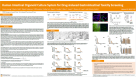 科学海报Human Intestinal Organoid Culture System for Drug-Induced Gastrointestinal Toxicity Screening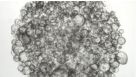
 实验方案Optimizing Delivery Efficiency with Fluorescent Dextran Using the CellPore™ Transfection System

 沪公网安备31010102008431号