Ting S et al. (MAY 2014)
Biotechnology journal 9 5 675--683
Time-resolved video analysis and management system for monitoring cardiomyocyte differentiation processes and toxicology assays.
Cardiomyocytes (CM) derived from human embryonic stem cells (hESC) are used for cardio-toxicity evaluation and tested in many preclinical trials for their potential use in regenerative therapeutics. As more efficient CM differentiation protocols are developed,reliable automated platforms for characterization and detection are needed. An automated time-resolved video analysis and management system (TVAMS) has been developed for the evaluation of hESC differentiation to CM. The system was used for monitoring the kinetics of embryoid bodies (EB) generation (numbers and size) and differentiation into beating EBs (percentage beating area and beating EB count) in two differentiation protocols. We show that the percentage beating areas of EBs (from total area of the EBs) is a more sensitive and better predictor of CM differentiation efficiency than percentage of beating EBs (from total EBs) as the percentage beating areas of EBs correlates with cardiac troponin-T and myosin heavy chain expression levels. TVAMS can also be used to evaluate the effect of drugs and inhibitors (e.g. isoproterenol and ZD7288) on CM beating frequency. TVAMS can reliably replace the commonly practiced,time consuming,manual counting of total and beating EBs during CM differentiation. TVAMS is a high-throughput non-invasive video imaging platform that can be applied for the development of new CM differentiation protocols,as well as a tool to conduct CM toxicology assays.
View Publication
产品号#:
05850
05857
05870
05875
85850
85857
85870
85875
产品名:
mTeSR™1
mTeSR™1
Khalid O et al. (MAY 2014)
Stem Cell Research 12 3 791--806
Gene expression signatures affected by alcohol-induced DNA methylomic deregulation in human embryonic stem cells
Stem cells,especially human embryonic stem cells (hESCs),are useful models to study molecular mechanisms of human disorders that originate during gestation. Alcohol (ethanol,EtOH) consumption during pregnancy causes a variety of prenatal and postnatal disorders collectively referred to as fetal alcohol spectrum disorders (FASDs). To better understand the molecular events leading to FASDs,we performed a genome-wide analysis of EtOH's effects on the maintenance and differentiation of hESCs in culture. Gene Co-expression Network Analysis showed significant alterations in gene profiles of EtOH-treated differentiated or undifferentiated hESCs,particularly those associated with molecular pathways for metabolic processes,oxidative stress,and neuronal properties of stem cells. A genome-wide DNA methylome analysis revealed widespread EtOH-induced alterations with significant hypermethylation of many regions of chromosomes. Undifferentiated hESCs were more vulnerable to EtOH's effect than their differentiated counterparts,with methylation on the promoter regions of chromosomes 2,16 and 18 in undifferentiated hESCs most affected by EtOH exposure. Combined transcriptomic and DNA methylomic analysis produced a list of differentiation-related genes dysregulated by EtOH-induced DNA methylation changes,which likely play a role in EtOH-induced decreases in hESC pluripotency. DNA sequence motif analysis of genes epigenetically altered by EtOH identified major motifs representing potential binding sites for transcription factors. These findings should help in deciphering the precise mechanisms of alcohol-induced teratogenesis. ?? 2014 Published by Elsevier B.V.
View Publication
产品号#:
05850
05857
05870
05875
07920
85850
85857
85870
85875
07922
产品名:
ACCUTASE™
mTeSR™1
mTeSR™1
ACCUTASE™
Aflaki E et al. (JUN 2014)
Science translational medicine 6 240 240ra73
Macrophage models of Gaucher disease for evaluating disease pathogenesis and candidate drugs.
Gaucher disease is caused by an inherited deficiency of glucocerebrosidase that manifests with storage of glycolipids in lysosomes,particularly in macrophages. Available cell lines modeling Gaucher disease do not demonstrate lysosomal storage of glycolipids; therefore,we set out to develop two macrophage models of Gaucher disease that exhibit appropriate substrate accumulation. We used these cellular models both to investigate altered macrophage biology in Gaucher disease and to evaluate candidate drugs for its treatment. We generated and characterized monocyte-derived macrophages from 20 patients carrying different Gaucher disease mutations. In addition,we created induced pluripotent stem cell (iPSC)-derived macrophages from five fibroblast lines taken from patients with type 1 or type 2 Gaucher disease. Macrophages derived from patient monocytes or iPSCs showed reduced glucocerebrosidase activity and increased storage of glucocerebroside and glucosylsphingosine in lysosomes. These macrophages showed efficient phagocytosis of bacteria but reduced production of intracellular reactive oxygen species and impaired chemotaxis. The disease phenotype was reversed with a noninhibitory small-molecule chaperone drug that enhanced glucocerebrosidase activity in the macrophages,reduced glycolipid storage,and normalized chemotaxis and production of reactive oxygen species. Macrophages differentiated from patient monocytes or patient-derived iPSCs provide cellular models that can be used to investigate disease pathogenesis and facilitate drug development.
View Publication
产品号#:
05850
05857
05870
05875
19059
19059RF
85850
85857
85870
85875
27845
27945
27840
27865
27940
27965
产品名:
EasySep™人单核细胞富集试剂盒
RoboSep™ 人单核细胞富集试剂盒含滤芯吸头
mTeSR™1
mTeSR™1
Freire M et al. ( 2015)
BioMed Research International 2015 1--7
Application of AMOR in craniofacial rabbit bone bioengineering
Endogenous molecular and cellular mediators modulate tissue repair and regeneration. We have recently described antibody mediated osseous regeneration (AMOR) as a novel strategy for bioengineering bone in rat calvarial defect. This entails application of anti-BMP-2 antibodies capable of in vivo capturing of endogenous osteogenic BMPs (BMP-2,BMP-4,and BMP-7). The present study sought to investigate the feasibility of AMOR in other animal models. To that end,we examined the efficacy of a panel of anti-BMP-2 monoclonal antibodies (mAbs) and a polyclonal Ab immobilized on absorbable collagen sponge (ACS) to mediate bone regeneration within rabbit calvarial critical size defects. After 6 weeks,de novo bone formation was demonstrated by micro-CT imaging,histology,and histomorphometric analysis. Only certain anti-BMP-2 mAb clones mediated significant in vivo bone regeneration,suggesting that the epitopes with which anti-BMP-2 mAbs react are critical to AMOR. Increased localization of BMP-2 protein and expression of osteocalcin were observed within defects,suggesting accumulation of endogenous BMP-2 and/or increased de novo expression of BMP-2 protein within sites undergoing bone repair by AMOR. Considering the ultimate objective of translation of this therapeutic strategy in humans,preclinical studies will be necessary to demonstrate the feasibility of AMOR in progressively larger animal models.
View Publication
产品号#:
03800
03801
03802
03803
03804
03805
03806
产品名:
ClonaCell™-HY杂交瘤试剂盒
ClonaCell™-HY培养基A
ClonaCell™-HY 培养基 B
ClonaCell™-HY 培养基 C
ClonaCell™-HY 培养基 D
ClonaCell™-HY 培养基 E
ClonaCell™-HY PEG
Ma Z et al. (JUL 2015)
Nature communications 6 May 7413
Self-organizing human cardiac microchambers mediated by geometric confinement.
Tissue morphogenesis and organ formation are the consequences of biochemical and biophysical cues that lead to cellular spatial patterning in development. To model such events in vitro,we use PEG-patterned substrates to geometrically confine human pluripotent stem cell colonies and spatially present mechanical stress. Modulation of the WNT/β-catenin pathway promotes spatial patterning via geometric confinement of the cell condensation process during epithelial-mesenchymal transition,forcing cells at the perimeter to express an OCT4+ annulus,which is coincident with a region of higher cell density and E-cadherin expression. The biochemical and biophysical cues synergistically induce self-organizing lineage specification and creation of a beating human cardiac microchamber confined by the pattern geometry. These highly defined human cardiac microchambers can be used to study aspects of embryonic spatial patterning,early cardiac development and drug-induced developmental toxicity.
View Publication
产品号#:
05850
05857
05870
05875
85850
85857
85870
85875
产品名:
mTeSR™1
mTeSR™1
Rodrí et al. (NOV 2015)
Journal of Virological Methods 224 1--8
Generation of monoclonal antibodies specific of the postfusion conformation of the Pneumovirinae fusion (F) protein
Paramyxovirus entry into cells requires fusion of the viral and cell membranes mediated by one of the major virus glycoproteins,the fusion (F) glycoprotein which transits from a metastable pre-fusion conformation to a highly stable post-fusion structure during the membrane fusion process. F protein refolding involves large conformational changes of the protein trimer. One of these changes results in assembly of two heptad repeat sequences (HRA and HRB) from each protomer into a six-helix bundle (6HB) motif. To assist in distinguishing pre- and post-fusion conformations of the Pneumovirinae F proteins,and as extension of previous work (Palomo et al.,2014),a general strategy was designed to obtain polyclonal and particularly monoclonal antibodies specific of the 6HB motif of the Pneumovirinae fusion protein. The antibodies reported here should assist in the characterization of the structural changes that the F protein of human metapneumovirus or respiratory syncytial virus experiences during the process of membrane fusion.
View Publication
产品号#:
03810
产品名:
ClonaCell™-HY培养基D型(不含HAT)
Marí et al. ( 2016)
1349 137--50
Generation of recombinant modified Vaccinia Virus Ankara encoding VP2, NS1, and VP7 proteins of bluetongue virus
Modified Vaccinia Virus Ankara (MVA) is employed widely as an experimental vaccine vector for its lack of replication in mammalian cells and high expression level of foreign/heterologous genes. Recombinant MVAs (rMVAs) are used as platforms for protein production as well as vectors to generate vaccines against a high number of infectious diseases and other pathologies. The portrait of the virus combines desirable elements such as high-level biological safety,the ability to activate appropriate innate immune mediators upon vaccination,and the capacity to deliver substantial amounts of heterologous antigens. Recombinant MVAs encoding proteins of bluetongue virus (BTV),an Orbivirus that infects domestic and wild ruminants transmitted by biting midges of the Culicoides species,are excellent vaccine candidates against this virus. In this chapter we describe the methods for the generation of rMVAs encoding VP2,NS1,and VP7 proteins of bluetongue virus as a model example for orbiviruses. The protocols included cover the cloning of VP2,NS1,and VP7 BTV-4 genes in a transfer plasmid,the construction of recombinant MVAs,the titration of virus working stocks and the protein expression analysis by immunofluorescence and radiolabeling of rMVA infected cells as well as virus purification.
View Publication
产品号#:
03814
产品名:
ClonaCell™-TCS 培养基
Shiozawa T et al. (FEB 2016)
Virchows Archiv 468 2 179--90
Dimethylarginine dimethylaminohydrolase 2 promotes tumor angiogenesis in lung adenocarcinoma
Although embryonal proteins have been used as tumor marker,most are not useful for detection of early malignancy. In the present study,we developed mouse monoclonal antibodies against fetal lung of miniature swine,and screened them to find an embryonal protein that is produced at the early stage of malignancy,focusing on lung adenocarcinoma. We found an antibody clone that specifically stained stroma of lung adenocarcinoma. LC-MS/MS identified the protein recognized by this clone as dimethylarginine dimethylaminohydrolase 2 (DDAH2),an enzyme known for antiatherosclerotic activity. DDAH2 was found to be expressed in fibroblasts of stroma of malignancies,with higher expression in minimally invasive adenocarcinoma (MIA) and invasive adenocarcinoma than in adenocarcinoma in situ (AIS). Moreover,tumors with high stromal expression of DDAH2 had a poorer prognosis than those without. In vitro analysis showed that DDAH2 increases expression of endothelial nitric oxide synthase (eNOS),inducing proliferation and capillary-like tube formation of vascular endothelial cells. In resected human tissues,eNOS also showed higher expression in invasive adenocarcinoma than in AIS and normal lung,similarly to DDAH2. Our data indicate that expression of DDAH2 is associated with invasiveness of lung adenocarcinoma via tumor angiogenesis. DDAH2 expression might be a prognostic factor in lung adenocarcinoma.
View Publication
产品号#:
03800
03801
03802
03803
03804
03805
03806
产品名:
ClonaCell™-HY杂交瘤试剂盒
ClonaCell™-HY培养基A
ClonaCell™-HY 培养基 B
ClonaCell™-HY 培养基 C
ClonaCell™-HY 培养基 D
ClonaCell™-HY 培养基 E
ClonaCell™-HY PEG
Lee Y-KK et al. (JAN 2016)
International journal of cardiology 203 964--971
Efficient attenuation of Friedreich's ataxia (FRDA) cardiomyopathy by modulation of iron homeostasis-human induced pluripotent stem cell (hiPSC) as a drug screening platform for FRDA.
BACKGROUND Friedreich's ataxia (FRDA),a recessive neurodegenerative disorder commonly associated with hypertrophic cardiomyopathy,is caused by silencing of the frataxin (FXN) gene encoding the mitochondrial protein involved in iron-sulfur cluster biosynthesis. METHODS Application of our previously established FRDA human induced pluripotent stem cell (hiPSC) derived cardiomyocytes model as a platform to assess the efficacy of treatment with either the antioxidant coenzyme Q10 analog,idebenone (IDE) or the iron chelator,deferiprone (DFP),which are both under clinical trial. RESULTS DFP was able to more significantly suppress synthesis of reactive oxygen species (ROS) than IDE at the dosages of 25 $\$ and 10nM respectively which agreed with the reduced rate of intracellular accumulation of iron by DFP treatment from 25 to 50 $\$ With regard to cardiac electrical-contraction (EC) coupling function,decay velocity of calcium handling kinetics in FRDA-hiPSC-cardiomyocytes was significantly improved by DFP treatment but not by IDE. Further mechanistic studies revealed that DFP also modulated iron induced mitochondrial stress as reflected by mitochondria network disorganization and decline level of respiratory chain protein,succinate dehydrogenase (CxII) and cytochrome c oxidase (COXIV). In addition,iron-response protein (IRP-1) regulatory loop was overridden by DFP as reflected by resumed level of ferritin (FTH) back to basal level and the attenuated transferrin receptor (TSFR) mRNA level suppression thereby reducing further iron uptake. CONCLUSIONS DFP modulated iron homeostasis in FRDA-hiPSC-cardiomyocytes and effectively relieved stress-stimulation related to cardiomyopathy. The resuming of redox condition led to the significantly improved cardiac prime events,cardiac electrical-coupling during contraction.
View Publication


 EasySep™小鼠TIL(CD45)正选试剂盒




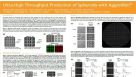 科学海报Ultra-High Throughput Production of Spheroids with AggreWell™
 沪公网安备31010102008431号