Koga C et al. (DEC 2014)
Annals of surgical oncology 21 Suppl 4 4 591--600
Reprogramming Using microRNA-302 Improves Drug Sensitivity in Hepatocellular Carcinoma Cells.
BACKGROUND Although studies have shown that Oct4,Sox2,Klf4,and c-Myc (OKSM)-mediated induced pluripotent stem cell (iPSC) technology sensitizes cancer cells to drugs,the potential risk of inserting c-Myc and random insertions of exogenous sequences into the genome persists. Several authors,including us,have presented microRNA (miRNA)-mediated reprogramming as an alternative approach. Herein,we evaluated the efficacy of miRNA-mediated reprogramming on hepatocellular carcinoma (HCC) cells. METHODS Among three miRNAs (miR-200c,miR-302s,and miR-369s) that were previously presented for miRNA-mediated reprogramming,miR-302 was expressed at low levels in HCC cells. After transfecting three times with miR-302,the cells were incubated in ES medium for 3 weeks and then characterized. RESULTS iPSC-like spheres were obtained after the 3-week incubation. Spheres presented high NANOG and OCT4 expression,low proliferation,high apoptosis,low epithelial-mesenchymal transition marker expression (N-cadherin,TGFBR2),and sensitization to drugs. Several miRNAs were changed (e.g.,low oncomiR miR-21,high miR-29b). cMyc was decreased,and methylation was elevated on histone 3 at lysine 4 (H3K4). Differentiated cells expressed markers of each germ layer (GFAP,FABP4,and ALB). AOF2 (also known as LSD1 or KDM1),one of the targets for miR-302,was repressed in iPSC-like-spheres. Silencing of AOF2 resulted in similar features of iPSC-like-spheres,including cMyc down-regulation and H3K4 methylation. In drug-resistant cells,sensitization was achieved through miR-302-mediated reprogramming. CONCLUSIONS miR-302-mediated iPSC technology reprogrammed HCC cells and improved drug sensitivity through AOF2 down-regulation,which caused H3K4 methylation and c-Myc repression.
View Publication
Deep sequencing reveals low incidence of endogenous LINE-1 retrotransposition in human induced pluripotent stem cells
Long interspersed element-1 (LINE-1 or L1) retrotransposition induces insertional mutations that can result in diseases. It was recently shown that the copy number of L1 and other retroelements is stable in induced pluripotent stem cells (iPSCs). However,by using an engineered reporter construct over-expressing L1,another study suggests that reprogramming activates L1 mobility in iPSCs. Given the potential of human iPSCs in therapeutic applications,it is important to clarify whether these cells harbor somatic insertions resulting from endogenous L1 retrotransposition. Here,we verified L1 expression during and after reprogramming as well as potential somatic insertions driven by the most active human endogenous L1 subfamily (L1Hs). Our results indicate that L1 over-expression is initiated during the reprogramming process and is subsequently sustained in isolated clones. To detect potential somatic insertions in iPSCs caused by L1Hs retotransposition,we used a novel sequencing strategy. As opposed to conventional sequencing direction,we sequenced from the 3' end of L1Hs to the genomic DNA,thus enabling the direct detection of the polyA tail signature of retrotransposition for verification of true insertions. Deep coverage sequencing thus allowed us to detect seven potential somatic insertions with low read counts from two iPSC clones. Negative PCR amplification in parental cells,presence of a polyA tail and absence from seven L1 germline insertion databases highly suggested true somatic insertions in iPSCs. Furthermore,these insertions could not be detected in iPSCs by PCR,likely due to low abundance. We conclude that L1Hs retrotransposes at low levels in iPSCs and therefore warrants careful analyses for genotoxic effects.
View Publication
产品号#:
05850
05857
05870
05875
85850
85857
85870
85875
产品名:
mTeSR™1
mTeSR™1
Ben-David U et al. (SEP 2014)
Nature communications 5 4825
Aneuploidy induces profound changes in gene expression, proliferation and tumorigenicity of human pluripotent stem cells.
Human pluripotent stem cells (hPSCs) tend to acquire genomic aberrations in culture,the most common of which is trisomy of chromosome 12. Here we dissect the cellular and molecular implications of this trisomy in hPSCs. Global gene expression analyses reveal that trisomy 12 profoundly affects the gene expression profile of hPSCs,inducing a transcriptional programme similar to that of germ cell tumours. Comparison of proliferation,differentiation and apoptosis between diploid and aneuploid hPSCs shows that trisomy 12 significantly increases the proliferation rate of hPSCs,mainly as a consequence of increased replication. Furthermore,trisomy 12 increases the tumorigenicity of hPSCs in vivo,inducing transcriptionally distinct teratomas from which pluripotent cells can be recovered. Last,a chemical screen of 89 anticancer drugs discovers that trisomy 12 raises the sensitivity of hPSCs to several replication inhibitors. Together,these findings demonstrate the extensive effect of trisomy 12 and highlight its perils for successful hPSC applications.
View Publication
产品号#:
05850
05857
05870
05875
07909
85850
85857
85870
85875
产品名:
IV型胶原酶(1mg /mL)
mTeSR™1
mTeSR™1
Lopez-Izquierdo A et al. (NOV 2014)
American journal of physiology. Heart and circulatory physiology 307 9 H1370--7
A near-infrared fluorescent voltage-sensitive dye allows for moderate-throughput electrophysiological analyses of human induced pluripotent stem cell-derived cardiomyocytes.
Human induced pluripotent stem cell-derived cardiomyocyte (iPSC-CM)-based assays are emerging as a promising tool for the in vitro preclinical screening of QT interval-prolonging side effects of drugs in development. A major impediment to the widespread use of human iPSC-CM assays is the low throughput of the currently available electrophysiological tools. To test the precision and applicability of the near-infrared fluorescent voltage-sensitive dye 1-(4-sulfanatobutyl)-4-β[2-(di-n-butylamino)-6-naphthyl]butadienylquinolinium betaine (di-4-ANBDQBS) for moderate-throughput electrophysiological analyses,we compared simultaneous transmembrane voltage and optical action potential (AP) recordings in human iPSC-CM loaded with di-4-ANBDQBS. Optical AP recordings tracked transmembrane voltage with high precision,generating nearly identical values for AP duration (AP durations at 10%,50%,and 90% repolarization). Human iPSC-CMs tolerated repeated laser exposure,with stable optical AP parameters recorded over a 30-min study period. Optical AP recordings appropriately tracked changes in repolarization induced by pharmacological manipulation. Finally,di-4-ANBDQBS allowed for moderate-throughput analyses,increasing throughput textgreater10-fold over the traditional patch-clamp technique. We conclude that the voltage-sensitive dye di-4-ANBDQBS allows for high-precision optical AP measurements that markedly increase the throughput for electrophysiological characterization of human iPSC-CMs.
View Publication
产品号#:
05850
05857
05870
05875
85850
85857
85870
85875
产品名:
mTeSR™1
mTeSR™1
Chen C et al. (JUL 2014)
Nature communications 5 4430
Role of astroglia in Down's syndrome revealed by patient-derived human-induced pluripotent stem cells.
Down's syndrome (DS),caused by trisomy of human chromosome 21,is the most common genetic cause of intellectual disability. Here we use induced pluripotent stem cells (iPSCs) derived from DS patients to identify a role for astrocytes in DS pathogenesis. DS astroglia exhibit higher levels of reactive oxygen species and lower levels of synaptogenic molecules. Astrocyte-conditioned medium collected from DS astroglia causes toxicity to neurons,and fails to promote neuronal ion channel maturation and synapse formation. Transplantation studies show that DS astroglia do not promote neurogenesis of endogenous neural stem cells in vivo. We also observed abnormal gene expression profiles from DS astroglia. Finally,we show that the FDA-approved antibiotic drug,minocycline,partially corrects the pathological phenotypes of DS astroglia by specifically modulating the expression of S100B,GFAP,inducible nitric oxide synthase,and thrombospondins 1 and 2 in DS astroglia. Our studies shed light on the pathogenesis and possible treatment of DS by targeting astrocytes with a clinically available drug.
View Publication
Graham B et al. (JUL 2014)
International Journal of Environmental Research and Public Health 11 7 7524--7536
Enhancement of arsenic trioxide-mediated changes in human induced pluripotent stem cells (IPS)
Induced pluripotent stem cells (IPS) are an artificially derived type of pluripotent stem cell,showing many of the same characteristics as natural pluripotent stem cells. IPS are a hopeful therapeutic model; however there is a critical need to determine their response to environmental toxins. Effects of arsenic on cells have been studied extensively; however,its effect on IPS is yet to be elucidated. Arsenic trioxide (ATO) has been shown to inhibit cell proliferation,induce apoptosis and genotoxicity in many cells. Based on ATOs action in other cells,we hypothesize that it will induce alterations in morphology,inhibit cell viability and induce a genotoxic effect on IPS. Cells were treated for 24 hours with ATO (0-9 µg/mL). Cell morphology,viability and DNA damage were documented. Results indicated sufficient changes in morphology of cell colonies mainly in cell ability to maintain grouping and ability to remain adherent. Cell viability decreased in a dose dependent manner. There were significant increases in tail length and moment as well as destruction of intact DNA as concentration increased. Exposure to ATO resulted in a reproducible dose dependent sequence of events marked by changes in morphology,decrease of cell viability,and induction of genotoxicity in IPS.
View Publication


 EasySep™小鼠TIL(CD45)正选试剂盒




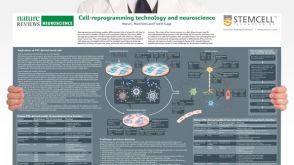 挂图Cell-Reprogramming Technology and Neuroscience Details on human iPSC-derived models of neuropsychiatric and neurodegenerative disorders


 沪公网安备31010102008431号