Vitenshtein A et al. (OCT 2016)
Cell host & microbe 20 4 527--534
NK Cell Recognition of Candida glabrata through Binding of NKp46 and NCR1 to Fungal Ligands Epa1, Epa6, and Epa7.
Natural killer (NK) cells form an important arm of the innate immune system and function to combat a wide range of invading pathogens,ranging from viruses to bacteria. However,the means by which NK cells accomplish recognition of pathogens with a limited repertoire of receptors remain largely unknown. In the current study,we describe the recognition of an emerging fungal pathogen,Candida glabrata,by the human NK cytotoxic receptor NKp46 and its mouse ortholog,NCR1. Using NCR1 knockout mice,we observed that this receptor-mediated recognition was crucial for controlling C. glabrata infection in vitro and in vivo. Finally,we delineated the fungal ligands to be the C. glabrata adhesins Epa1,Epa6,and Epa7 and demonstrated that clearance of systemic C. glabrata infections in vivo depends on their recognition by NCR1. As NKp46 and NCR1 have been previously shown to bind viral adhesion receptors,we speculate that NKp46/NCR1 may be a novel type of pattern recognition receptor.
View Publication
产品号#:
19855
19855RF
产品名:
EasySep™小鼠NK细胞分选试剂盒
RoboSep™ 小鼠NK细胞分选试剂盒
Hansen AS et al. (OCT 2016)
Scientific reports 6 35406
Non-random pairing of CD46 isoforms with skewing towards BC2 and C2 in activated and memory/effector T cells.
CD46 is a glycoprotein with important functions in innate and adaptive immune responses. Functionally different isoforms are generated by alternative splicing at exons 7-9 (BC and C isoforms) and exon 13 (CYT-1 and CYT-2 isoforms) giving rise to BC1,BC2,C1 and C2. We developed a novel real-time PCR assay that allows quantitative comparisons between these isoforms. Their relative frequency in CD4(+) T cells from 100 donors revealed a distribution with high interpersonally variability. Importantly,the distribution between the isoforms was not random and although splicing favoured inclusion of exon 8 (BC isoforms),exclusion of exon 8 (C isoforms) was significantly linked to exclusion of exon 13 (CYT-2 isoforms). Despite inter-individual differences,CD4(+) and CD8(+) T cells,B cells,NK cells and monocytes expressed similar isoform profiles intra-individually. However,memory/effector CD4(+) T cells had a significantly higher frequency of CYT-2 when compared with naïve CD4(+) T cells. Likewise,in vitro activation of naïve and total CD4(+) T cells increased the expression of CYT-2. This indicates that although splicing factors determine a certain expression profile in an individual,the profile can be modulated by external stimuli. This suggests a mechanism by which alterations in CD46 isoforms may temporarily regulate the immune response.
View Publication
产品号#:
17952
17952RF
19155
19155RF
100-0696
产品名:
EasySep™人CD4+ T细胞分选试剂盒
RoboSep™ 人CD4+ T细胞分选试剂盒
EasySep™人CD4+ T细胞分离试剂盒
Le MX et al. (NOV 2016)
Scientific reports 6 37215
Kin17 facilitates multiple double-strand break repair pathways that govern B cell class switching.
Class switch recombination (CSR) in B cells requires the timely repair of DNA double-stranded breaks (DSBs) that result from lesions produced by activation-induced cytidine deaminase (AID). Through a genome-wide RNAi screen,we identified Kin17 as a gene potentially involved in the maintenance of CSR in murine B cells. In this study,we confirm a critical role for Kin17 in CSR independent of AID activity. Furthermore,we make evident that DSBs generated by AID or ionizing radiation require Kin17 for efficient repair and resolution. Our report shows that reduced Kin17 results in an elevated deletion frequency following AID mutational activity in the switch region. In addition,deficiency in Kin17 affects the functionality of multiple DSB repair pathways,namely homologous recombination,non-homologous end-joining,and alternative end-joining. This report demonstrates the importance of Kin17 as a critical factor that acts prior to the repair phase of DSB repair and is of bona fide importance for CSR.
View Publication
产品号#:
19854
19854RF
产品名:
EasySep™小鼠B细胞分选试剂盒
RoboSep™ 小鼠B细胞分选试剂盒
Drake A et al. ( 2016)
PloS one 11 11 e0166280
Interleukins 7 and 15 Maintain Human T Cell Proliferative Capacity through STAT5 Signaling.
T lymphocytes require signals from self-peptides and cytokines,most notably interleukins 7 and 15 (IL-7,IL-15),for survival. While mouse T cells die rapidly if IL-7 or IL-15 is withdrawn,human T cells can survive prolonged withdrawal of IL-7 and IL-15. Here we show that IL-7 and IL-15 are required to maintain human T cell proliferative capacity through the STAT5 signaling pathway. T cells from humanized mice proliferate better if stimulated in the presence of human IL-7 or IL-15 or if T cells are exposed to human IL-7 or IL-15 in mice. Freshly isolated T cells from human peripheral blood lose proliferative capacity if cultured for 24 hours in the absence of IL-7 or IL-15. We further show that phosphorylation of STAT5 correlates with proliferation and inhibition of STAT5 reduces proliferation. These results reveal a novel role of IL-7 and IL-15 in maintaining human T cell function,provide an explanation for T cell dysfunction in humanized mice,and have significant implications for in vitro studies with human T cells.
View Publication
产品号#:
17951
17951RF
19851
19851RF
15624
15664
100-0695
产品名:
EasySep™人T细胞分选试剂盒
RoboSep™ 人T细胞分选试剂盒
EasySep™小鼠T细胞分选试剂盒
RoboSep™ 小鼠T细胞分选试剂盒
RosetteSep™人粒细胞去除抗体混合物
RosetteSep™人粒细胞去除抗体混合物
EasySep™人T细胞分选试剂盒
Li MMH et al. (NOV 2016)
The Journal of experimental medicine
Interferon regulatory factor 2 protects mice from lethal viral neuroinvasion.
The host responds to virus infection by activating type I interferon (IFN) signaling leading to expression of IFN-stimulated genes (ISGs). Dysregulation of the IFN response results in inflammatory diseases and chronic infections. In this study,we demonstrate that IFN regulatory factor 2 (IRF2),an ISG and a negative regulator of IFN signaling,influences alphavirus neuroinvasion and pathogenesis. A Sindbis virus strain that in wild-type (WT) mice only causes disease when injected into the brain leads to lethal encephalitis in Irf2(-/-) mice after peripheral inoculation. Irf2(-/-) mice fail to control virus replication and recruit immune infiltrates into the brain. Reduced B cells and virus-specific IgG are observed in the Irf2(-/-) mouse brains despite the presence of peripheral neutralizing antibodies,suggesting a defect in B cell trafficking to the central nervous system (CNS). B cell-deficient μMT mice are significantly more susceptible to viral infection,yet WT B cells and serum are unable to rescue the Irf2(-/-) mice. Collectively,our data demonstrate that proper localization of B cells and local production of antibodies in the CNS are required for protection. The work advances our understanding of host mechanisms that affect viral neuroinvasion and their contribution to immunity against CNS infections.
View Publication
产品号#:
19854
19854RF
产品名:
EasySep™小鼠B细胞分选试剂盒
RoboSep™ 小鼠B细胞分选试剂盒
T. Ulas et al. (MAY 2017)
Nature immunology
S100-alarmin-induced innate immune programming protects newborn infants from sepsis.
The high risk of neonatal death from sepsis is thought to result from impaired responses by innate immune cells; however,the clinical observation of hyperinflammatory courses of neonatal sepsis contradicts this concept. Using transcriptomic,epigenetic and immunological approaches,we demonstrated that high amounts of the perinatal alarmins S100A8 and S100A9 specifically altered MyD88-dependent proinflammatory gene programs. S100 programming prevented hyperinflammatory responses without impairing pathogen defense. TRIF-adaptor-dependent regulatory genes remained unaffected by perinatal S100 programming and responded strongly to lipopolysaccharide,but were barely expressed. Steady-state expression of TRIF-dependent genes increased only gradually during the first year of life in human neonates,shifting immune regulation toward the adult phenotype. Disruption of this critical sequence of transient alarmin programming and subsequent reprogramming of regulatory pathways increased the risk of hyperinflammation and sepsis. Collectively these data suggest that neonates are characterized by a selective,transient microbial unresponsiveness that prevents harmful hyperinflammation in the delicate neonate while allowing for sufficient immunological protection.
View Publication


 EasySep™小鼠TIL(CD45)正选试剂盒




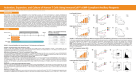 科学海报Activation, Expansion, and Culture of Human T Cells Using ImmunoCult™ cGMP-Compliant Ancillary Reagents

 沪公网安备31010102008431号