Immune Activation Influences SAMHD1 Expression and Vpx-mediated SAMHD1 Degradation during Chronic HIV-1 Infection.
SAMHD1 restricts human immunodeficiency virus type 1 (HIV-1) replication in myeloid cells and CD4(+) T cells,while Vpx can mediate SAMHD1 degradation to promote HIV-1 replication. Although the restriction mechanisms of SAMHD1 have been well-described,SAMHD1 expression and Vpx-mediated SAMHD1 degradation during chronic HIV-1 infection were poorly understood. Flow cytometric analysis was used to directly visualize ex vivo,and after in vitro SIV-Vpx treatment,SAMHD1 expression in CD4(+) T cells and monocytes. Here we report activated CD4(+) T cells without SAMHD1 expression were severely reduced,and SAMHD1 in CD4(+) T cells became susceptible to SIV-Vpx mediated degradation during chronic HIV-1 infection,which was absent from uninfected donors. These alterations were irreversible,even after long-term fully suppressive antiretroviral treatment. Although SAMHD1 expression in CD4(+) T cells and monocytes was not found to correlate with plasma viral load,Vpx-mediated SAMHD1 degradation was associated with indicators of immune activation. In vitro assays further revealed that T-cell activation and an upregulated IFN-I pathway contributed to these altered SAMHD1 properties. These findings provide insight into how immune activation during HIV-1 infection leads to irreparable aberrations in restriction factors and in subsequent viral evasion from host antiviral defenses.
View Publication
产品号#:
17952
17952RF
19359
19359RF
100-0696
100-0697
产品名:
EasySep™人CD4+ T细胞分选试剂盒
RoboSep™ 人CD4+ T细胞分选试剂盒
EasySep™人单核细胞分选试剂盒
RoboSep™ 人单核细胞分选试剂盒
EasySep™人CD4+ T细胞分离试剂盒
EasySep™人单核细胞分选试剂盒
Liu Y-S et al. (MAY 2017)
Oncogene
MiR-181b modulates EGFR-dependent VCAM-1 expression and monocyte adhesion in glioblastoma.
Tumor-associated macrophages (TAMs) originate as circulating monocytes,and are recruited to gliomas,where they facilitate tumor growth and migration. Understanding the interaction between TAM and cancer cells may identify therapeutic targets for glioblastoma multiforme (GBM). Vascular cell adhesion molecule-1 (VCAM-1) is a cytokine-induced adhesion molecule expressed on the surface of cancer cells,which is involved in interactions with immune cells. Analysis of the glioma patient database and tissue immunohistochemistry showed that VCAM-1 expression correlated with the clinico-pathological grade of gliomas. Here,we found that VCAM-1 expression correlated positively with monocyte adhesion to GBM,and knockdown of VCAM-1 abolished the enhancement of monocyte adhesion. Importantly,upregulation of VCAM-1 is dependent on epidermal-growth-factor-receptor (EGFR) expression,and inhibition of EGFR effectively reduced VCAM-1 expression and monocyte adhesion activity. Moreover,GBM possessing higher EGFR levels (U251 cells) had higher VCAM-1 levels compared to GBMs with lower levels of EGFR (GL261 cells). Using two- and three-dimensional cultures,we found that monocyte adhesion to GBM occurs via integrin α4β1,which promotes tumor growth and invasion activity. Increased proliferation and tumor necrosis factor-α and IFN-γ levels were also observed in the adherent monocytes. Using a genetic modification approach,we demonstrated that VCAM-1 expression and monocyte adhesion were regulated by the miR-181 family,and lower levels of miR-181b correlated with high-grade glioma patients. Our results also demonstrated that miR-181b/protein phosphatase 2A-modulated SP-1 de-phosphorylation,which mediated the EGFR-dependent VCAM-1 expression and monocyte adhesion to GBM. We also found that the EGFR-dependent VCAM-1 expression is mediated by the p38/STAT3 signaling pathway. Our study suggested that VCAM-1 is a critical modulator of EGFR-dependent interaction of monocytes with GBM,which raises the possibility of developing effective and improved therapies for GBM.Oncogene advance online publication,1 May 2017; doi:10.1038/onc.2017.129.
View Publication
产品号#:
15028
15068
产品名:
RosetteSep™人单核细胞富集抗体混合物
RosetteSep™人单核细胞富集抗体混合物
D. Xie et al. (MAY 2017)
Experimental cell research
The effects of activin A on the migration of human breast cancer cells and neutrophils and their migratory interaction.
Activin A belongs to the superfamily of transforming growth factor beta (TGF$\beta$) and is a critical regulatory cytokine in breast cancer and inflammation. However,the role of activin A in migration of breast cancer cells and immune cells was not well characterized. Here,a microfluidic device was used to examine the effect of activin A on the migration of human breast cancer cell line MDA-MB-231 cells and human blood neutrophils as well as their migratory interaction. We found that activin A promoted the basal migration but impaired epidermal growth factor (EGF)-induced migration of breast cancer cells. By contrast,activin A reduced neutrophil chemotaxis and transendothelial migration to N-Formyl-Met-Leu-Phe (fMLP). Finally,activin A promoted neutrophil chemotaxis to the supernatant from breast cancer cell culture. Collectively,our study revealed the different roles of activin A in regulating the migration of breast cancer cells and neutrophils and their migratory interaction. These findings suggested the potential of activin A as a therapeutic target for inflammation and breast cancers.
View Publication
产品号#:
19666
100-0404
产品名:
EasySep™ Direct人中性粒细胞分选试剂盒
RoboSep™ 人中性粒细胞分选试剂盒
Miyoshi H et al. (JAN 1999)
Science (New York,N.Y.) 283 5402 682--6
Transduction of human CD34+ cells that mediate long-term engraftment of NOD/SCID mice by HIV vectors.
Efficient gene transfer into human hematopoietic stem cells (HSCs) is an important goal in the study of the hematopoietic system as well as for gene therapy of hematopoietic disorders. A lentiviral vector based on the human immunodeficiency virus (HIV) was able to transduce human CD34+ cells capable of stable,long-term reconstitution of nonobese diabetic/severe combined immunodeficient (NOD/SCID) mice. High-efficiency transduction occurred in the absence of cytokine stimulation and resulted in transgene expression in multiple lineages of human hematopoietic cells for up to 22 weeks after transplantation.
View Publication
产品号#:
09500
产品名:
BIT 9500血清替代物
挂图
Human Immune Cytokines
Infographic of key cytokines for expansion, differentiation and characterization of major immune cell types
Girart M et al. (SEP 2007)
Journal of immunology (Baltimore,Md. : 1950) 179 6 3472--9
Engagement of TLR3, TLR7, and NKG2D regulate IFN-gamma secretion but not NKG2D-mediated cytotoxicity by human NK cells stimulated with suboptimal doses of IL-12.
NK cells express different TLRs,such as TLR3,TLR7,and TLR9,but little is known about their role in NK cell stimulation. In this study,we used specific agonists (poly(I:C),loxoribine,and synthetic oligonucleotides containing unmethylated CpG sequences to stimulate human NK cells without or with suboptimal doses of IL-12,IL-15,or IFN-alpha,and investigated the secretion of IFN-gamma,cytotoxicity,and expression of the activating receptor NKG2D. Poly(I:C) and loxoribine,in conjunction with IL-12,but not IL-15,triggered secretion of IFN-gamma. Inhibition of IFN-gamma secretion by chloroquine suggested that internalization of the TLR agonists was necessary. Also,secretion of IFN-gamma was dependent on MEK1/ERK,p38 MAPK,p70(S6) kinase,and NF-kappaB,but not on calcineurin. IFN-alpha induced a similar effect,but promoted lesser IFN-gamma secretion. However,cytotoxicity (51Cr release assays) against MHC class I-chain related A (MICA)- and MICA+ tumor targets remained unchanged,as well as the expression of the NKG2D receptor. Excitingly,IFN-gamma secretion was significantly increased when NK cells were stimulated with poly(I:C) or loxoribine and IL-12,and NKG2D engagement was induced by coculture with MICA+ tumor cells in a PI3K-dependent manner. We conclude that resting NK cells secrete high levels of IFN-gamma in response to agonists of TLR3 or TLR7 and IL-12,and this effect can be further enhanced by costimulation through NKG2D. Hence,integration of the signaling cascades that involve TLR3,TLR7,IL-12,and NKG2D emerges as a critical step to promote IFN-gamma-dependent NK cell-mediated effector functions,which could be a strategy to promote Th1-biased immune responses in pathological situations such as cancer.
View Publication
产品号#:
15025
15065
产品名:
RosetteSep™人NK细胞富集抗体混合物
RosetteSep™人NK细胞富集抗体混合物
Chen S et al. (AUG 2007)
Journal of immunology (Baltimore,Md. : 1950) 179 3 1634--47
Modulatory effects of 1,25-dihydroxyvitamin D3 on human B cell differentiation.
1,25-Dihydroxyvitamin D(3) (1,25(OH)(2)D(3)) can modulate immune responses,but whether it directly affects B cell function is unknown. Patients with systemic lupus erythematosus,especially those with antinuclear Abs and increased disease activity,had decreased 1,25(OH)(2)D(3) levels,suggesting that vitamin D might play a role in regulating autoantibody production. To address this,we examined the effects of 1,25(OH)(2)D(3) on B cell responses and found that it inhibited the ongoing proliferation of activated B cells and induced their apoptosis,whereas initial cell division was unimpeded. The generation of plasma cells and postswitch memory B cells was significantly inhibited by 1,25(OH)(2)D(3),although the up-regulation of genetic programs involved in B cell differentiation was only modestly affected. B cells expressed mRNAs for proteins involved in vitamin D activity,including 1 alpha-hydroxylase,24-hydroxylase,and the vitamin D receptor,each of which was regulated by 1,25(OH)(2)D(3) and/or activation. Importantly,1,25(OH)(2)D(3) up-regulated the expression of p27,but not of p18 and p21,which may be important in regulating the proliferation of activated B cells and their subsequent differentiation. These results indicate that 1,25(OH)(2)D(3) may play an important role in the maintenance of B cell homeostasis and that the correction of vitamin D deficiency may be useful in the treatment of B cell-mediated autoimmune disorders.
View Publication
产品号#:
15024
15064
产品名:
RosetteSep™人B细胞富集抗体混合物
RosetteSep™人B细胞富集抗体混合物
Zhang Y et al. ( 2018)
Nature communications 9 1 6
Nanoparticle anchoring targets immune agonists to tumors enabling anti-cancer immunity without systemic toxicity.
Immunostimulatory agents such as agonistic anti-CD137 and interleukin (IL)-2 generate effective anti-tumor immunity but also elicit serious toxicities,hampering their clinical application. Here we show that combination therapy with anti-CD137 and an IL-2-Fc fusion achieves significant initial anti-tumor activity,but also lethal immunotoxicity deriving from stimulation of circulating leukocytes. To overcome this toxicity,we demonstrate that anchoring IL-2 and anti-CD137 on the surface of liposomes allows these immune agonists to rapidly accumulate in tumors while lowering systemic exposure. In multiple tumor models,immunoliposome delivery achieves anti-tumor activity equivalent to free IL-2/anti-CD137 but with the complete absence of systemic toxicity. Immunoliposomes stimulated tumor infiltration by cytotoxic lymphocytes,cytokine production,and granzyme expression,demonstrating equivalent immunostimulatory effects to the free drugs in the local tumor microenvironment. Thus,surface-anchored particle delivery may provide a general approach to exploit the potent stimulatory activity of immune agonists without debilitating systemic toxicities.
View Publication
产品号#:
19753
19753RF
产品名:
Chang C-F et al. (DEC 2017)
The Journal of clinical investigation
Erythrocyte efferocytosis modulates macrophages towards recovery after intracerebral hemorrhage.
Macrophages are a source of both proinflammatory and restorative functions in damaged tissue through complex dynamic phenotypic changes. Here,we sought to determine whether monocyte-derived macrophages (MDMs) contribute to recovery after acute sterile brain injury. By profiling the transcriptional dynamics of MDMs in the murine brain after experimental intracerebral hemorrhage (ICH),we found robust phenotypic changes in the infiltrating MDMs over time and demonstrated that MDMs are essential for optimal hematoma clearance and neurological recovery. Next,we identified the mechanism by which the engulfment of erythrocytes with exposed phosphatidylserine directly modulated the phenotype of both murine and human MDMs. In mice,loss of receptor tyrosine kinases AXL and MERTK reduced efferocytosis of eryptotic erythrocytes and hematoma clearance,worsened neurological recovery,exacerbated iron deposition,and decreased alternative activation of macrophages after ICH. Patients with higher circulating soluble AXL had poor 1-year outcomes after ICH onset,suggesting that therapeutically augmenting efferocytosis may improve functional outcomes by both reducing tissue injury and promoting the development of reparative macrophage responses. Thus,our results identify the efferocytosis of eryptotic erythrocytes through AXL/MERTK as a critical mechanism modulating macrophage phenotype and contributing to recovery from ICH.
View Publication
产品号#:
17858
17858RF
85450
85460
100-0694
产品名:
EasySep™人CD14正选试剂盒II
RoboSep™ 人CD14正选试剂盒II
SepMate™-50 (IVD)
SepMate™-50 (IVD)
EasySep™人CD14正选试剂盒II
Chen WLK et al. ( 2017)
Biotechnology and bioengineering 114 11 2648--2659
Integrated gut/liver microphysiological systems elucidates inflammatory inter-tissue crosstalk.
A capability for analyzing complex cellular communication among tissues is important in drug discovery and development,and in vitro technologies for doing so are required for human applications. A prominent instance is communication between the gut and the liver,whereby perturbations of one tissue can influence behavior of the other. Here,we present a study on human gut-liver tissue interactions under normal and inflammatory contexts,via an integrative multi-organ platform comprising human liver (hepatocytes and Kupffer cells),and intestinal (enterocytes,goblet cells,and dendritic cells) models. Our results demonstrated long-term (>2 weeks) maintenance of intestinal (e.g.,barrier integrity) and hepatic (e.g.,albumin) functions in baseline interaction. Gene expression data comparing liver in interaction with gut,versus isolation,revealed modulation of bile acid metabolism. Intestinal FGF19 secretion and associated inhibition of hepatic CYP7A1 expression provided evidence of physiologically relevant gut-liver crosstalk. Moreover,significant non-linear modulation of cytokine responses was observed under inflammatory gut-liver interaction; for example,production of CXCR3 ligands (CXCL9,10,11) was synergistically enhanced. RNA-seq analysis revealed significant upregulation of IFNα/β/γ signaling during inflammatory gut-liver crosstalk,with these pathways implicated in the synergistic CXCR3 chemokine production. Exacerbated inflammatory response in gut-liver interaction also negatively affected tissue-specific functions (e.g.,liver metabolism). These findings illustrate how an integrated multi-tissue platform can generate insights useful for understanding complex pathophysiological processes such as inflammatory organ crosstalk. Biotechnol. Bioeng. 2017;114: 2648-2659. textcopyright 2017 Wiley Periodicals,Inc.
View Publication


 EasySep™小鼠TIL(CD45)正选试剂盒




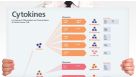 挂图Human Immune Cytokines Infographic of key cytokines for expansion, differentiation and characterization of major immune cell types
 沪公网安备31010102008431号