Wellington M et al. (DEC 2003)
Infection and immunity 71 12 7228--31
Enhanced phagocytosis of Candida species mediated by opsonization with a recombinant human antibody single-chain variable fragment.
Specific antibody opsonization significantly enhances the level of phagocytosis of Candida in the absence of complement. Furthermore,we have described a system using a recombinant human antibody single-chain variable fragment that allows a comparative study of phagocytosis of multiple Candida species opsonized via a common antigen.
View Publication
产品号#:
15028
15068
产品名:
RosetteSep™人单核细胞富集抗体混合物
RosetteSep™人单核细胞富集抗体混合物
Deonarain R et al. (NOV 2003)
Proceedings of the National Academy of Sciences of the United States of America 100 23 13453--8
Critical roles for IFN-beta in lymphoid development, myelopoiesis, and tumor development: links to tumor necrosis factor alpha.
We have generated mice null for IFN-beta and report the diverse consequences of IFN-beta for both the innate and adaptive arms of immunity. Despite no abnormalities in the proportional balance of CD4 and CD8 T cell populations in the peripheral blood,thymus,and spleen of IFN-beta-/- mice,activated lymph node and splenic T lymphocytes exhibit enhanced T cell proliferation and decreased tumor necrosis factor alpha production,relative to IFN-beta+/+ mice. Notably,constitutive and induced expression of tumor necrosis factor alpha is reduced in the spleen and bone marrow (BM) macrophages,respectively,of IFN-beta-/- mice. We also observe an altered splenic architecture in IFN-beta-/- mice and a reduction in resident macrophages. We identify a potential defect in B cell maturation in IFN-beta-/- mice,associated with a decrease in B220+ve/high/CD43-ve BM-derived cells and a reduction in BP-1,IgM,and CD23 expression. Circulating IgM-,Mac-1-,and Gr-1-positive cells are also substantially decreased in IFN-beta-/- mice. The decrease in the numbers of circulating macrophages and granulocytes likely reflects defective maturation of primitive BM hematopoiesis in mice,shown by the reduction of colony-forming units,granulocyte-macrophage. We proceeded to evaluate the in vivo growth of malignant cells in the IFN-beta-/- background and give evidence that Lewis lung carcinoma-specific tumor growth is more aggressive in IFN-beta-/- mice. Taken altogether,our data suggest that,in addition to the direct growth-inhibitory effects on tumor cells,IFN-beta is required during different stages of maturation in the development of the immune system.
View Publication
产品号#:
03434
03444
产品名:
MethoCult™ GF M3434
MethoCult™ GF M3434
Goodridge JP et al. (AUG 2003)
Journal of immunology (Baltimore,Md. : 1950) 171 4 1768--74
KIR2DL4 (CD158d) genotype influences expression and function in NK cells.
The expression and function of the NK cell receptor KIR2DL4 are controversial. Two common alleles of the transmembrane domain of KIR2DL4 exist. The 10A allele with 10 adenines at the end of the transmembrane exon encodes a full length receptor,whereas the 9A allele has only 9 adenines resulting in a frame shift which in turn generates a stop codon early in the first cytoplasmic exon. The possibility that the 10A and 9A alleles might result in differences in expression and function of KIR2DL4 was explored using mAbs to KIR2DL4. Transfection experiments with cDNA from the 10A and 9A alleles revealed significant membrane expression only with the protein encoded by the 10A allele. Analysis of peripheral blood NK cells demonstrated that only in subjects with at least one 10A allele was cell surface expression of KIR2DL4 detectable,and then only on the minor CD56(bright) NK cell subset. The major CD56(dim) NK cell subset did not cell surface express KIR2DL4 but,interestingly,did so after in vitro culture. Functional analysis using cultured NK cells in redirected lysis assays demonstrated that KIR2DL4 is an activating receptor for NK cells with at least one 10A allele. No significant activity was detected for NK cells generated from subjects homozygous for the 9A allele. These data show that genotype influences cell surface expression and function of KIR2DL4 which may account for reported differences in KIR2DL4 expression and function.
View Publication
产品号#:
15025
15065
产品名:
RosetteSep™人NK细胞富集抗体混合物
RosetteSep™人NK细胞富集抗体混合物
Liu E et al. (APR 2003)
Blood 101 8 3294--301
Discrimination of polycythemias and thrombocytoses by novel, simple, accurate clonality assays and comparison with PRV-1 expression and BFU-E response to erythropoietin.
Essential thrombocythemia (ET) and polycythemia vera (PV) are clonal myeloproliferative disorders that are often difficult to distinguish from other causes of elevated blood cell counts. Assays that could reliably detect clonal hematopoiesis would therefore be extremely valuable for diagnosis. We previously reported 3 X-chromosome transcription-based clonality assays (TCAs) involving the G6PD,IDS,and MPP1 genes,which together were informative in about 65% of female subjects. To increase our ability to detect clonality,we developed simple TCA for detecting the transcripts of 2 additional X-chromosome genes: Bruton tyrosine kinase (BTK) and 4-and-a-half LIM domain 1 (FHL1). The combination of TCA established the presence or absence of clonal hematopoiesis in about 90% of female subjects. We show that both genes are subject to X-chromosome inactivation and are polymorphic in all major US ethnic groups. The 5 TCAs were used to examine clonality in 46 female patients along with assays for erythropoietin-independent erythroid colonies (EECs) and granulocyte PRV-1 mRNA levels to discriminate polycythemias and thrombocytoses. Of these,all 19 patients with familial polycythemia or thrombocytosis had polyclonal hematopoiesis,whereas 22 of 26 patients with clinical evidence of myeloproliferative disorder and 1 patient with clinically obscure polycythemia were clonal. Interestingly,interferon alpha therapy in 2 patients with PV was associated with reversion of clonal to polyclonal hematopoiesis. EECs were observed in 14 of 14 patients with PV and 4 of 12 with ET,and increased granulocyte PRV-1 mRNA levels were found in 9 of 13 patients with PV and 2 of 12 with ET. Thus,these novel clonality assays are useful in the diagnosis and follow-up of polycythemic conditions and disorders with increased platelet levels.
View Publication


 EasySep™小鼠TIL(CD45)正选试剂盒




 科学海报Cell Isolation of Functional CD4+CD25+ Regulatory T Cells from Mouse Strains

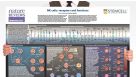 挂图Natural Killer Cells Overview of NK cell receptors, subsets, activation and function

 沪公网安备31010102008431号