Lee AS et al. (AUG 2009)
Cell Cycle 8 16 2608--2612
Effects of cell number on teratoma formation by human embryonic stem cells
Teratoma formation is a critical obstacle to safe clinical translation of human embryonic stem (ES) cell-based therapies in the future. As current methods of isolation are unable to yield 100% pure population of differentiated cells from a pluripotent donor source,potential development of these tumors is a significant concern. Here we used non-invasive reporter gene imaging to investigate the relationship between human ES cell number and teratoma formation in a xenogenic model of ES cell transplantation. Human ES cells (H9 line) were stably transduced with a double fusion (DF) reporter construct containing firefly luciferase and enhanced green fluorescent protein (Fluc- eGFP) driven by a human ubiquitin promoter. Immunodeficient mice received intramyocardial (n = 35) or skeletal muscle (n = 35) injection of 1 × 102,1 × 103,1 × 104,1 × 105 or 1 × 10⁶ DF positive ES cells suspended in saline for myocardium and Matrigel for skeletal muscle. Cell survival and proliferation were monitored via bioluminescence imaging (BLI) for an 8 week period following transplantation. Mice negative for Fluc signal after 8 weeks were followed out to day 365 to confirm tumor absence. Significantly,in this study,a minimum of 1 × 10⁵ ES cells in the myocardium and 1 × 10⁴ cells in the skeletal muscle was observed to be requisite for teratoma development,suggesting that human ES cell number may be a critical factor in teratoma formation. Engraftment and tumor occurrence were also observed to be highly dependent on ES cell number. We anticipate these results should yield useful insights to the safe and reliable application of human ES cell derivatives in the clinic. Keywords
View Publication
产品号#:
05850
05857
05870
05875
85850
85857
85870
85875
产品名:
mTeSR™1
mTeSR™1
Gentry T and Smith C (AUG 1999)
Experimental hematology 27 8 1244--54
Retroviral vector-mediated gene transfer into umbilical cord blood CD34brCD38-CD33- cells.
In this report,we sought to optimize gene transfer into primitive human umbilical cord blood (UCB) cells. Initially,we found that fresh UCB isolated with the CD34brCD38 CD33 phenotype were highly enriched for hematopoietic progenitors detected in extended long-term cultures (8-week LTCs). In addition,following ex vivo gene transfer,this population possessed virtually all the 8-week LTC activity of the cultured cells. A multiparameter FACS assay was developed to efficiently screen the effects of alternative retroviral vector gene transfer procedures on the transduction efficiency and maintenance of CD34brCD38 CD33 cells. Proliferation of the CD34brCD38 CD33 cells was found to be a prerequisite for efficient transduction. However,in all conditions tested,proliferation of the CD34brCD38 CD33 cells was associated with a progressive loss of primitive cell properties including a reduction in CD34 expression,an increase in CD38/CD33 expression,and a decline in the ability to sustain 8-week LTCs. These observations indicate that it will be necessary to define conditions that more effectively support the self-renewal capacity of CD34brCD38 CD33 cells to optimize retroviral vector gene transfer in these cells. Evaluating these conditions and reagents will be facilitated by the multiparameter FACS assay described in this report.
View Publication
产品号#:
04431
产品名:
MethoCult™ H4431
Galy A et al. (JAN 2000)
Blood 95 1 128--37
Distinct signals control the hematopoiesis of lymphoid-related dendritic cells.
The molecular and cellular requirements for the development of different populations of human dendritic cells (DC) were studied. Conditions were defined that support DC production from lymphoid progenitors but that fail to induce DC formation from peripheral monocytes. The production of these lymphoid-related DC was severely blocked when hematopoietic progenitors overexpressed Ik7,a mutant dominant-negative Ikaros protein. In contrast,Ik7 did not block the formation of DC in conditions supporting the development of monocyte-derived DC. Furthermore,Ik7 did not block the formation of monocyte/macrophages and enhanced granulopoiesis. One of the molecular mechanisms mediated by Ik7 appears to be down-regulation of the flt3-receptor mRNA. Thus,distinct signals control the formation of DC demonstrating that some aspects of DC diversity are determined in part by distinct molecular cues at the hematopoietic level. (Blood. 2000;95:128-137)
View Publication


 EasySep™小鼠TIL(CD45)正选试剂盒





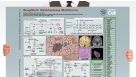 挂图SnapShot: Glioblastoma Multiforme Overview of the key concepts and mechanisms in glioblastoma multiforme biology

 沪公网安备31010102008431号