Alshawaf AJ et al. ( 2017)
Stem cells international 2017 7848932
WDR62 Regulates Early Neural and Glial Progenitor Specification of Human Pluripotent Stem Cells.
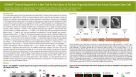
Mutations in WD40-repeat protein 62 (WDR62) are commonly associated with primary microcephaly and other developmental cortical malformations. We used human pluripotent stem cells (hPSC) to examine WDR62 function during human neural differentiation and model early stages of human corticogenesis. Neurospheres lacking WDR62 expression showed decreased expression of intermediate progenitor marker,TBR2,and also glial marker,S100β. In contrast,inhibition of c-Jun N-terminal kinase (JNK) signalling during hPSC neural differentiation induced upregulation of WDR62 with a corresponding increase in neural and glial progenitor markers,PAX6 and EAAT1,respectively. These findings may signify a role of WDR62 in specifying intermediate neural and glial progenitors during human pluripotent stem cell differentiation.
View Publication
产品号#:
05850
05857
05870
05875
85850
85857
85870
85875
产品名:
mTeSR™1
mTeSR™1
Keller G et al. (JAN 1993)
Molecular and cellular biology 13 1 473--86
Hematopoietic commitment during embryonic stem cell differentiation in culture.
We report that embryonic stem cells efficiently undergo differentiation in vitro to mesoderm and hematopoietic cells and that this in vitro system recapitulates days 6.5 to 7.5 of mouse hematopoietic development. Embryonic stem cells differentiated as embryoid bodies (EBs) develop erythroid precursors by day 4 of differentiation,and by day 6,more than 85% of EBs contain such cells. A comparative reverse transcriptase-mediated polymerase chain reaction profile of marker genes for primitive endoderm (collagen alpha IV) and mesoderm (Brachyury) indicates that both cell types are present in the developing EBs as well in normal embryos prior to the onset of hematopoiesis. GATA-1,GATA-3,and vav are expressed in both the EBs and embryos just prior to and/or during the early onset of hematopoiesis,indicating that they could play a role in the early stages of hematopoietic development both in vivo and in vitro. The initial stages of hematopoietic development within the EBs occur in the absence of added growth factors and are not significantly influenced by the addition of a broad spectrum of factors,including interleukin-3 (IL-3),IL-1,IL-6,IL-11,erythropoietin,and Kit ligand. At days 10 and 14 of differentiation,EB hematopoiesis is significantly enhanced by the addition of both Kit ligand and IL-11 to the cultures. Kinetic analysis indicates that hematopoietic precursors develop within the EBs in an ordered pattern. Precursors of the primitive erythroid lineage appear first,approximately 24 h before precursors of the macrophage and definitive erythroid lineages. Bipotential neutrophil/macrophage and multilineage precursors appear next,and precursors of the mast cell lineage develop last. The kinetics of precursor development,as well as the growth factor responsiveness of these early cells,is similar to that found in the yolk sac and early fetal liver,indicating that the onset of hematopoiesis within the EBs parallels that found in the embryo.
View Publication
产品号#:
06902
06952
00321
00322
00323
00324
00325
产品名:
Vittet D et al. (NOV 1996)
Blood 88 9 3424--31
Embryonic stem cells differentiate in vitro to endothelial cells through successive maturation steps.
The mechanisms involved in the regulation of vasculogenesis still remain unclear in mammals. Totipotent embryonic stem (ES) cells may represent a suitable in vitro model to study molecular events involved in vascular development. In this study,we followed the expression kinetics of a relatively large set of endothelial-specific markers in ES-derived embryoid bodies (EBs). Results of both reverse transcription-polymerase chain reaction and/or immunofluorescence analysis show that a spontaneous endothelial differentiation occurs during EBs development. ES-derived endothelial cells express a full range of cell lineage-specific markers: platelet endothelial cell adhesion molecule (PECAM),Flk-1,tie-1,tie-2,vascular endothelial (VE) cadherin,MECA-32,and MEC-14.7. Analysis of the kinetics of endothelial marker expression allows the distinction of successive maturation steps. Flk-1 was the first to be detected; its mRNA is apparent from day 3 of differentiation. PECAM and tie-2 mRNAs were found to be expressed only from day 4,whereas VE-cadherin and tie-1 mRNAs cannot be detected before day 5. Immunofluorescence stainings of EBs with antibodies directed against Flk-1,PECAM,VE-cadherin,MECA-32,and MEC-14.7 confirmed that the expression of these antigens occurs at different steps of endothelial cell differentiation. The addition of an angiogenic growth factor mixture including erythropoietin,interleukin-6,fibroblast growth factor 2,and vascular endothelial growth factor in the EB culture medium significantly increased the development of primitive vascular-like structures within EBs. These results indicate that this in vitro system contains a large part of the endothelial cell differentiation program and constitutes a suitable model to study the molecular mechanisms involved in vasculogenesis.
View Publication
产品号#:
06902
06952
00321
00322
00323
00324
00325
产品名:
Thomson JA et al. (NOV 1998)
Science (New York,N.Y.) 282 5391 1145--7
Embryonic stem cell lines derived from human blastocysts.
Human blastocyst-derived,pluripotent cell lines are described that have normal karyotypes,express high levels of telomerase activity,and express cell surface markers that characterize primate embryonic stem cells but do not characterize other early lineages. After undifferentiated proliferation in vitro for 4 to 5 months,these cells still maintained the developmental potential to form trophoblast and derivatives of all three embryonic germ layers,including gut epithelium (endoderm); cartilage,bone,smooth muscle,and striated muscle (mesoderm); and neural epithelium,embryonic ganglia,and stratified squamous epithelium (ectoderm). These cell lines should be useful in human developmental biology,drug discovery,and transplantation medicine.
View Publication
产品号#:
05860
05880
05850
05857
05870
05875
产品名:
Miyoshi H et al. (JAN 1999)
Science (New York,N.Y.) 283 5402 682--6
Transduction of human CD34+ cells that mediate long-term engraftment of NOD/SCID mice by HIV vectors.
Efficient gene transfer into human hematopoietic stem cells (HSCs) is an important goal in the study of the hematopoietic system as well as for gene therapy of hematopoietic disorders. A lentiviral vector based on the human immunodeficiency virus (HIV) was able to transduce human CD34+ cells capable of stable,long-term reconstitution of nonobese diabetic/severe combined immunodeficient (NOD/SCID) mice. High-efficiency transduction occurred in the absence of cytokine stimulation and resulted in transgene expression in multiple lineages of human hematopoietic cells for up to 22 weeks after transplantation.
View Publication
Hwang GH et al. (DEC 2017)
Journal of cellular physiology 232 12 3384--3395
Purification of small molecule-induced cardiomyocytes from human induced pluripotent stem cells using a reporter system.
In order to realize the practical use of human pluripotent stem cell (hPSC)-derived cardiomyocytes for the purpose of clinical use or cardiovascular research,the generation of large numbers of highly purified cardiomyocytes should be achieved. Here,we show an efficient method for cardiac differentiation of human induced pluripotent stem cells (hiPSCs) in chemically defined conditions and purification of hiPSC-derived cardiomyocytes using a reporter system. Regulation of the Wnt/β-catenin signaling pathway is implicated in the induction of the cardiac differentiation of hPSCs. We increased cardiac differentiation efficiency of hiPSCs in chemically defined conditions through combined treatment with XAV939,a tankyrase inhibitor and IWP2,a porcupine inhibitor and optimized concentrations. Although cardiac differentiation efficiency was high (>80%),it was difficult to suppress differentiation into non-cardiac cells,Therefore,we applied a lentiviral reporter system,wherein green fluorescence protein (GFP) and Zeocin-resistant gene are driven by promoter activation of a gene (TNNT2) encoding cardiac troponin T (cTnT),a cardiac-specific protein,to exclude non-cardiomyocytes from differentiated cell populations. We transduced this reporter construct into differentiated cells using a lentiviral vector and then obtained highly purified hiPSC-derived cardiomyocytes by treatment with the lowest effective dose of Zeocin. We significantly increased transgenic efficiency through manipulation of the cells in which the differentiated cells were simultaneously infected with virus and re-plated after single-cell dissociation. Purified cells specifically expressed GFP,cTnT,displayed typical properties of cardiomyocytes. This study provides an efficient strategy for obtaining large quantities of highly purified hPSC-derived cardiomyocytes for application in regenerative medicine and biomedical research.
View Publication
产品号#:
85850
85857
85870
85875
产品名:
mTeSR™1
mTeSR™1
Lu J et al. (APR 2017)
Journal of biomedical materials research. Part A 105 4 1094--1104
Interactions of human embryonic stem cell-derived cardiovascular progenitor cells with immobilized extracellular matrix proteins.
Human embryonic stem cell-derived cardiovascular progenitor cells (hESC-CVPCs) hold great promise for cell-based therapies of heart diseases. However,little is known about their niche microenvironment and in particular the required extracellular matrix (ECM) components. Here we screened combinations of surface-immobilized ECM proteins to identify substrates that support the attachment and survival of hESC-CVPCs. Covalent immobilization of ECM proteins laminin (Lm),fibronectin (Fn),collagen I (CI),collagen III (CIII),and collagen IV (CIV) in multiple combinations and concentrations was achieved by reductive amination on transparent acetaldehyde plasma polymer (AAPP) interlayer coatings. We identified that CI,CIII,CIV,and Fn and their combinations were important for hESC-CVPC attachment and survival,while Lm was dispensable. Moreover,for coatings displaying single ECM proteins,CI and CIII performed better than CIV and Fn,while coatings displaying the combined ECM proteins CIII + CIV and Fn + CIII + CIV at 100 µg/mL were comparable to Matrigel in regard to supporting hESC-CVPC attachment and viability. Our results identify ECM proteins required for hESC-CVPCs and demonstrate that coatings displaying multiple immobilized ECM proteins offer a suitable microenvironment for the attachment and survival of hESC-CVPCs. This knowledge contributes to the development of approaches for maintaining hESC-CVPCs and therefore to advances in cardiovascular regeneration. textcopyright 2017 Wiley Periodicals,Inc. J Biomed Mater Res Part A: 105A: 1094-1104,2017.
View Publication


 EasySep™小鼠TIL(CD45)正选试剂盒





 沪公网安备31010102008431号