若您需要咨询产品或有任何技术问题,请通过官方电话 400 885 9050 或邮箱 info.cn@stemcell.com 与我们联系。

STEMdiff™ 神经嵴分化试剂盒

用于建立 hPSC 衍生神经嵴细胞的细胞培养试剂盒
只有 %1
¥5,588.00

产品号 #(选择产品)

产品号 #08610_C

用于建立 hPSC 衍生神经嵴细胞的细胞培养试剂盒

产品优势

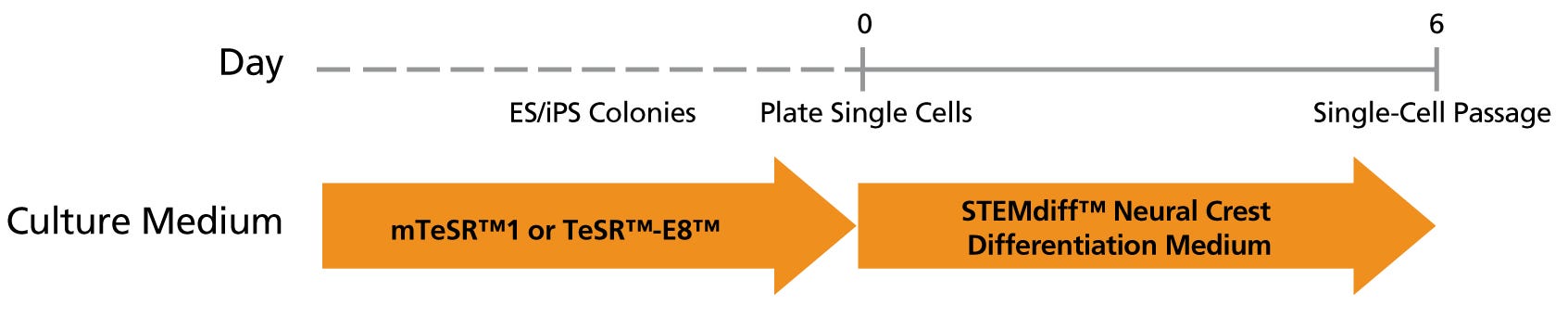
  • 快速:采用简单的单层培养方案,仅需六天即可生成神经嵴细胞
  • 高效:生成的多能神经嵴细胞纯度超过70%
  • 多能性:所生成的细胞具有多向分化能力,可进一步分化为外周神经元、软骨细胞和成骨细胞等
  • 多用途:兼容在 mTeSR™1、mTeSR™ Plus 或 TeSR™-E8™ 培养体系中维持的人胚胎干细胞(hESC)和诱导多能干细胞(hiPSC)

产品组分包括

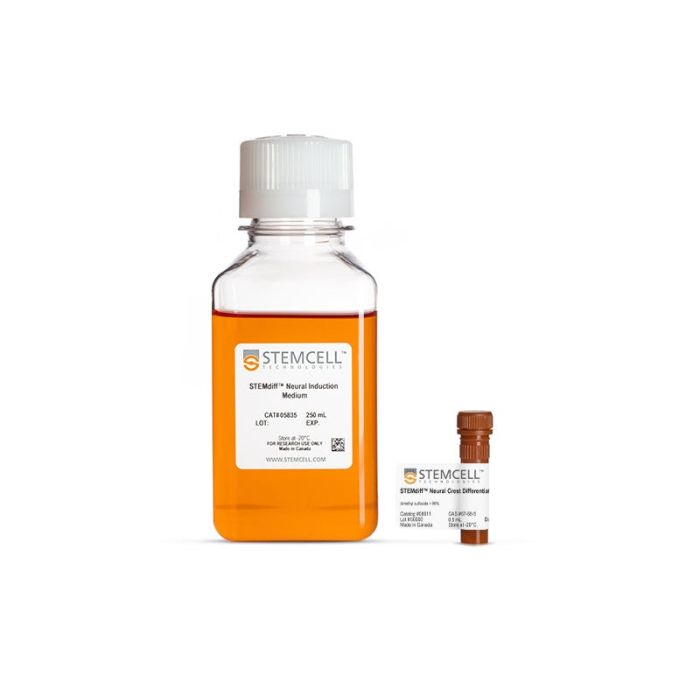
  • STEMdiff™ 神经诱导培养基,250 mL(目录编号:05835)
  • STEMdiff™ 神经嵴分化补充剂,0.5 mL
Need a high-quality cell source? Use the hiPSC SCTi003-A (female) or SCTi004-A (male) control lines, manufactured with mTeSR™ Plus.

总览

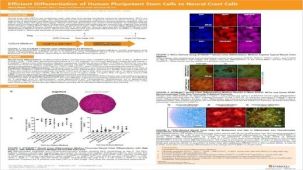
STEMdiff™ 神经嵴分化试剂盒提供无血清培养基,使人胚胎干细胞(ES细胞)和诱导多能干细胞(iPS细胞)分化为神经嵴细胞。这些神经嵴细胞以 SOX10 和 CD271 等神经嵴标志物为特征,并可进一步分化为多种下游细胞类型,包括软骨细胞、成骨细胞和周围神经元。

该培养基兼容在以下培养体系中维持的人ES和iPS细胞:mTeSR™1(目录编号:85850)、mTeSR™ Plus(目录编号:100-0276)或 TeSR™-E8™(目录编号:05990)。

分类
专用培养基
 
细胞类型
神经细胞,PSC衍生,神经干/祖细胞,神经元,多能干细胞
 
种属

 
应用
细胞培养,分化,细胞毒性检测
 
品牌
STEMdiff
 
研究领域
疾病建模,药物发现和毒理检测,神经科学,干细胞生物学
 
制剂类别
无血清
 

实验数据

Figure 1.

Neural crest cells are produced using STEMdiff™ Neural Crest Differentiation Kit after 6 days in culture. For information on continued passage of neural crest cells, contact us at techsupport@stemcell.com

STEMdiff™ Neural Crest Differentiation Kit Generates a Highly Pure Population of NCCs with Minimal CNS-type Progenitors

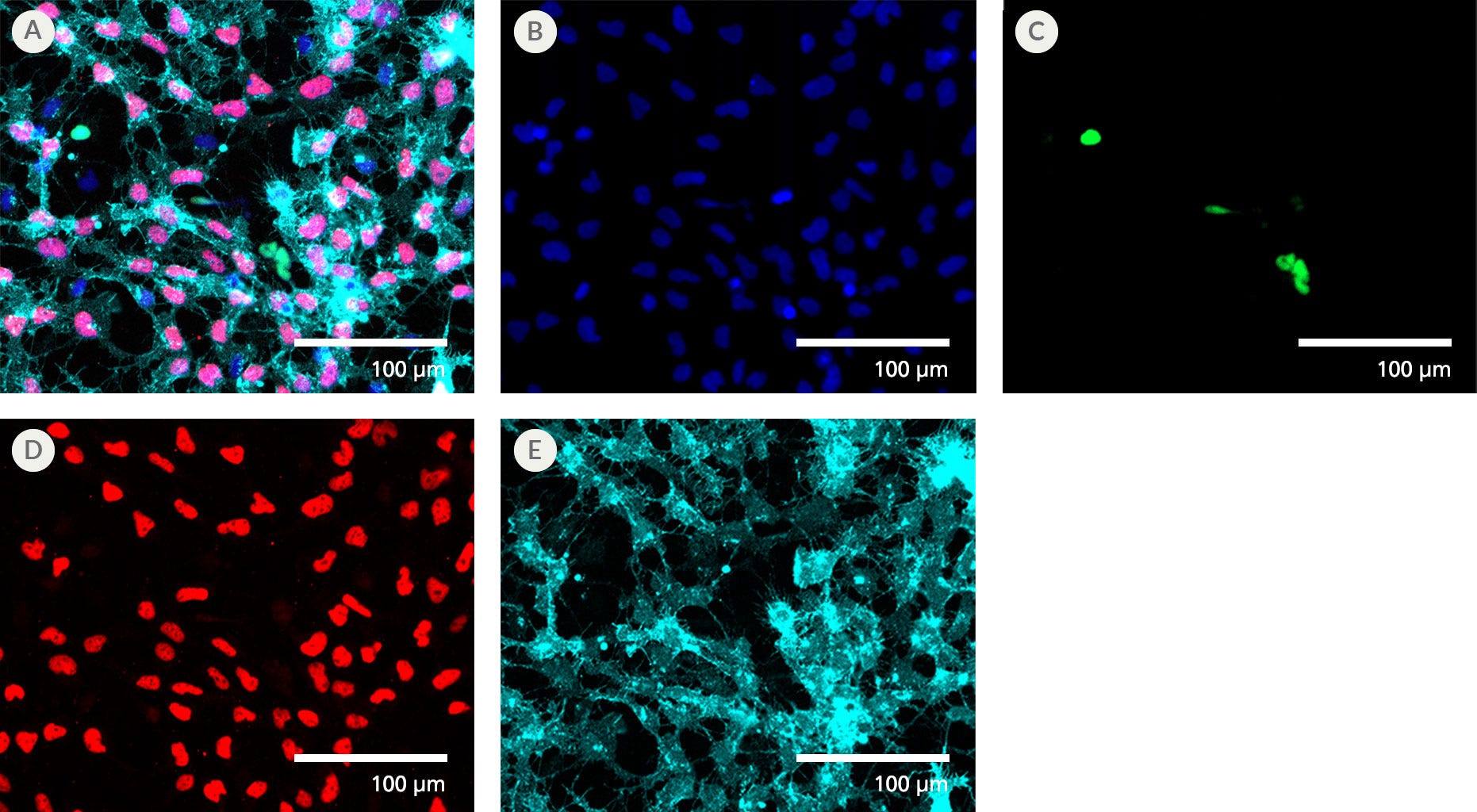
Figure 2. STEMdiff™ Neural Crest Differentiation Kit Generates a Highly Pure Population of NCCs with Minimal CNS-type Progenitors

After 6 days in culture, neural crest cells (NCCs; SOX10+, red; CD271+, light blue) outnumber CNS-type progenitors (PAX6+, green). (A) Channel merge of cells fixed 2 days after being passaged on day 6. Individual immunofluorescence channels show (B) DAPI, (C) PAX6, (D) SOX10, and (E) CD271. Scale bar = 100 μm.

NCCs Generated with the STEMdiff™ Neural Crest Differentiation Kit Are Multipotent

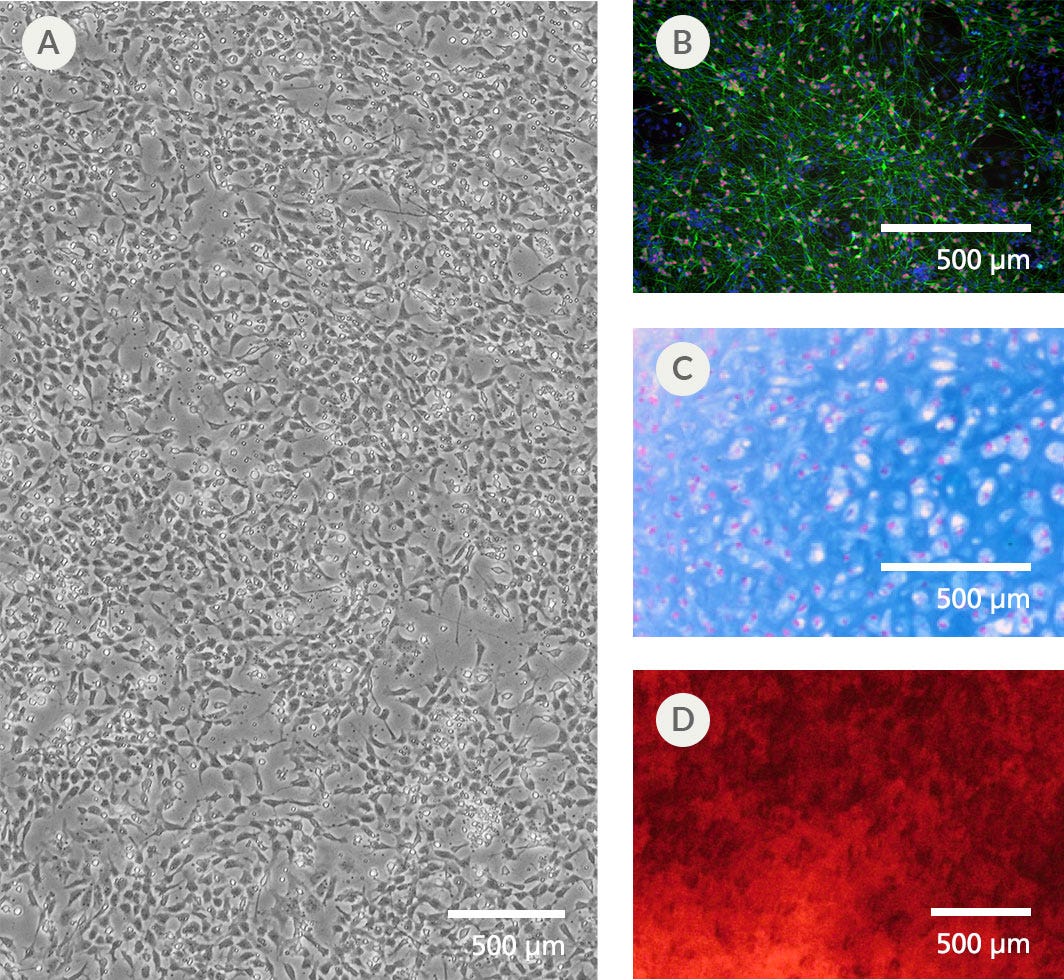
Figure 3. NCCs Generated with the STEMdiff™ Neural Crest Differentiation Kit Are Multipotent

NCCs (A) were cultured for 6 days and display typical morphology. (B) Culturing NCCs using established protocols generates peripheral neurons (Peripherin, green; BRN3a, red; DAPI, blue). (C) Passaging NCCs into MesenCult™-ACF Plus Medium and then into the MesenCult™-ACF Chondrogenic Differentiation Kit generates a chondrocyte pellet (Alcian Blue, Nuclear Fast Red) with deposition of cartilage around the cells. (D) Passaging NCCs into MesenCult™-ACF Plus Medium and then into the MesenCult™ Osteogenic Differentiation Kit (Human) generates an osteoblast culture with high levels of alkaline phosphatase-positive mineral deposition. Scale bar = 500 μm (A-C), 1 mm (D).

产品说明书及文档

请在《产品说明书》中查找相关支持信息和使用说明,或浏览下方更多实验方案。

Document Type
Product Name
Catalog #
Lot #
Language
Catalog #
08610
Lot #
All
Language
English
Document Type
Safety Data Sheet
Catalog #
08610
Lot #
All
Language
English

应用领域

本产品专为以下研究领域设计,适用于工作流程中的高亮阶段。探索这些工作流程,了解更多我们为各研究领域提供的其他配套产品。

相关材料与文献

技术资料 (6)

文献 (3)

Reaching a cell monolayer at the end of hiPSC differentiation enhances neural crest lineage commitment F. M. Duarte et al. PLOS One 2025 Sep

Abstract

Neural crest stem cells (NCSCs) compose a highly migratory, multipotent, stem cell population arising from the neural plate border of the embryonic ectoderm. Investigating the development of NCSCs is critical in understanding both embryonic development and abnormal events that underlie neurocristopathies. Suggested seeding densities in in vitro human induced pluripotent stem cells (hiPSCs) differentiation protocols, varying between 10,000 cells/cm 2 and 200,000 cells/cm 2 , demonstrate a lack of consensus on the optimal conditions to obtain NCSCs. Aiming to maximize the differentiation efficiency of hiPSCs towards the NCSCs lineage, we investigated the effect of the initial seeding density on NCSCs lineage commitment, both in fibroblast- and human peripheral blood mononuclear cell (PBMC)-derived hiPSCs. Cultures were characterized with gene and protein expression analysis assessing stemness ( OCT3/4 and NANOG ), neural crest identity ( SNAI2 and SOX10 ) and neuroectoderm identity ( PAX6 and SOX1 ). We demonstrate that reaching a confluent monolayer of cells by the end of the differentiating protocol is crucial to obtaining NCSCs from hiPSCs. To achieve this, our results indicated 17,000 cells/cm 2 is the optimal initial seeding density. Under this protocol, a confluent monolayer was reached after 8 days of differentiation and an average of 89% SOX10 positive cells were obtained. The fold change of SNAI2 and SOX10 expression was 11-fold and 17-fold higher, respectively, in cultures seeded with 17,000 cells/cm 2 , compared to the highest tested density of 200,000 cells/cm 2 . In contrast, seeding 200,000 cells/cm 2 induced neuroectoderm-like cells, confirmed by an average of 45% of cells marking positive for PAX6. With this work, we demonstrate the importance of achieving cellular confluency during NCSCs differentiation.
GABA B Receptor Modulation of Membrane Excitability in Human Pluripotent Stem Cell‐Derived Sensory Neurons by Baclofen and α‐Conotoxin Vc1.1 M. S. Clair‐Glover et al. Journal of Neurochemistry 2025 Jan

Abstract

GABA B receptor (GABA B R) activation is known to alleviate pain by reducing neuronal excitability, primarily through inhibition of high voltage‐activated (HVA) calcium (Ca V 2.2) channels and potentiating G protein–coupled inwardly rectifying potassium (GIRK) channels. Although the analgesic properties of small molecules and peptides have been primarily tested on isolated murine dorsal root ganglion (DRG) neurons, emerging strategies to develop, study, and characterise human pluripotent stem cell (hPSC)‐derived sensory neurons present a promising alternative. In this study, hPSCs were efficiently differentiated into peripheral DRG‐induced sensory neurons (iSNs) using a combined chemical and transcription factor‐driven approach via a neural crest cell intermediate. Molecular characterisation and transcriptomic analysis confirmed the expression of key DRG markers such as BRN3A, ISLET1, and PRPH, in addition to GABA B R and ion channels including Ca V 2.2 and GIRK1 in iSNs. Functional characterisation of GABA B R was conducted using whole‐cell patch clamp electrophysiology, assessing neuronal excitability under current‐clamp conditions in the absence and presence of GABA B R agonists baclofen and α‐conotoxin Vc1.1. Both baclofen (100 μM) and Vc1.1 (1 μM) significantly reduced membrane excitability by hyperpolarising the resting membrane potential and increasing the rheobase for action potential firing. In voltage‐clamp mode, baclofen and Vc1.1 inhibited HVA Ca 2+ channel currents, which were attenuated by the selective GABA B R antagonist CGP 55845. However, modulation of GIRK channels by GABA B Rs was not observed in the presence of baclofen or Vc1.1, suggesting that functional GIRK1/2 channels were not coupled to GABA B Rs in hPSC‐derived iSNs. This study is the first to report GABA B R modulation of membrane excitability in iSNs by baclofen and Vc1.1, highlighting their potential as a future model for studying analgesic compounds.
CFAP300 Loss-of-Function Mutations with Primary Ciliary Dyskinesia: Evidence from Ex Vivo and ALI Cultures A. G. Demchenko et al. International Journal of Molecular Sciences 2025 Aug

Abstract

Primary ciliary dyskinesia (PCD) is a genetically heterogeneous disorder characterized by impaired mucociliary clearance due to defects in motile cilia. This study investigates the impact of loss-of-function mutations in the CFAP300 gene on the ciliary structure and function in three PCD patients. Using a multimodal approach, we integrated molecular genetic testing, transmission electron microscopy, the high-speed video microscopy assay and immunofluorescence staining to analyze ciliary motility and protein expression in both ex vivo and in vitro-obtained ciliary cells. Our results revealed that the pathogenic variant c.198_200delinsCC (p.Phe67ProfsTer10) in CFAP300 led to the absence of the functional CFAP300 protein, the complete loss of outer and inner dynein arms and immotile cilia. Air–liquid interface (ALI)-cultured cells from patients exhibited no ciliary beating, contrasting with healthy controls. Immunostaining confirmed the absence of CFAP300 in patient-derived cilia, underscoring its critical role in dynein arm assembly. These findings highlight the diagnostic utility of ALI cultures combined with functional and protein analyses for PCD, offering a clinically actionable framework that can be readily incorporated into standard diagnostic workflows.

更多信息

更多信息
物种 人类
配方 无血清
质量保证:

产品仅供研究使用,不用于针对人或动物的诊断或治疗。 欲获悉更多关于STEMCELL的质控信息,请访问 STEMCELL.CN/COMPLIANCE.
Copyright © 2025 by STEMCELL Technologies. All rights reserved.

在线联系