若您需要咨询产品或有任何技术问题,请通过官方电话 400 885 9050 或邮箱 info.cn@stemcell.com 与我们联系。

STEMdiff™ 中脑神经元分化试剂盒

用于将人胚胎干细胞(ES)和诱导多能干细胞(iPS)来源的神经祖细胞分化为中脑模式的神经前体细胞的分化试剂盒
只有 %1
¥5,152.00

产品号 #(选择产品)

产品号 #100-0038_C

用于将人胚胎干细胞(ES)和诱导多能干细胞(iPS)来源的神经祖细胞分化为中脑模式的神经前体细胞的分化试剂盒

产品优势

  • 成分明确且无血清
  • 支持从 hPSC 衍生的神经元前体细胞高效生成中脑样功能神经元
  • 产生大量 TH 阳性神经元 (> 15%),可在培养中长期维持
  • 针对使用 STEMdiff™ SMADi 神经诱导试剂盒生成的神经元祖细胞的分化进行了优化
  • 能够从多个人类ES和iPS细胞系中重复生成中脑型神经元前体

产品组分包括

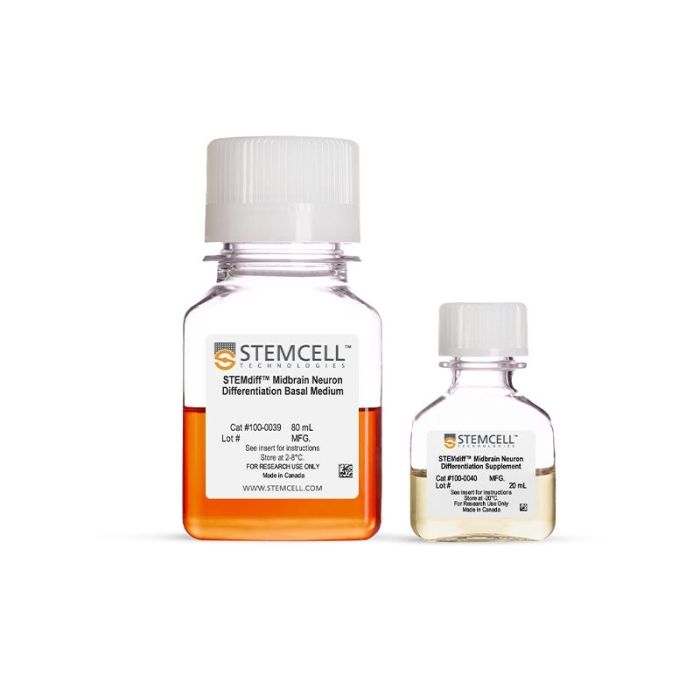
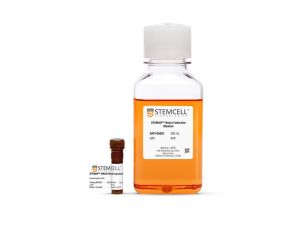
  • STEMdiff™ 中脑神经元分化基础培养基,80 mL
  • STEMdiff™ 中脑神经元分化补充剂,20 mL
Need a high-quality cell source? Use the hiPSC SCTi003-A (female) control line, manufactured with mTeSR™ Plus.
专为您的实验方案打造的产品
要查看实验方案所需的所有配套产品,请参阅《实验方案与技术文档》

总览

STEMdiff™ 中脑神经元分化试剂盒(目录号:100-0038)用于从人多能干细胞(hPSCs)经 STEMdiff™ SMADi 神经诱导试剂盒(目录号:08581)诱导得到的神经祖细胞(NPCs)中生成中脑神经前体细胞。之后,使用 STEMdiff™ 中脑成熟试剂盒(目录号:100-0041)进一步将中脑神经元前体细胞成熟为中脑神经元。该系列培养基将产生中脑神经元群(≥ 15% TH 阳性多巴胺能神经元;≥ 90% III 类 β 微管蛋白阳性神经元;< 10% GFAP 阳性星形胶质细胞)。使用这些产品衍生的细胞可作为构建人类神经发育和疾病模型建立、药物筛选、毒性测试和细胞疗法验证的多功能工具。

分类
专用培养基
 
细胞类型
多巴胺能神经元,神经细胞,PSC衍生,神经干/祖细胞
 
种属

 
应用
细胞培养,分化
 
品牌
STEMdiff
 
研究领域
疾病建模,药物发现和毒理检测,神经科学
 
制剂类别
无血清
 

实验数据

Experimental Protocol for STEMdiff™ Midbrain Neuron Differentiation and Maturation Kits (Embryoid Body Protocol)

Figure 1. Schematic for the Embryoid Body Protocol

Midbrain-type neural precursors can be generated in 18 - 19 days from hPSC-derived neural progenitor cells (NPCs) after selecting neural rosettes from replated embryoid bodies. For the maturation of precursors to midbrain-type neurons, including dopaminergic neurons, see the PIS.

Experimental Protocol for STEMdiff™ Midbrain Neuron Differentiation and Maturation Kits (Monolayer Protocol)

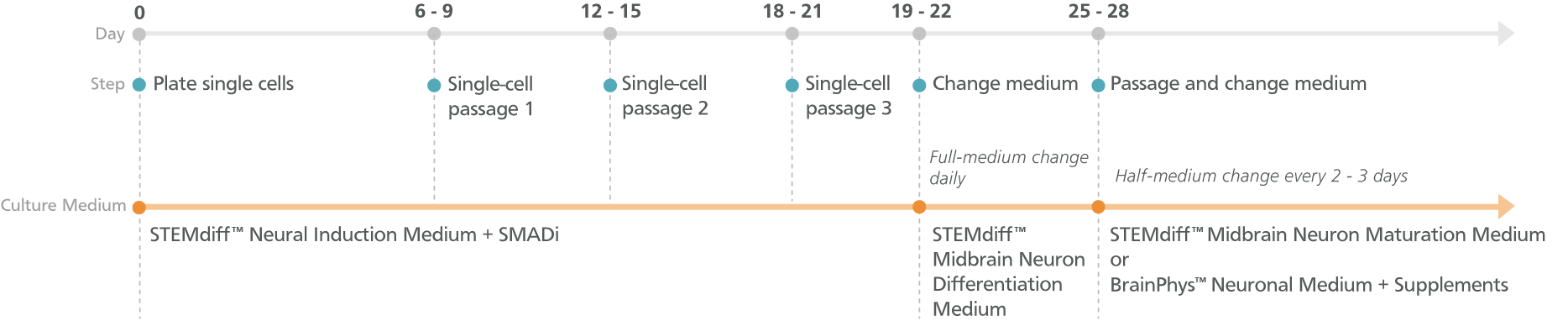
Figure 2. Schematic for the Monolayer Protocol

Midbrain-type neural precursors can be generated from neural progenitor cell (NPC) monolayers derived from embryonic and induced pluripotent stem cells after three single-cell passages. For the maturation of precursors to midbrain-type neurons, including dopaminergic neurons, see the PIS.

Midbrain-Type Neurons Arise From Neural Progenitor Cells After Culture in STEMdiff™ SMADi Neural Induction Kit and STEMdiff™ Midbrain Culture System

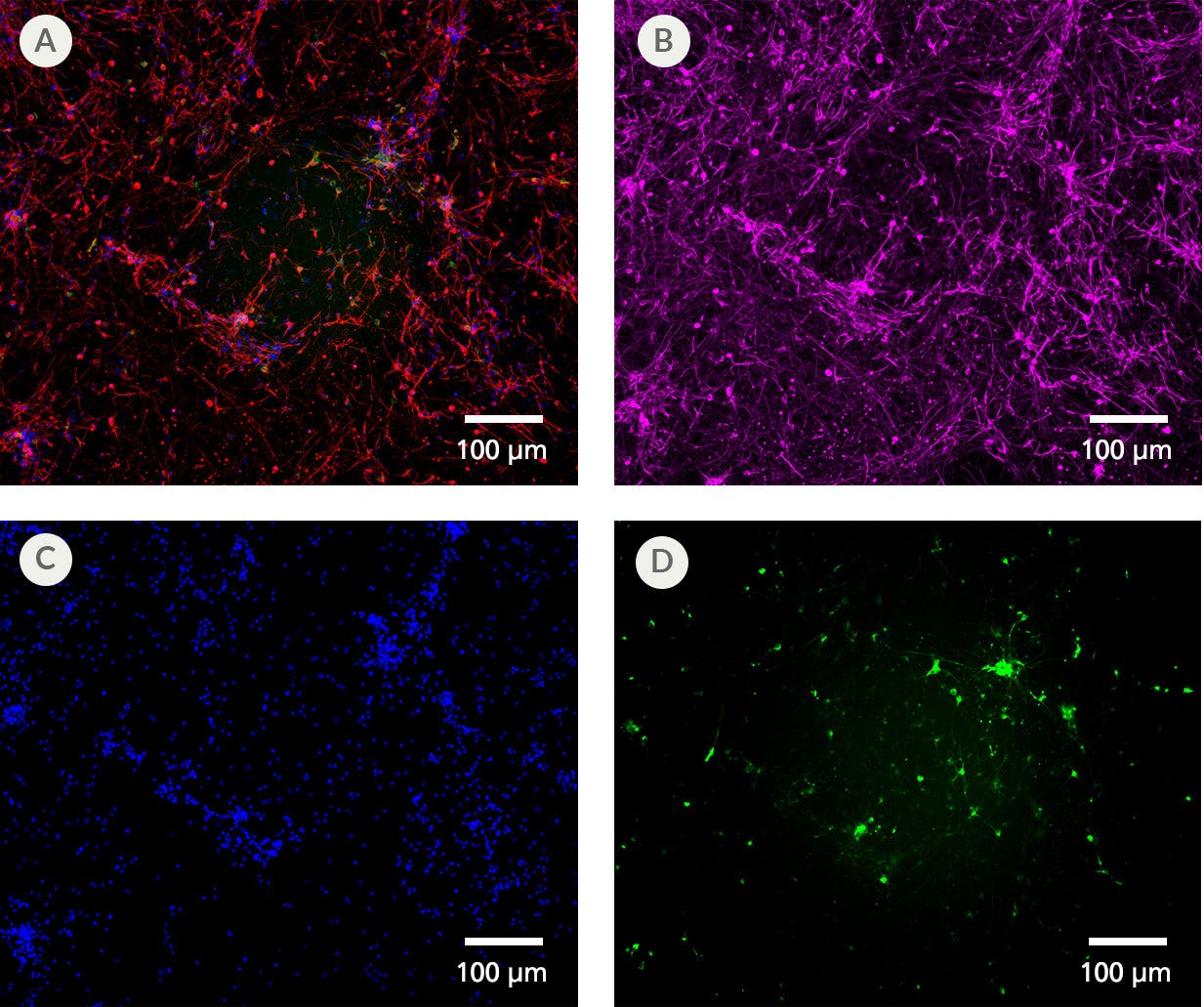
Figure 3. Midbrain-Type Neurons Are Generated After Culture in STEMdiff™ Midbrain Neuron Differentiation and Maturation Kits

NPCs generated from H1 hPSCs in mTeSR™1 using the STEMdiff™ SMADi Neural Induction Kit embryoid body (EB) protocol were differentiated and matured to midbrain-type neurons using the STEMdiff™ Midbrain Neuron Differentiation and Maturation Kits. (A) Midbrain-type neurons were formed after hPSC-derived NPCs were cultured with the STEMdiff™ Midbrain Neuron Differentiation Kit for 12 days and STEMdiff™ Midbrain Neuron Maturation Kit for 14 days. The resulting cultures contain a population of (B) class III β-tubulin-positive neurons (magenta), with (D) more than 15% Tyrosine Hydroxylase-positive cells (green). (C) Nuclei are labeled with DAPI (blue).

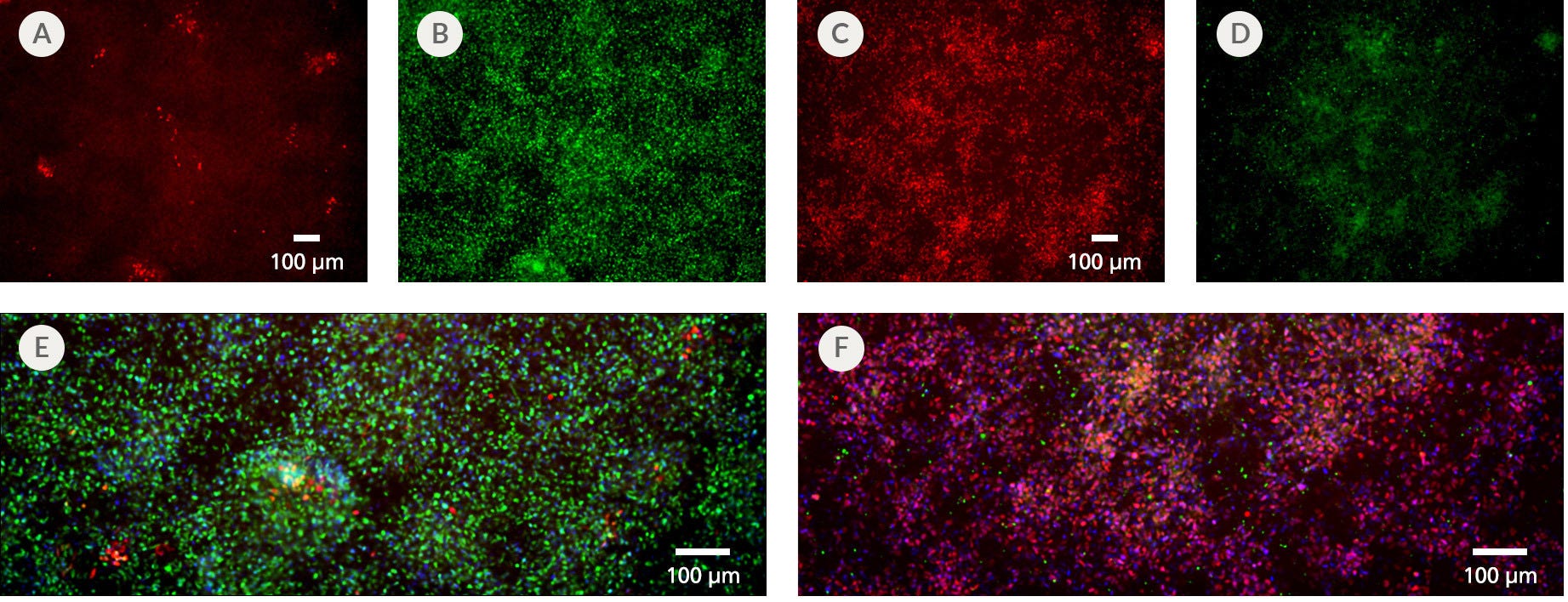
Figure 4. Midbrain-Type Neural Precursor Cells Express Characteristic Markers After Culture in STEMdiff™ Midbrain Neuron Differentiation Kit

NPCs generated from STiPS-F016 hPSCs in mTeSR™1 using the STEMdiff™ SMADi Neural Induction Kit monolayer protocol were differentiated to midbrain-type neural precursors using STEMdiff™ Midbrain Neuron Differentiation Kit for 7 days. (A) Midbrain-type neural precursor cell cultures contain a population of (A) FOXA2-expressing cells (red) and (B) NKX2.1-expressing cells (green). Merge image in (E) showing the bottom half of the same FOV includes DAPI-labeled nuclei (blue) and shows non-overlapping marker expression. The resulting neural precursor cultures also express (C) OTX2 (red) and are negative for (D) central nervous system NPC marker PAX6 (green). Merge image in (F) showing the bottom half of the same FOV includes nuclei that are labeled with DAPI (blue).

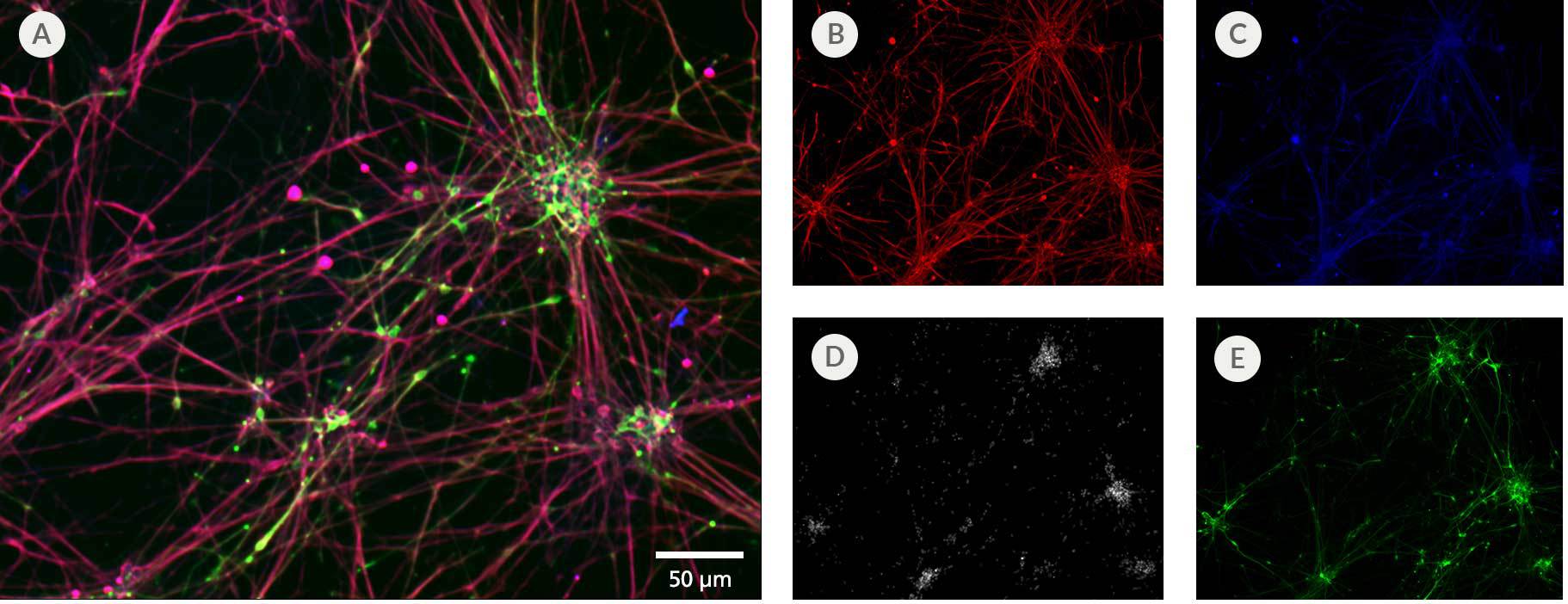
Figure 5. Midbrain-Type Neurons Express Dopamine Transporters (DAT) After Differentiation and Maturation in STEMdiff™ Midbrain Neuron Kits

NPCs generated from H9 hPSCs in mTeSR™1 using the STEMdiff™ SMADi Neural Induction Kit monolayer protocol were differentiated and matured to midbrain-type neurons using the STEMdiff™ Midbrain Neuron Differentiation and Maturation Kits. (A) Midbrain-type neurons were formed after NPCs were cultured with the STEMdiff™ Midbrain Neuron Differentiation Kit for 12 days and STEMdiff™ Midbrain Neuron Maturation Kit for 14 days. The resulting cultures contain a population of (B) class III β-tubulin-positive neurons (magenta), which (C) express DAT in blue, and (E) Tyrosine Hydroxylase-positive cells (green). (D) Nuclei are labeled with DAPI (white).

产品说明书及文档

请在《产品说明书》中查找相关支持信息和使用说明,或浏览下方更多实验方案。

Document Type
Product Name
Catalog #
Lot #
Language
Catalog #
100-0038
Lot #
All
Language
English
Document Type
Safety Data Sheet 1
Catalog #
100-0038
Lot #
All
Language
English
Document Type
Safety Data Sheet 2
Catalog #
100-0038
Lot #
All
Language
English

应用领域

本产品专为以下研究领域设计,适用于工作流程中的高亮阶段。探索这些工作流程,了解更多我们为各研究领域提供的其他配套产品。

相关材料与文献

技术资料 (17)

文献 (2)

Reassessment of marker genes in human induced pluripotent stem cells for enhanced quality control Nature Communications 2024 Oct

Abstract

Human induced pluripotent stem cells (iPSCs) have great potential in research, but pluripotency testing faces challenges due to non-standardized methods and ambiguous markers. Here, we use long-read nanopore transcriptome sequencing to discover 172 genes linked to cell states not covered by current guidelines. We validate 12 genes by qPCR as unique markers for specific cell fates: pluripotency (CNMD, NANOG, SPP1), endoderm (CER1, EOMES, GATA6), mesoderm (APLNR, HAND1, HOXB7), and ectoderm (HES5, PAMR1, PAX6). Using these genes, we develop a machine learning-based scoring system, “hiPSCore”, trained on 15 iPSC lines and validated on 10 more. hiPSCore accurately classifies pluripotent and differentiated cells and predicts their potential to become specialized 2D cells and 3D organoids. Our re-evaluation of cell fate marker genes identifies key targets for future studies on cell fate assessment. hiPSCore improves iPSC testing by reducing time, subjectivity, and resource use, thus enhancing iPSC quality for scientific and medical applications. Quality control, including pluripotency testing of human iPSCs lacks standardization. Here, authors identify and validate gene markers to develop the machine learning-based hiPSCore to streamline pluripotency testing and elevate iPSC quality.
Mechanical confinement matters: Unveiling the effect of two-photon polymerized 2.5D and 3D microarchitectures on neuronal YAP expression and neurite outgrowth A. Sharaf et al. Materials Today Bio 2024 Nov

Abstract

The effect of mechanical cues on cellular behaviour has been reported in multiple studies so far, and a specific aspect of interest is the role of mechanotransductive proteins in neuronal development. Among these, yes-associated protein (YAP) is responsible for multiple functions in neuronal development such as neuronal progenitor cells migration and differentiation while myocardin-related transcription factor A (MRTFA) facilitates neurite outgrowth and axonal pathfinding. Both proteins have indirectly intertwined fates via their signalling pathways. There is little literature investigating the roles of YAP and MRTFA in vitro concerning neurite outgrowth in mechanically confined microenvironments. Moreover, our understanding of their relationship in immature neurons cultured within engineered confined microenvironments is still lacking. In this study, we fabricated, via two-photon polymerization (2PP), 2.5D microgrooves and 3D polymeric microchannels, with a diameter range from 5 to 30 μm. We cultured SH-SY5Y cells and differentiated them into immature neuron-like cells on both 2.5D and 3D microstructures to investigate the effect of mechanical confinement on cell morphology and protein expression. In 2.5D microgrooves, both YAP and MRTFA nuclear/cytoplasmic (N/C) ratios exhibited maxima in the 10 μm grooves indicating a strong relation with mechanical-stress-inducing confinement. In 3D microchannels, both proteins’ N/C ratio exhibited minima in presence of 5 or 10 μm channels, a behaviour that was opposite to the ones observed in the 2.5D microgrooves and that indicates how the geometry and mechanical confinement of 3D microenvironments are unique compared to 2.5D ones due to focal adhesion, actin, and nuclear polarization. Further, especially in presence of 2.5D microgrooves, cells featured an inversely proportional relationship between YAP N/C ratio and the average neurite length. Finally, we also cultured human induced pluripotent stem cells (hiPSCs) and differentiated them into cortical neurons on the microstructures for up to 2 weeks. Interestingly, YAP and MRTFA N/C ratios also showed a maximum around the 10 μm 2.5D microgrooves, indicating the physiological relevance of our study. Our results elucidate the possible differences induced by 2.5D and 3D confining microenvironments in neuronal development and paves the way for understanding the intricate interplay between mechanotransductive proteins and their effect on neural cell fate within engineered cell microenvironments.

更多信息

更多信息
物种 人类
配方 无血清
质量保证:

产品仅供研究使用,不用于针对人或动物的诊断或治疗。 欲获悉更多关于STEMCELL的质控信息,请访问 STEMCELL.CN/COMPLIANCE.
Copyright © 2025 by STEMCELL Technologies. All rights reserved.

在线联系