若您需要咨询产品或有任何技术问题,请通过官方电话 400 885 9050 或邮箱 info.cn@stemcell.com 与我们联系。

STEMdiff™心室心肌细胞分化试剂盒

用于将人 PSC 分化为心室肌细胞以及长期维持人PSC衍生心肌细胞的无血清培养基
只有 %1
¥11,062.00

产品号 #(选择产品)

产品号 #05010_C

人PSCs向心室心肌细胞分化的无血清培养基和人PSCs来源的心肌细胞的长期维持

产品优势

  • 支持整个hscs衍生的心肌细胞工作流程
  • 简单的单层方案在15天内产生心肌细胞
  • 一个无血清试剂盒产生超过5000万个心肌细胞(cTnT+)
  • 在多个hPSC线之间具有最小可变性的稳健性能

产品组分包括

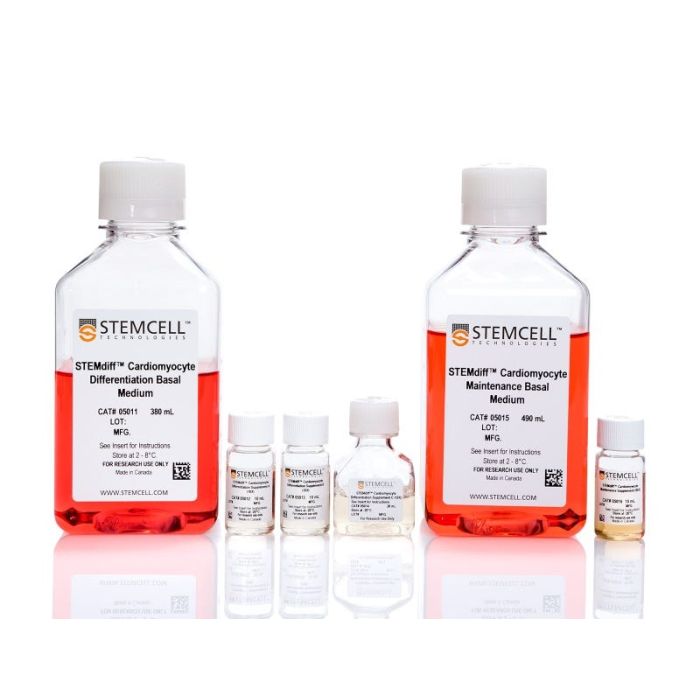
  • STEMdiff™心肌细胞分化基础培养基,380 mL
  • STEMdiff™心室心肌细胞分化补充剂A (10X), 10ml
  • STEMdiff™心室心肌细胞分化补充剂B (10X), 10ml
  • STEMdiff™心室心肌细胞分化补充剂C (10X), 20ml
  • STEMdiff™心肌细胞维持基础培养基,490 mL
  • STEMdiff™心肌细胞维持补充剂(50X), 10 mL
Need a high-quality cell source? Use the hiPSC SCTi003-A (female) or SCTi004-A (male) control lines, manufactured with mTeSR™ Plus.
专为您的实验方案打造的产品
要查看实验方案所需的所有配套产品,请参阅《实验方案与技术文档》
专为您的实验方案打造的产品
要查看实验方案所需的所有配套产品,请参阅《实验方案与技术文档》

总览

STEMdiff™ 心室肌细胞分化试剂盒(产品号 #05010)包含用于将人胚胎干细胞(ES)和诱导多能干细胞(iPS)(统称为人多能干细胞 [hPSCs])分化为心室肌细胞(肌钙蛋白T阳性 [cTnT+])的培养基,以及用于维持 hPSC 衍生心肌细胞的培养基。该试剂盒为无血清体系,可用于从以mTeSR™1(产品号 #85850)、mTeSR™ Plus(产品号 #100-0276)、TeSR™-AOF(产品号 #100-0401)或TeSR™-E8™(产品号 #05990)培养的hPSC团块中诱导分化出心室肌细胞。这些细胞中超过80%为cTnT+。平均每12孔板的单孔可收获1 x 10^6个细胞。

STEMdiff™ 心肌细胞维持试剂盒(产品号 #05020)包含维持基础培养基和补充剂,可用于长期维持hPSC衍生的心肌细胞一个月或更长时间。这些心肌细胞可用于各种下游应用和分析。

注:本产品原名为“STEMdiff™ 心肌细胞分化试剂盒”;产品本身和生产流程未发生变化,但名称已更新,以更准确地反映生成的细胞类型。


分类
专用培养基
 
细胞类型
心肌细胞,PSC衍生
 
种属

 
应用
细胞培养,分化,培养
 
品牌
STEMdiff
 
研究领域
疾病建模,药物发现和毒理检测,干细胞生物学
 
制剂类别
无血清
 

实验数据

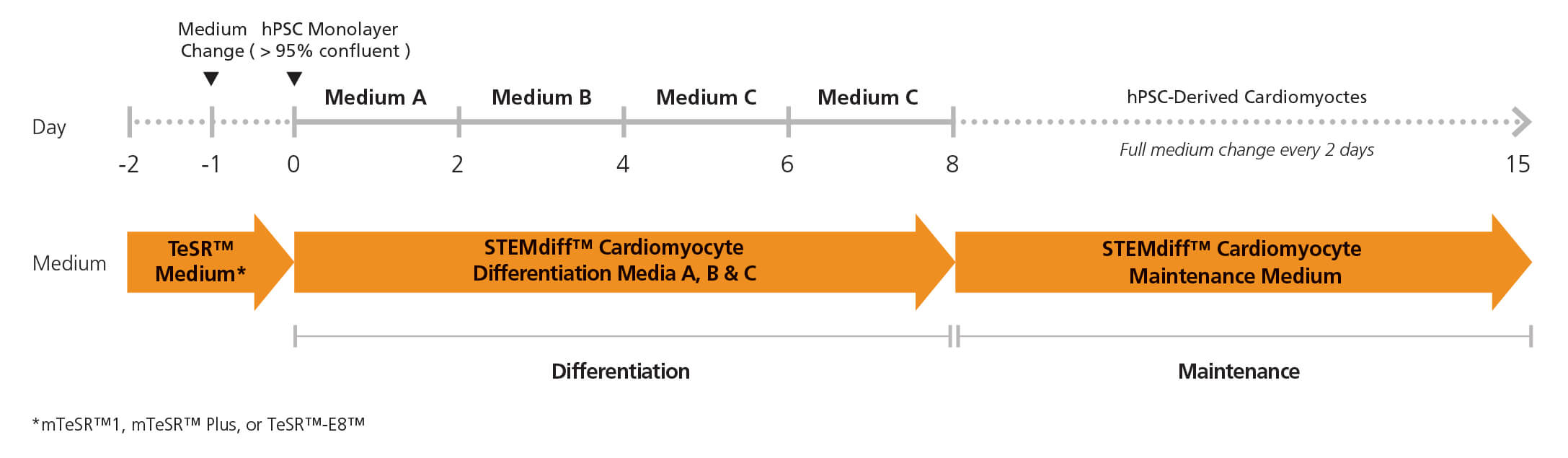
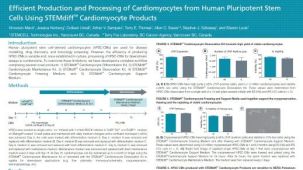
Figure 1. Cardiomyocyte Differentiation Protocol

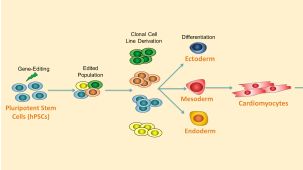
Two days before the differentiation protocol, hPSC colonies are harvested and seeded as single cells at 350,000 cells/well in a 12-well format in TeSR™ medium. After one day (Day -1), the medium is replaced with fresh TeSR™ medium. The following day (Day 0), the TeSR™ medium is replaced with Medium A (STEMdiff™ Cardiomyocyte Differentiation Basal Medium containing Supplement A) to begin inducing the cells toward a cardiomyocyte fate. On day 2, a full medium change is performed with fresh Medium B (STEMdiff™ Cardiomyocyte Differentiation Basal Medium containing Supplement B). On days 4 and 6, full medium changes are performed with fresh Medium C (STEMdiff™ Cardiomyocyte Differentiation Basal Medium containing Supplement C). On day 8, medium is switched to STEMdiff™ Cardiomyocyte Maintenance Medium with full medium changes on days 10, 12 and 14, to promote further differentiation into cardiomyocyte cells. Small beating areas of cardiomyocytes can be seen as early as day 8, progressing to a full lawn of beating cardiomyocytes that can be harvested as early as day 15.

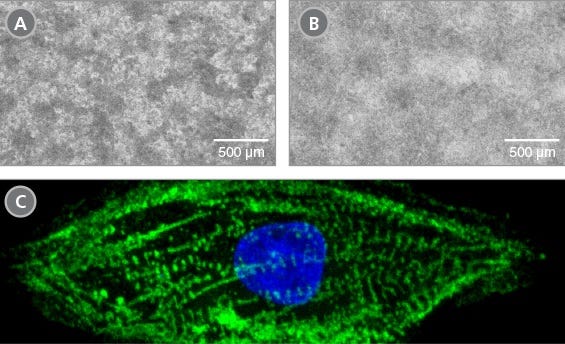
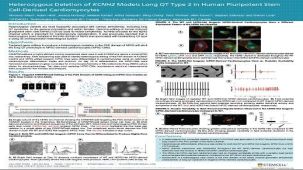
Figure 2. Morphology of hPSC-Derived Cardiomyocytes

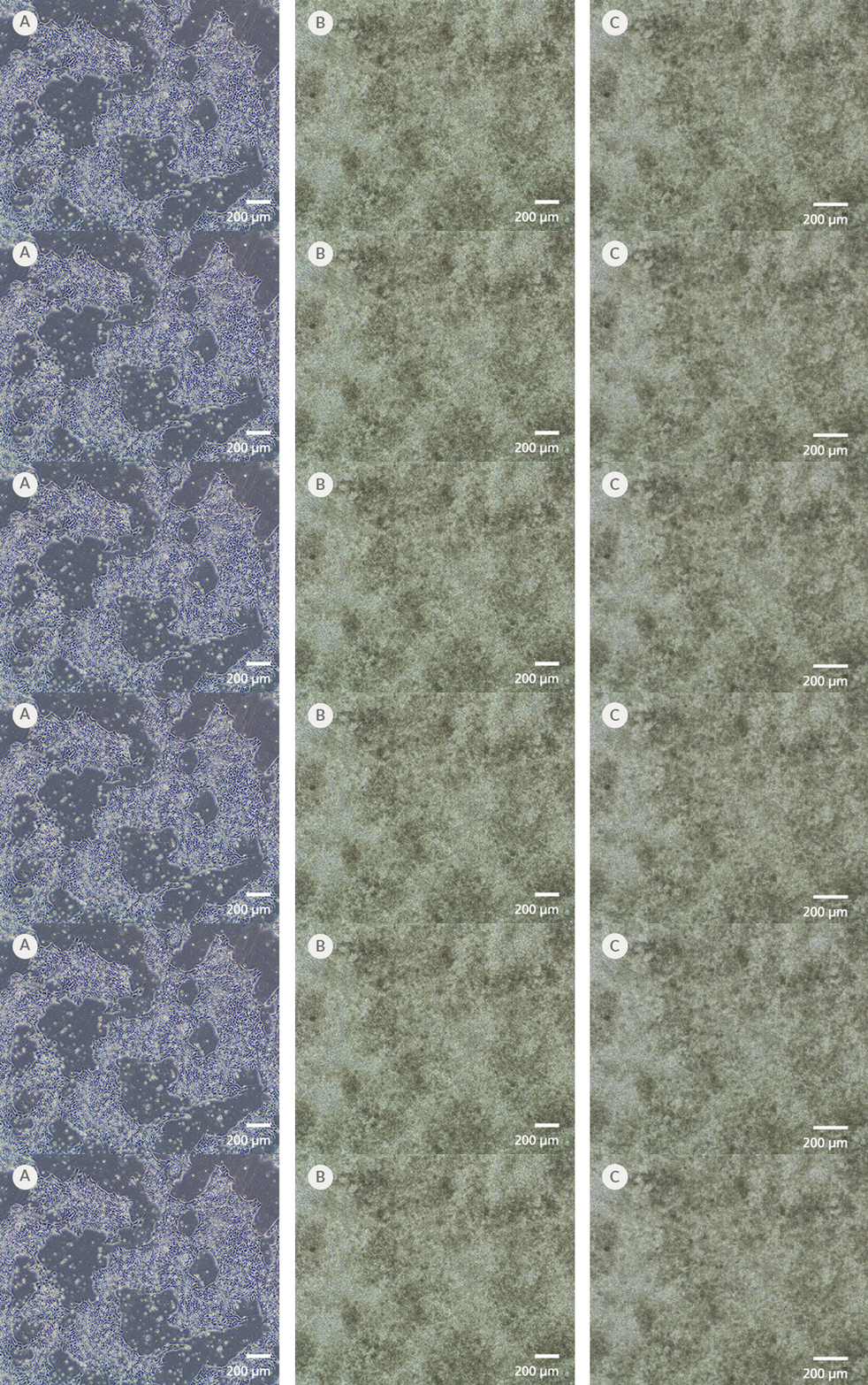
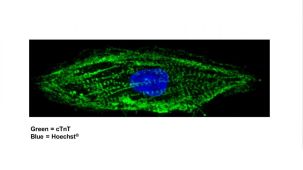
Representative images of (A) hES (H9) cells and (B) hiPS (WLS-1C) cells on day 15 of differentiation to cardiomyocytes using the STEMdiff™ Ventricular Cardiomyocyte Differentiation Kit. Differentiated cells exhibit typical cardiomyocyte morphology as an adherent, tightly packed web-like monolayer of beating cells. (C) Representative confocal microscopy image of a single hPSC-derived cardiomyocyte generated with the STEMdiff™ Ventricular Cardiomyocyte Differentiation Kit and stained with cTnT (green) and DAPI (blue).

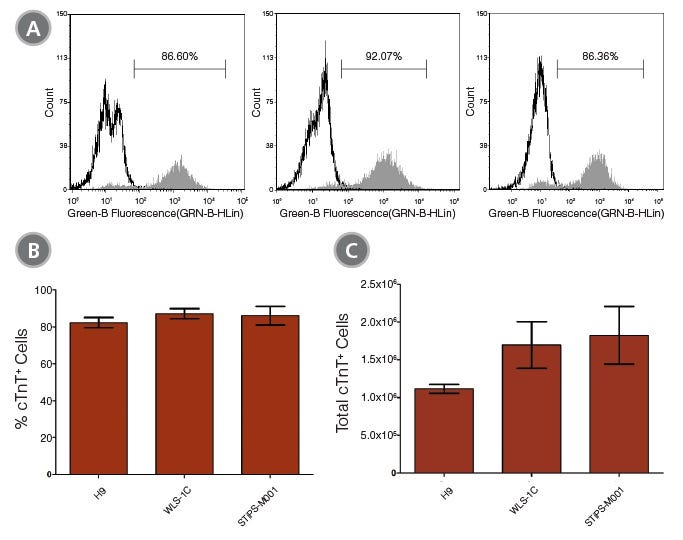
Figure 3. Efficient and Robust Generation of cTnT-Positive Cardiomyocytes

hES and hiPS cells were cultured for 15 days in single wells of 12-well plates using the STEMdiff™ Ventricular Cardiomyocyte Differentiation Kit. At the end of the culture period, cells were harvested and analyzed by flow cytometry for expression of cardiac troponin T (cTnT). (A) Histogram analysis for cardiomyocyte cell marker cTnT for cultures of hES (H9) and hiPS (WLS-1C and STiPS-M001) cells. (Filled = sample; blank = secondary antibody only control) (B,C) Percentages and total numbers of cells expressing cTnT in cultures of hES or hiPS cells are shown. Data shown as mean ± SEM; n=3.

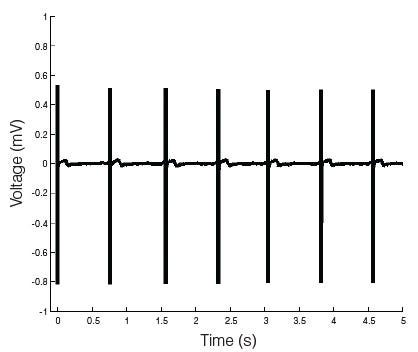
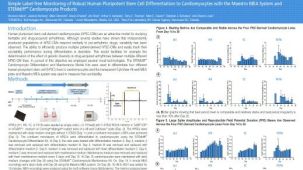
Figure 4. hPSC-Derived Cardiomyocytes Exhibit a Robust and Stable Excitability Profile

Microelectrode array (MEA) voltage recordings of cardiomyocytes (day 27) derived from human pluripotent stem cells generated and maintained with the STEMdiff™ Cardiomyocyte Differentiation and Maintenance Kits. The hPSC-derived cardiomyocytes have a characteristic electrical profile and stable beat rate. A large depolarization spike followed by a smaller repolarization deflection is observed.

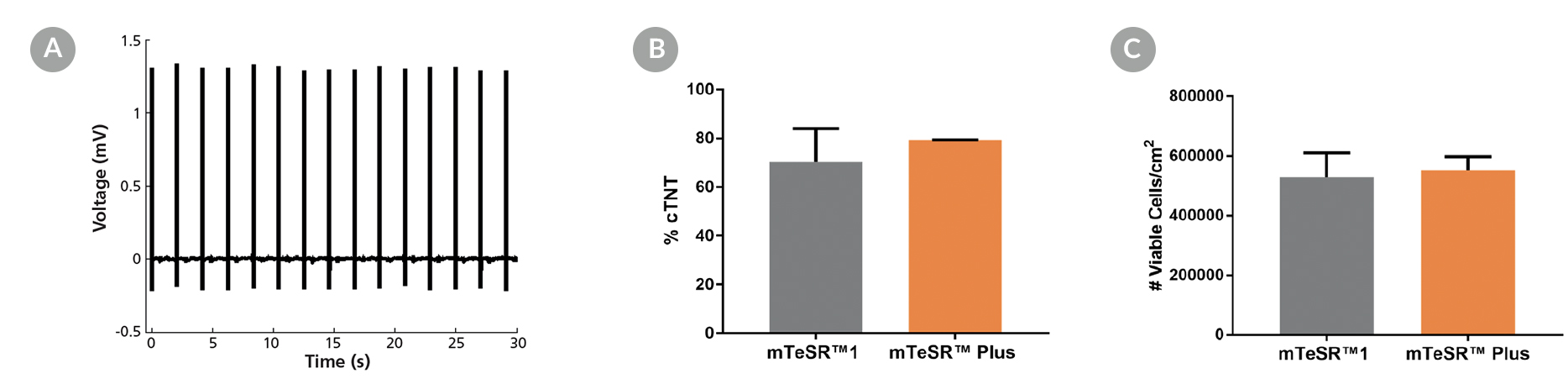
Microelectrode array and flow cytometry of human ES and iPS cells maintained in mTeSR™1 (daily feeds) or mTeSR™ Plus (restricted feeds) and differentiated to cardiomyocytes using the STEMdiff™ Ventricular Cardiomyocyte Differentiation Kit.

Figure 5. Generation of Cardiomyocytes from hPSCs Maintained in mTeSR™ Plus

Human ES (H9) and iPS (WLS-1C) cells were maintained in mTeSR™1 (daily feeds) or mTeSR™ Plus (restricted feeds) and differentiated to cardiomyocytes using the STEMdiff™ Ventricular Cardiomyocyte Differentiation Kit. At the end of the differentiation period, cells were harvested and analyzed by microelectrode array (MEA) and flow cytometry. (A) Representative MEA voltage recordings of cardiomyocytes (day 20) demonstrate a characteristic electrical profile and stable beat rate. (B) Percentages of cells expressing cTNT and (C) total number of viable cells harvested are shown. Data are expressed as the mean (± SEM); n=2.

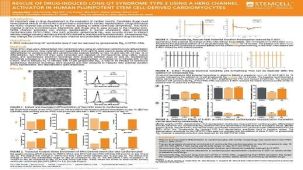
Microscopy images of iPSCdirect cells and differentiated ventral cardiomyocytes, and a video of coordinated contraction or beating behavior of cardiomyocytes in a culture dish

Figure 6. iPSCdirect™ SCTi003-A Human Pluripotent Stem Cells Can Successfully Differentiate into Ventricular Cardiomyocytes

Ventricular cardiomyocytes were generated from iPSCdirect™ SCTi003-A cells using STEMdiff™ Ventricular Cardiomyocyte Differentiation Kit (Catalog #05010). (A) 48 hours after thawing and plating in mTeSR™ Plus and CloneR™2, iPSCdirect™ cells reached the desired confluency and are ready for Day 0 of differentiation according to the STEMdiff™ Ventricular Cardiomyocyte Product Information Sheet. (B) By Day 15 of differentiation, monolayer cultures show iPSC-derived ventricular cardiomyocytes that (C) exhibit coordinated beating behavior.

产品说明书及文档

请在《产品说明书》中查找相关支持信息和使用说明,或浏览下方更多实验方案。

Document Type
Product Name
Catalog #
Lot #
Language
Catalog #
05010
Lot #
All
Language
English
Document Type
Safety Data Sheet 1
Catalog #
05010
Lot #
All
Language
English
Document Type
Safety Data Sheet 2
Catalog #
05010
Lot #
All
Language
English
Document Type
Safety Data Sheet 3
Catalog #
05010
Lot #
All
Language
English
Document Type
Safety Data Sheet 4
Catalog #
05010
Lot #
All
Language
English
Document Type
Safety Data Sheet 5
Catalog #
05010
Lot #
All
Language
English
Document Type
Safety Data Sheet 6
Catalog #
05010
Lot #
All
Language
English

应用领域

本产品专为以下研究领域设计,适用于工作流程中的高亮阶段。探索这些工作流程,了解更多我们为各研究领域提供的其他配套产品。

相关材料与文献

技术资料 (15)

文献 (16)

Gremlin1 repression-mediated mitochondrial network hyperfunction contributes to TCE-induced zebrafish cardiac defects Cell Communication and Signaling : CCS 2025 Jul

Abstract

BackgroundTrichloroethylene (TCE) is a ubiquitous pollutant with potential capacity to induce congenital heart disease (CHD). However, the mechanisms underlying TCE-induced CHD are largely unraveled.MethodsWe exposed zebrafish embryos to TCE to investigate its cardiac development toxicity and related response factor through bulk RNA sequencing. We constructed transgenic fluorescent fish and employed the CRISPR/dCas9 system along with single-cell RNA sequencing to identify the genetic cause of TCE-induced CHD.ResultsWe found that early-stage exposure to TCE induced significant cardiac defects characterized by elongated SV-BA distance, thinned myocardium, and attenuated contractility. Gremlin1 encoding gene, grem1a, a putative target showing high expression at the beginning of cardiac development, was sharply down-regulated by TCE. Consistently, grem1a knockdown in zebrafish induced cardiac phenotypes generally like those of the TCE-treated group, accompanying the disarrangement of myofibril structure. Single-cell RNA-seq depicted that mitochondrial respiration in grem1a-repressed cardiomyocytes was greatly enhanced, ultimately leading to a branch from the normal trajectory of myocardial development. Accordingly, in vitro results demonstrated that GREM1 repression increased mitochondrial content, ATP production, mitochondrial reactive oxygen species, mitochondrial membrane potential, and disrupted myofibril expansion in hPSC-CMs.ConclusionsThese results suggested that TCE-induced gremlin1 repression could result in mitochondrial hyperfunction, thereby hampering cardiomyocyte development and causing cardiac defects in zebrafish embryos. This study not only provided a novel insight into the etiology for environmental stressor-caused cardiac development defects, but also offered a potential therapeutic and preventive target for TCE-induced CHD.Supplementary InformationThe online version contains supplementary material available at 10.1186/s12964-025-02314-9.
Monkeypox virus protein H3L induces injuries in human and mouse Cell Death & Disease 2024 Aug

Abstract

Monkeypox virus (MPV) is known to inflict injuries and, in some cases, lead to fatalities in humans. However, the underlying mechanisms responsible for its pathogenicity remain poorly understood. We investigated functions of MPV core proteins, H3L, A35R, A29L, and I1L, and discovered that H3L induced transcriptional perturbations and injuries. We substantiated that H3L upregulated IL1A expression. IL1A, in consequence, caused cellular injuries, and this detrimental effect was mitigated when countered with IL1A blockage. We also observed that H3L significantly perturbed the transcriptions of genes in cardiac system. Mechanistically, H3L occupied the promoters of genes governing cellular injury, leading to alterations in the binding patterns of H3K27me3 and H3K4me3 histone marks, ultimately resulting in expression perturbations. In vivo and in vitro models confirmed that H3L induced transcriptional disturbances and cardiac dysfunction, which were ameliorated when IL1A was blocked or repressed. Our study provides valuable insights into comprehensive understanding of MPV pathogenicity, highlights the significant roles of H3L in inducing injuries, and potentially paves the way for the development of therapeutic strategies targeting IL1A.
Role of Blood Oxygen Saturation During Post-Natal Human Cardiomyocyte Cell Cycle Activities. L. Ye et al. JACC. Basic to translational science 2020 may

Abstract

Blood oxygen saturation (SaO2) is one of the most important environmental factors in clinical heart protection. This study used human heart samples and human induced pluripotent stem cell-cardiomyocytes (iPSC-CMs) to assess how SaO2 affects human CM cell cycle activities. The results showed that there were significantly more cell cycle markers in the moderate hypoxia group (SaO2: 75{\%} to 85{\%}) than in the other 2 groups (SaO2 {\textless}75{\%} or {\textgreater}85{\%}). In iPSC-CMs 15{\%} and 10{\%} oxygen (O2) treatment increased cell cycle markers, whereas 5{\%} and rapid change of O2 decreased the markers. Moderate hypoxia is beneficial to the cell cycle activities of post-natal human CMs.

更多信息

更多信息
物种 人类
配方 无血清

质量保证:
本产品仅供科研使用,除非另有说明,不得用于人体或动物的诊断或治疗用途。如需了解 STEMCELL 的质量体系,请访问www.stemcell.cn/compliance

Copyright © 2025 by STEMCELL Technologies. All rights reserved.

在线联系