若您需要咨询产品或有任何技术问题,请通过官方电话 400 885 9050 或邮箱 info.cn@stemcell.com 与我们联系。

STEMdiff™ 星形胶质细胞成熟试剂盒

用于从人 ES 和 iPS 细胞衍生的星形胶质细胞前体生成皮质型星形胶质细胞的成熟试剂盒
只有 %1
¥4,264.00

产品号 #(选择产品)

产品号 #100-0016_C

用于从人 ES 和 iPS 细胞衍生的星形胶质细胞前体生成皮质型星形胶质细胞的成熟试剂盒

产品优势

  • 支持高效生成具有功能性的星形胶质细胞
  • 针对使用 STEMdiff™ SMADi 神经诱导试剂盒生成的神经祖细胞的分化过程进行了优化
  • 能够实现多种人胚胎干细胞(ES)和诱导多能干细胞(iPS)系的皮层型星形胶质前体细胞的可重复成熟

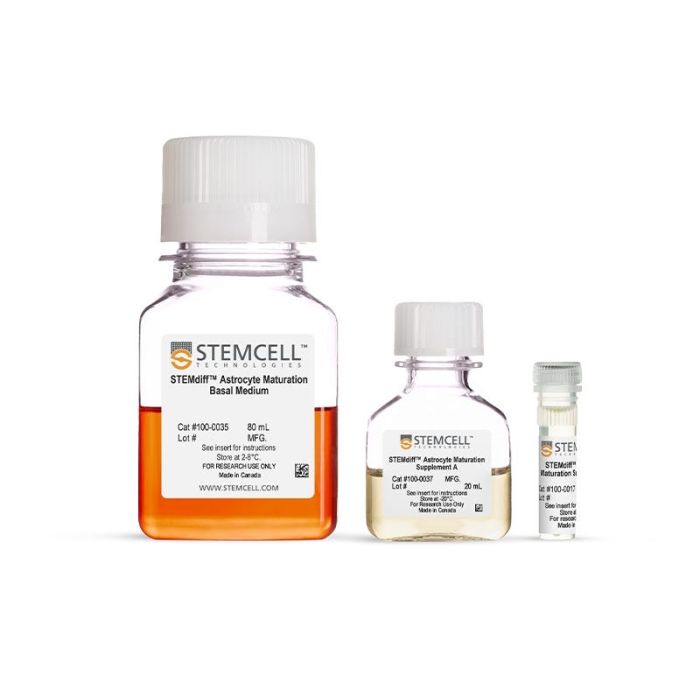
产品组分包括

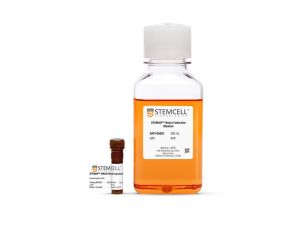
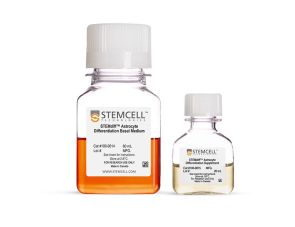
  • STEMdiff™ 星形胶质细胞成熟基础培养基,80 mL
  • STEMdiff™ 星形胶质细胞成熟补充剂 A,20 mL
  • STEMdiff™ 星形胶质细胞成熟补充剂 B,1 mL

总览

STEMdiff™ 星形胶质细胞成熟试剂盒用于快速高效地将通过 STEMdiff™ 星形胶质细胞分化试剂盒(目录号 #100-0016)从人类多能干细胞(hPSCs)衍生的星形胶质前体分化为皮层型的星形胶质细胞。使用该系统,最快可在 7 周内从 hPSC 中分离出高纯度的星形胶质细胞群(平均 S100B 阳性细胞 > 70%、GFAP 阳性细胞 > 60%;双皮质素阳性细胞 < 15%),并可在培养中长期维持。使用这些产品分离的细胞可作为构建人类神经发育和疾病模型、药物筛选、毒性测试和细胞疗法验证的多功能工具。

分类
专用培养基
 
细胞类型
星形胶质细胞,神经细胞,PSC衍生
 
种属

 
应用
细胞培养,分化,功能学筛选
 
品牌
STEMdiff
 
研究领域
疾病建模,药物发现和毒理检测,神经科学
 

实验数据

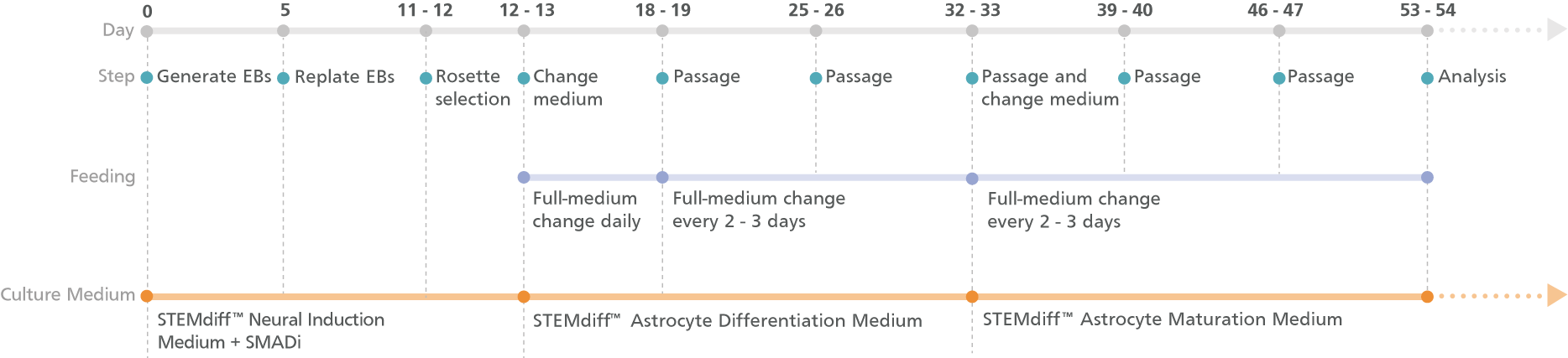
Experimental Protocol Schematic for STEMdiff™ Forebrain Neuron Differentiation and Maturation Kits (Embryoid Body Protocol)

Figure 1. Schematic for the Embryoid Body Protocol

Cortical-type astrocytes can be generated from astrocyte precursors after 20 days in STEMdiff™ Astrocyte Differentiation Medium. For differentiation of precursors from embryonic and induced pluripotent stem cells, see the PIS.

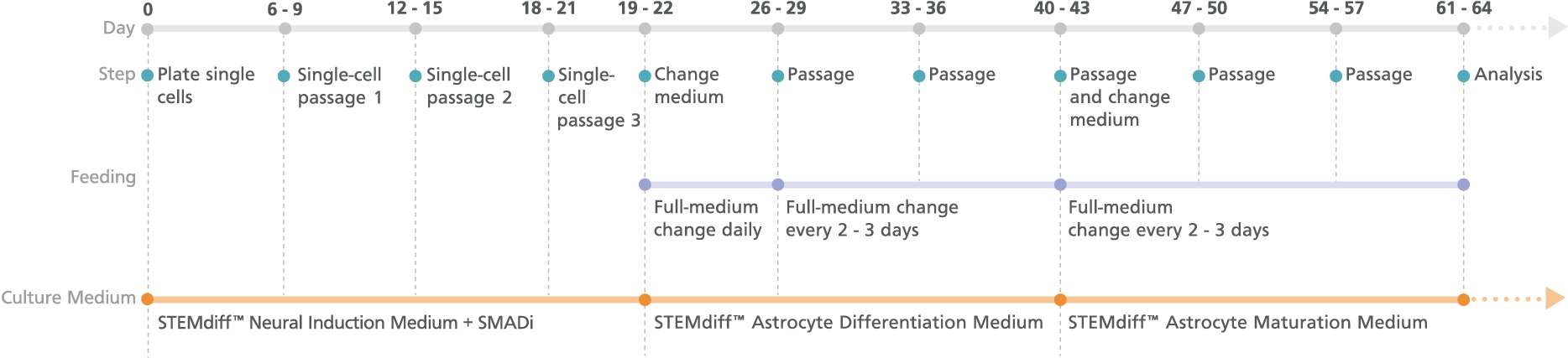
Experimental Protocol Schematic for STEMdiff™ Forebrain Neuron Differentiation and Maturation Kits (Monolayer Protocol)

Figure 2. Schematic for the Monolayer Protocol

Cortical-type astrocytes can be generated from astrocyte precursors after 21 days in STEMdiff™ Astrocyte Differentiation Medium. For differentiation of precursors from embryonic and induced pluripotent stem cells, see the PIS.

Culturing PSCs in STEMdiff™ SMADi Neural Induction Kit and STEMdiff™ Astrocyte Differentiation and Maturation Kits Yields Cortical-Type Astrocytes

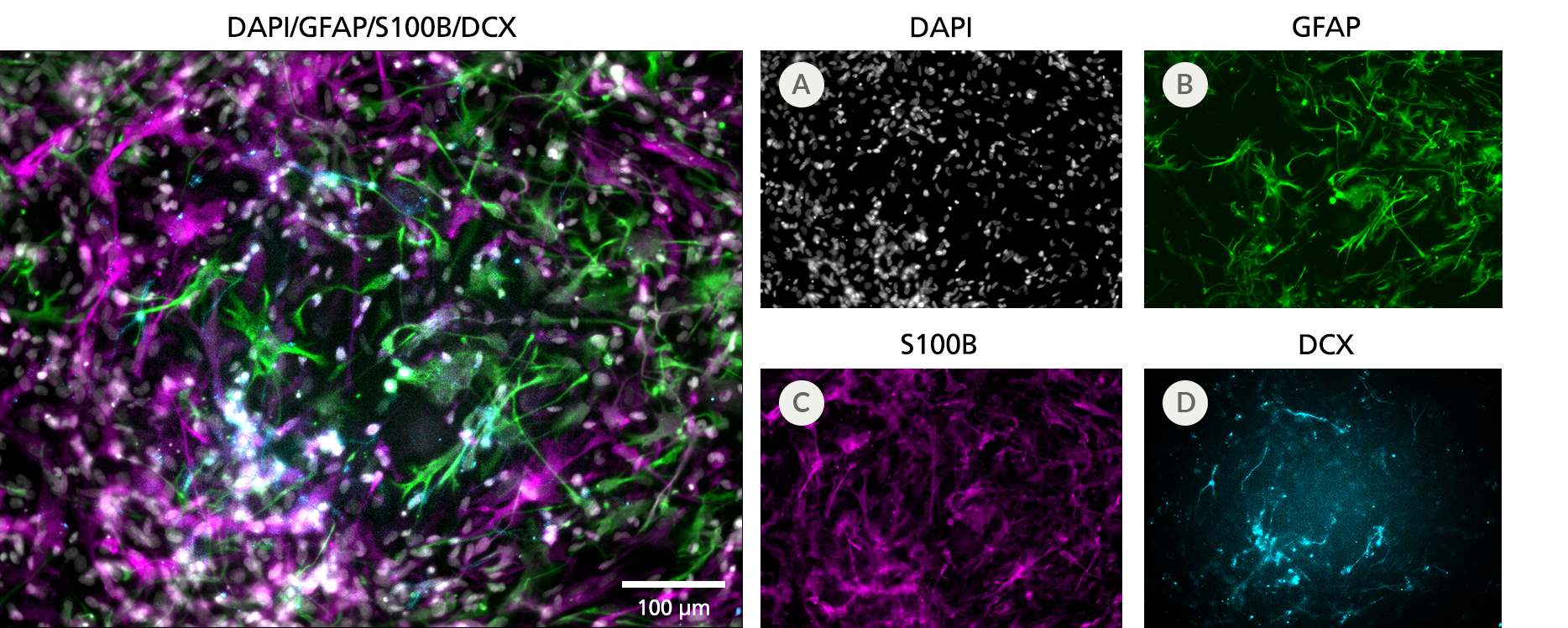
Figure 3. Cortical-Type Astrocytes Are Generated After Culture in STEMdiff™ Astrocyte Differentiation and Maturation Kits

NPCs generated from hPSCs in TeSR™-E8™ using the STEMdiff™ SMADi Neural Induction Kit embryoid body (EB) protocol were differentiated and matured to cortical-type astrocytes using the STEMdiff™ Astrocyte Differentiation and Maturation Kits. Cortical-type astrocytes were formed after iPS cell-derived NPCs were cultured with the STEMdiff™ Astrocyte Differentiation Kit for 3 weeks and STEMdiff™ Astrocyte Maturation Kit for 3 weeks. (A) Nuclei are labeled with DAPI (gray). The resulting cultures contain a highly pure population of astrocytes, which are (B) more than 60% GFAP-positive (green) and (C) more than 70% S100B-positive (magenta), with (D) fewer than 15% neurons (DCX-positive cells, cyan). Scale bar = 100 μm.

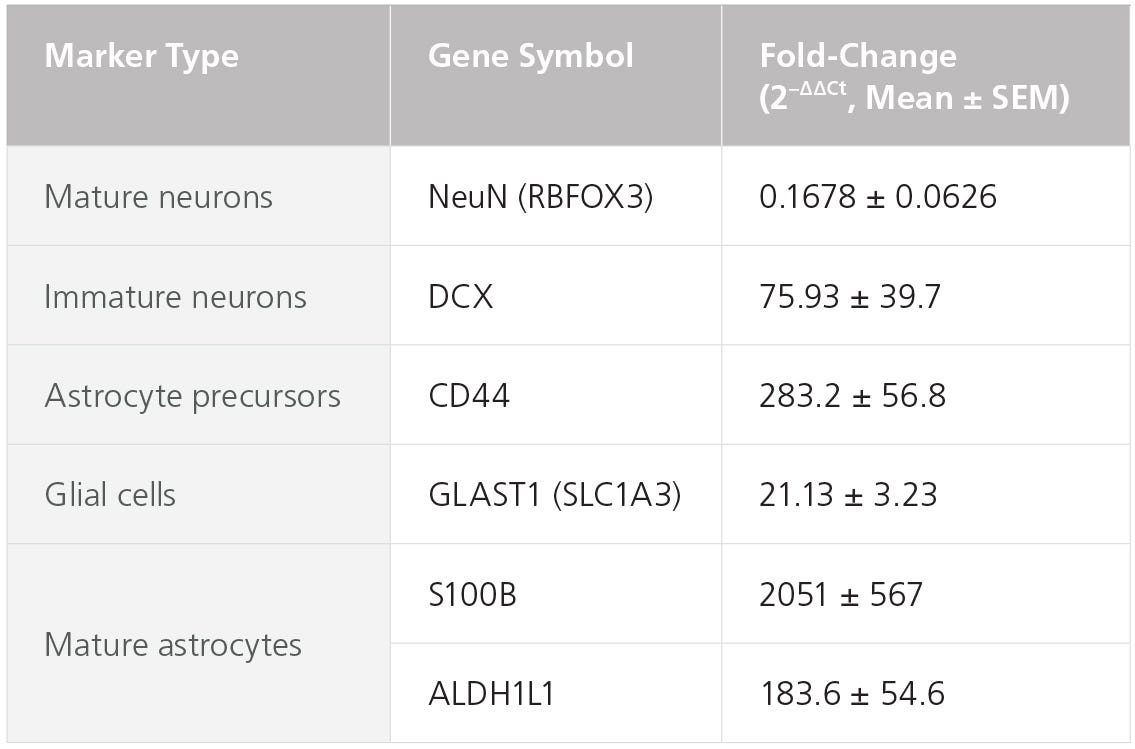
Figure 4. STEMdiff™ Astrocyte Kits Generate Cells Expressing Expected Levels of Genes Characteristic for Astrocytes

Embryonic stem and induced pluripotent stem cells from a variety of lines (n = 6, maintained in mTeSR™1 or TeSR™-E8™) were differentiated to NPCs using the STEMdiff™ SMADi Neural Induction Kit embryoid body protocol. Cells were then grown in STEMdiff™ Astrocyte Differentiation Kit for 3 weeks followed by STEMdiff™ Astrocyte Maturation Kit for 3 weeks prior to analysis. Expression levels were measured by quantitative PCR (qPCR) and normalized to hPSC controls relative to housekeeping genes 18S and TBP.

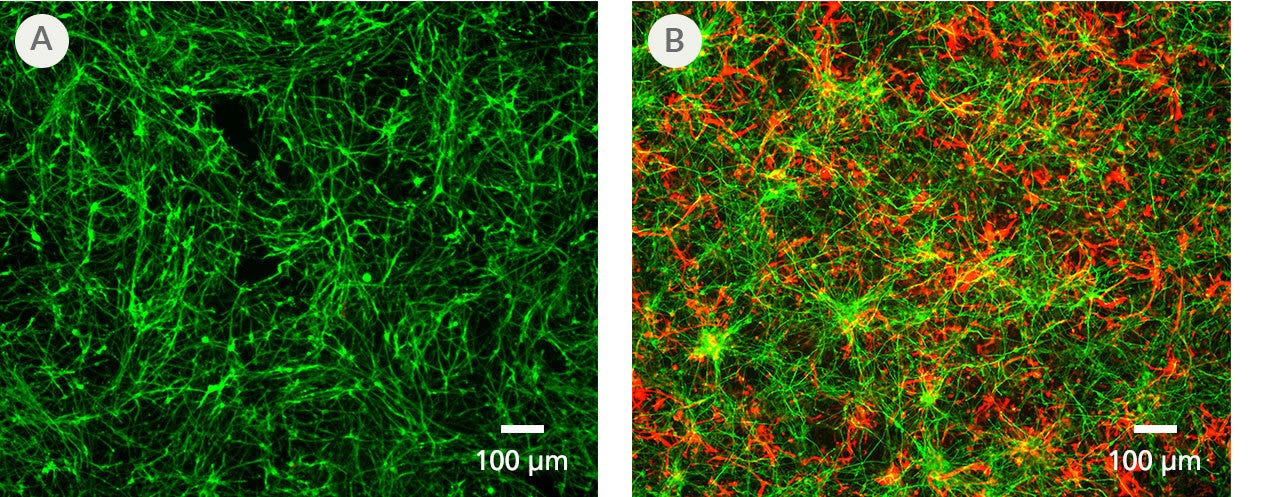
Figure 5. PSC-Derived Astrocytes and Neurons Can Be Co-Cultured to Model Cell-Cell Interactions In Vitro

NPCs generated from the H1 cell line were differentiated to astrocytes using STEMdiff™ Astrocyte Differentiation and Maturation Kits. H9 cell-derived NPCs were differentiated to forebrain-type neurons using STEMdiff™ Forebrain Neuron Differentiation and Maturation Kits. For co-culture, matured astrocytes were seeded onto forebrain neurons that had been in STEMdiff™ Forebrain Neuron Maturation Medium for at least one week. Co-cultures were then switched to STEMdiff™ Forebrain Neuron Maturation Medium the following day and for the remaining co-culture. (A) Neurons cultured alone, following the co-culture feeding schedule, are labeled with DCX (green). (B) DCX-positive neurons (green) and astrocytes (GFAP, red) can be co-cultured for at least 1 - 2 weeks prior to analysis. For a detailed co-culture protocol, please see the Methods Library.

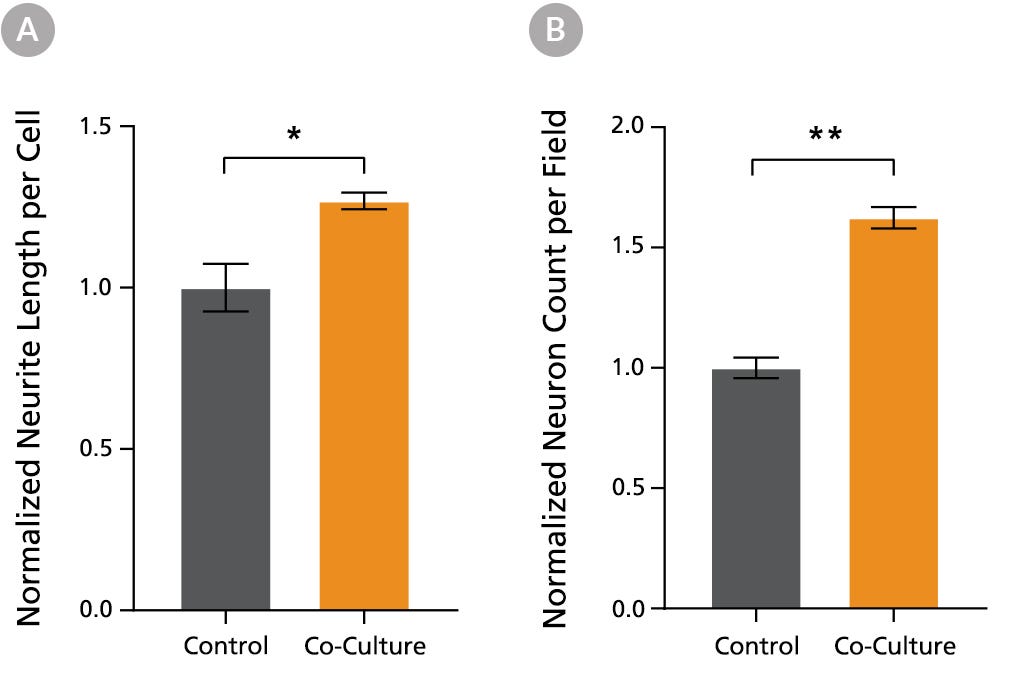
Figure 6. PSC-Derived Neurons Survive and Mature when Co-Cultured with PSC-Derived Astrocytes

NPCs generated from the STiPS-R038 cell line were differentiated to astrocytes using STEMdiff™ Astrocyte Differentiation and Maturation Kits. STiPS-M001 cell-derived NPCs were differentiated to forebrain-type neurons using STEMdiff™ Forebrain Neuron Differentiation and Maturation Kits. After co-culture for one week, neurons (A) had significantly increased neurite outgrowth as measured on MAP2-positive neurons with the NeuriteTracer plugin for ImageJ (M Pool et al. J Neurosci Methods, 2008) and (B) were more numerous than neurons cultured alone using the same feeding schedule. *, p < 0.05; **, p < 0.01.

产品说明书及文档

请在《产品说明书》中查找相关支持信息和使用说明,或浏览下方更多实验方案。

Document Type
Product Name
Catalog #
Lot #
Language
Catalog #
100-0016
Lot #
All
Language
English
Document Type
Safety Data Sheet 1
Catalog #
100-0016
Lot #
All
Language
English
Document Type
Safety Data Sheet 2
Catalog #
100-0016
Lot #
All
Language
English
Document Type
Safety Data Sheet 3
Catalog #
100-0016
Lot #
All
Language
English
Document Type
Safety Data Sheet 4
Catalog #
100-0016
Lot #
All
Language
English

应用领域

本产品专为以下研究领域设计,适用于工作流程中的高亮阶段。探索这些工作流程,了解更多我们为各研究领域提供的其他配套产品。

相关材料与文献

技术资料 (15)

文献 (1)

The Alzheimer's disease‐associated complement receptor 1 variant confers risk by impacting glial phagocytosis N. Daskoulidou et al. Alzheimer's & Dementia 2025 Jul

Abstract

Genome‐wide association studies have implicated complement in Alzheimer's disease (AD). The CR1*2 variant of complement receptor 1 (CR1; CD35), confers increased AD risk. We confirmed CR1 expression on glial cells; however, how CR1 variants influence AD risk remains unclear. Induced pluripotent stem cell‐derived microglia and astrocytes were generated from donors homozygous for the common CR1 variants (CR1*1/CR1*1;CR1*2/CR1*2). CR1 expression was quantified and phagocytic activity assessed using diverse targets ( Escherichia coli bioparticles, amyloid β aggregates, and synaptoneurosomes), with or without serum opsonization. Expression of CR1*1 was significantly higher than CR1*2 on glial lines. Phagocytosis for all targets was markedly enhanced following serum opsonization, attenuated by Factor I‐depletion, demonstrating CR1 requirement for C3b processing. CR1*2‐expressing glia showed significantly enhanced phagocytosis of all opsonized targets compared to CR1*1‐expressing cells. CR1 is critical for glial phagocytosis of opsonized targets. CR1*2, despite lower expression, enhances glial phagocytosis, providing mechanistic explanation of increased AD risk. Induced pluripotent stem cell (iPSC)‐derived glia from individuals expressing the Alzheimer's disease (AD) risk variant complement receptor (CR) 1*2 exhibit lower CR1 expression compared to those from donors expressing the non‐risk form CR1*1. The iPSC‐derived glia from individuals expressing the AD risk variant CR1*2 exhibit enhanced phagocytic activity for opsonized bacterial particles, amyloid‐β aggregates and human synaptoneurosomes compared to those from donors expressing the non‐risk form CR1*1. We suggest that expression of the CR1*2 variant confers risk of AD by enhancing the phagocytic capacity of glia for opsonized targets.

更多信息

更多信息
物种 人类
质量保证:

产品仅供研究使用,不用于针对人或动物的诊断或治疗。 欲获悉更多关于STEMCELL的质控信息,请访问 STEMCELL.CN/COMPLIANCE.
Copyright © 2025 by STEMCELL Technologies. All rights reserved.

在线联系