若您需要咨询产品或有任何技术问题,请通过官方电话 400 885 9050 或邮箱 info.cn@stemcell.com 与我们联系。

ALDEFLUOR™试剂盒

用于鉴定、评估和分离表达高水平ALDH的干细胞和祖细胞
期货
只有 %1
¥12,012.00

产品号 #(选择产品)

产品号 #01700_C

用于鉴定、评估和分离表达高水平ALDH的干细胞和祖细胞

产品优势

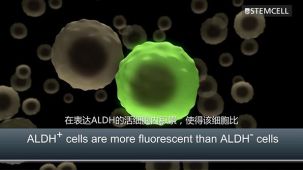
  • 鉴别ALDH活性升高的活细胞
  • 用于鉴定和分离各种组织中的正常和恶性干细胞和祖细胞

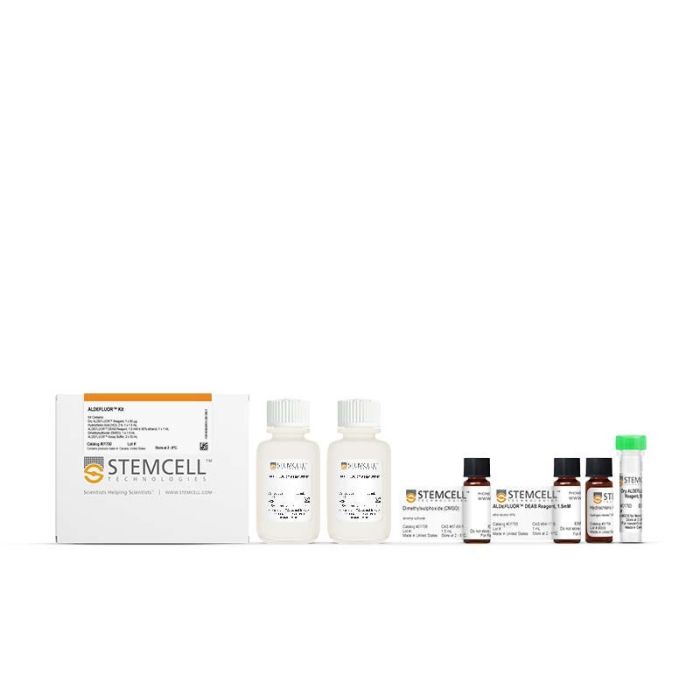
产品组分包括

  • ALDEFLUOR™干燥试剂,50µg
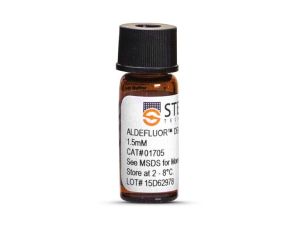
  • DEAB试剂,1.5 mM, 95%乙醇,1mL(产品号#01705)
  • HCL, 1.5 mL
  • DMSO, 1.5 mL
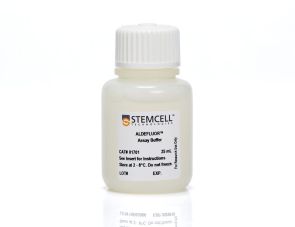
  • ALDEFLUOR™测定缓冲液,2 × 55 mL(产品号#01702)
  • ALDEFLUOR™快速参考指南
New look, same high quality and support! You may notice that your instrument or reagent packaging looks slightly different from images displayed on the website, or from previous orders. We are updating our look but rest assured, the products themselves and how you should use them have not changed. Learn more

总览

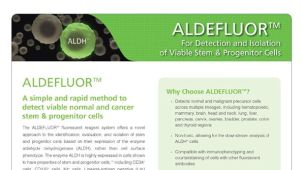
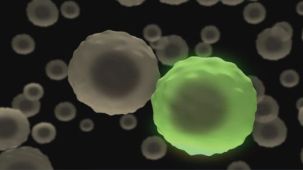
用ALDEFLUOR™试剂盒鉴定和分离表达醛脱氢酶(ALDH)的活细胞。与传统方法相比,该检测方法不需要抗体染色。已有研究报道,不同谱系的正常和癌症前体细胞中普遍存在高水平 ALDH 表达。ALDEFLUOR™检测是一种被广泛发表的用于检测ALDH 高表达(ALDHbr)细胞的非免疫学方法,可用于检测造血、乳腺、内皮、间充质、神经和其他组织中的癌细胞。试剂盒中包含的ALDEFLUOR™DEAB试剂和ALDEFLUOR™ 检测缓冲液支持检测的最佳效果,二者也可单独购买。该试剂盒与标准流式细胞仪兼容,可用于 ALDHbr 细胞的后续分析,并与标准细胞分选仪兼容,可用于进一步纯化和表征。查看我们的其他资源,以了解更多关于ALDEFLUOR™试剂系统的信息。

细胞类型
脑肿瘤干细胞,癌细胞及细胞系,造血干/祖细胞,乳腺细胞,间充质干/祖细胞,神经干/祖细胞,其他物种
 
种属
人,小鼠,非人灵长类,其他物种,大鼠
 
应用
流式细胞术
 
品牌
ALDEFLUOR
 
研究领域
癌症,上皮细胞研究,神经科学,干细胞生物学
 
CAS 编号
7647-01-0
 

实验数据

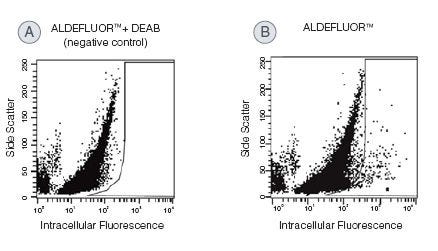
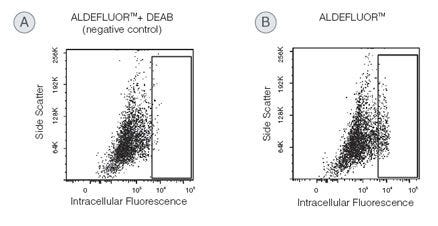
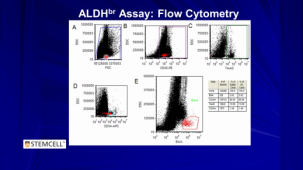
Identification of ALDHbr cells from mouse embryonic brain samples

Figure 1. Identification of ALDHbr Cells from Mouse Embryonic Brain Samples

E14 SVZ cells stained with ALDEFLUOR™. FACS profiles of DEAB control (A) and ALDH staining (B).

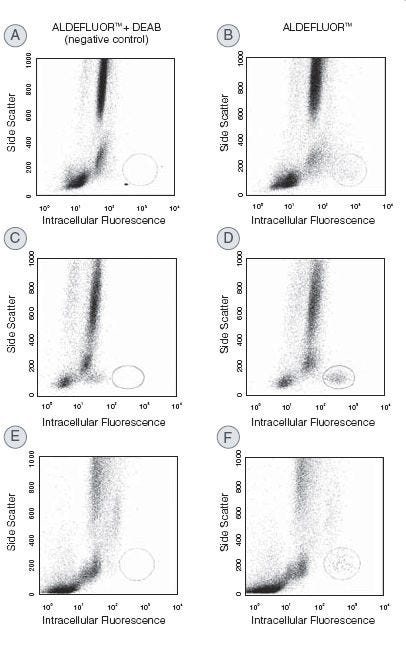
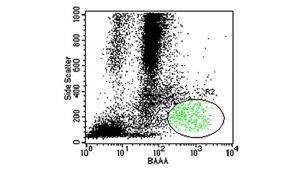
Identification of ALDHbr SSC LO cells from human hematopoietic samples

Figure 2. Identification of ALDHbr SSC LO Cells from Human Hematopoietic Samples

Bone marrow low density cells (A-B), peripheral blood mononuclear cells (C, D) and umbilical cord blood cells (E, F) stained with ALDEFLUOR™. FACS profiles of DEAB control (A, C, E) and ALDH staining (B, D, F).

Identification of ALDHbr cells from human breast cancer cell lines

Figure 3. Identification of ALDHbr Cells from Human Breast Cancer Cell Lines

SKBR3 breast cancer cells stained with ALDEFLUOR™ for 45 minutes. FACS profiles of DEAB control (A) and ALDH staining (B).

Identification of ALDHbr Cells from human mammary epithelial samples

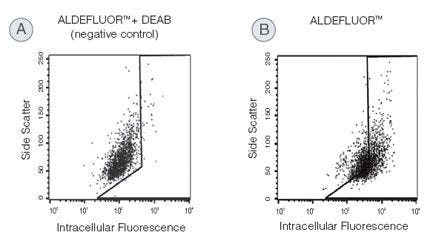
Figure 4. Identification of ALDHbr Cells from Human Mammary Epithelial Samples

Primary normal human mammary epithelial samples stained with ALDEFLUOR™. FACS profiles of DEAB control (A) and ALDH staining (B).

产品说明书及文档

请在《产品说明书》中查找相关支持信息和使用说明,或浏览下方更多实验方案。

Document Type
Product Name
Catalog #
Lot #
Language
Product Name
ALDEFLUOR™ Kit
Catalog #
01700
Lot #
Lot #1000126956 or higher for Catalog # 01700
Language
English
Document Type
Safety Data Sheet 1
Product Name
ALDEFLUOR™ Kit
Catalog #
01700
Lot #
All
Language
English
Document Type
Safety Data Sheet 2
Product Name
ALDEFLUOR™ Kit
Catalog #
01700
Lot #
All
Language
English
Document Type
Safety Data Sheet 3
Product Name
ALDEFLUOR™ Kit
Catalog #
01700
Lot #
All
Language
English
Document Type
Safety Data Sheet 4
Product Name
ALDEFLUOR™ Kit
Catalog #
01700
Lot #
All
Language
English
Document Type
Safety Data Sheet 5
Product Name
ALDEFLUOR™ Kit
Catalog #
01700
Lot #
All
Language
English

相关材料与文献

技术资料 (23)

常见问题 (21)

The reagents in the kit were frozen when I received it. Will this cause a problem?

No, the reagents in the kit are stable to freezing. Assay performance will not be affected.

Is it acceptable for activation of the ALDEFLUOR™ reagent to exceed 30 minutes?

Yes, as long as room temperature does not exceed 22°C, the reaction can proceed for up to 6 hours with no effect on the assay.

Can I speed up the activation reaction by incubating at 37°C?

This is not recommended. Incubation of the activation reaction at 37°C will not significantly speed up the reaction, and degradation of the activated substrate will occur more quickly at higher temperatures.

Will the activation reaction proceed at refrigerator (2 - 8°C) temperatures?

The ALDEFLUOR™ reagent will remain active for 1 week when stored at 2 - 8°C. For longer storage, divide the remaining reagent into aliquots and store at or below -20°C. Activated ALDEFLUOR™ reagent is stable for 1 year when stored frozen.

How should I store the ALDEFLUOR™ reagent after it is activated?

The ALDEFLUOR™ reagent will remain active for 1 week when stored at 2 - 8°C. For longer storage, divide the remaining reagent into aliquots and store at or below -20°C. Activated ALDEFLUOR™ reagent is stable for 1 year when stored frozen.

Why must the ALDEFLUOR™ assay buffer be added?

This assay has been optimized for detecting stem and progenitor cells by addition of the ALDEFLUOR™ assay buffer. Stem and progenitor cells have high ABC transporter activity and BAAA is a substrate for these efflux pumps. The assay buffer incorporates an efflux pump inhibitor to produce optimal discrimination of the ALDHbr cells and to maximize fluorescent signal stability. We thus recommend that cells be kept on ice and that the ALDEFLUOR™ assay buffer be used throughout all procedures performed after ALDH staining. Not using the assay buffer produces a proportionate loss in the assay signal, depending on the time and temperature at which the stained cells are held.

Is it acceptable for the staining reaction to exceed 30 minutes?

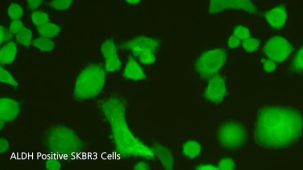
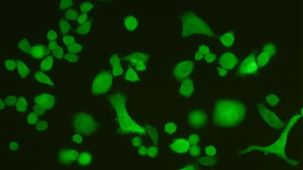
It depends on the cell type. With hematopoietic cells the reaction time can be up to 1 hour at 37°C with no effect on the fluorescence intensity. Incubation periods exceeding 1 hour may lead to an weaker signal and/or higher background. For nonhematopoietic cells optimal incubation times may be different. For example, for the human mammary epithelial SKBR3 cell line, the optimal incubation time was 45 minutes in experiments done at STEMCELL. It is recommended to test different incubation times and determine the optimal incubation time for different cell types.

Will the staining reaction proceed at refrigerator (2 - 8°C) temperatures?

Yes, but full staining will take at least 3 - 4 hours. The staining reaction can continue for up to 24 hours at 2 - 8°C without any effect on the assay.

Can I add any other efflux inhibitors to the ALDEFLUOR™ assay buffer?

Yes. To prevent efflux of the activated ALDEFLUOR™ reagent and the reaction product, the following may be added individually or in combination. These reagents may also improve discrimination of the ALDHbr population, but results will vary by sample type.
• 50 - 100 µM verapamil
• 2.5 mM probenecid
• 100 mM 2-deoxy-D-glucose
• 1 mg/mL sodium azide (0.1%) Note: Sodium azide may be toxic to cells. Do not use if cellular function assays are to be performed after the ALDEFLUOR™ assay.
Note: Ice is the universal efflux inhibitor. Keep all ALDEFLUOR™-reacted samples on ice or at 2 - 8°C as much as possible.

Can I stain the cells at a concentration higher than 1 x 10⁶ cells/mL?

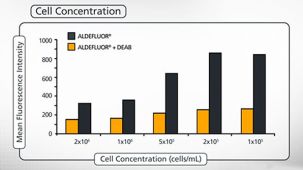
Increasing the concentration of cells up to 5-fold the recommended concentration should have no effect on performance of the assay when using human blood cells. Increasing cell concentrations greater than 5-fold the recommended concentration will decrease assay signal and thereby decrease discrimination of the ALDHbr population. However, different cell types may produce different results. Cell titration experiments may be necessary to determine the optimal cell concentration for different cell types. To stain large number of cells it may be better to increase the sample and reagent volume.

What anticoagulants can be used to collect samples?

Optimal assay performance can be achieved with peripheral blood and leukapheresis samples anticoagulated with acid-citrate dextrose (ACD), ethylenediaminetetraacetic acid (EDTA), or sodium heparin. Bone marrow should be anticoagulated with sodium heparin. Cord blood units may be collected into citrate phosphate dextrose anticoagulant.

Do erythrocytes (red blood cells) interfere with the assay?

The large number of erythrocytes present in peripheral blood, apheresis collections, bone marrow, and umbilical cord blood samples can compete with stem/progenitor cells for the ALDEFLUOR™ substrate. For optimal assay performance, lyse the erythrocytes by treating the samples with ammonium chloride. The ratio of lysis buffer to cell numbers or blood volume must be optimized (10 to 40 parts buffer to sample), and the time (10 - 30 minutes) and temperature (RT or 2 - 8°C) of incubation must be carefully controlled for each lysis buffer and sample type.

What solutions can be used to lyse erythrocytes?

Optimal erythrocyte lysis can be achieved with buffers containing:
• Ammonium chloride (e.g. 0.17 M NH4CI, 10 mM Tris HCI, 0.25 mM EDTA),
• 1X ABC Lysis Buffer (eBioscience, San Diego, CA)
• VitaLyse® (BioE, St Paul, MN).
We do not recommend use of the following or any other solution that contains a fixative, as these will render the cells nonviable:
• CyLyse® (Partec GMBH, Munster, Germany),
• FACS™ Lysing solution (BD Biosciences, San Jose, CA.)

Can fixed cells be used with this assay?

No. The ALDEFLUOR™ reagent is a substrate for the enzyme aldehyde dehydrogenase. ALDEFLUOR™ is a viability marker since the substrate is taken up, catalyzed and retained only by viable cells. It is important to ensure that reagents used for erythrocyte lysis do not contain a fixative.

Does the ALDEFLUOR™ assay work on cryopreserved cells?

ALDEFLUOR™ has been extensively tested on fresh and cryopreserved umbilical cord blood, peripheral blood and leukapheresis samples from patients and mobilized donors. If done correctly, cryopreservation and thawing should not cause loss in cell viability or fluorescence intensity of ALDHbr cells. As only viable cells retain the ALDEFLUOR™ reaction product, a loss in viability will be reflected as a decrease in the percentage of ALDHbr cells and an increase in the percentage of dead/dying cells (detectable by staining for propidium iodide or other viability dyes).

Will ALDEFLUOR™ buffer prevent efflux in cells from non-hematopoietic tissues or from other species?

The proprietary ALDEFLUOR™ assay buffer has been designed to optimize the detection of ALDH-positive (or ALDHbr) cells in human blood. The buffer contains an ATP-binding cassette (ABC) transport inhibitor that prevents active efflux of the ALDEFLUOR™ product from these cells. This transport inhibitor may not prevent efflux from other tissue types or from other species. Consequently, when using samples other than human blood, following the incubation with the activated ALDEFLUOR™ reagent at 37°C, the reacted cells should be kept at 2 - 8°C to prevent efflux, and thus the loss of fluorescence. For a list of additional efflux inhibitors that may be added to the ALDEFLUOR™ buffer see the "CAN I ADD ANY OTHER EFFLUX INHIBITORS TO THE ALDEFLUOR™ ASSAY BUFFER?" question.

Will DEAB inhibit ALDH activity in cells from non-hematopoietic tissues or from other species?

The specific ALDH gene product expressed in non-human, non-blood products may not be inhibited by DEAB. A lack of difference between test and negative control samples may indicate that the inhibitor was not effective, or that there is no ALDH activity in the cells in the sample. Kinetic studies (a progressive increase in ALDEFLUOR™ fluorescence in the negative control tube with time of reaction) may be useful to differentiate these two alternatives. Other ALDH inhibitors can be used as appropriate for the enzyme isoform expressed. For example, Disulfuram inhibits several mammalian ALDH gene products.

Can I use a greater concentration of the ALDEFLUOR™ substrate to improve the discrimination of the ALDHbr population?

When staining non-blood products, it may be necessary to titrate the ALDEFLUOR™ substrate to determine the optimal concentration. We suggest a range of concentrations from 5-fold less to 10-fold more than the standard concentration. During titration we recommend maintaining the concentration of DEAB at 10-fold molar excess of activated ALDEFLUOR™ reagent, and therefore, it is necessary to adjust the amount of DEAB when titrating the substrate.

Can I analyze cells by the ALDEFLUOR™ assay and the side population assay simultaneously?

Yes, the side population assay can be performed in conjunction with the ALDEFLUOR™ assay (Pearce and Bonnet. Exp Hematol 35: 1437-1446, 2007). The Side Population assay should be performed first, followed by the ALDEFLUOR™ assay. We recommend adding 50 µM verapamil to the ALDEFLUOR™ assay buffer when performing both assays.

Why are all the cells in the cytogram fluorescent to some degree?

The ALDEFLUOR™ substrate is a non-polar fluorescent molecule that freely diffuses into all cells. In the DEAB-treated control, fluorescence will reflect the size of the intracellular substrate pool. Fluorescence in the test sample will additionally reflect ALDH activity. Human stem and progenitor cells typically have more ALDH activity than mature cells, and this quantitative difference allows stem cells to be resolved from the other cells.

How do I compensate for multiparameter flow analysis when the staining of ALDHbr cells is so bright?

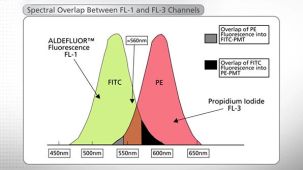
We would recommend washing your cells with ALDEFLUOR™ assay buffer after the reagent reaction to eliminate background fluorescence from excess substrate. The ALDEFLUOR™ reagent shows an emission spectrum similar to FITC with peak emission at 512 nm. Due to spectral overlap of the ALDEFLUOR™ reagent with fluorochromes that are detected below 650 nm, we recommend using antibodies conjugated to fluorochromes that emit at higher wavelengths for antigens which typically exhibit low levels of expression. For example, when studying the coexpression of CD34 on ALDHbr cells we used the antibody combination, CD45 phycoerythrin (PE), 7- aminoactinomycin D (7-AAD) and CD34 allophycocyanin (APC). Due to the brightness of the ALDEFLUOR™ reagent fluorophore, we strongly recommend the use of compensation controls for every experiment. Adequate compensation will not be achieved with commercially available fluorescent beads.

文献 (302)

The PCNA inhibitor AOH1996 suppresses cancer stemness and enhances anti-PD1 immunotherapy in squamous cell carcinoma Y. Wang et al. Stem Cell Research & Therapy 2025 Sep

Abstract

Proliferating cell nuclear antigen (PCNA), a well-documented anticancer target, is critical for DNA synthesis, replication, and repair. AOH1996, a small-molecule PCNA inhibitor, is currently undergoing clinical trials for the treatment of advanced solid tumors. However, the therapeutic effect of AOH1996 on head and neck squamous cell carcinoma (HNSCC) remains unclear. The effects of AOH1996 on HNSCC biological behaviors and cancer stemness were tested in HNSCC cells and nude mice. The combination treatment of AOH1996 and anti-PD1 was performed in a 4-nitroquinoline N-oxide (4NQO)-induced HNSCC mouse model. RNA sequencing, Western Blotting, immunofluorescence staining, comet assays, and qRT‒PCR were conducted for mechanistic studies. Our results showed that AOH1996 effectively inhibited HNSCC proliferation and invasion both in vitro and in vivo. AOH1996 suppressed HNSCC stemness, development, and metastasis. Moreover, AOH1996 altered the tumor immune microenvironment into an inflamed state with increased CD8 + T-cell infiltration, rendering it a favorable partner for combination therapy with immune checkpoint inhibitors. Mechanistically, AOH1996 induced cellular DNA damage, suppressed cancer stemness through the upregulation of p-TBK1, and promoted the secretion of CD8 + T-cell-recruiting chemokines by stimulating IRF3-mediated transcription. Taken together, our results demonstrated that AOH1996 suppressed tumor growth, eliminated cancer stem cells (CSCs), and synergistically enhanced the efficacy of anti-PD1 immunotherapy in HNSCC. The online version contains supplementary material available at 10.1186/s13287-025-04607-9.
BNIP3L/BNIP3‐Mediated Mitophagy Contributes to the Maintenance of Ovarian Cancer Stem Cells N. Li et al. Journal of Cellular and Molecular Medicine 2025 Oct

Abstract

Ovarian cancer remains the most lethal gynaecological malignancy, with tumour recurrence and chemoresistance posing significant therapeutic challenges. Emerging evidence suggests that cancer stem cells (CSCs), a rare subpopulation within tumours with self‐renewal and differentiation capacities, contribute to these hurdles. Therefore, elucidating the mechanisms that sustain CSCs is critical for improving treatment strategies. Mitophagy, a selective process for eliminating damaged mitochondria, plays a key role in maintaining cellular homeostasis, including CSC survival. Our study demonstrates that ovarian CSCs exhibit enhanced mitophagy, accompanied by elevated expression of the mitochondrial outer membrane receptors BNIP3 and BNIP3L. Knockdown of BNIP3 or BNIP3L significantly reduces mitophagy and impairs CSC self‐renewal, indicating that receptor‐mediated mitophagy is essential for CSC maintenance. Mechanistically, we identify that hyperactivated NF‐κB signalling drives the upregulation of BNIP3 and BNIP3L in ovarian CSCs. Inhibition of NF‐κB signalling, either via p65 knockdown or pharmacological inhibitors, effectively suppresses mitophagy. Furthermore, we demonstrate that elevated DNA‐PK expression contributes to the constitutive activation of NF‐κB signalling, thereby promoting mitophagy in ovarian CSCs. In summary, our findings establish that BNIP3/BNIP3L‐mediated mitophagy, driven by DNA‐PK‐dependent NF‐κB hyperactivation, is essential for CSC maintenance. Targeting the DNA‐PK/NF‐κB/BNIP3L‐BNIP3 axis to disrupt mitochondrial quality control in CSCs represents a promising therapeutic strategy to prevent ovarian cancer recurrence and metastasis.
YTHDC2 suppresses bladder cancer by inhibiting SOX2-mediated tumor plasticity Y. Cai et al. Cell Death & Disease 2025 Oct

Abstract

Pluripotent cancer stem cells play a pivotal role in inducing phenotypic plasticity across various cancer types, including bladder cancer. This plasticity, crucial for cancer progression, is largely regulated by epigenetic modifications including N6-methyladenosine (m6A) in RNAs. However, the role of the m6A reader protein YTHDC2 in this process remains poorly understood. In this study, we uncovered that the depletion of YTHDC2 significantly increased the pool of bladder cancer stem cells (BCSCs), resulting in a phenotypic shift towards a more invasive subtype of bladder cancer. This shift was characterized by enhanced proliferation, migration, invasion, and self-renewal capabilities of cancer cells, highlighting YTHDC2’s function as a tumor suppressor. Mechanistically, YTHDC2 recognized and bound to m6A-modified SOX2 mRNA, resulting in translational inhibition of SOX2. In conclusion, our study identifies YTHDC2 as a tumor suppressor in bladder cancer through inhibiting SOX2-mediated cell pluripotency and underscores the therapeutic potential of targeting the YTHDC2-SOX2 axis in bladder cancer.

相关材料与文献

技术资料 (23)

常见问题 (21)

The reagents in the kit were frozen when I received it. Will this cause a problem?

No, the reagents in the kit are stable to freezing. Assay performance will not be affected.

Is it acceptable for activation of the ALDEFLUOR™ reagent to exceed 30 minutes?

Yes, as long as room temperature does not exceed 22°C, the reaction can proceed for up to 6 hours with no effect on the assay.

Can I speed up the activation reaction by incubating at 37°C?

This is not recommended. Incubation of the activation reaction at 37°C will not significantly speed up the reaction, and degradation of the activated substrate will occur more quickly at higher temperatures.

Will the activation reaction proceed at refrigerator (2 - 8°C) temperatures?

The ALDEFLUOR™ reagent will remain active for 1 week when stored at 2 - 8°C. For longer storage, divide the remaining reagent into aliquots and store at or below -20°C. Activated ALDEFLUOR™ reagent is stable for 1 year when stored frozen.

How should I store the ALDEFLUOR™ reagent after it is activated?

The ALDEFLUOR™ reagent will remain active for 1 week when stored at 2 - 8°C. For longer storage, divide the remaining reagent into aliquots and store at or below -20°C. Activated ALDEFLUOR™ reagent is stable for 1 year when stored frozen.

Why must the ALDEFLUOR™ assay buffer be added?

This assay has been optimized for detecting stem and progenitor cells by addition of the ALDEFLUOR™ assay buffer. Stem and progenitor cells have high ABC transporter activity and BAAA is a substrate for these efflux pumps. The assay buffer incorporates an efflux pump inhibitor to produce optimal discrimination of the ALDHbr cells and to maximize fluorescent signal stability. We thus recommend that cells be kept on ice and that the ALDEFLUOR™ assay buffer be used throughout all procedures performed after ALDH staining. Not using the assay buffer produces a proportionate loss in the assay signal, depending on the time and temperature at which the stained cells are held.

Is it acceptable for the staining reaction to exceed 30 minutes?

It depends on the cell type. With hematopoietic cells the reaction time can be up to 1 hour at 37°C with no effect on the fluorescence intensity. Incubation periods exceeding 1 hour may lead to an weaker signal and/or higher background. For nonhematopoietic cells optimal incubation times may be different. For example, for the human mammary epithelial SKBR3 cell line, the optimal incubation time was 45 minutes in experiments done at STEMCELL. It is recommended to test different incubation times and determine the optimal incubation time for different cell types.

Will the staining reaction proceed at refrigerator (2 - 8°C) temperatures?

Yes, but full staining will take at least 3 - 4 hours. The staining reaction can continue for up to 24 hours at 2 - 8°C without any effect on the assay.

Can I add any other efflux inhibitors to the ALDEFLUOR™ assay buffer?

Yes. To prevent efflux of the activated ALDEFLUOR™ reagent and the reaction product, the following may be added individually or in combination. These reagents may also improve discrimination of the ALDHbr population, but results will vary by sample type.
• 50 - 100 µM verapamil
• 2.5 mM probenecid
• 100 mM 2-deoxy-D-glucose
• 1 mg/mL sodium azide (0.1%) Note: Sodium azide may be toxic to cells. Do not use if cellular function assays are to be performed after the ALDEFLUOR™ assay.
Note: Ice is the universal efflux inhibitor. Keep all ALDEFLUOR™-reacted samples on ice or at 2 - 8°C as much as possible.

Can I stain the cells at a concentration higher than 1 x 10⁶ cells/mL?

Increasing the concentration of cells up to 5-fold the recommended concentration should have no effect on performance of the assay when using human blood cells. Increasing cell concentrations greater than 5-fold the recommended concentration will decrease assay signal and thereby decrease discrimination of the ALDHbr population. However, different cell types may produce different results. Cell titration experiments may be necessary to determine the optimal cell concentration for different cell types. To stain large number of cells it may be better to increase the sample and reagent volume.

What anticoagulants can be used to collect samples?

Optimal assay performance can be achieved with peripheral blood and leukapheresis samples anticoagulated with acid-citrate dextrose (ACD), ethylenediaminetetraacetic acid (EDTA), or sodium heparin. Bone marrow should be anticoagulated with sodium heparin. Cord blood units may be collected into citrate phosphate dextrose anticoagulant.

Do erythrocytes (red blood cells) interfere with the assay?

The large number of erythrocytes present in peripheral blood, apheresis collections, bone marrow, and umbilical cord blood samples can compete with stem/progenitor cells for the ALDEFLUOR™ substrate. For optimal assay performance, lyse the erythrocytes by treating the samples with ammonium chloride. The ratio of lysis buffer to cell numbers or blood volume must be optimized (10 to 40 parts buffer to sample), and the time (10 - 30 minutes) and temperature (RT or 2 - 8°C) of incubation must be carefully controlled for each lysis buffer and sample type.

What solutions can be used to lyse erythrocytes?

Optimal erythrocyte lysis can be achieved with buffers containing:
• Ammonium chloride (e.g. 0.17 M NH4CI, 10 mM Tris HCI, 0.25 mM EDTA),
• 1X ABC Lysis Buffer (eBioscience, San Diego, CA)
• VitaLyse® (BioE, St Paul, MN).
We do not recommend use of the following or any other solution that contains a fixative, as these will render the cells nonviable:
• CyLyse® (Partec GMBH, Munster, Germany),
• FACS™ Lysing solution (BD Biosciences, San Jose, CA.)

Can fixed cells be used with this assay?

No. The ALDEFLUOR™ reagent is a substrate for the enzyme aldehyde dehydrogenase. ALDEFLUOR™ is a viability marker since the substrate is taken up, catalyzed and retained only by viable cells. It is important to ensure that reagents used for erythrocyte lysis do not contain a fixative.

Does the ALDEFLUOR™ assay work on cryopreserved cells?

ALDEFLUOR™ has been extensively tested on fresh and cryopreserved umbilical cord blood, peripheral blood and leukapheresis samples from patients and mobilized donors. If done correctly, cryopreservation and thawing should not cause loss in cell viability or fluorescence intensity of ALDHbr cells. As only viable cells retain the ALDEFLUOR™ reaction product, a loss in viability will be reflected as a decrease in the percentage of ALDHbr cells and an increase in the percentage of dead/dying cells (detectable by staining for propidium iodide or other viability dyes).

Will ALDEFLUOR™ buffer prevent efflux in cells from non-hematopoietic tissues or from other species?

The proprietary ALDEFLUOR™ assay buffer has been designed to optimize the detection of ALDH-positive (or ALDHbr) cells in human blood. The buffer contains an ATP-binding cassette (ABC) transport inhibitor that prevents active efflux of the ALDEFLUOR™ product from these cells. This transport inhibitor may not prevent efflux from other tissue types or from other species. Consequently, when using samples other than human blood, following the incubation with the activated ALDEFLUOR™ reagent at 37°C, the reacted cells should be kept at 2 - 8°C to prevent efflux, and thus the loss of fluorescence. For a list of additional efflux inhibitors that may be added to the ALDEFLUOR™ buffer see the "CAN I ADD ANY OTHER EFFLUX INHIBITORS TO THE ALDEFLUOR™ ASSAY BUFFER?" question.

Will DEAB inhibit ALDH activity in cells from non-hematopoietic tissues or from other species?

The specific ALDH gene product expressed in non-human, non-blood products may not be inhibited by DEAB. A lack of difference between test and negative control samples may indicate that the inhibitor was not effective, or that there is no ALDH activity in the cells in the sample. Kinetic studies (a progressive increase in ALDEFLUOR™ fluorescence in the negative control tube with time of reaction) may be useful to differentiate these two alternatives. Other ALDH inhibitors can be used as appropriate for the enzyme isoform expressed. For example, Disulfuram inhibits several mammalian ALDH gene products.

Can I use a greater concentration of the ALDEFLUOR™ substrate to improve the discrimination of the ALDHbr population?

When staining non-blood products, it may be necessary to titrate the ALDEFLUOR™ substrate to determine the optimal concentration. We suggest a range of concentrations from 5-fold less to 10-fold more than the standard concentration. During titration we recommend maintaining the concentration of DEAB at 10-fold molar excess of activated ALDEFLUOR™ reagent, and therefore, it is necessary to adjust the amount of DEAB when titrating the substrate.

Can I analyze cells by the ALDEFLUOR™ assay and the side population assay simultaneously?

Yes, the side population assay can be performed in conjunction with the ALDEFLUOR™ assay (Pearce and Bonnet. Exp Hematol 35: 1437-1446, 2007). The Side Population assay should be performed first, followed by the ALDEFLUOR™ assay. We recommend adding 50 µM verapamil to the ALDEFLUOR™ assay buffer when performing both assays.

Why are all the cells in the cytogram fluorescent to some degree?

The ALDEFLUOR™ substrate is a non-polar fluorescent molecule that freely diffuses into all cells. In the DEAB-treated control, fluorescence will reflect the size of the intracellular substrate pool. Fluorescence in the test sample will additionally reflect ALDH activity. Human stem and progenitor cells typically have more ALDH activity than mature cells, and this quantitative difference allows stem cells to be resolved from the other cells.

How do I compensate for multiparameter flow analysis when the staining of ALDHbr cells is so bright?

We would recommend washing your cells with ALDEFLUOR™ assay buffer after the reagent reaction to eliminate background fluorescence from excess substrate. The ALDEFLUOR™ reagent shows an emission spectrum similar to FITC with peak emission at 512 nm. Due to spectral overlap of the ALDEFLUOR™ reagent with fluorochromes that are detected below 650 nm, we recommend using antibodies conjugated to fluorochromes that emit at higher wavelengths for antigens which typically exhibit low levels of expression. For example, when studying the coexpression of CD34 on ALDHbr cells we used the antibody combination, CD45 phycoerythrin (PE), 7- aminoactinomycin D (7-AAD) and CD34 allophycocyanin (APC). Due to the brightness of the ALDEFLUOR™ reagent fluorophore, we strongly recommend the use of compensation controls for every experiment. Adequate compensation will not be achieved with commercially available fluorescent beads.

文献 (302)

The PCNA inhibitor AOH1996 suppresses cancer stemness and enhances anti-PD1 immunotherapy in squamous cell carcinoma Y. Wang et al. Stem Cell Research & Therapy 2025 Sep

Abstract

Proliferating cell nuclear antigen (PCNA), a well-documented anticancer target, is critical for DNA synthesis, replication, and repair. AOH1996, a small-molecule PCNA inhibitor, is currently undergoing clinical trials for the treatment of advanced solid tumors. However, the therapeutic effect of AOH1996 on head and neck squamous cell carcinoma (HNSCC) remains unclear. The effects of AOH1996 on HNSCC biological behaviors and cancer stemness were tested in HNSCC cells and nude mice. The combination treatment of AOH1996 and anti-PD1 was performed in a 4-nitroquinoline N-oxide (4NQO)-induced HNSCC mouse model. RNA sequencing, Western Blotting, immunofluorescence staining, comet assays, and qRT‒PCR were conducted for mechanistic studies. Our results showed that AOH1996 effectively inhibited HNSCC proliferation and invasion both in vitro and in vivo. AOH1996 suppressed HNSCC stemness, development, and metastasis. Moreover, AOH1996 altered the tumor immune microenvironment into an inflamed state with increased CD8 + T-cell infiltration, rendering it a favorable partner for combination therapy with immune checkpoint inhibitors. Mechanistically, AOH1996 induced cellular DNA damage, suppressed cancer stemness through the upregulation of p-TBK1, and promoted the secretion of CD8 + T-cell-recruiting chemokines by stimulating IRF3-mediated transcription. Taken together, our results demonstrated that AOH1996 suppressed tumor growth, eliminated cancer stem cells (CSCs), and synergistically enhanced the efficacy of anti-PD1 immunotherapy in HNSCC. The online version contains supplementary material available at 10.1186/s13287-025-04607-9.
BNIP3L/BNIP3‐Mediated Mitophagy Contributes to the Maintenance of Ovarian Cancer Stem Cells N. Li et al. Journal of Cellular and Molecular Medicine 2025 Oct

Abstract

Ovarian cancer remains the most lethal gynaecological malignancy, with tumour recurrence and chemoresistance posing significant therapeutic challenges. Emerging evidence suggests that cancer stem cells (CSCs), a rare subpopulation within tumours with self‐renewal and differentiation capacities, contribute to these hurdles. Therefore, elucidating the mechanisms that sustain CSCs is critical for improving treatment strategies. Mitophagy, a selective process for eliminating damaged mitochondria, plays a key role in maintaining cellular homeostasis, including CSC survival. Our study demonstrates that ovarian CSCs exhibit enhanced mitophagy, accompanied by elevated expression of the mitochondrial outer membrane receptors BNIP3 and BNIP3L. Knockdown of BNIP3 or BNIP3L significantly reduces mitophagy and impairs CSC self‐renewal, indicating that receptor‐mediated mitophagy is essential for CSC maintenance. Mechanistically, we identify that hyperactivated NF‐κB signalling drives the upregulation of BNIP3 and BNIP3L in ovarian CSCs. Inhibition of NF‐κB signalling, either via p65 knockdown or pharmacological inhibitors, effectively suppresses mitophagy. Furthermore, we demonstrate that elevated DNA‐PK expression contributes to the constitutive activation of NF‐κB signalling, thereby promoting mitophagy in ovarian CSCs. In summary, our findings establish that BNIP3/BNIP3L‐mediated mitophagy, driven by DNA‐PK‐dependent NF‐κB hyperactivation, is essential for CSC maintenance. Targeting the DNA‐PK/NF‐κB/BNIP3L‐BNIP3 axis to disrupt mitochondrial quality control in CSCs represents a promising therapeutic strategy to prevent ovarian cancer recurrence and metastasis.
YTHDC2 suppresses bladder cancer by inhibiting SOX2-mediated tumor plasticity Y. Cai et al. Cell Death & Disease 2025 Oct

Abstract

Pluripotent cancer stem cells play a pivotal role in inducing phenotypic plasticity across various cancer types, including bladder cancer. This plasticity, crucial for cancer progression, is largely regulated by epigenetic modifications including N6-methyladenosine (m6A) in RNAs. However, the role of the m6A reader protein YTHDC2 in this process remains poorly understood. In this study, we uncovered that the depletion of YTHDC2 significantly increased the pool of bladder cancer stem cells (BCSCs), resulting in a phenotypic shift towards a more invasive subtype of bladder cancer. This shift was characterized by enhanced proliferation, migration, invasion, and self-renewal capabilities of cancer cells, highlighting YTHDC2’s function as a tumor suppressor. Mechanistically, YTHDC2 recognized and bound to m6A-modified SOX2 mRNA, resulting in translational inhibition of SOX2. In conclusion, our study identifies YTHDC2 as a tumor suppressor in bladder cancer through inhibiting SOX2-mediated cell pluripotency and underscores the therapeutic potential of targeting the YTHDC2-SOX2 axis in bladder cancer.

更多信息

更多信息
物种 人类, 其它物种, 大鼠, 小鼠, 非人灵长类
Cas Number 7647-01-0
法律声明:

ALDEFLUOR is registered trademark of ALDAGEN Inc. 质量保证:

产品仅供研究使用,不用于针对人或动物的诊断或治疗。 欲获悉更多关于STEMCELL的质控信息,请访问 STEMCELL.CN/COMPLIANCE.
Copyright © 2025 by STEMCELL Technologies. All rights reserved.

在线联系