若您需要咨询产品或有任何技术问题,请通过官方电话 400 885 9050 或邮箱 info.cn@stemcell.com 与我们联系。

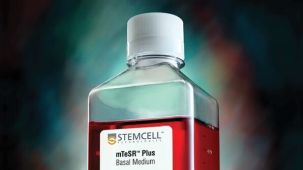
mTeSR™ Plus

cGMP,稳定无饲养层维持培养基,适用于人ES和iPS 细胞

产品号 #(选择产品)

产品号 #100-0276_C

cGMP,稳定无饲养层维持培养基,适用于人ES和iPS 细胞

产品优势

  • 增强的缓冲作用和稳定的 FGF2 支持细胞质量,同时可以使用灵活换液时间表
  • 支持优越的培养形态和细胞生长特性
  • 与 CloneR™ 联合使用时,能显著提高单细胞的存活率
  • 与已建立的基因组编辑和分化方法完全兼容

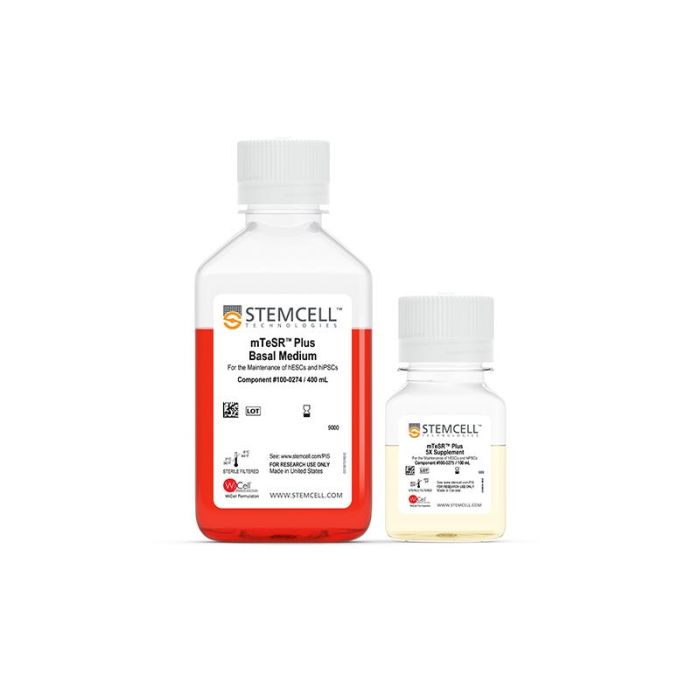
产品组分包括

  • mTeSR™ Plus 试剂盒,cGMP(产品号 #100-0276)
    • mTeSR™ Plus 基础培养基,400 mL
    • mTeSR™ Plus 5X 补充剂,100 mL
  • mTeSR™ Plus 试剂盒(产品号 #100-1130)
    • mTeSR™ Plus 基础培养基,800 mL
    • mTeSR™ Plus 5x 补充剂,2 x 100 mL

What Our Scientist Says

Innovation is a core value at STEMCELL. The evolution to mTeSR™ Plus reflects that and our desire to serve the next generation of pluripotent stem cell researchers.

Matthew WongScientist
Matthew Wong, Scientist

总览

这款稳定的无饲养层维持培养基适用于人多能干细胞 (hPSC),可以在保持细胞质量的同时,让您享受无需周末换液的的灵活日程安排并提升细胞生长特性。mTeSR™ Plus 遵循相关的 cGMP 生产,确保提供最高质量和一致性,适用于基础研究、细胞治疗及新药研究等应用。它基于mTeSR™1(产品号 #85850),这是目前最广泛使用的 hPSC 无饲养层细胞培养基。凭借包括 FGF2 在内的稳定的关键培养基成分和增强的 pH 缓冲功能,您可以使用 mTeSR™ Plus 来维持细胞质量属性,并通过每日或限制性换液来提高细胞扩增速度。每批 mTeSR™ Plus 5X 补充剂均用于配制完整的 mTeSR™ Plus 培养基,然后在使用人多能干细胞 (hPSC) 的培养试验中进行性能测试。

mTeSR™ Plus 与多种培养基质兼容,包括 Corning® Matrigel® hESC 认证基质和Vitronectin XF™(产品号 #07180,由 Nucleus Biologics 开发和生产)。

如需获取更多质量信息,请访问www.stemcell.com/compliance。

如需申请 mTeSR™ Plus 的 FDA 主文件授权书 (LOA),请点击此处


分类
专用培养基
 
细胞类型
多能干细胞
 
种属

 
应用
细胞培养,扩增,培养
 
品牌
TeSR
 
研究领域
疾病建模,药物发现和毒理检测,干细胞生物学
 
制剂类别
无血清
 

实验数据

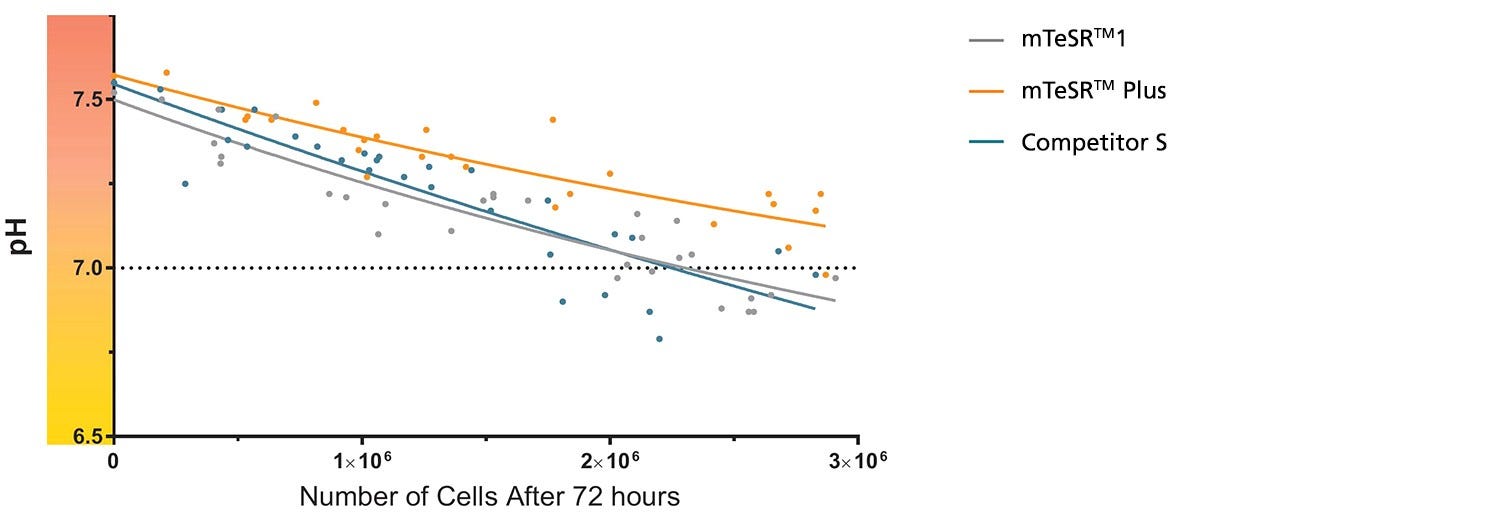
Figure 1. mTeSR™ Plus Maintains Optimal pH Levels Throughout a Weekend-Free Protocol

The pH of spent medium from hPSCs cultured in mTeSR™ Plus is higher than that of hPSCs cultured in mTeSR™1 and other flexible-feeding medium at similar cell densities. pH and cell numbers were measured after a 72-hour period without feeding. Range of cell numbers shown represent different densities that would be observed throughout a typical passage. This demonstrates that feeds can be skipped for two days at any time during routine maintenance using mTeSR™ Plus while maintaining a pH above 7.0. Note: Cultures were fed double the standard medium volume prior to the 72-hour period without feeds in all media and cell numbers are from one well of a 6-well plate.

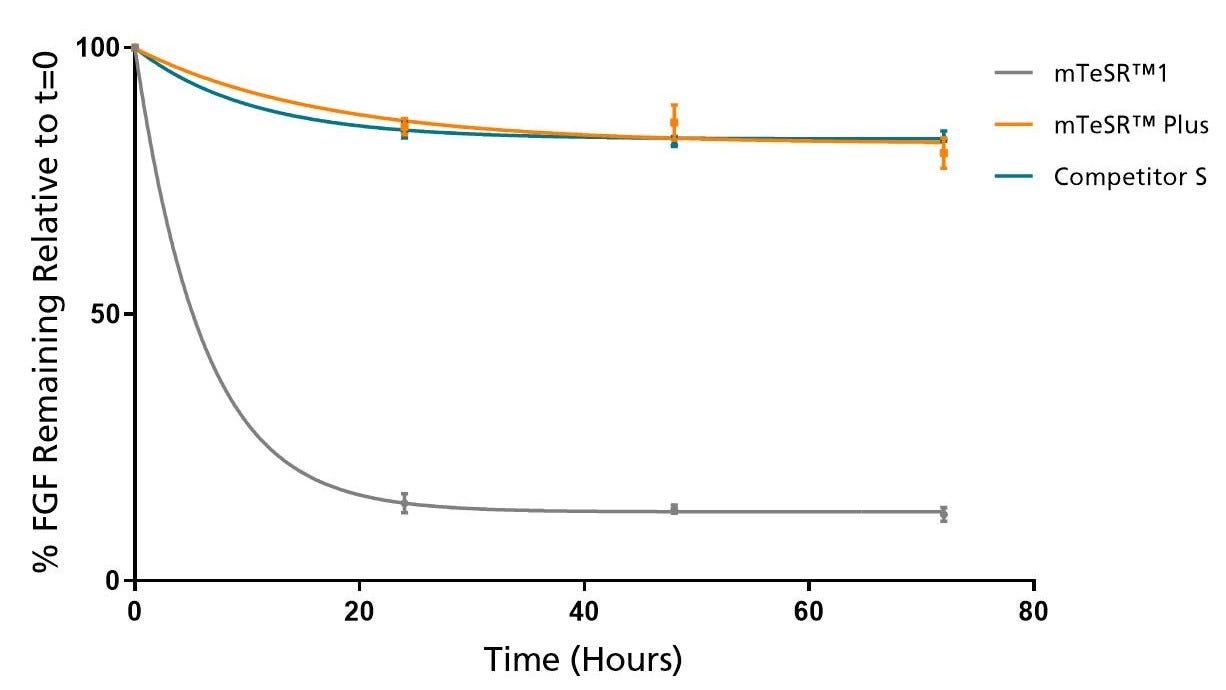
Figure 2. mTeSR™ Plus Maintains Consistent Levels of FGF2 Throughout a Weekend-Free Protocol

FGF2 levels remain high in mTeSR™ Plus when cultured at 37°C over a 72 hour time period. Measured by ELISA.

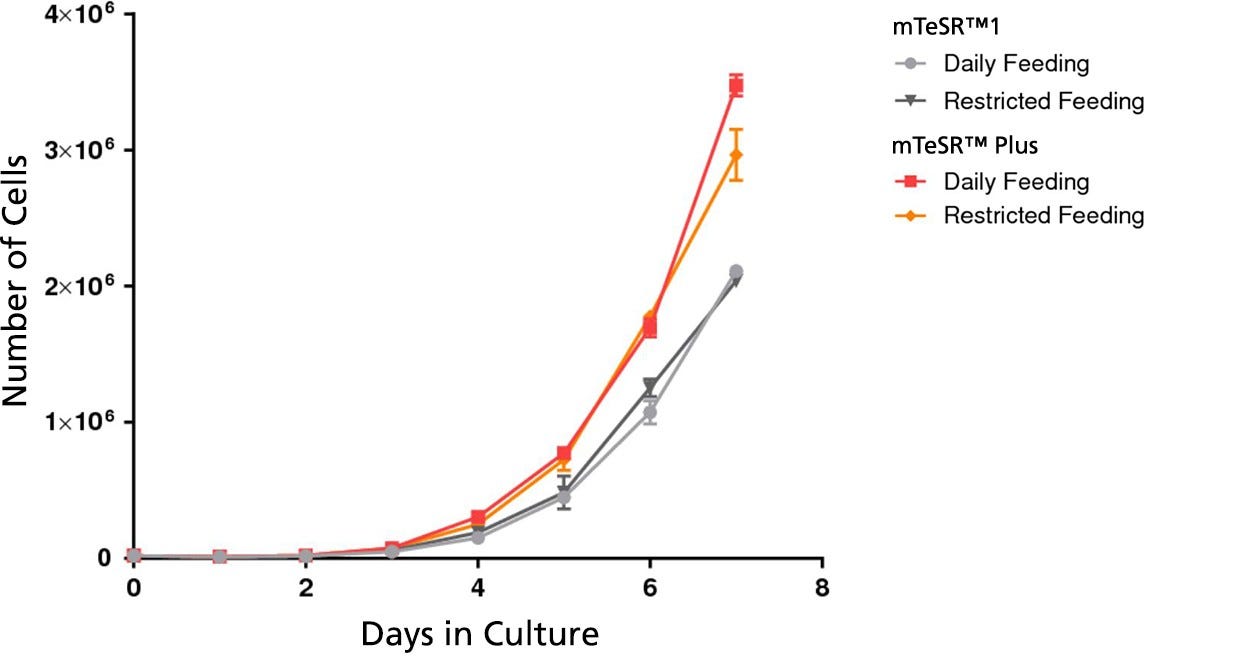
Figure 3. mTeSR™ Plus Supports Higher Cell Numbers

Growth curves were obtained for human ES (H9) cells cultured in mTeSR™1 or mTeSR™ Plus on Corning® Matrigel® matrix over 7 days with either daily feeds or restricted feeds. Growth curves were determined by seeding 20,000 cells per well of a 6-well plate as aggregates and counting the cell numbers each day in duplicate wells.

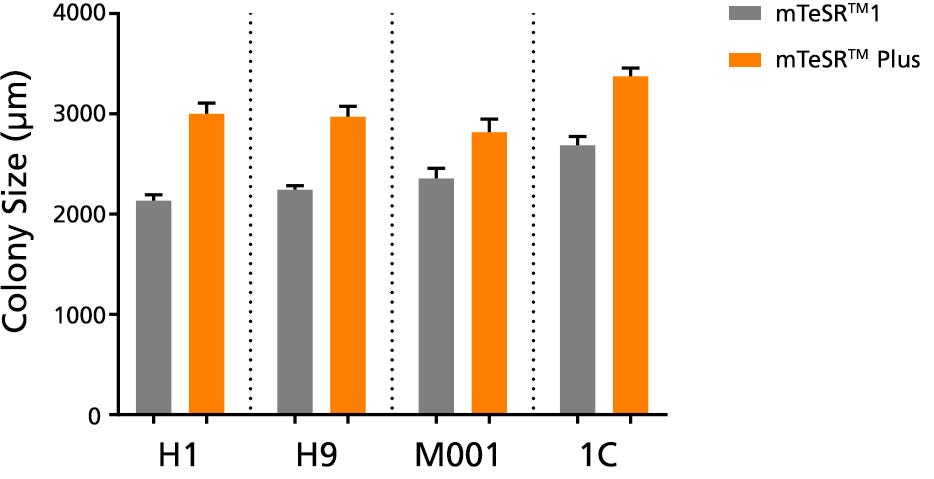
Figure 4. Larger Colonies are Observed in mTeSR™ Plus Cultures

The average colony size per passage (± SEM) was obtained for human ES (H1, H9) and iPS (STiPS-M001, WLS-1C) cells cultured in mTeSR™1 (daily feeds) or mTeSR™ Plus (restricted feeds) on Corning® Matrigel® over 10 passages. Size was determined by measuring representative colony diameters at harvest. Note that this data is representative of cultures passaged at a 7-day passaging interval; smaller colony size should be expected if using shorter passaging intervals.

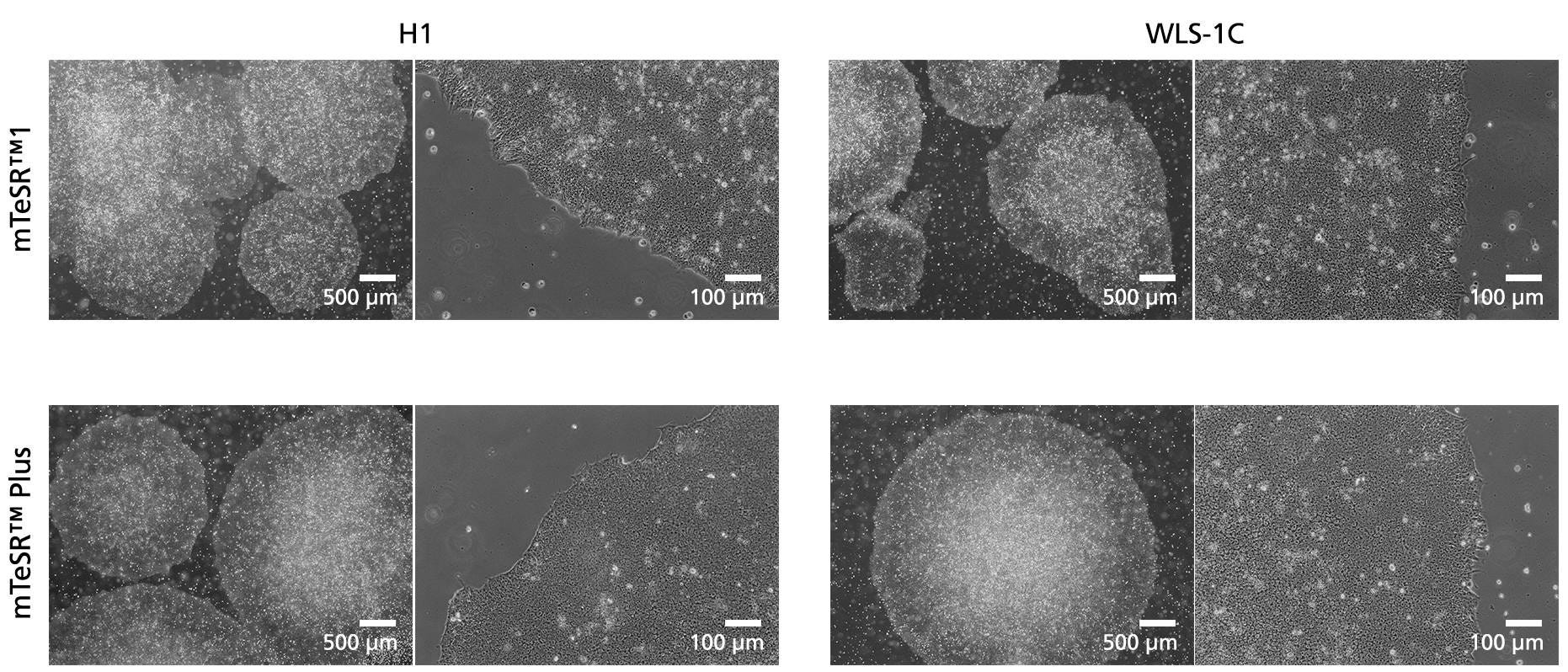
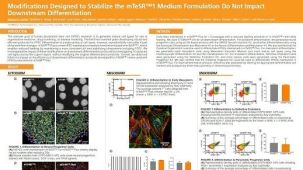
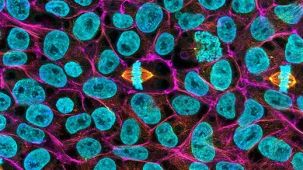
Figure 5. Normal human ES and iPS Cell Morphology is Observed in mTeSR™ Plus Cultures

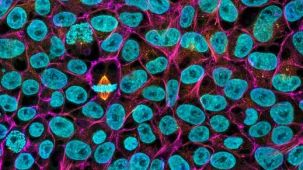
Images depict undifferentiated human hES (H1) and iPS (WLS-1C) cells cultured on Corning®️ Matrigel®️ matrix in mTeSR™1 with daily feeds or mTeSR™ Plus with restricted feeds. Cells retain the prominent nucleoli and high nuclear-to-cytoplasmic ratio characteristic of this cell type after 10 passages. Densely packed cells and multi-layering are prominent when cells are ready to be passaged.

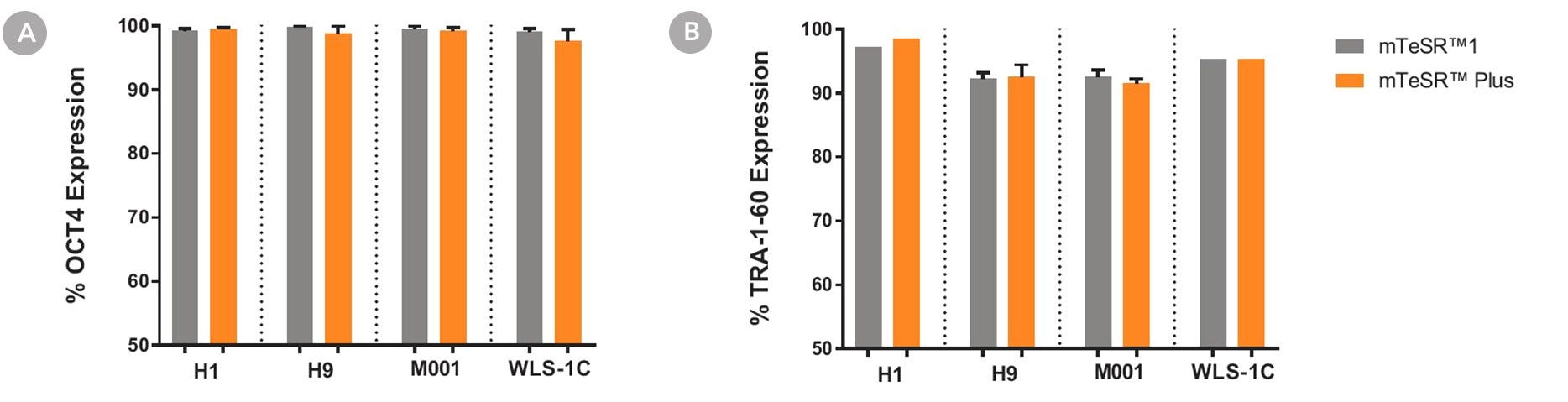
Figure 6. Cells Cultured in mTeSR™ Plus Medium with Restricted Feeding Express Undifferentiated Cell Markers

Human ES (H1, H9) and iPS (WLS-1C, STiPS-M001) cells were characterized using flow cytometry for undifferentiated cell markers, (A) OCT3/4 and (B) TRA-1-60. Graphs show average expression (± SEM) results from analyses of duplicate wells every 5 passages for up to 10-15 passages in mTeSR™1 (daily feeds), or mTeSR™ Plus (restricted feeds).

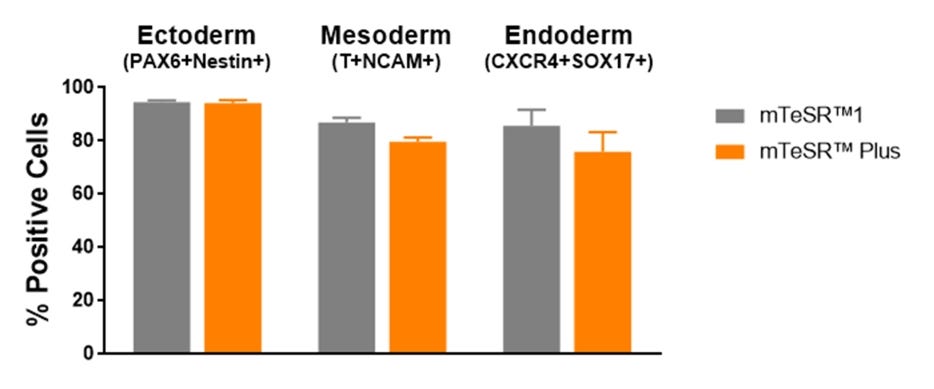
Figure 7. Cells Maintained in mTeSR™ Plus with Restricted Feeding Have Comparable Differentiation Efficiencies to Cells Maintained in mTeSR™1

Human ES (H1, H9) and iPS (WLS-1C, STiPS-M001) cells were maintained in mTeSR™1 (daily feeds) or mTeSR™ Plus (restricted feeds). Cells were differentiated using directed differentiation protocols and subjected to flow cytometry analysis. Graphs show average expression (± SEM) results from the 4 cell lines. The markers used for flow cytometry for each germ layer are listed in the bar titles.

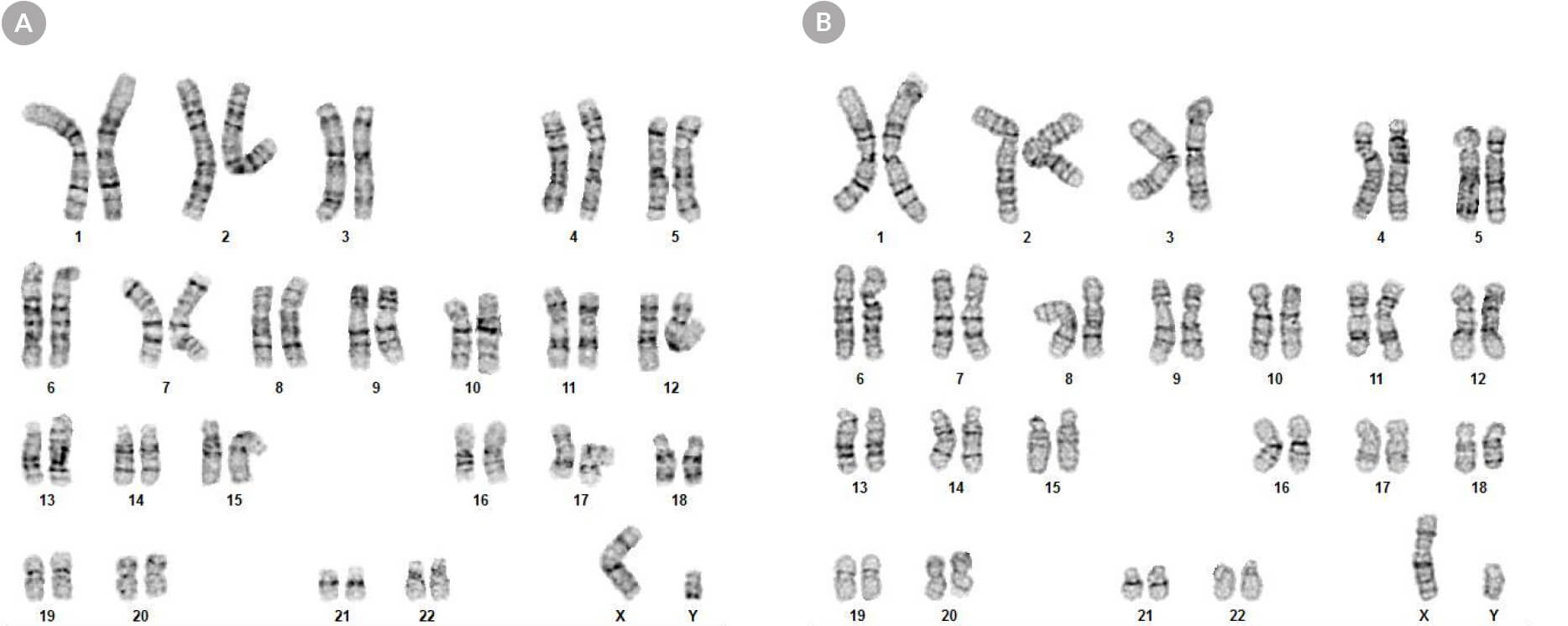
Figure 8. hPSCs Cultured in mTeSR™ Plus with Restricted Feeding Maintain a Normal Karyotype

Karyograms of (A) human ES (H1) and (B) iPS (WLS-1C) cells cultured in mTeSR™ Plus for 30 passages shows a normal karyotype is retained.

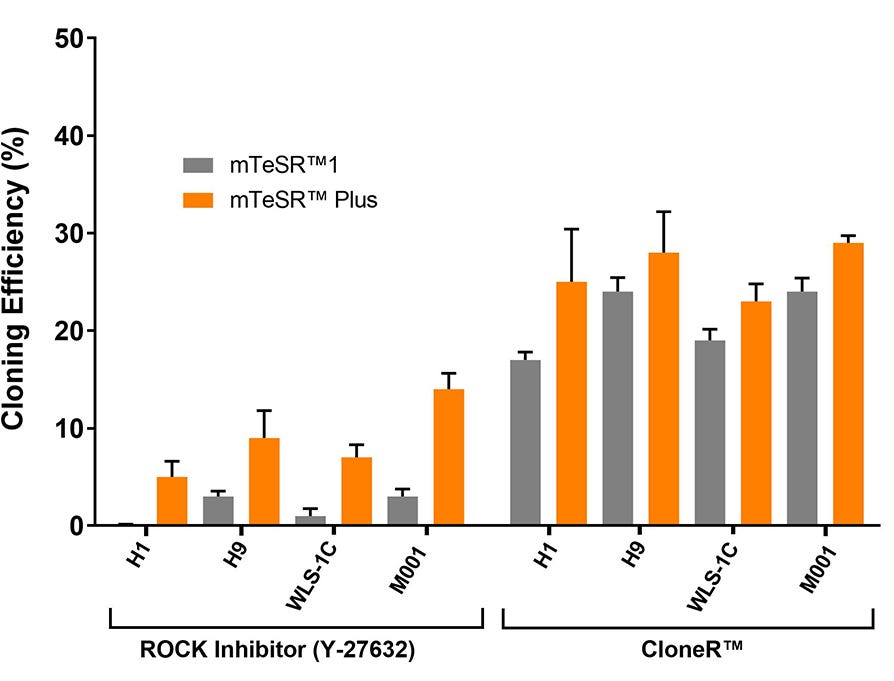
Figure 9. High Cloning Efficiency of hPSCs in mTeSR™ Plus Supplemented with CloneR™

hPSCs (H1, H9, WLS-1C, and STiPS-M001) plated in mTeSR™ Plus with CloneR™ demonstrate cloning efficiencies equal to or greater than hPSCs in mTeSR™1 with CloneR™. Cells were seeded at clonal density (25 cells/cm²) in mTeSR™1 or mTeSR™ Plus on CellAdhere™ Vitronectin™ XF™-coated plates. n ≧ 3 biological replicates.

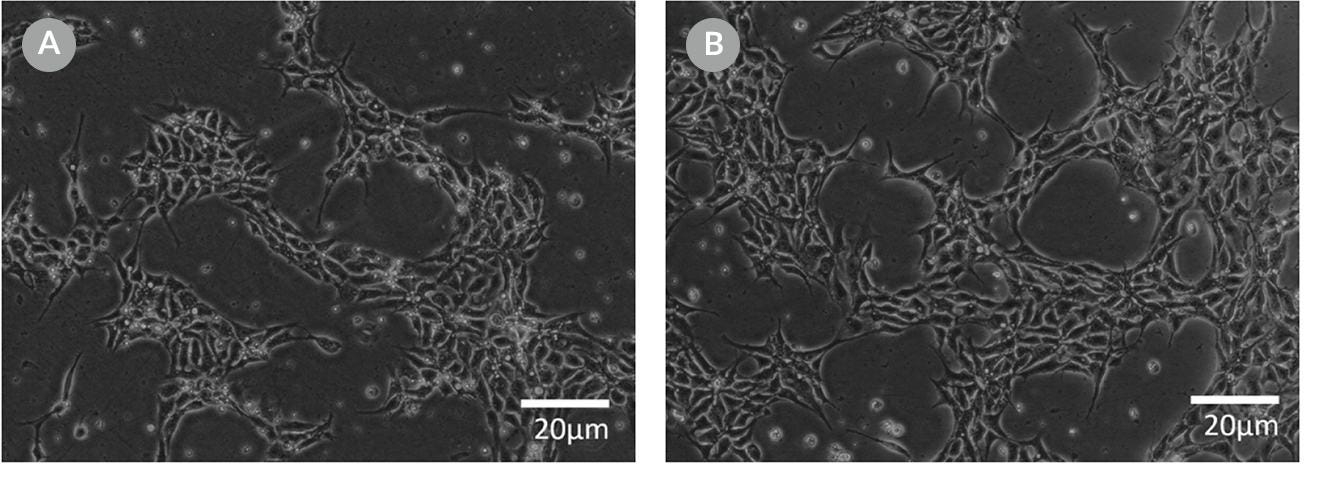
Cell morphology images of ES cells plated in mTeSR™1 and mTeSR™ Plus and supplemented with CloneR™ immediately following RNP electroporation.

Figure 10. Representative Cell Morphology 24 Hours After RNP Electroporation in mTeSR™1 and mTeSR™ Plus

H1-eGFP ES cells were plated in (A) mTeSR™1 and (B) mTeSR™ Plus and supplemented with CloneR™ immediately following RNP electroporation. Images were taken 24 hours after electroporation.

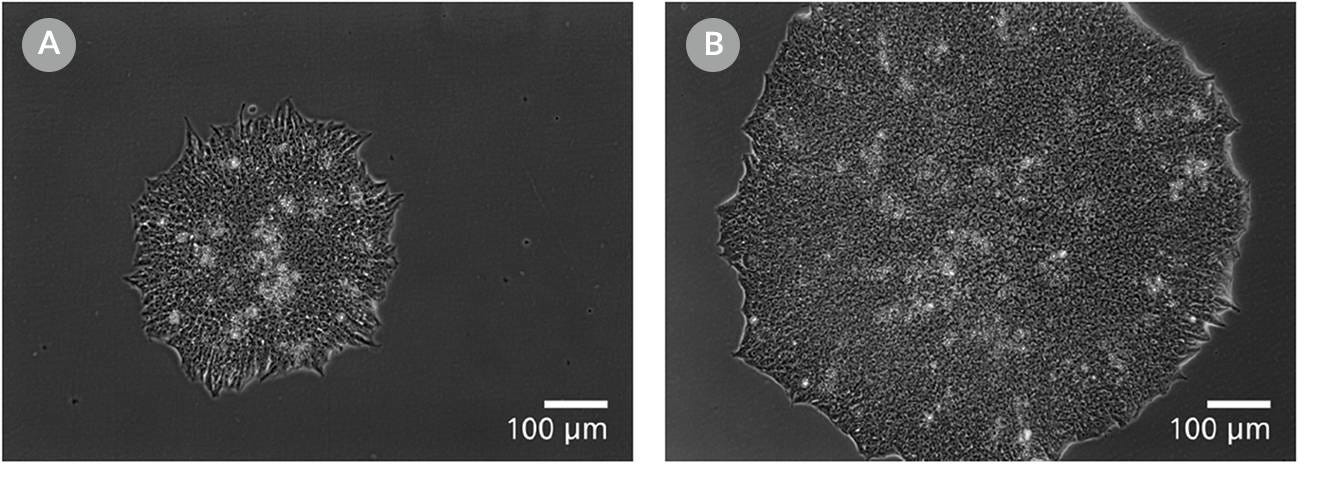
Cell images of human ES colonies plated in mTeSR™1 and mTeSR™ Plus and supplemented with CloneR™ on CellAdhere™ Vitronectin™ XF™-coated plates.

Figure 11. Clones Derived in mTeSR™ Plus are Larger and Ready to Be Picked at an Earlier Timepoint

Representative images of human ES (H9) colonies taken 8 days following singlecell plating at clonal density (25 cells/cm²) in either (A) mTeSR™1 or (B) mTeSR™ Plus supplemented with CloneR™ on CellAdhere™ Vitronectin™ XF™-coated plates.

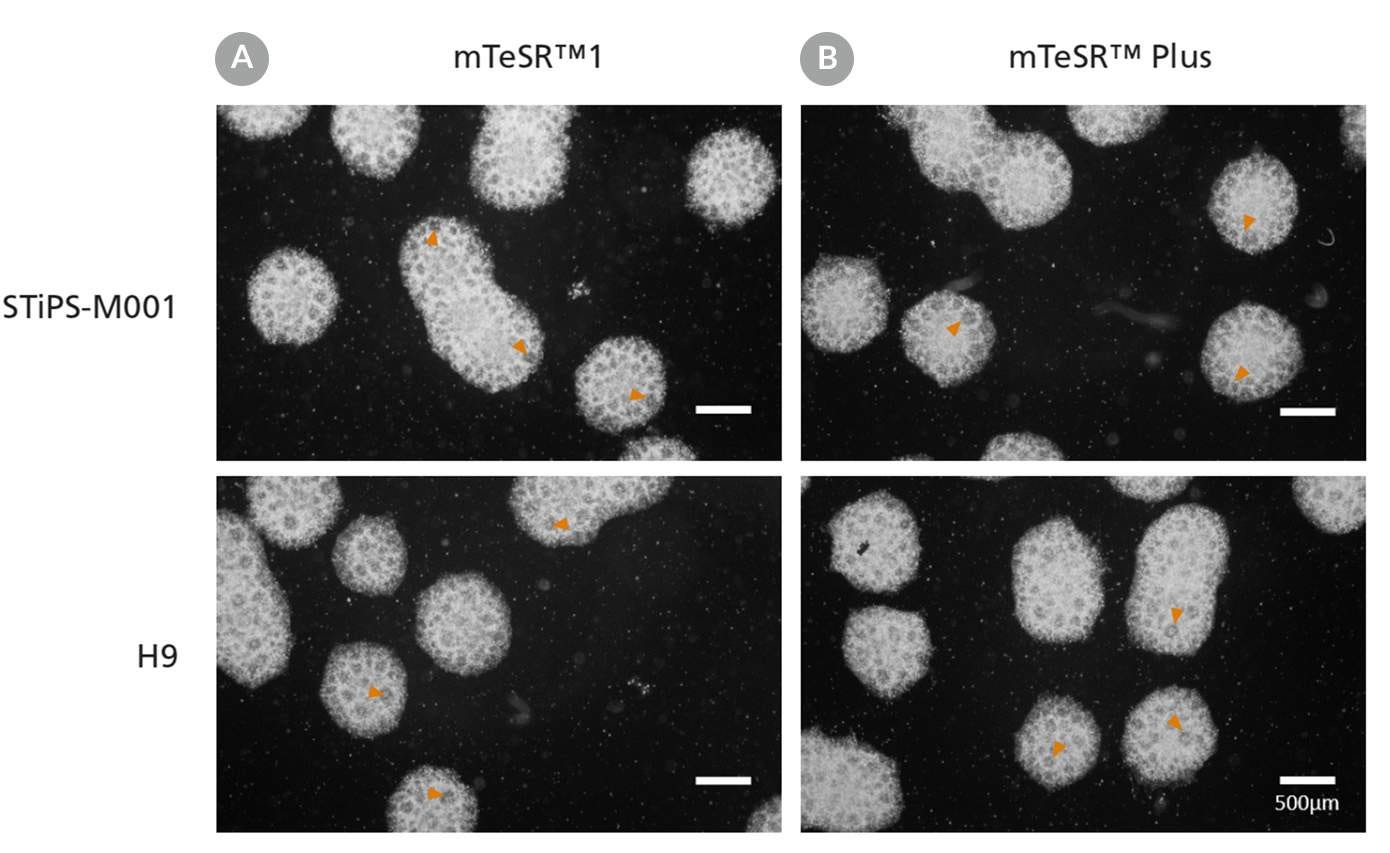
Cell morphology images of neural progenitor cells maintained in mTeSR™1 or mTeSR™ Plus. Arrowheads point to clearly displayed neural rosettes after replating embryoid bodies.

Figure 12. Generation of Neural Progenitor Cells from hPSCs Maintained in mTeSR™ Plus

Human ES (H9) and iPS (STiPS-M001) cells were maintained in (A) mTeSR™1 with daily feeds or (B) mTeSR™ Plus with restricted feeds and differentiated using an embryoid body (EB)-based protocol with STEMdiff™ SMADi Neural Induction Kit. Neural progenitor cells derived from hPSCs maintained in either mTeSR™1 or mTeSR™ Plus clearly display neural rosettes (arrowheads) after replating EBs.

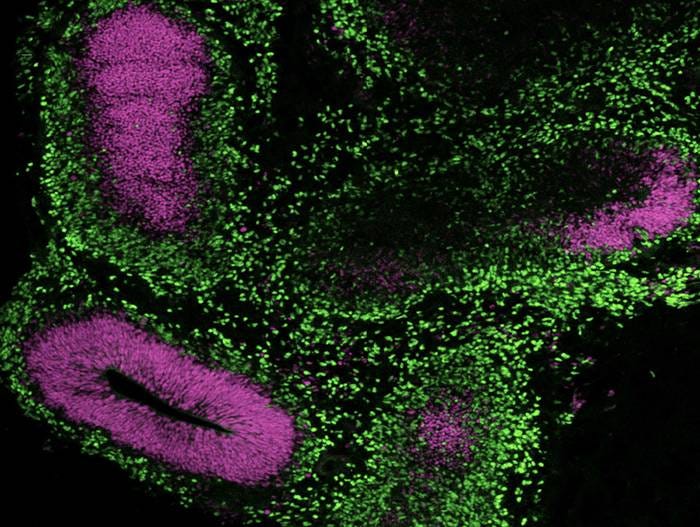
Immunocytochemistry image of a cerebral organoid cultured in mTeSR™ Plus and directed to cerebral organoids using the STEMdiff™ Cerebral Organoid Kit.

Figure 13. Generation of Cerebral Organoids from hPSCs Maintained in mTeSR™ Plus

Human ES (H9) cells were cultured with mTeSR™ Plus and directed to cerebral organoids using the STEMdiff™ Cerebral Organoid Kit. Image shows apical progenitor marker SOX2 (purple) and neuronal marker TBR1 (green).

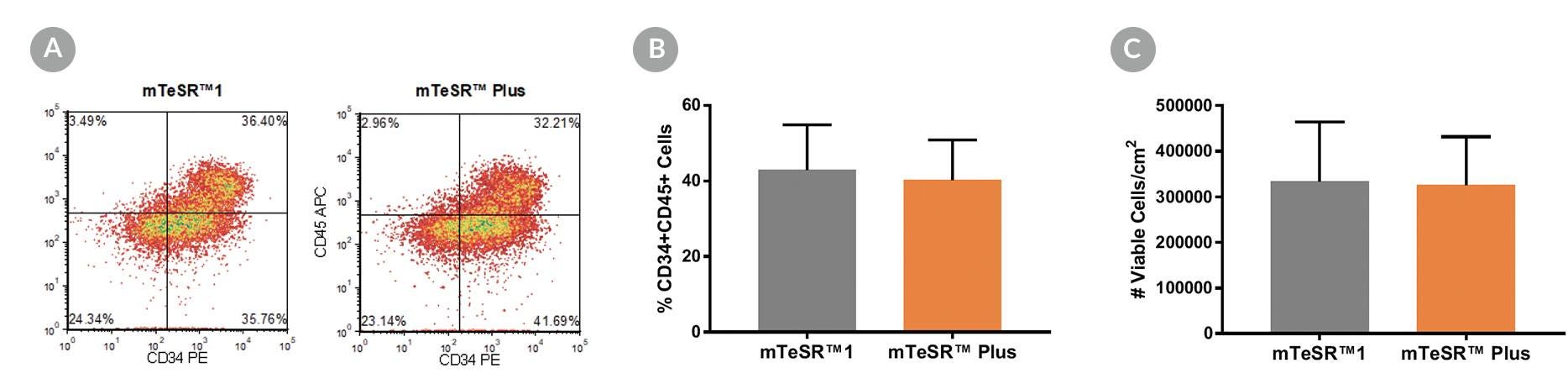
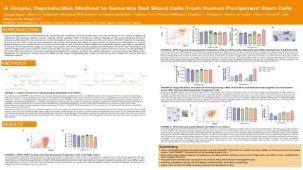
Density plots showing CD34+ and CD45+ expression and percentage of cells co-expressing CD34+ and CD45+ and graphs showing total number of viable cells harvested.

Figure 14. Generation of Hematopoietic Progenitor Cells from hPSCs Maintained in mTeSR™ Plus

Human ES (H1, H9) and iPS (STiPS-M001, WLS-1C) cell lines maintained in mTeSR™1 (daily feeds) or mTeSR™ Plus (restricted feeds) were differentiated to hematopoietic progenitor cells using the STEMdiff™ Hematopoietic Kit. At the end of the differentiation period, cells were harvested from the supernatant and analyzed by flow cytometry for co-expression of CD34+ and CD45+ . (A) Representative density plots showing CD34+ and CD45+ expression, (B) percentage of cells co-expressing CD34+ and CD45+ , and (C) total number of viable cells harvested are shown. Data are expressed as the mean (± SEM); n=4.

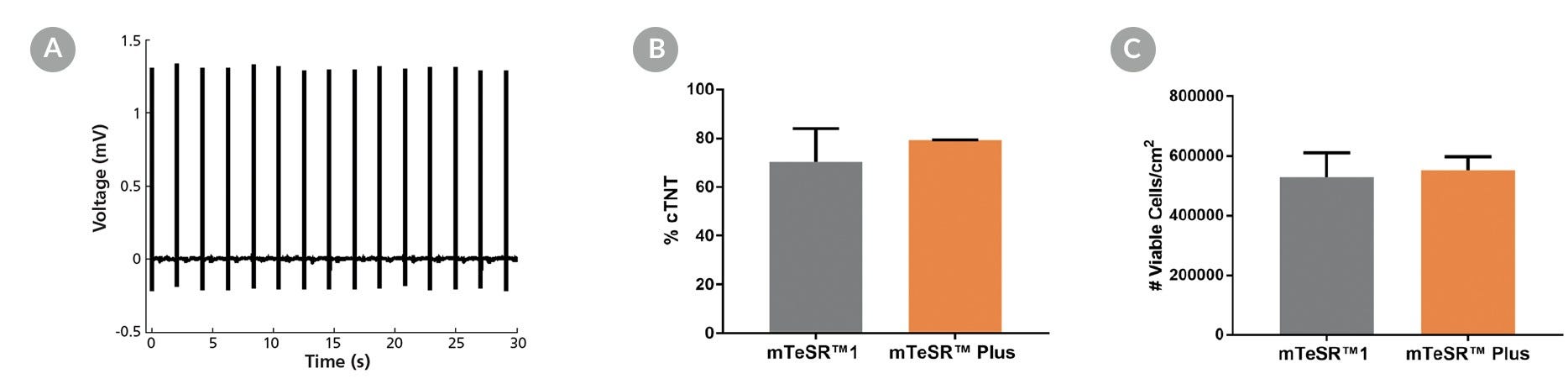
Microelectrode array and flow cytometry of human ES and iPS cells maintained in mTeSR™1 (daily feeds) or mTeSR™ Plus (restricted feeds) and differentiated to cardiomyocytes using the STEMdiff™ Cardiomyocyte Differentiation Kit.

Figure 15. Generation of Cardiomyocytes from hPSCs Maintained in mTeSR™ Plus

Human ES (H9) and iPS (WLS-1C) cells were maintained in mTeSR™1 (daily feeds) or mTeSR™ Plus (restricted feeds) and differentiated to cardiomyocytes using the STEMdiff™ Cardiomyocyte Differentiation Kit. At the end of the differentiation period, cells were harvested and analyzed by microelectrode array (MEA) and flow cytometry. (A) Representative MEA voltage recordings of cardiomyocytes (day 20) demonstrate a characteristic electrical profile and stable beat rate. (B) Percentages of cells expressing cTNT and (C) total number of viable cells harvested are shown. Data are expressed as the mean (± SEM); n=2.

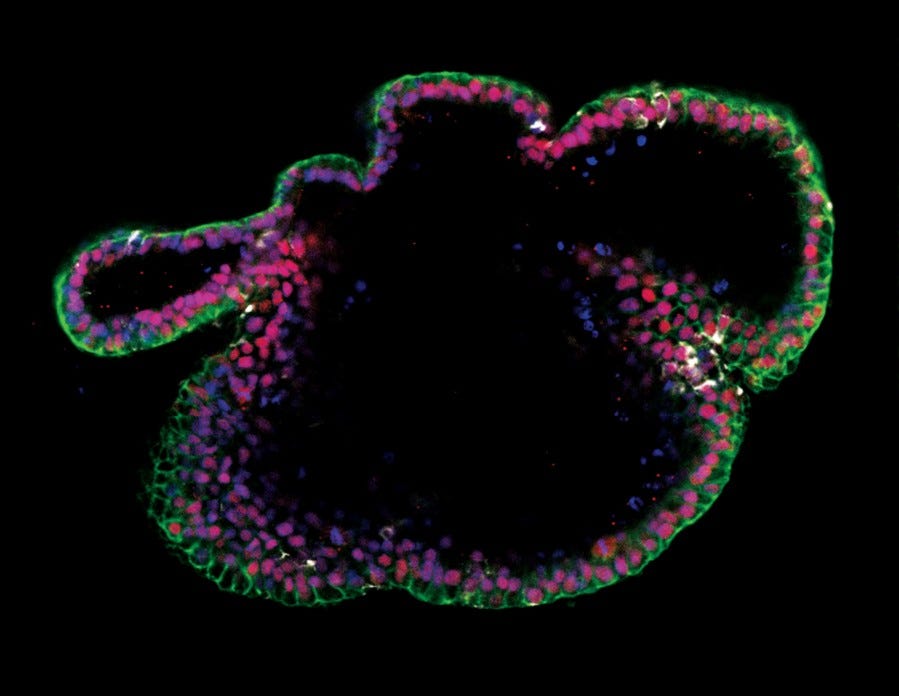
Immunocytochemistry image of an intestinal organoid cultured in mTeSR™ Plus and directed to intestinal organoids using the STEMdiff™ Intestinal Organoid Kit.

Figure 16. Generation of Intestinal Organoids from hPSCs Maintained in mTeSR™ Plus

Human ES (H9) cells were cultured with mTeSR™ Plus and directed to intestinal organoids using the STEMdiff™ Intestinal Organoid Kit. Image shows markers of the intestinal epithelium EpCAM (green) and CDX2 (red), and intestinal mesenchyme marker vimentin (white). Nuclei are counterstained with DAPI (blue).

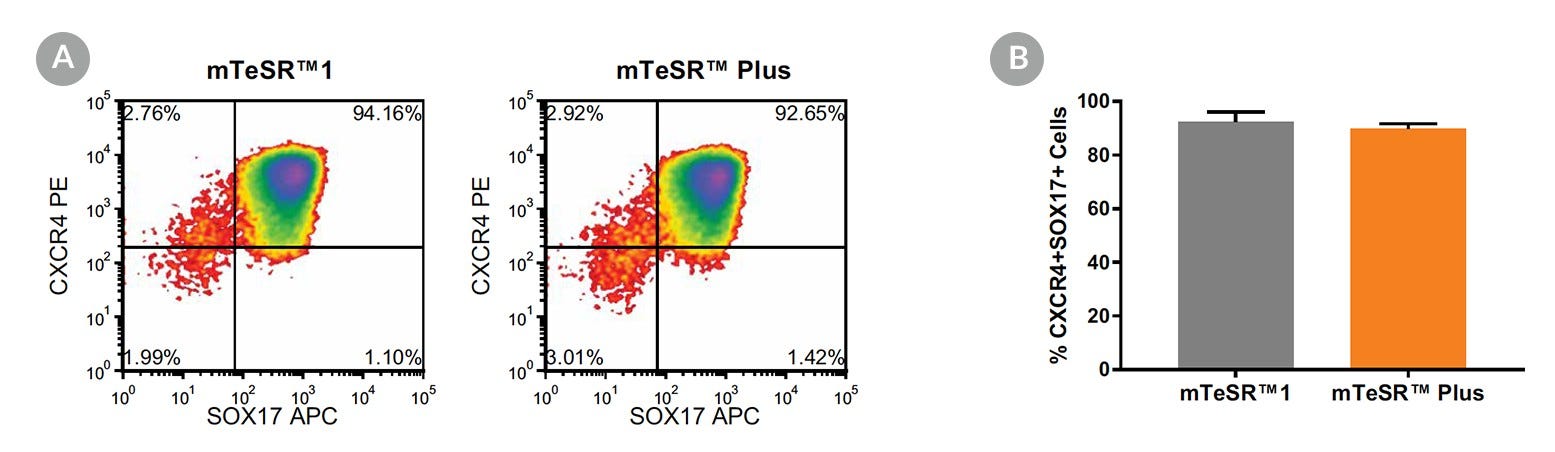
Density plots and quantitative analysis showing CXCR4 and SOX17 expression in cells cultured in mTeSR™1 (daily feeds) or mTeSR™ Plus (restricted feeds), following 5 days of differentiation using the STEMdiff™ Definitive Endoderm Kit.

Figure 17. Generation of Definitive Endoderm from hPSCs Maintained in mTeSR™ Plus

(A) Representative density plots showing CXCR4 and SOX17 expression in cells cultured in mTeSR™1 (daily feeds) or mTeSR™ Plus (restricted feeds), following 5 days of differentiation using the STEMdiff™ Definitive Endoderm Kit. (B) Quantitative analysis of definitive endoderm formation in multiple hPSC lines (H9, STiPS-M001, WLS-1C) maintained with mTeSR™1 or mTeSR™ Plus as measured by co-expression of CXCR4 and SOX17. Data are expressed as the mean percentage of cells (± SEM) expressing both markers; n=3.

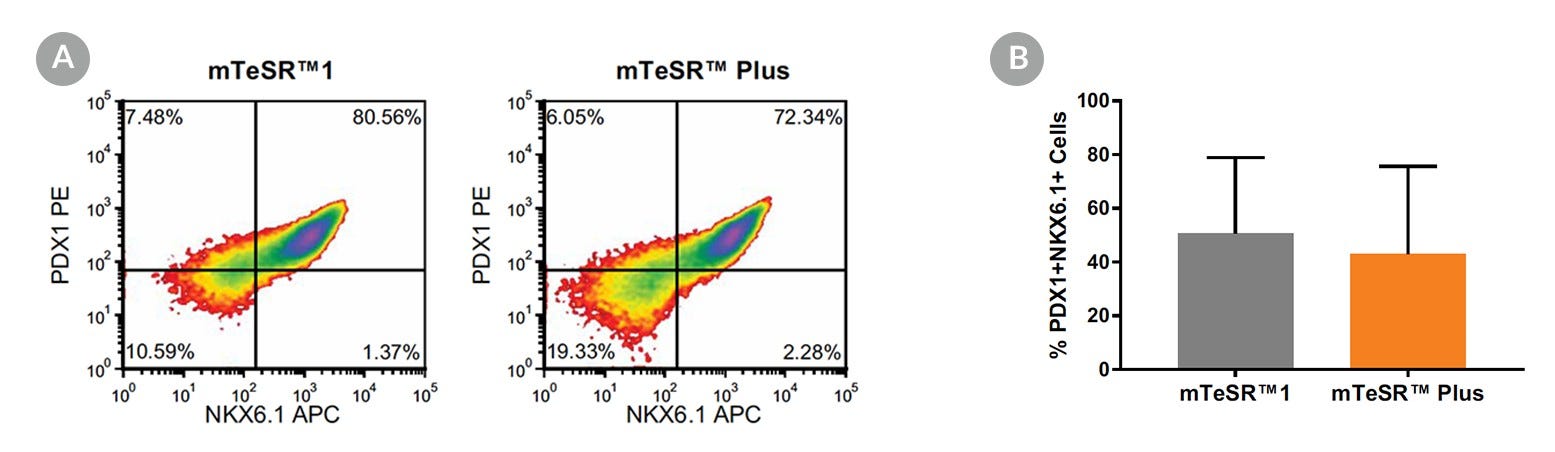
Density plots and quantitative analysis showing PDX-1 and NKX6.1 expression in cells cultured in mTeSR™1 or mTeSR™ Plus, following 5 days of differentiation using the STEMdiff™ Pancreatic Progenitor Kit.

Figure 18. Generation of Pancreatic Progenitors from hPSCs Maintained in mTeSR™ Plus

(A) Representative density plots showing PDX-1 and NKX6.1 expression in cells cultured in mTeSR™1 (daily feeds) or mTeSR™ Plus (restricted feeds), following differentiation using the STEMdiff™ Pancreatic Progenitor Kit. (B) Quantitative analysis of pancreatic progenitor formation in multiple hPS (H9, STiPS-M001, WLS-1C) cell lines maintained with mTeSR™1 or mTeSR™ Plus as measured by co-expression of PDX-1 and NKX6.1. Data are expressed as the mean percentage of cells (± SEM) expressing both markers; n=3.

产品说明书及文档

请在《产品说明书》中查找相关支持信息和使用说明,或浏览下方更多实验方案。

Document Type
Product Name
Catalog #
Lot #
Language
Product Name
mTeSR™ Plus
Catalog #
100-1130, 100-0276
Lot #
All
Language
English
Document Type
Technical Manual
Product Name
mTeSR™ Plus
Catalog #
100-0276, 100-1130
Lot #
All
Language
English
Document Type
Safety Data Sheet 1
Product Name
mTeSR™ Plus
Catalog #
100-1130, 100-0276
Lot #
All
Language
English
Document Type
Safety Data Sheet 2
Product Name
mTeSR™ Plus
Catalog #
100-1130
Lot #
All
Language
English
Document Type
Safety Data Sheet 3
Product Name
mTeSR™ Plus
Catalog #
100-1130, 100-0276
Lot #
All
Language
English
The Certificate of Analysis for this product has been updated for newly released materials. To access respective CoAs please use this tool.

应用领域

本产品专为以下研究领域设计,适用于工作流程中的高亮阶段。探索这些工作流程,了解更多我们为各研究领域提供的其他配套产品。

相关材料与文献

技术资料 (56)

文献 (245)

Proteomics of Patient-Derived Striatal Medium Spiny Neurons in Multiple System Atrophy N. J. Smandzich et al. Cells 2025 Sep

Abstract

The rare and rapidly progressive neurodegenerative disease multiple system atrophy (MSA) mainly affects the striatum and other subcortical brain regions. In this atypical Parkinsonian syndrome, the protein alpha-synuclein aggregates and misfolds in neurons as well as glial cells and is released in elevated amounts by hypoexcitable neurons. Mitochondrial dysregulation affects the biosynthesis of coenzyme Q10 and the activity of the respiratory chain, as shown in an induced pluripotent stem cell (iPSC) model. Proteome studies of cerebrospinal fluid and brain tissue from MSA patients yielded inconsistent results regarding possible protein changes due to small and combined groups of atypical Parkinsonian syndromes. In this study, we analysed the cellular proteome of MSA patient-derived striatal GABAergic medium spiny neurons. We observed 25 significantly upregulated and 16 significantly downregulated proteins in MSA cell lines compared to matched healthy controls. Various protein types involved in diverse molecular functions and cellular processes emphasise the multifaceted pathomechanisms of MSA. These data could contribute to the development of novel disease-modifying treatment strategies for MSA patients.
Selective agonists of KIR and NKG2A to evade missing self response of natural killer cells S. Hiura et al. Scientific Reports 2025 Sep

Abstract

Immune rejection is one of the most serious challenges in allogeneic transplantation, including allogeneic induced pluripotent stem cell (allo-iPSC)-derived cell therapy. Beta-2-Microglobulin gene-knockout, human leukocyte antigen (HLA) class I-deficient iPSCs can evade immune rejection by host T cells, which occurs due to HLA mismatches. However, natural killer (NK) cells recognize HLA class Ⅰ-deficient cells and reject them, which is known as the missing-self response. Introducing chimeric HLA-E protein to HLA class Ⅰ-deficient iPSCs suppresses the missing-self response of NK cells expressing the inhibitory receptor NKG2A; however, technology to suppress NKG2A-negative NK cells is still required. Here, we developed novel agonists for the other inhibitory receptor, killer immunoglobulin receptor (KIR), on NK cells. We found that antibodies that bind to activating KIR enhance NK cell activation and developed selective agonists for inhibitory KIRs (KIR2DL1, KIR2DL2/3, and KIR3DL1). Introducing these selective inhibitory KIR agonists on T cells and HLA class Ⅰ-deficient iPSCs allowed them to evade immune rejection by NK cells. Additionally, we identified an NKG2A-selective agonist as an alternative to chimeric HLA-E, which stimulates the activating receptor NKG2C. This technology enhances immune tolerance in allo-iPSCs and facilitates the development of various iPSC-derived regenerative medicines. The online version contains supplementary material available at 10.1038/s41598-025-18394-z. Subject terms: Allotransplantation, NK cells
Reaching a cell monolayer at the end of hiPSC differentiation enhances neural crest lineage commitment F. M. Duarte et al. PLOS One 2025 Sep

Abstract

Neural crest stem cells (NCSCs) compose a highly migratory, multipotent, stem cell population arising from the neural plate border of the embryonic ectoderm. Investigating the development of NCSCs is critical in understanding both embryonic development and abnormal events that underlie neurocristopathies. Suggested seeding densities in in vitro human induced pluripotent stem cells (hiPSCs) differentiation protocols, varying between 10,000 cells/cm 2 and 200,000 cells/cm 2 , demonstrate a lack of consensus on the optimal conditions to obtain NCSCs. Aiming to maximize the differentiation efficiency of hiPSCs towards the NCSCs lineage, we investigated the effect of the initial seeding density on NCSCs lineage commitment, both in fibroblast- and human peripheral blood mononuclear cell (PBMC)-derived hiPSCs. Cultures were characterized with gene and protein expression analysis assessing stemness ( OCT3/4 and NANOG ), neural crest identity ( SNAI2 and SOX10 ) and neuroectoderm identity ( PAX6 and SOX1 ). We demonstrate that reaching a confluent monolayer of cells by the end of the differentiating protocol is crucial to obtaining NCSCs from hiPSCs. To achieve this, our results indicated 17,000 cells/cm 2 is the optimal initial seeding density. Under this protocol, a confluent monolayer was reached after 8 days of differentiation and an average of 89% SOX10 positive cells were obtained. The fold change of SNAI2 and SOX10 expression was 11-fold and 17-fold higher, respectively, in cultures seeded with 17,000 cells/cm 2 , compared to the highest tested density of 200,000 cells/cm 2 . In contrast, seeding 200,000 cells/cm 2 induced neuroectoderm-like cells, confirmed by an average of 45% of cells marking positive for PAX6. With this work, we demonstrate the importance of achieving cellular confluency during NCSCs differentiation.

更多信息

更多信息
物种 人类
配方 无血清
法律声明:

本产品系基于WiCell™研究院(WiCell™ Research Institute)知识产权授权许可开发。本产品的出售目的仅限于基于不可转让、用途受限之许可下的研究用途(无论购买者为学术机构或营利性主体)。购买本产品并不被授予为商业用途(即,以获利为目的的任何行为,如将本产品用于制造用途、或转售本产品或使用本产品所制成的任何材料、或将本产品或使用本产品所制成的材料用于提供服务)或临床应用(即,将本产品或本产品所用材料应用于人体)而出售、使用或另行转让本产品的权利,或出于基础临床前研究应用(包括但不限于畸胎瘤试验)以外的目的,由营利性主体或与其合作,将使用本产品制造的任何材料植入动物体内的权利。
购买者若不同意前述条款和条件,应保持产品完好,将其退还出售方以获退款。

质量保证:

产品仅供研究使用,不用于针对人或动物的诊断或治疗。 欲获悉更多关于STEMCELL的质控信息,请访问 STEMCELL.CN/COMPLIANCE.
Copyright © 2025 by STEMCELL Technologies. All rights reserved.

在线联系