若您需要咨询产品或有任何技术问题,请通过官方电话 400 885 9050 或邮箱 info.cn@stemcell.com 与我们联系。

IntestiCult™ 类器官生长培养基 (人)

用于建立和维持人肠道类器官的培养基
只有 %1
¥6,992.00

产品号 #(选择产品)

产品号 #06010_C

用于建立和维持人肠道类器官的培养基

产品优势

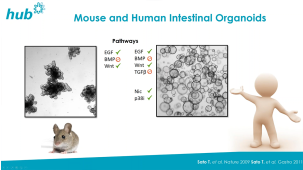
  • 简便的体外系统,可重现成年肠上皮的多项关键特性,包括细胞内及细胞间的信号传导、自我维持的干细胞微环境以及腔道内外物质的功能性转运
  • 完整的培养基配方,确保实验结果的一致性
  • 可在一周内生成肠道类器官
  • 易于操作的形式和优化的实验方案

产品组分包括

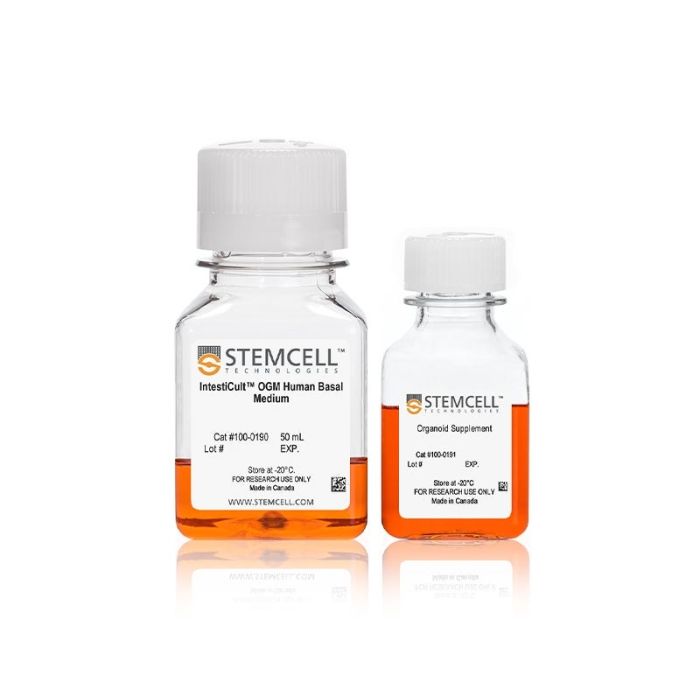
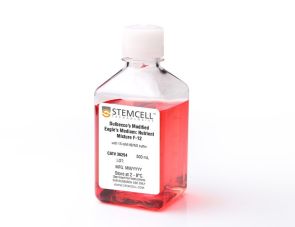
  • IntestiCult™ 类器官生长基础培养基 (人),50 mL
  • 类器官补充剂,50 mL
Interested in trying STEMCELL’s organoid products for your intestinal research? Fill out the form to request information about introductory offers.
专为您的实验方案打造的产品
要查看实验方案所需的所有配套产品,请参阅《实验方案与技术文档》

What Our Scientist Says

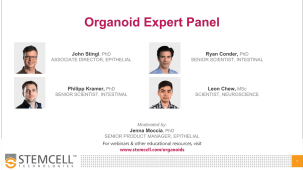
Organoids have truly expanded the limits of what's possible for in vitro studies of the intestinal epithelium. By providing optimized culture media and robust, approachable protocols, we are making these technologies more accessible to researchers.

Ryan ConderAssociate Director, Gastrointestinal Biology
Ryan Conder, Associate Director

总览

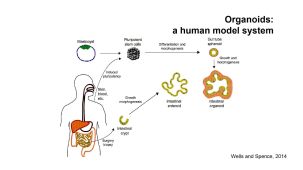
使用该完整培养基配方和优化的实验方案,构建和维持肠道类器官,以模拟成年肠上皮的关键特性。凭借该易于操作且有效的实验流程,可在一周内自人体肠隐窝衍生出类器官;富集的干细胞群促进了不同供体来源的类器官的生长,即使是原本较难培养的供体样本也能获得良好结果。

在IntestiCult™ 类器官生长培养基 (人)中生长的类器官包含一个由具有极性的肠上皮细胞层包围而成的功能性腔体结构。为满足多样化的建模应用,这些类器官可在三维结构中,或在浸没式单层培养或气液界面(ALI)培养的二维结构中,通过 IntestiCult™ 类器官分化培养基(人)(产品号 #100-0214)实现进一步分化。

肠类器官培养的应用包括研究肠道上皮的发育和功能、构建肠道疾病模型,以及在肠道模型中筛选分子的有效性和毒性。肠类器官培养还可用于研究成体干细胞特性及再生治疗方法。

欢迎通过我们的免费点播课程学习人肠类器官的培养方法,或浏览关于使用 IntestiCult™ 进行类器官培养流程的常见问题(FAQs)。此外,您还可以下载我们的电子书《肠道类器官培养方案:入门指南及进阶方案》,获取肠类器官培养方案的精选合集。

如果您打算将本产品用于商业目的,请通过www.huborganoids.nl与HUB Organoids B.V.联系,以获取商业用途许可或HUB Organoids B.V.许可的相关说明。


分类
专用培养基
 
细胞类型
肠道细胞
 
种属

 
应用
细胞培养,分化,扩增,培养,类器官培养
 
品牌
IntestiCult
 
研究领域
疾病建模,药物发现和毒理检测,上皮细胞研究,干细胞生物学
 

实验数据

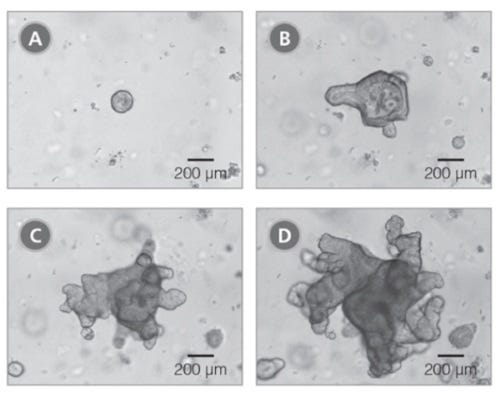
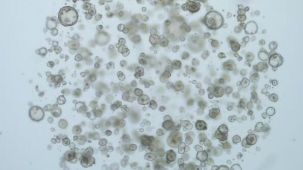
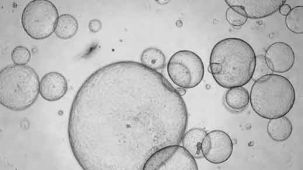
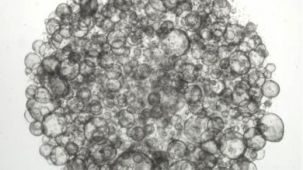
Figure 1. Primary Organoids Grown in IntestiCult™ Organoid Growth Medium (Human) are Fully Mature After 10-14 Days in Culture

Primary organoids were cultured from human colonic biopsy samples and grown in IntestiCult Organoid Growth Medium (Human). Organoids were imaged after (A) two days, (B) six days, (C) eight days and (D) ten days growth.

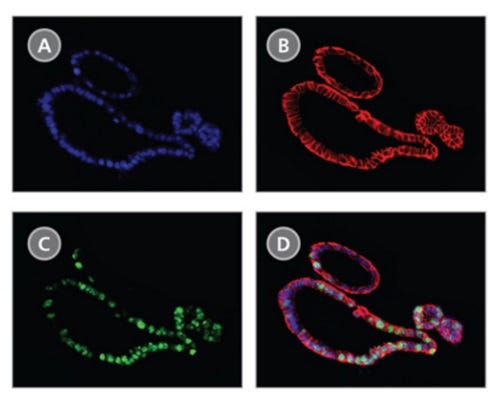
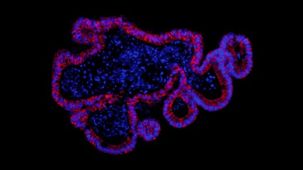
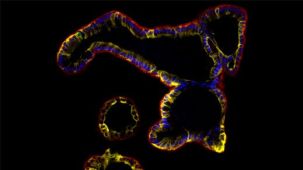
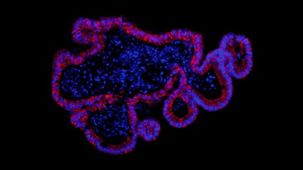
Figure 2. Organoids Grown in IntestiCult™ Organoid Growth Medium (Human) Display Markers of Human Intestinal Epithelial Cells

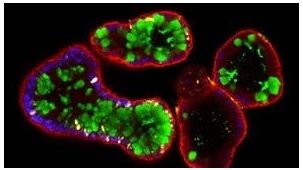
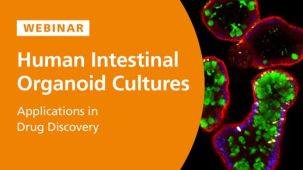
Immunofluorescence of organoids grown in IntestiCult™ Organoid Growth Medium (Human) showing colocalization of (A) DAPI, (B) EPCAM and (C) Ki67. (D) A merged image shows the position of actively proliferating (Ki67+) intestinal stem cells within the epithelial layer (EPCAM+).

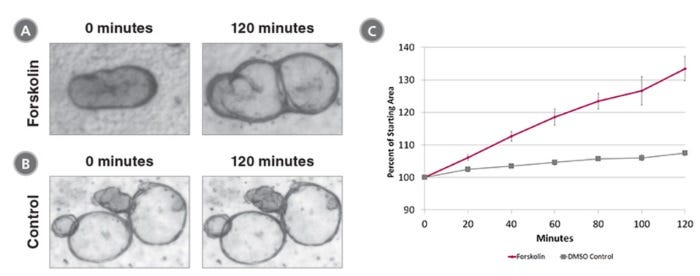
Figure 3. Forskolin-Induced Swelling of Organoids Grown in IntestiCult™ Organoid Growth Medium (Human)

Organoids were treated with (A) 5 μM Forskolin or (B) DMSO and organoid area was measured at 0 minutes and 120 minutes. (C)Forskolin-treated organoids increased in size 33.5 ± 3.8% compared to 7.5 ± 0.8% for DMSO-treated organoids.

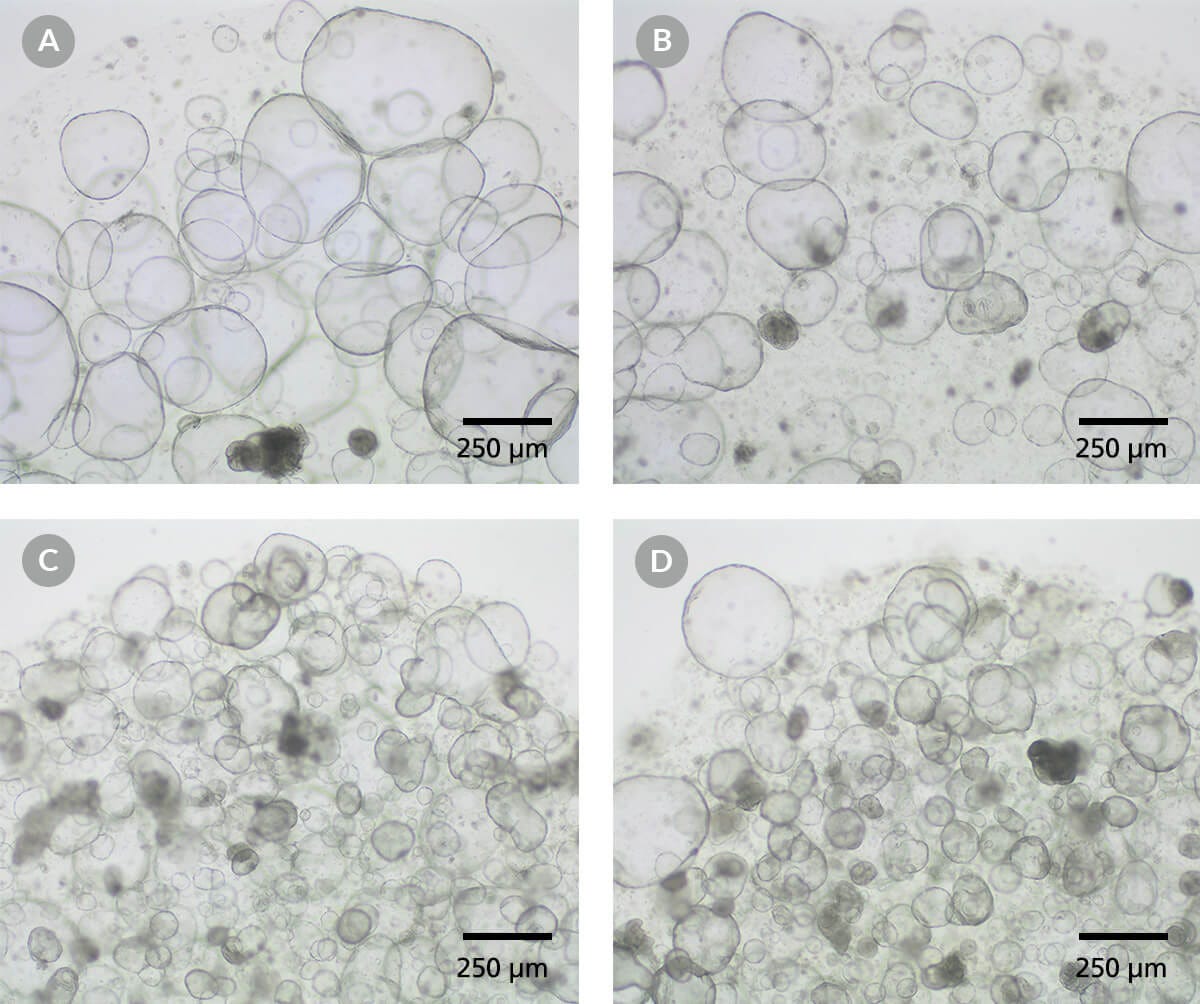
Figure 4. IntestiCult™ Organoid Growth Medium (Human) Supports the Growth of Organoids in Multiple Extracellular Matrices

Intestinal organoid cultures were prepared in IntestiCult™ Organoid Growth Medium (Human) and plated in (A) Matrigel® Growth Factor Reduced Basement Membrane Matrix (Corning® catalog # 356231), (B) Geltrex® LDEV-Free Reduced Growth Factor Basement Membrane Matrix (Gibco™ catalog # A1413202), (C) Cultrex® Reduced Growth Factor Basement Membrane Extract, Type 1 (R&D Systems™ catalog # 3433-005-R1), and (D) Cultrex® Reduced Growth Factor Basement Membrane Extract, Type 2 (R&D Systems™ catalog # 3533-005-02). Organoid cultures are imaged at the end of passage 4. All four extracellular matrices supported robust growth of human intestinal organoids. Scale bars = 250 μm.

Data and images of the MIMETAS OrganoReady Colon Organoid Plate

Figure 5. The MIMETAS OrganoReady® Colon Organoid Platform Uses IntestiCult™ to Create an Advanced Physiologically Relevant Model for Gastrointestinal Toxicity Testing and Barrier Integrity

(A) The OrganoReady® plate highlighting the microfluidic compartments.

(B) Schematic of the OrganoReady® microfluidic compartments where columns 1, 2, and 3 house the medium, a collagen-1 matrix, and the colon organoid tubule, respectively.

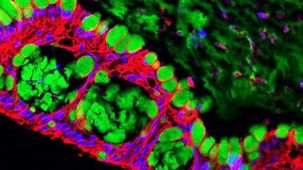
(C) Immunofluorescence staining of the colon organoid tubule confirms an adult tissue phenotype with the presence of goblet cells (Muc2), enterocytes (Occludin), and stem cells (Sox9). The 3D-lumenized structure provides apical (Ezrin) and basolateral (Integrin-β4) access to the polarized epithelium. Additionally, the organoid tubules show polarized and modulatable activity of expression of P-glycoprotein (Pgp).

(D) The OrganoReady® Colon Organoid platform supports toxicity testing, as demonstrated by dose-dependent measurements of TEER, LDH, and ATP following exposure to Afatinib (n = 4, N = 2). After 72 hrs of exposure, a dose dependent decrease in TEER, cytotoxicity, and cell viability was observed. For more information, please visit mimetas.com/en/organoready-organoid/.

产品说明书及文档

请在《产品说明书》中查找相关支持信息和使用说明,或浏览下方更多实验方案。

Document Type
Product Name
Catalog #
Lot #
Language
Catalog #
06010
Lot #
All
Language
English
Document Type
Safety Data Sheet 1
Catalog #
06010
Lot #
All
Language
English
Document Type
Safety Data Sheet 2
Catalog #
06010
Lot #
All
Language
English
Document Type
Safety Data Sheet 3
Catalog #
06010
Lot #
All
Language
English
Document Type
Safety Data Sheet 4
Catalog #
06010
Lot #
All
Language
English

应用领域

本产品专为以下研究领域设计,适用于工作流程中的高亮阶段。探索这些工作流程,了解更多我们为各研究领域提供的其他配套产品。

相关材料与文献

技术资料 (62)

Brochure

文献 (33)

Differential Cytotoxicity of Surface-Functionalized Silver Nanoparticles in Colorectal Cancer and Ex-Vivo Healthy Colonocyte Models M. Barbalinardo et al. Cancers 2025 Apr

Abstract

This study investigates the use of silver nanoparticles as a potential new treatment for colorectal cancer. Colorectal cancer is one of the most common cancers worldwide, and finding more effective treatments is essential. The researchers tested silver nanoparticles AgNPs with two different surface coatings to see how they affect cancer cells compared to healthy cells. One type of nanoparticles showed significant effects, reducing cancer cell growth and inducing cell death, while the other had minimal impact. These findings suggest that modifying the surface of nanoparticles could help target cancer cells more specifically, leading to treatments that are both more effective and have fewer side effects. This research could pave the way for new therapies for colorectal cancer and other types of cancer, ultimately improving patient outcomes and advancing cancer treatment strategies.
Discovery of Z1362873773: a novel fascin inhibitor from a large chemical library for colorectal cancer A. Rodríguez-Martínez et al. Scientific Reports 2025 Apr

Abstract

Metastasis is one of the leading causes of cancer-related death worldwide. Fascin, a protein that bundles actin filaments to produce protrusions in cancer cells, plays a significant role in the enhancement of cell migration. This protein has been shown that the overexpression of this protein is related to the appearance of different types of cancer, such as colorectal cancer. In this study, we conducted in silico screening of the Enamine library, a compound library with a broad chemical space. Using a ligand-based virtual screening approach based on the pharmacophore model of G2, we identified the predicted inhibitors. First, these compounds were validated by physicochemical analysis. Differential scanning calorimetry (DSF) was used to study the binding between the predicted compounds and fascin protein, followed by an F-actin bundling assay to determine which compounds inhibited the bundling function of fascin. Z1362873773, which exhibited binding to fascin and inhibited F-actin bundling, was further tested in cell cultures to assess its effects on cancer cell viability and migration as well as in organoid models to evaluate potential cytotoxicity. Finally, we established a protocol that can be applied to discover anti-fascin agents from diverse compound libraries. A new molecule has been identified with considerable fascin inhibitory and migration-arresting capacity, which may lead to the development of new therapies to treat cancer. The online version contains supplementary material available at 10.1038/s41598-025-96457-x. Subject terms: Biochemistry, Biophysics, Cancer, Drug discovery, Molecular biology, Virtual drug screening
Robust and reproducible human intestinal organoid-derived monolayer model for analyzing drug absorption K. Tanaka et al. Scientific Reports 2025 Apr

Abstract

Predicting the absorption of orally administered drugs is crucial to drug development. Current in vitro models lack physiological relevance, robustness, and reproducibility, thus hindering reliable predictions. In this study, we developed a reproducible and robust culture method to generate a human intestinal organoid-derived monolayer model that can be applied to study drug absorption through a step-by-step approach. Our model showed similarity to primary enterocytes in terms of the drug absorption-related gene expression profile, tight barrier function, tolerability toward artificial bile juice, drug transporter and metabolizing enzyme function, and nuclear receptor activity. This method can be applied to organoids derived from multiple donors. The permeability of launched 19 drugs in our model demonstrated a correlation with human Fa values, with an R 2 value of 0.88. Additionally, by combining the modeling and simulation approaches, the estimated FaFg values for seven out of nine drugs, including CYP3A substrates, fell within 1.5 times the range of the human FaFg values. Applying this method to the drug discovery process might bridge the gap between preclinical and clinical research and increase the success rates of drug development.

更多信息

更多信息
物种 人类
法律声明:

This product was developed under a license to intellectual property owned by Hubrecht Organoid Technology (HUB). This product is sold for research use only. Purchase of this product does not include the right to use it for drug screening aiming for commercial gain, equipment validation, biobanking, or for other commercial purposes. Purchasers wishing to use the product for purposes other than basic research use should contact HUB at www.huborganoids.nl to obtain a further license. Purchasers may apply for a License from HUB, which will not be unreasonably withheld by HUB. 质量保证:

产品仅供研究使用,不用于针对人或动物的诊断或治疗。 欲获悉更多关于STEMCELL的质控信息,请访问 STEMCELL.CN/COMPLIANCE.
Copyright © 2025 by STEMCELL Technologies. All rights reserved.

在线联系