若您需要咨询产品或有任何技术问题,请通过官方电话 400 885 9050 或邮箱 info.cn@stemcell.com 与我们联系。

ClonaCell™-HY杂交瘤试剂盒

杂交瘤制备全流程解决方案
只有 %1
¥19,268.00

产品号 #(选择产品)

产品号 #03800_C

完整的杂交瘤生成试剂盒

产品优势

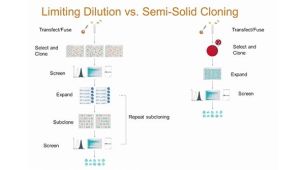
  • 节省时间:将杂交瘤的选择和克隆结合为一步
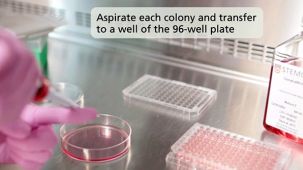
  • 节省资源:单细胞来源的杂交瘤在半固体培养基中形成可见的离散菌落,易于筛选和转移到液体培养基中进行扩增
  • 克隆效率:单个细胞悬浮并固定在半固体培养基中,防止因过度生长而丢失稀有的高产克隆

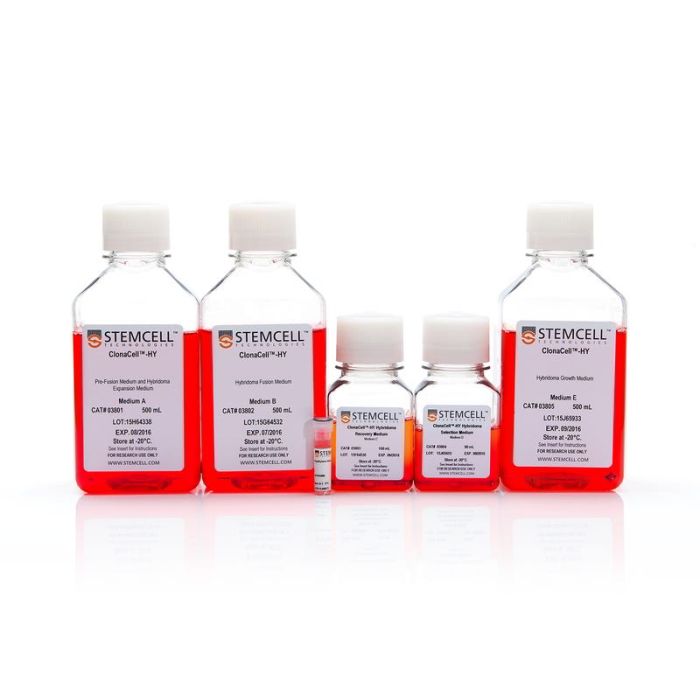
产品组分包括

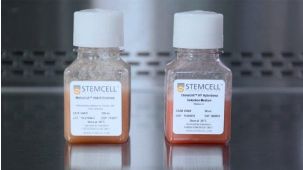
  • ClonaCell™-HY Medium A, 500 mL(目录#03801)
  • ClonaCell™-HY Medium B, 500 mL(目录#03802)
  • ClonaCell™-HY Medium C, 100 mL(目录#03803)
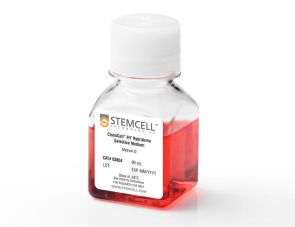
  • ClonaCell™-HY Medium D, 90ml(目录#03804)
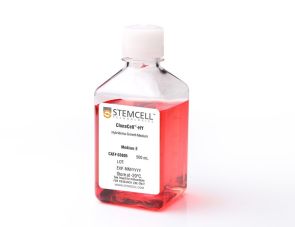
  • ClonaCell™-HY Medium E, 500 mL(目录#03805)
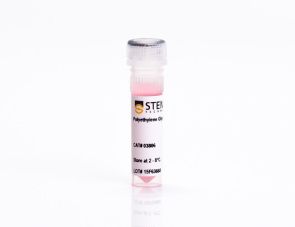
  • ClonaCell™-HY PEG, 1.5 mL(目录#03806)

总览

使用ClonaCell™-HY杂交瘤试剂盒中包含的培养基和试剂,完成杂交瘤开发及单克隆抗体生产的所有步骤:
• ClonaCell™-HY培养基A用于骨髓瘤和杂交瘤培养
• ClonaCell™-HY培养基B用于杂交瘤融合
• ClonaCell™-HY培养基C用于杂交瘤融合后恢复
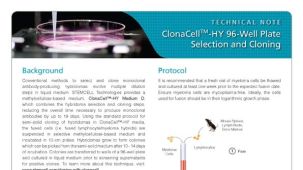
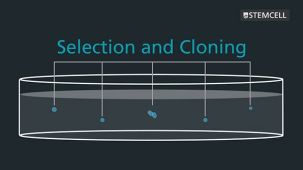
• ClonaCell™-HY培养基D用于杂交瘤筛选与克隆
• ClonaCell™-HY培养基E用于杂交瘤生长
• ClonaCell™-HY PEG用于支持杂交瘤融合

分类
半固体培养基,专用培养基
 
细胞类型
杂交瘤细胞
 
种属
小鼠,其他物种,大鼠
 
应用
细胞培养,杂交瘤制备
 
品牌
ClonaCell
 
研究领域
抗体​制备,细胞系制备,药物发现和毒理检测,杂交瘤制备
 

产品说明书及文档

请在《产品说明书》中查找相关支持信息和使用说明,或浏览下方更多实验方案。

Document Type
Product Name
Catalog #
Lot #
Language
Catalog #
03800
Lot #
All
Language
English
Catalog #
03800
Lot #
All
Language
English
Catalog #
03800
Lot #
All
Language
English
Catalog #
03800
Lot #
All
Language
English
Document Type
Technical Manual
Catalog #
03800
Lot #
All
Language
English
Document Type
Safety Data Sheet
Catalog #
03800
Lot #
All
Language
English

应用领域

本产品专为以下研究领域设计,适用于工作流程中的高亮阶段。探索这些工作流程,了解更多我们为各研究领域提供的其他配套产品。

相关材料与文献

技术资料 (10)

常见问题 (12)

Why is there HT (hypoxanthine, thymidine) in Medium E?

Hybridomas are selected using HAT (hypoxanthine, aminopterin, thymidine). Aminopterin blocks the de novo pathway for synthesizing nucleotide precursors for DNA synthesis. The inhibition of the de novo pathway can persist even after the cells are removed from selection. Hypoxanthine and thymidine (HT) provide the necessary nucleotide precursors for hybridoma cells to synthesize DNA using the salvage pathway. Once the cells are growing well in Medium E, they can be gradually switched to Medium A or another medium without HT.

Is the serum in ClonaCell™-HY media heat inactivated?

Yes, all serum used in ClonaCell™-HY media is heat inactivated.

Is there any IgG in clonacell™-HY media?

While we don't add IgG to the ClonaCell™-HY media, we do add serum, which contains an undefined amount of IgG. We selectively use serum lots with low IgG levels in the production of ClonaCell™-HY media, however, levels vary from lot to lot. IgG levels in a specific lot of ClonaCell™-HY medium are available in the lot-specific Certificate of Analysis.

Are there antibiotics in ClonaCell™-HY media?

These products contain gentamycin rather than penicillin/streptomycin/amphotericin B, because gentamycin is more stable and is a broad spectrum antibiotic that is non-toxic to most mammalian cells in culture.

What is the optimal number of colonies per plate?

We recommend 50-150 colonies per plate. An average fusion will result in approximately 1000 colonies per fusion (approx. 100 colonies per plate). Even if the average number of colonies per plate approaches 300, there should still be enough separation between colonies to pick easily.

Why do I have to put my fused cells into liquid medium overnight? Why can't I just plate directly into Medium D?

We recommend waiting up to 24 hours so that all of the fused cells can go through one cell cycle. This will ensure they have a chance to express HPRT (hypoxanthine guanine phosphoribosyltransferase), the enzyme necessary to survive in the presence of aminopterin (present in Medium D). Additionally, fused cells are very fragile immediately after fusion. Waiting a day before mixing the cells with the methylcellulose will improve their survival. Although it is not recommended, fused cells may be plated on the same day as fusion, but the cells should be allowed to recover for several hours in ClonaCell™-HY Medium C prior to plating.

What myeloma and mouse strains should I use?

Myeloma: There are at least two common myeloma cell lines used to generate hybridomas - SP2/0 and P3X63Ag8.683. Both are available from ATCC. Researchers should ensure that the myeloma line is from a reliable source and is negative for mycoplasma. Mycoplasma contamination of the myeloma line can result in decreased efficiency of hybridoma formation. Mouse: We suggest using BALB/c splenocytes and parental myeloma cells of BALB/c for the following reasons: they are highly immune reactive, well characterized and myeloma cells are available from the same genetic strain. Other mouse strains, however, are also compatible with cloning in ClonaCell™-HY media.

Can I grow human/rat/T cell hybridomas in ClonaCell™-HY?

Although we have not tried to generate human, rat or T cell hybridomas during in-house testing, these experiments are expected to be successful using ClonaCell™-HY. The researcher would need to ensure that the cell lines used in the fusion are sensitive to HAT selection and grow well in methylcellulose-based medium.

There are very few colonies growing in my Medium D. Why?

Low numbers of colonies is generally a result of low fusion efficiency, which can have many causes. The fusion efficiency can be affected by the presence of serum during fusion, the presence of mycoplasma, low viability of cells, overexposure to polyethylene glycol or slow-growing myeloma cells prior to fusion.

Why does the ClonaCell™-HY manual suggest two different methods for fusion (A or B)? Can one expect better results with one method over the other?

Which method chosen is a personal preference and there should not be significant differences in efficiency. Method B is faster and has less steps, but Method B requires you to remove all the PEG before the cells are diluted, so you will risk aspirating cells if not very careful. With Method A, you dilute the PEG with Medium B, so you have less opportunity to lose cells.

Why does the ClonaCell™-HY manual suggest two different methods for fusion (A or B)? Can one expect better results with one method over the other?

A: Which method chosen is a personal preference and there should not be significant differences in efficiency. Method B is faster and has less steps, but Method B requires you to remove all the PEG before the cells are diluted, so you will risk aspirating cells if not very careful. With Method A, you dilute the PEG with Medium B, so you have less opportunity to lose cells.

Once I pick the colonies and grow the cells in plates, will the residual methylcellulose interfere with characterization? For example, will I have problems doing an ELISA?

 There will likely be some residual methylcellulose contamination when colonies are picked and transferred to the 96-well plate with the liquid growth medium. The concentration of methylcellulose, however, should be low enough that it should not interfere with most assays.

文献 (70)

Chicken Primordial Germ Cell Surface Marker T. J. Gough et al. Animals : an Open Access Journal from MDPI 2025 Jun

Abstract

This study focuses on improving the identification of chicken primordial germ cells (PGCs), which are vital for genetic transmission and biotechnological applications. Traditional markers like SSEA1 and CVH have limitations—SSEA1 lacks specificity, and CVH is intracellular. A monoclonal antibody was generated by injecting chicken PGCs into mice, producing one that specifically binds to PGCs and decreases with cell differentiation. Mass spectrometry identified its target as the MYH9 protein. The resulting αMYH9 antibody effectively labels PGCs at various developmental stages, offering a valuable tool for isolating viable PGCs and advancing avian genetics, agriculture, and biotechnology.
A Nanobody/Monoclonal Antibody “hybrid” sandwich technology offers an improved immunoassay strategy for detection of African trypanosome infections S. Odongo et al. PLOS Neglected Tropical Diseases 2024 Jul

Abstract

The scarcity of reliable devices for diagnosis of Animal African trypanosomiasis (AAT) presents a limitation to control of the disease. Existing high-sensitivity technologies such as PCR are costly, laborious, time-consuming, complex, and require skilled personnel. Hence, utilisation of most diagnostics for AAT is impracticable in rural areas, where the disease occurs. A more accessible point-of-care test (POCT) capable of detecting cryptic active infection, without relying on expensive equipment, would facilitate AAT detection. In turn, early management, would reduce disease incidence and severity. Today, several ongoing research projects aim at modifying complex immunoassays into POCTs. In this context, we report the development of an antigen (Ag) detection sandwich ELISA prototype for diagnosis of T . congolense infections, which is comprised of nanobody (Nb) and monoclonal antibody (mAb) reagents. The Nb474H used here, originated from a past study. Briefly, the Nb was engineered starting from mRNA of peripheral blood lymphocytes of an alpaca immunized with soluble lysate of Trypanosoma congolense (TC13). T . congolense glycosomal fructose-1,6-bisphosphate aldolase ( Tco ALD) was discovered as the cognate Ag of Nb474H. In this study, splenocytes were harvested from a mouse immunized with recombinant Tco ALD and fused with NS01 cells to generate a hybridoma library. Random screening of the library on Tco ALD retrieved a lone binder, designated IgM8A2. Using Nb474H as Ag-capture reagent in combination with the IgM8A2 monoclonal antibody Ag-detection reagent resulted in a tool that effectively detects native Tco ALD released during infection by T . congolense parasites. Hitherto, development of POCT for detection of active trypanosome infection is elusive. The Nanobody/Monoclonal Antibody (Nb/mAb) “hybrid” sandwich technology offers prospects for exploration, using the unique specificity of Nb as a key determinant in Ag capturing, while using the versatility of monoclonal Ab to adapt to various detection conditions.
Structural basis for nonneutralizing antibody competition at antigenic site II of the respiratory syncytial virus fusion protein. Mousa JJ et al. Proceedings of the National Academy of Sciences of the United States of America 2016 OCT

Abstract

Palivizumab was the first antiviral monoclonal antibody (mAb) approved for therapeutic use in humans, and remains a prophylactic treatment for infants at risk for severe disease because of respiratory syncytial virus (RSV). Palivizumab is an engineered humanized version of a murine mAb targeting antigenic site II of the RSV fusion (F) protein, a key target in vaccine development. There are limited reported naturally occurring human mAbs to site II; therefore, the structural basis for human antibody recognition of this major antigenic site is poorly understood. Here, we describe a nonneutralizing class of site II-specific mAbs that competed for binding with palivizumab to postfusion RSV F protein. We also describe two classes of site II-specific neutralizing mAbs, one of which escaped competition with nonneutralizing mAbs. An X-ray crystal structure of the neutralizing mAb 14N4 in complex with F protein showed that the binding angle at which human neutralizing mAbs interact with antigenic site II determines whether or not nonneutralizing antibodies compete with their binding. Fine-mapping studies determined that nonneutralizing mAbs that interfere with binding of neutralizing mAbs recognize site II with a pose that facilitates binding to an epitope containing F surface residues on a neighboring protomer. Neutralizing antibodies, like motavizumab and a new mAb designated 3J20 that escape interference by the inhibiting mAbs, avoid such contact by binding at an angle that is shifted away from the nonneutralizing site. Furthermore, binding to rationally and computationally designed site II helix-loop-helix epitope-scaffold vaccines distinguished neutralizing from nonneutralizing site II antibodies.

更多信息

更多信息
物种 其它物种, 大鼠, 小鼠
质量保证:

产品仅供研究使用,不用于针对人或动物的诊断或治疗。 欲获悉更多关于STEMCELL的质控信息,请访问 STEMCELL.CN/COMPLIANCE.
Copyright © 2025 by STEMCELL Technologies. All rights reserved.

在线联系