S. Danačíková et al. (Nov 2025)
Molecular Neurobiology 63 1
Development of Cellular Energy Metabolism During Differentiation of Human iPSCs into Cortical Neurons
Neuronal differentiation requires extensive metabolic remodeling to support increased energetic and biosynthetic demands. Here,we present an integrated multi-omics and functional characterization of metabolic transitions during early differentiation of human induced pluripotent stem cells (iPSCs) into excitatory cortical neurons using doxycycline-inducible overexpression of neurogenin-2 (NGN2). We analyzed parental iPSCs and induced neurons (iNs) at days 7 and 14 of differentiation,integrating gene expression profiling,label-free quantitative proteomics,high-resolution respirometry,fluorescence lifetime imaging microscopy (FLIM),and 13C₆-glucose metabolic flux analysis. Our data reveal progressive metabolic remodeling associated with neuronal maturation,including enhanced oxidative phosphorylation,increased mitochondrial content,and respiratory capacity. Proteomic analyses showed upregulation of mitochondrial and antioxidant pathways,while FLIM indicated a progressive increase in enzyme-bound NAD(P)H,consistent with a shift toward oxidative metabolism. Notably,13C₆-glucose tracing revealed delayed labeling of the intracellular pool of fully labeled glucose and tricarboxylic acid cycle metabolites,together with enhanced labeling of pentose phosphate pathway intermediates and glutathione in iNs,indicating a shift toward biosynthetic and antioxidant glucose utilization during differentiation. Despite this enhancement in mitochondrial function,differentiated neurons maintained glycolytic activity,suggesting metabolic flexibility. Our results define the first week of differentiation as a critical window of metabolic specialization and establish NGN2-iPSC-derived cortical neurons as a versatile and well-characterized model system for investigating bioenergetic remodeling during early human neurodevelopment. It provides a robust foundation for mechanistic insights and high-throughput evaluation of metabolic pathways relevant to human disease.
View Publication
产品类型:
产品号#:
05790
100-0483
100-0484
产品名:
BrainPhys™神经元培养基
Hausser Scientificᵀᴹ 明线血球计数板
ReLeSR™
X. Xia et al. (Nov 2025)
Cell Communication and Signaling : CCS 23 10
Netrin-1-UNC5B/neogenin axis enhances the stemness of colorectal cancer cells
Cancer stem cells were prominent responsible for cancer initiation,metastasis,and invasion as well as therapeutic resistance in colorectal cancer (CRC). The extracellular axon guidance factor netrin-1 has been found to be overexpressed in several malignant cancers such as glioma,lung cancers,and colorectal cancer. However,the role of netrin-1 on cancer stemness in CRC remains unveiled. Our study revealed high expression of netrin-1 in colorectal cancer tissues and its ability to promote cancer stemness by interacting with receptors UNC5B and neogenin on murine colorectal cancer cell. Mechanistically,the netrin-1-UNC5B/neogenin axis activates the downstream NF-κB and ERK1/2 signaling pathways,reinforcing the stemness properties of tumor cells,and further exacerbating tumor progression. Clinically,netrin-1 expression associated with poor survival and high CD133 expression in patients with CRC. Taken together,these results suggest that netrin-1 blockade could be a compelling therapeutic strategy to improve the poor outcomes and trigger cancer stemness inhibition in CRC treatment.
View Publication
产品类型:
产品号#:
01700
产品名:
ALDEFLUOR™ 试剂盒
Y. Li et al. (Jun 2025)
Nature 644 8075
R9AP is a common receptor for EBV infection in epithelial cells and B cells
Epstein-Barr virus (EBV) persistently infects more than 90% of the human population,causing infectious mononucleosis,susceptibility to autoimmune diseases and multiple malignancies of epithelial or B cell-origin. EBV infects epithelial cells and B cells through interaction between viral glycoproteins and different host receptors,but it has remained unknown whether a common receptor mediates infection of its two major host cell targets. Here,we establish R9AP as a crucial EBV receptor for entry into epithelial and B cells. R9AP silencing or knockout,R9AP-derived peptide and R9AP monoclonal antibody each significantly inhibit,whereas R9AP overexpression promotes,EBV uptake into both cell types. R9AP binds directly to the EBV glycoprotein gH/gL complex to initiate gH/gL-gB-mediated membrane fusion. Notably,the interaction of R9AP with gH/gL is inhibited by the highly competitive gH/gL-neutralizing antibody AMMO1,which blocks EBV epithelial and B cell entry. Moreover,R9AP mediates viral and cellular membrane fusion in cooperation with EBV gp42-human leukocyte antigen class II or gH/gL-EPHA2 complexes in B cells or epithelial cells,respectively. We propose R9AP as the crucial common receptor of B cells and epithelial cells and a potential prophylactic and vaccine target for EBV.
View Publication
产品类型:
产品号#:
17846
17846RF
17864
产品名:
EasySep™人EpCAM正选试剂盒II
RoboSep™ 人EpCAM正选试剂盒II
EasySep™人记忆B细胞分选试剂盒
A. E. Herzog et al. (Nov 2025)
Translational Oncology 63 3
Bmi-1 inhibition sensitizes head and neck cancer stem cells to cytotoxic chemotherapy
Cancer stem cells (CSC) drive therapeutic resistance and recurrence in head and neck squamous cell carcinoma (HNSCC). We and others have shown that treatment with cytotoxic chemotherapy agents (e.g. Cisplatin,Carboplatin) induce Bmi-1 expression and increase the fraction of highly tumorigenic CSC in HNSCC. Notably,Bmi-1 is a master regulator of stem cell self-renewal and DNA repair. The purpose of this work was to test whether therapeutic inhibition of Bmi-1 sensitizes HNSCC cancer stem cells to chemotherapy. HNSCC cells (UM-SCC-1,-22A,-22B) were treated with Cisplatin or Carboplatin and subjected to stemness analyses to evaluate the impact of Bmi-1 on chemoresistance. We observed that both,shRNA-mediated Bmi-1 silencing or pharmacologic inhibition of Bmi-1 with the small molecule inhibitor PTC596,blocked chemotherapy-induced cancer stemness (i.e. increase in the fraction of ALDHhighCD44high cells),CSC self-renewal (i.e. orosphere formation) and inhibited protective DNA damage responses in HNSCC. Further,it is known that high IL-6 serum levels correlate with poor HNSCC patient survival,and that platinum-based therapies induce IL-6 signaling. Here,we observed that Bmi-1 silencing (or PTC596 treatment) inhibited the IL-6R/STAT3 signaling pathway even in presence of platinum-based cytotoxic agents (i.e. Cisplatin,Carboplatin). In vivo,Bmi-1 inhibition with PTC596 suppressed Cisplatin-mediated increase in the fraction of ALDHhighCD44high cells (cancer stemness). Collectively,these preclinical results demonstrate that Bmi-1 is a key mediator of head and neck cancer stemness and suggest that HNSCC patients might benefit from treatment with a Bmi-1 inhibitor combined with a conventional chemotherapeutic agent.
View Publication
产品类型:
产品号#:
01700
产品名:
ALDEFLUOR™ 试剂盒
B. Veo et al. (Nov 2025)
Nature Communications 16
Single-cell multi-omics identifies metabolism-linked epigenetic reprogramming as a driver of therapy-resistant medulloblastoma
Medulloblastoma (MB) is the most prevalent malignant brain tumor in children,exhibiting clinical and genomic heterogeneity. Of the four major subgroups,Group 3 tumors (MYC-MB),display high levels of MYC and metastasis rates. Despite treatment with surgery,radiation,and chemotherapy,patients with Group 3 MB are more likely to develop aggressive recurrent tumors with poor survival. To examine resistance mechanisms in this study,we perform single nuclei multiome analysis of matched primary and recurrent tumors. Therapy resistant Medulloblastoma demonstrates an expanded persistent progenitor population. Additionally,distinct chromatin landscapes link to altered transcription and correspond with metabolic reprogramming. In vivo modeling of radiation resistance exhibits similar chromatin-based metabolic reprogramming focused on wild-type isocitrate dehydrogenase (IDH1) activity. IDH1 inhibition reverses resistance-mediated chromatin changes and enables radiation re-sensitization. Ultimately,these findings demonstrate the efficacy of single-cell multiome analysis in elucidating resistance mechanisms and identifying targetable pathways for MYC-driven medulloblastoma. MYC-driven medulloblastoma is highly aggressive and associated with poor survival. Here,the authors perform single nuclei multi-omic analysis of matched primary and recurrent tumours and identify potential resistance mechanisms and targetable pathways.
View Publication
产品类型:
产品号#:
01700
产品名:
ALDEFLUOR™ 试剂盒
L. Bonneau et al. (Dec 2025)
Biology of the Cell 117 12
Generation of Intestinal and Colonic Organoids Derived From Human Pluripotent Stem Cells
Over the past decade,significant advancements have been made in understanding the developmental mechanisms involved in human gastrointestinal formation,with organoids emerging as key experimental models. These three‐dimensional in vitro cellular structures mimic the organization and functions of various gut regions,providing a powerful tool for research. By replicating critical stages of gut development,we can now direct the differentiation of cells into specific gastrointestinal tissues. In this protocol,we outline how to generate two types of organoids derived from human pluripotent stem cells (hPSCs): human intestinal organoids (HIOs) and human colonic organoids (HCOs). First,we induce definitive endoderm formation to produce these organoids and specify midgut/hindgut tissues. Three‐dimensional spheroids form spontaneously,can be collected,embedded in an extracellular matrix,and cultured over time. During this phase,the organoid epithelium develops,supported by a mesenchymal layer that promotes maturation and differentiation. After a month of culture,HIOs and HCOs reach a developmental and maturation stage comparable to that of the human fetal intestine. These organoids can be used to study human gastrointestinal development,model diseases,and test therapeutic agents. Human pluripotent stem cells can be guided through a stepwise differentiation process to produce self‐organizing intestinal and colonic organoids. The resulting organoids recapitulate fetal‐stage epithelial and mesenchymal organization,offering a powerful model to explore human gastrointestinal development and its disorders.
View Publication
SF3B1K700E mutation in human embryonic stem cells causes aberrant expression of immune-related genes
SF3B1,a component of the U2 snRNP pre-mRNA splicing factor,plays a critical role in splicing and is frequently mutated in cancer,particularly hematologic malignancies. We investigated the effects of the most common SF3B1 mutation,heterozygous substitution of Lysine 700 to Glutamate (K700E),in human embryonic stem cells (hESC),using CRISPR-Cas9 to generate heterozygous SF3B1K700E clones. Interestingly,we observed the upregulation of several key transcription regulators associated with hematopoiesis and a broad range of immune genes in SF3B1K700E hESCs. Despite differences in the transcriptional and splicing profiles between hESC and myelodysplastic syndrome (MDS) cells harboring the SF3B1K700E mutation,several common immune gene programs were identified in both cell types. To elucidate the molecular mechanisms underlying dysregulated gene expression in SF3B1K700E hESCs,we mapped actively engaged RNA polymerase II (RNA Pol II) using Precision Run-On sequencing (PRO-seq). These analyses revealed that the SF3B1K700E mutation alters RNA Pol II elongation properties. Specifically,we observed a general increase in pause release in SF3B1K700E hESCs,consistent with recent work in leukemia cells suggesting that the SF3B1K700E mutation affects early transcription elongation. Taken together,our study identifies several candidate genes that could contribute to the SF3B1 mutated phenotype and clarifies the role for the U2 snRNP and pre-spliceosome assembly on transcription by RNA Pol II. Further,our data suggest that mutations of SF3B1 impact immune gene expression independent of cell type,providing new insights into the role of SF3B1K700E in hematologic malignancies.
View Publication
产品类型:
产品号#:
85850
85857
产品名:
mTeSR™1
mTeSR™1
G. Melo et al. (Dec 2025)
PLOS Pathogens 21 12
Activation of B1 B cells by F. tularensis atypical LPS depends on classical complement and C3a
Francisella tularensis (Ft),a Gram-negative bacterium that causes tularemia,possesses a non-inflammatory atypical LPS (LPSFt) that is highly immunogenic through unknown mechanism. We previously showed that immunization with LPSFt,a type 2 T-independent (TI) antigen,elicits protective LPSFt-specific IgM (IgMFt) and IgG3Ft by B1 cells in a mechanism dependent on the IL-5 produced by innate lymphoid cells type 2 (ILC2). Here,we examined the role of complement in the B1 cells’ response against LPSFt. C3-/-,C1q-/- and C4-/- mice immunized with LPSFt failed to produce IgMFt and IgG3Ft. In contrast,the response of Cfb-/- and Mbl1/Mbl2-/- mice was comparable to that of WT mice. Thus,activation of the classical complement cascade,but not the alternative or the Mannose Binding Lectin pathway,is required for activation of B1 cells and production of LPSFt-specific antibodies. Complement activation generates the C3d fragment,which opsonizes antigens for recognition by complement receptor-2 (CR2),and the C3a and C5a anaphylatoxins. Our results show that C3d opsonized LPSFt and that the response to immunization was dependent on CR2 expression by B1 cells. Importantly,the response to LPSFt immunization was also drastically decreased in C3ar1-/-,but not in C5ar1-/- mice. C3a induced IL-5 in ILC2,which supported B1 cells activation. Decreased antibody production in C3ar1-/- and Cr2-/- mice correlated with increased susceptibility to tularemia. Together,these results demonstrate that the high immunogenicity of LPSFt depends on two effector mechanisms triggered by activation of the classical complement pathway: 1) tagging of LPSFt with C3d fragment,leading to its interaction with CR2 expressed by B1 cells; 2) production of the anaphylatoxin C3a that stimulated IL-5 secretion by ILC2. Our study increases our understanding of the B1 cells’ response to TI-2 antigens and identifies two complement effector mechanisms that can be harnessed for therapeutic interventions. Author summaryThe lipopolysaccharide (LPS) of the bacterium Francisella tularensis strongly stimulates B cells for antibody production independently of T cell help through unknown mechanism. In the present study we examined the role of the complement cascade in this process. We found that production of antibodies against this LPS depends on activation of the classical complement pathway but not the MBL-dependent lectin or the alternative pathways. Following complement activation,LPS became tagged with the C3d complement fragment leading to its interaction with the complement receptor CR2 expressed by B cells. Complement activation also resulted in production of the anaphylatoxin C3a that was required for B cells activation,possibly through induction of IL-5 by innate lymphoid cells 2. Our study increases our understanding of the B cells’ response to T-independent antigens and identifies two complement effector mechanisms that can be harnessed for therapeutic interventions.
View Publication
产品类型:
产品号#:
19842
产品名:
EasySep™小鼠ILC2富集试剂盒
R. Listro et al. (Dec 2025)
International Journal of Molecular Sciences 27 1
HuR-Targeted Small Molecules Reduce Pseudomonas aeruginosa Adhesion in Cystic Fibrosis Airway Epithelial Cells
Antibiotic-resistant infections remain a major challenge in cystic fibrosis (CF),where chronic Pseudomonas aeruginosa colonization drives lung infection. The overexpression of adhesion-related proteins and extracellular matrix components,including fibronectin (Fn),facilitates bacterial colonization. Recent evidence identifies the RNA-binding protein Human Antigen R (HuR) as a key regulator of this process,as it stabilizes Vav3 mRNA,promoting Fn deposition and the formation of bacterial docking platforms. Here,we report the synthesis,optimization,and functional evaluation of the HuR-targeted small-molecule (2S,3S)-BOPC1. Functional assays in CF human airway epithelial cells demonstrated that (2S,3S)-BOPC1 significantly reduced P. aeruginosa adhesion in a dose-dependent manner without detectable cytotoxic effects. These findings provide the first evidence that targeting HuR can disrupt the HuR–Vav3–Fn axis,reducing bacterial attachment. This host-directed approach represents a promising strategy to prevent chronic infections in CF without promoting antibiotic resistance.
View Publication
I. Romayor et al. (Feb 2026)
Journal of Tissue Engineering 17 11
Nanopatterned bioresorbable elastomeric scaffolds to promote neural, glial, and endothelial differentiation using human embryonic and induced pluripotent stem cells
Bioresorbable nanopatterned scaffolds functionalized with polydopamine (PDA) and graphene oxide (GO) have been shown to promote the differentiation of murine neural stem cells (mNSCs) toward neural and glial lineages. Herein,we aim to evaluate the compatibility of these scaffolds for the culture and differentiation of both human embryonic (hESCs) and induced pluripotent (hiPSCs) stem cells. Our results indicate that PDA and GO scaffolds support the topographic alignment of hESCs and hiPSCs cultures,while preserving their pluripotency characteristics. Upon differentiation,PDA and GO scaffolds guide cell specification toward the neuroectoderm germ layer and the neural crest. This promotes enhanced differentiation into both neural and supportive glial cells of the central nervous system (CNS),as well as Schwann cells of the peripheral nervous system (PNS). Moreover,nanopatterned scaffolds also support the differentiation of hESCs and hiPSCs toward endothelial precursors. These findings establish a novel culture platform that enables combined differentiation pathways,potentially relevant for applications in personalized medicine and regenerative cell therapy.
View Publication


 EasySep™小鼠TIL(CD45)正选试剂盒





 实验方案Gene Editing Human Pluripotent Stem Cells (hPSCs) Using the CellPore™ Transfection System
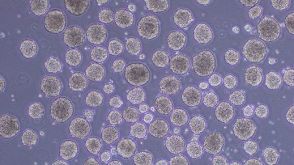 实验方案How to Differentiate hPSCs to Lymphoid-Competent CD34+ Hematopoietic Stem and/or Progenitor Cells Using a Scalable Suspension Protocol
 沪公网安备31010102008431号