Yokoyama A et al. (JUL 2011)
Journal of cell science 124 Pt 13 2208--19
Proteolytically cleaved MLL subunits are susceptible to distinct degradation pathways.
The mixed lineage leukemia (MLL) proto-oncogenic protein is a histone-lysine N-methyltransferase that is produced by proteolytic cleavage and self-association of the respective functionally distinct subunits (MLL(N) and MLL(C)) to form a holocomplex involved in epigenetic transcriptional regulation. On the basis of studies in Drosophila it has been suggested that the separated subunits might also have distinct functions. In this study,we used a genetically engineered mouse line that lacked MLL(C) to show that the MLL(N)-MLL(C) holocomplex is responsible for MLL functions in various developmental processes. The stability of MLL(N) is dependent on its intramolecular interaction with MLL(C),which is mediated through the first and fourth plant homeodomain (PHD) fingers (PHD1 and PHD4) and the phenylalanine/tyrosine-rich (FYRN) domain of MLL(N). Free MLL(N) is destroyed by a mechanism that targets the FYRN domain,whereas free MLL(C) is exported to the cytoplasm and degraded by the proteasome. PHD1 is encoded by an alternatively spliced exon that is occasionally deleted in T-cell leukemia,and its absence produces an MLL mutant protein that is deficient for holocomplex formation. Therefore,this should be a loss-of-function mutant allele,suggesting that the known tumor suppression role of MLL may also apply to the T-cell lineage. Our data demonstrate that the dissociated MLL subunits are subjected to distinct degradation pathways and thus not likely to have separate functions unless the degradation mechanisms are inhibited.
View Publication
产品类型:
产品号#:
03231
产品名:
MethoCult™ M3231
X. Cao et al. (jun 2019)
Stem cell reports 12 6 1282--1297
Differentiation and Functional Comparison of Monocytes and Macrophages from hiPSCs with Peripheral Blood Derivatives.
A renewable source of human monocytes and macrophages would be a valuable alternative to primary cells from peripheral blood (PB) in biomedical research. We developed an efficient protocol to derive monocytes and macrophages from human induced pluripotent stem cells (hiPSCs) and performed a functional comparison with PB-derived cells. hiPSC-derived monocytes were functional after cryopreservation and exhibited gene expression profiles comparable with PB-derived monocytes. Notably,hiPSC-derived monocytes were more activated with greater adhesion to endothelial cells under physiological flow. hiPSC-derived monocytes were successfully polarized to M1 and M2 macrophage subtypes,which showed similar pan- and subtype-specific gene and surface protein expression and cytokine secretion to PB-derived macrophages. hiPSC-derived macrophages exhibited higher endocytosis and efferocytosis and similar bacterial and tumor cell phagocytosis to PB-derived macrophages. In summary,we developed a robust protocol to generate hiPSC monocytes and macrophages from independent hiPSC lines that showed aspects of functional maturity comparable with those from PB.
View Publication
产品类型:
产品号#:
04636
产品名:
MethoCult™ SF H4636
M.-N. Doulgkeroglou et al. (jul 2020)
Frontiers in bioengineering and biotechnology 8 811
Automation, Monitoring, and Standardization of Cell Product Manufacturing.
Although regenerative medicine products are at the forefront of scientific research,technological innovation,and clinical translation,their reproducibility and large-scale production are compromised by automation,monitoring,and standardization issues. To overcome these limitations,new technologies at software (e.g.,algorithms and artificial intelligence models,combined with imaging software and machine learning techniques) and hardware (e.g.,automated liquid handling,automated cell expansion bioreactor systems,automated colony-forming unit counting and characterization units,and scalable cell culture plates) level are under intense investigation. Automation,monitoring and standardization should be considered at the early stages of the developmental cycle of cell products to deliver more robust and effective therapies and treatment plans to the bedside,reducing healthcare expenditure and improving services and patient care.
View Publication
Noel JG et al. (OCT 2001)
Inflammation 25 5 339--49
Thermal injury increases the number of eosinophil progenitors in rat spleen and bone marrow.
We have investigated the effects of thermal injury upon myelopoiesis. IL-3,GM-CSF,and IL-5 were used to stimulate myeloid colony formation. IL-3 induces early myeloid progenitors and a more developed myeloid progenitor,the granulocyte-macrophage colony-forming unit (GM-CFU),to multiply and develop into mature myeloid cells. GM-CSF induces GM-CFU to become mature myeloid cells,while IL-5 induces eosinophil progenitors to become mature eosinophils. Stem Cell Factor (SCF) + IL-6 and FLT3 ligand,which have no effect on colony formation by themselves,were used to enhance the effects of IL-3 and GM-CSF,respectively. We found that thermal injury increased the number of early myeloid progenitors and GM-CFU in the spleen with either IL-3 or GM-CSF as a stimulant. Thermal injury increased the number of early myeloid progenitors in the bone marrow when GM-CSF,but not IL-3,was used to stimulate colony growth. Also,thermal injury increased the numbers of eosinophil progenitors in rat spleen and bone marrow and increased splenic levels of IL-5 mRNA.
View Publication
产品类型:
产品号#:
03534
03134
03231
03234
03334
03434
03444
03236
产品名:
MethoCult™ GF M3534
MethoCult™ M3134
MethoCult™ M3231
MethoCult™ M3234
MethoCult™ M3334
MethoCult™ GF M3434
MethoCult™ GF M3434
MethoCult™ SF M3236
Mahtouk K et al. (MAR 2004)
Blood 103 5 1829--37
An inhibitor of the EGF receptor family blocks myeloma cell growth factor activity of HB-EGF and potentiates dexamethasone or anti-IL-6 antibody-induced apoptosis.
We previously found that some myeloma cell lines express the heparin-binding epidermal growth factor-like growth factor (HB-EGF) gene. As the proteoglycan syndecan-1 is an HB-EGF coreceptor as well as a hallmark of plasma cell differentiation and a marker of myeloma cells,we studied the role of HB-EGF on myeloma cell growth. The HB-EGF gene was expressed by bone marrow mononuclear cells in 8 of 8 patients with myeloma,particularly by monocytes and stromal cells,but not by purified primary myeloma cells. Six of 9 myeloma cell lines and 9 of 9 purified primary myeloma cells expressed ErbB1 or ErbB4 genes coding for HB-EGF receptor. In the presence of a low interleukin-6 (IL-6) concentration,HB-EGF stimulated the proliferation of the 6 ErbB1+ or ErbB4+ cell lines,through the phosphatidylinositol 3-kinase/AKT (PI-3K/AKT) pathway. A pan-ErbB inhibitor blocked the myeloma cell growth factor activity and the signaling induced by HB-EGF. This inhibitor induced apoptosis of patients'myeloma cells cultured with their tumor environment. It also increased patients' myeloma cell apoptosis induced by an anti-IL-6 antibody or dexamethasone. The ErbB inhibitor had no effect on the interaction between multiple myeloma cells and stromal cells. It was not toxic for nonmyeloma cells present in patients' bone marrow cultures or for the growth of hematopoietic progenitors. Altogether,these data identify ErbB receptors as putative therapeutic targets in multiple myeloma.
View Publication
产品类型:
产品号#:
04434
04444
产品名:
MethoCult™ H4434 Classic
MethoCult™ H4434 Classic
Koh K-R et al. (MAY 2005)
Blood 105 10 3833--40
Immunomodulatory derivative of thalidomide (IMiD CC-4047) induces a shift in lineage commitment by suppressing erythropoiesis and promoting myelopoiesis.
Immunomodulatory derivative (IMiD) CC-4047,a new analog of thalidomide,directly inhibits growth of B-cell malignancies in vivo and in vitro and exhibits stronger antiangiogenic activity than thalidomide. However,there is little information on whether CC-4047 affects normal hematopoiesis. Here we investigated the effect of CC-4047 on lineage commitment and differentiation of hematopoietic stem cells. We found that CC-4047 effectively inhibits erythroid cell colony formation from CD34+ cells and increases the frequency of myeloid colonies. We also demonstrate that development of both erythropoietin-independent and erythropoietin-dependent red cell progenitors was strongly inhibited by CC-4047,while terminal red cell differentiation was unaffected. DNA microarray analysis revealed that red cell transcription factors,including GATA-1,GATA-2,erythroid Kruppel-like factor (EKLF),and growth factor independence-1B (Gfi-1b),were down-regulated in CC-4047-treated CD34+ cells,while myeloid transcription factors such as CCAAT/enhancer binding protein-alpha (C/EBPalpha),C/EBPdelta,and C/EBPepsilon were induced. Analysis of cytokine secretion indicated that CC-4047 induced secretion of cytokines that enhance myelopoiesis and inhibit erythropoiesis. In conclusion,these data indicate that CC-4047 might directly influence lineage commitment of hematopoietic cells by increasing the propensity of stem and/or progenitor cells to undergo myeloid cell development and concomitantly inhibiting red cell development. Therefore,CC-4047 provides a valuable tool to study the mechanisms underlying lineage commitment.
View Publication
产品类型:
产品号#:
04434
04444
09600
09650
28600
84434
84444
产品名:
MethoCult™ H4434 Classic
MethoCult™ H4434 Classic
StemSpan™ SFEM
StemSpan™ SFEM
L-Calc™有限稀释软件
Wiedmer T et al. (SEP 2004)
Proceedings of the National Academy of Sciences of the United States of America 101 36 13296--301
Adiposity, dyslipidemia, and insulin resistance in mice with targeted deletion of phospholipid scramblase 3 (PLSCR3).
The phospholipid scramblases (PLSCR1 to PLSCR4) are a structurally and functionally unique class of proteins,which are products of a tetrad of genes conserved from Caenorhabditis elegans to humans. The best characterized member of this family,PLSCR1,is implicated in the remodeling of the transbilayer distribution of plasma membrane phospholipids but is also required for normal signaling through select growth factor receptors. Mice with targeted deletion of PLSCR1 display perinatal granulocytopenia due to defective response of hematopoietic precursors to granulocyte colony-stimulating factor and stem cell factor. To gain insight into the biologic function of another member of the PLSCR family,we investigated mice with targeted deletion of PLSCR3,a protein that like PLSCR1 is expressed in many blood cells but which,by contrast to PLSCR1,is also highly expressed in fat and muscle. PLSCR3(-/-) mice at 2 months of age displayed aberrant accumulation of abdominal fat when maintained on standard rodent chow,which was accompanied by insulin resistance,glucose intolerance,and dyslipidemia. Primary adipocytes and cultured bone-marrow-derived macrophages from PLSCR3(-/-) mice were engorged with neutral lipid,and adipocytes displayed defective responses to exogenous insulin. Plasma of PLSCR3(-/-) mice was elevated in non-high-density lipoproteins,cholesterol,triglycerides,nonesterified fatty acids,and leptin,whereas adiponectin was low. These data suggest that the expression of PLSCR3 may be required for normal adipocyte and/or macrophage maturation or function and raise the possibility that deletions or mutations affecting the PLSCR3(-/-) gene locus may contribute to the risk for lipid-related disorders in humans.
View Publication
产品类型:
产品号#:
03234
产品名:
MethoCult™ M3234
Chen W et al. (JUL 2006)
Blood 108 2 669--77
A murine Mll-AF4 knock-in model results in lymphoid and myeloid deregulation and hematologic malignancy.
The 2 most frequent human MLL hematopoietic malignancies involve either AF4 or AF9 as fusion partners; each has distinct biology but the role of the fusion partner is not clear. We produced Mll-AF4 knock-in (KI) mice by homologous recombination in embryonic stem cells and compared them with Mll-AF9 KI mice. Young Mll-AF4 mice had lymphoid and myeloid deregulation manifest by increased lymphoid and myeloid cells in hematopoietic organs. In vitro,bone marrow cells from young mice formed unique mixed pro-B lymphoid (B220(+)CD19(+)CD43(+)sIgM(-),PAX5(+),TdT(+),IgH rearranged)/myeloid (CD11b/Mac1(+),c-fms(+),lysozyme(+)) colonies when grown in IL-7- and Flt3 ligand-containing media. Mixed lymphoid/myeloid hyperplasia and hematologic malignancies (most frequently B-cell lymphomas) developed in Mll-AF4 mice after prolonged latency; long latency to malignancy indicates that Mll-AF4-induced lymphoid/myeloid deregulation alone is insufficient to produce malignancy. In contrast,young Mll-AF9 mice had predominately myeloid deregulation in vivo and in vitro and developed myeloid malignancies. The early onset of distinct mixed lymphoid/myeloid lineage deregulation in Mll-AF4 mice shows evidence for both instructive" and "noninstructive" roles for AF4 and AF9 as partners in MLL fusion genes. The molecular basis for "instruction" and secondary cooperating mutations can now be studied in our Mll-AF4 model."
View Publication
产品类型:
产品号#:
03534
03630
产品名:
MethoCult™ GF M3534
MethoCult™ M3630
Coleman TR et al. (APR 2006)
Proceedings of the National Academy of Sciences of the United States of America 103 15 5965--70
Cytoprotective doses of erythropoietin or carbamylated erythropoietin have markedly different procoagulant and vasoactive activities.
Recombinant human erythropoietin (rhEPO) is receiving increasing attention as a potential therapy for prevention of injury and restoration of function in nonhematopoietic tissues. However,the minimum effective dose required to mimic and augment these normal paracrine functions of erythropoietin (EPO) in some organs (e.g.,the brain) is higher than for treatment of anemia. Notably,a dose-dependent risk of adverse effects has been associated with rhEPO administration,especially in high-risk groups,including polycythemia-hyperviscosity syndrome,hypertension,and vascular thrombosis. Of note,several clinical trials employing relatively high dosages of rhEPO in oncology patients were recently halted after an increase in mortality and morbidity,primarily because of thrombotic events. We recently identified a heteromeric EPO receptor complex that mediates tissue protection and is distinct from the homodimeric receptor responsible for the support of erythropoiesis. Moreover,we developed receptor-selective ligands that provide tools to assess which receptor isoform mediates which biological consequence of rhEPO therapy. Here,we demonstrate that rhEPO administration in the rat increases systemic blood pressure,reduces regional renal blood flow,and increases platelet counts and procoagulant activities. In contrast,carbamylated rhEPO,a heteromeric receptor-specific ligand that is fully tissue protective,increases renal blood flow,promotes sodium excretion,reduces injury-induced elevation in procoagulant activity,and does not effect platelet production. These preclinical findings suggest that nonerythropoietic tissue-protective ligands,which appear to elicit fewer adverse effects,may be especially useful in clinical settings for tissue protection.
View Publication


 EasySep™小鼠TIL(CD45)正选试剂盒






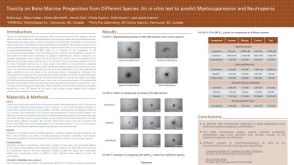 科学海报Toxicity on Bone Marrow Progenitors from Different Species: an In Vitro Test to Predict Myelosuppression and Neutropenia

 沪公网安备31010102008431号