Li J-M et al. (FEB 2007)
Molecular endocrinology (Baltimore,Md.) 21 2 499--511
Angiotensin II-induced neural differentiation via angiotensin II type 2 (AT2) receptor-MMS2 cascade involving interaction between AT2 receptor-interacting protein and Src homology 2 domain-containing protein-tyrosine phosphatase 1.
Angiotensin II (Ang II) type 2 (AT2) receptors are abundantly expressed not only in the fetal brain where they probably contribute to brain development,but also in pathological conditions to protect the brain against stroke; however,the detailed mechanisms are unclear. Here,we demonstrated that AT2 receptor signaling induced neural differentiation via an increase in MMS2,one of the ubiquitin-conjugating enzyme variants. The AT2 receptor,MMS2,Src homology 2 domain-containing protein-tyrosine phosphatase 1 (SHP-1),and newly cloned AT2 receptor-interacting protein (ATIP) were highly expressed in fetal rat neurons and declined after birth. Ang II induced MMS2 expression in a dose-dependent manner,reaching a peak after 4 h of stimulation,and this effect was enhanced with AT1 receptor blocker,valsartan,but inhibited by AT2 receptor blocker PD123319. Moreover,we observed that an AT2 receptor agonist,CGP42112A,alone enhanced MMS2 expression. Neurons treated with small interfering RNA of MMS2 failed to exhibit neurite outgrowth and synapse formation. Moreover,the increase in AT2 receptor-induced MMS2 mRNA expression was enhanced by overexpression of ATIP but inhibited by small interfering RNA of SHP-1 and overexpression of catalytically dominant-negative SHP-1 or a tyrosine phosphatase inhibitor,sodium orthovanadate. After AT2 receptor stimulation,ATIP and SHP-1 were translocated into the nucleus after formation of their complex. Furthermore,increased MMS2 expression mediates the inhibitor of DNA binding 1 proteolysis and promotes DNA repair. These results provide a new insight into the contribution of AT2 receptor stimulation to neural differentiation via transactivation of MMS2 expression involving the association of ATIP and SHP-1.
View Publication
产品类型:
产品号#:
05700
05703
05704
产品名:
NeuroCult™ 基础培养基(小鼠和大鼠)
NeuroCult™ 分化添加物(小鼠和大鼠)
NeuroCult™ 分化试剂盒(小鼠和大鼠)
Nair S et al. (JAN 2007)
Cancer research 67 1 371--80
Vaccination against the forkhead family transcription factor Foxp3 enhances tumor immunity.
Depletion of CD4+CD25+ regulatory T cells (Treg) by treatment with alphaCD25 antibody synergizes with vaccination protocols to engender protective immunity in mice. The effectiveness of targeting CD25 to eliminate Treg is limited by the fact that CD25,the low-affinity interleukin-2 receptor,is up-regulated on conventional T cells. At present,foxp3 is the only product known to be exclusively expressed in Treg of mice. However,foxp3 is not expressed on the cell surface and hence cannot be targeted with antibodies. In this study,we tested the hypothesis that vaccination of mice against foxp3,a self-antigen expressed also in the thymus,is capable of stimulating foxp3-specific CTL that will cause the depletion of Treg and enhanced antitumor immunity. Vaccination of mice with foxp3 mRNA-transfected dendritic cells elicited a robust foxp3-specific CTL response and potentiated vaccine-induced protective immunity comparably with that of alphaCD25 antibody administration. In contrast to alphaCD25 antibody treatment,repeated foxp3 vaccination did not interfere with vaccine-induced protective immunity. Importantly,foxp3 vaccination led to the preferential depletion of foxp3-expressing Treg in the tumor but not in the periphery,whereas alphaCD25 antibody treatment led to depletion of Treg in both the tumor and the periphery. Targeting foxp3 by vaccination offers a specific and simpler protocol for the prolonged control of Treg that may be associated with reduced risk of autoimmunity,introducing an approach whereby specific depletion of cells is not limited to targeting products expressed on the cell surface.
View Publication
产品类型:
产品号#:
19751
19751RF
18554
18554RF
18564
18564RF
产品名:
Outeiro TF et al. (JUL 2007)
Science (New York,N.Y.) 317 5837 516--9
Sirtuin 2 inhibitors rescue alpha-synuclein-mediated toxicity in models of Parkinson's disease.
The sirtuins are members of the histone deacetylase family of proteins that participate in a variety of cellular functions and play a role in aging. We identified a potent inhibitor of sirtuin 2 (SIRT2) and found that inhibition of SIRT2 rescued alpha-synuclein toxicity and modified inclusion morphology in a cellular model of Parkinson's disease. Genetic inhibition of SIRT2 via small interfering RNA similarly rescued alpha-synuclein toxicity. Furthermore,the inhibitors protected against dopaminergic cell death both in vitro and in a Drosophila model of Parkinson's disease. The results suggest a link between neurodegeneration and aging.
View Publication
产品类型:
产品号#:
73052
73054
产品名:
AGK2
Kim YD et al. (FEB 2008)
Diabetes 57 2 306--14
Metformin inhibits hepatic gluconeogenesis through AMP-activated protein kinase-dependent regulation of the orphan nuclear receptor SHP.
OBJECTIVE Metformin is an antidiabetic drug commonly used to treat type 2 diabetes. The aim of the study was to determine whether metformin regulates hepatic gluconeogenesis through the orphan nuclear receptor small heterodimer partner (SHP; NR0B2). RESEARCH DESIGN AND METHODS We assessed the regulation of hepatic SHP gene expression by Northern blot analysis with metformin and adenovirus containing a constitutive active form of AMP-activated protein kinase (AMPK) (Ad-AMPK) and evaluated SHP,PEPCK,and G6Pase promoter activities via transient transfection assays in hepatocytes. Knockdown of SHP using siRNA SHP was conducted to characterize the metformin-induced inhibition of hepatic gluconeogenic gene expression in hepatocytes,and metformin-and adenovirus SHP (Ad-SHP)-mediated hepatic glucose production was measured in B6-Lep(ob/ob) mice. RESULTS Hepatic SHP gene expression was induced by metformin,5-aminoimidazole-4-carboxamide-1-beta-d-ribofuranoside (AICAR),and Ad-AMPK. Metformin-induced SHP gene expression was abolished by adenovirus containing the dominant negative form of AMPK (Ad-DN-AMPK),as well as by compound C. Metformin inhibited hepatocyte nuclear factor-4alpha-or FoxA2-mediated promoter activity of PEPCK and G6Pase,and the inhibition was blocked with siRNA SHP. Additionally,SHP knockdown by adenovirus containing siRNA SHP inhibited metformin-mediated repression of cAMP/dexamethasone-induced hepatic gluconeogenic gene expression. Furthermore,oral administration of metformin increased SHP mRNA levels in B6-Lep(ob/ob) mice. Overexpression of SHP by Ad-SHP decreased blood glucose levels and hepatic gluconeogenic gene expression in B6-Lep(ob/ob) mice. CONCLUSIONS We have concluded that metformin inhibits hepatic gluconeogenesis through AMPK-dependent regulation of SHP.
View Publication
M. Labuhn et al. (aug 2019)
Cancer cell 36 2 123--138.e10
Mechanisms of Progression of Myeloid Preleukemia to Transformed Myeloid Leukemia in Children with Down Syndrome.
Myeloid leukemia in Down syndrome (ML-DS) clonally evolves from transient abnormal myelopoiesis (TAM),a preleukemic condition in DS newborns. To define mechanisms of leukemic transformation,we combined exome and targeted resequencing of 111 TAM and 141 ML-DS samples with functional analyses. TAM requires trisomy 21 and truncating mutations in GATA1; additional TAM variants are usually not pathogenic. By contrast,in ML-DS,clonal and subclonal variants are functionally required. We identified a recurrent and oncogenic hotspot gain-of-function mutation in myeloid cytokine receptor CSF2RB. By a multiplex CRISPR/Cas9 screen in an in vivo murine TAM model,we tested loss-of-function of 22 recurrently mutated ML-DS genes. Loss of 18 different genes produced leukemias that phenotypically,genetically,and transcriptionally mirrored ML-DS.
View Publication
Schamberger AC et al. (JUN 2014)
American journal of respiratory cell and molecular biology 50 6 1040--1052
Cigarette smoke-induced disruption of bronchial epithelial tight junctions is prevented by transforming growth factor-beta.
The airway epithelium constitutes an essential immunological and cytoprotective barrier to inhaled insults,such as cigarette smoke,environmental particles,or viruses. Although bronchial epithelial integrity is crucial for airway homeostasis,defective epithelial barrier function contributes to chronic obstructive pulmonary disease (COPD). Tight junctions at the apical side of epithelial cell-cell contacts determine epithelial permeability. Cigarette smoke exposure,the major risk factor for COPD,is suggested to impair tight junction integrity; however,detailed mechanisms thereof remain elusive. We investigated whether cigarette smoke extract (CSE) and transforming growth factor (TGF)-$$1 affected tight junction integrity. Exposure of human bronchial epithelial cells (16HBE14o(-)) and differentiated primary human bronchial epithelial cells (pHBECs) to CSE significantly disrupted tight junction integrity and barrier function. Specifically,CSE decreased transepithelial electrical resistance (TEER) and tight junction-associated protein levels. Zonula occludens (ZO)-1 and ZO-2 protein levels were significantly reduced and dislocated from the cell membrane,as observed by fractionation and immunofluorescence analysis. These findings were reproduced in isolated bronchi exposed to CSE ex vivo,as detected by real-time quantitative reverse-transcriptase PCR and immunohistochemistry. Combined treatment of 16HBE14o(-) cells or pHBECs with CSE and TGF-$$1 restored ZO-1 and ZO-2 levels. TGF-$$1 cotreatment restored membrane localization of ZO-1 and ZO-2 protein and prevented CSE-mediated TEER decrease. In conclusion,CSE led to the disruption of tight junctions of human bronchial epithelial cells,and TGF-$$1 counteracted this CSE-induced effect. Thus,TGF-$$1 may serve as a protective factor for bronchial epithelial cell homeostasis in diseases such as COPD.
View Publication
产品类型:
产品号#:
05001
05021
05022
产品名:
PneumaCult™-ALI 培养基
PneumaCult™-ALI 培养基含12 mm Transwell®插件
PneumaCult™-ALI 培养基含6.5 mm Transwell®插件
Lam AT-L et al. (JUL 2014)
Stem cells and development 23 14 1688--1703
Cationic Surface Charge Combined with Either Vitronectin or Laminin Dictates the Evolution of Human Embryonic Stem Cells/Microcarrier Aggregates and Cell Growth in Agitated Cultures
The expansion of human pluripotent stem cells (hPSC) for biomedical applications generally compels a defined,reliable,and scalable platform. Bioreactors offer a three-dimensional culture environment that relies on the implementation of microcarriers (MC),as supports for cell anchorage and their subsequent growth. Polystyrene microspheres/MC coated with adhesion-promoting extracellular matrix (ECM) protein,vitronectin (VN),or laminin (LN) have been shown to support hPSC expansion in a static environment. However,they are insufficient to promote human embryonic stem cells (hESC) seeding and their expansion in an agitated environment. The present study describes an innovative technology,consisting of a cationic charge that underlies the ECM coatings. By combining poly-L-lysine (PLL) with a coating of ECM protein,cell attachment efficiency and cell spreading are improved,thus enabling seeding under agitation in a serum-free medium. This coating combination also critically enables the subsequent formation and evolution of hPSC/MC aggregates,which ensure cell viability and generate high yields. Aggregate dimensions of at least 300 $\$ during early cell growth give rise to ≈15-fold expansion at 7 days' culture. Increasing aggregate numbers at a quasi-constant size of ≈300 $\$ indicates hESC growth within a self-regulating microenvironment. PLL+LN enables cell seeding and aggregate evolution under constant agitation,whereas PLL+VN requires an intermediate 2-day static pause to attain comparable aggregate sizes and correspondingly high expansion yields. The cells' highly reproducible bioresponse to these defined and characterized MC surface properties is universal across multiple cell lines,thus confirming the robustness of this scalable expansion process in a defined environment.
View Publication
产品类型:
产品号#:
05850
05857
05870
05875
85850
85857
85870
85875
产品名:
mTeSR™1
mTeSR™1
Avior Y et al. (JUL 2015)
Hepatology 62 1 265--278
Microbial-Derived Lithocholic Acid and Vitamin Ktextlessinftextgreater2textless/inftextgreater Drive the Metabolic Maturation of Pluripotent Stem Cells-Derived and Fetal Hepatocytes
The liver is the main organ responsible for the modification,clearance,and transformational toxicity of most xenobiotics owing to its abundance in cytochrome P450 (CYP450) enzymes. However,the scarcity and variability of primary hepatocytes currently limits their utility. Human pluripotent stem cells (hPSCs) represent an excellent source of differentiated hepatocytes; however,current protocols still produce fetal-like hepatocytes with limited mature function. Interestingly,fetal hepatocytes acquire mature CYP450 expression only postpartum,suggesting that nutritional cues may drive hepatic maturation. We show that vitamin K2 and lithocholic acid,a by-product of intestinal flora,activate pregnane X receptor (PXR) and subsequent CYP3A4 and CYP2C9 expression in hPSC-derived and isolated fetal hepatocytes. Differentiated cells produce albumin and apolipoprotein B100 at levels equivalent to primary human hepatocytes,while demonstrating an 8-fold induction of CYP450 activity in response to aryl hydrocarbon receptor (AhR) agonist omeprazole and a 10-fold induction in response to PXR agonist rifampicin. Flow cytometry showed that over 83% of cells were albumin and hepatocyte nuclear factor 4 alpha (HNF4α) positive,permitting high-content screening in a 96-well plate format. Analysis of 12 compounds showed an R(2) correlation of 0.94 between TC50 values obtained in stem cell-derived hepatocytes and primary cells,compared to 0.62 for HepG2 cells. Finally,stem cell-derived hepatocytes demonstrate all toxicological endpoints examined,including steatosis,apoptosis,and cholestasis,when exposed to nine known hepatotoxins. CONCLUSION: Our work provides fresh insights into liver development,suggesting that microbial-derived cues may drive the maturation of CYP450 enzymes postpartum. Addition of these cues results in the first functional,inducible,hPSC-derived hepatocyte for predictive toxicology. (Hepatology 2015).
View Publication
产品类型:
产品号#:
05850
05857
05870
05875
85850
85857
85870
85875
产品名:
mTeSR™1
mTeSR™1
Chandran A et al. (DEC 2015)
Frontiers in cellular and infection microbiology 5 90
Mycobacterium tuberculosis Infection Induces HDAC1-Mediated Suppression of IL-12B Gene Expression in Macrophages.
Downregulation of host gene expression is one of the many strategies employed by intracellular pathogens such as Mycobacterium tuberculosis (MTB) to survive inside the macrophages and cause disease. The underlying molecular mechanism behind the downregulation of host defense gene expression is largely unknown. In this study we explored the role of histone deacetylation in macrophages in response to infection by virulent MTB H37Rv in manipulating host gene expression. We show a significant increase in the levels of HDAC1 with a concomitant and marked reduction in the levels of histone H3-acetylation in macrophages containing live,but not killed,virulent MTB. Additionally,we show that HDAC1 is recruited to the promoter of IL-12B in macrophages infected with live,virulent MTB,and the subsequent hypoacetylation of histone H3 suppresses the expression of this gene which plays a key role in initiating Th1 responses. By inhibiting immunologically relevant kinases,and by knockdown of crucial transcriptional regulators,we demonstrate that protein kinase-A (PKA),CREB,and c-Jun play an important role in regulating HDAC1 level in live MTB-infected macrophages. By chromatin immunoprecipitation (ChIP) analysis,we prove that HDAC1 expression is positively regulated by the recruitment of c-Jun to its promoter. Knockdown of HDAC1 in macrophages significantly reduced the survival of intracellular MTB. These observations indicate a novel HDAC1-mediated epigenetic modification induced by live,virulent MTB to subvert the immune system to survive and replicate in the host.
View Publication


 EasySep™小鼠TIL(CD45)正选试剂盒





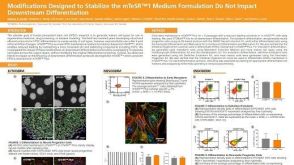 科学海报Modifications Designed to Stabilize the mTeSR1™ Formulation Do Not Impact Downstream Differentiation
 技术公告Forskolin诱导培养于IntestiCult™中人肠类器官膨胀的操作流程

 沪公网安备31010102008431号