Jennifer S et al. (JANUARY 2016)
Cytotherapy 18 1 1-12
Current perspectives on the use of ancillary materials for the manufacture of cellular therapies.
Continued growth in the cell therapy industry and commercialization of cell therapies that successfully advance through clinical trials has led to increased awareness around the need for specialized and complex materials utilized in their manufacture. Ancillary materials (AMs) are components or reagents used during the manufacture of cell therapy products but are not intended to be part of the final products. Commonly,there are limitations in the availability of clinical-grade reagents used as AMs. Furthermore,AMs may affect the efficacy of the cell product and subsequent safety of the cell therapy for the patient. As such,AMs must be carefully selected and appropriately qualified during the cell therapy development process. However,the ongoing evolution of cell therapy research,limited number of clinical trials and registered cell therapy products results in the current absence of specific regulations governing the composition,compliance,and qualification of AMs often leads to confusion by suppliers and users in this field. Here we provide an overview and interpretation of the existing global framework surrounding AM use and investigate some common misunderstandings within the industry,with the aim of facilitating the appropriate selection and qualification of AMs. The key message we wish to emphasize is that in order to most effectively mitigate risk around cell therapy development and patient safety,users must work with their suppliers and regulators to qualify each AM to assess source,purity,identity,safety,and suitability in a given application.
View Publication
M. K. Dame et al. (FEB 2018)
Development (Cambridge,England) 145 6
Identification, isolation and characterization of human LGR5-positive colon adenoma cells.
The intestine is maintained by stem cells located at the base of crypts and distinguished by the expression of LGR5. Genetically engineered mouse models have provided a wealth of information about intestinal stem cells,whereas less is known about human intestinal stem cells owing to difficulty detecting and isolating these cells. We established an organoid repository from patient-derived adenomas,adenocarcinomas and normal colon,which we analyzed for variants in 71 colorectal cancer (CRC)-associated genes. Normal and neoplastic colon tissue organoids were analyzed by immunohistochemistry and fluorescent-activated cell sorting for LGR5. LGR5-positive cells were isolated from four adenoma organoid lines and were subjected to RNA sequencing. We found that LGR5 expression in the epithelium and stroma was associated with tumor stage,and by integrating functional experiments with LGR5-sorted cell RNA sequencing data from adenoma and normal organoids,we found correlations between LGR5 and CRC-specific genes,including dickkopf WNT signaling pathway inhibitor 4 (DKK4) and SPARC-related modular calcium binding 2 (SMOC2). Collectively,this work provides resources,methods and new markers to isolate and study stem cells in human tissue homeostasis and carcinogenesis.
View Publication
产品类型:
产品号#:
产品名:
C. L. Kraft et al. (NOV 2017)
Oncotarget 8 61 102923--102933
GUCY2C maintains intestinal LGR5+stem cells by opposing ER stress.
Long-lived multipotent stem cells (ISCs) at the base of intestinal crypts adjust their phenotypes to accommodate normal maintenance and post-injury regeneration of the epithelium. Their long life,lineage plasticity,and proliferative potential underlie the necessity for tight homeostatic regulation of the ISC compartment. In that context,the guanylate cyclase C (GUCY2C) receptor and its paracrine ligands regulate intestinal epithelial homeostasis,including proliferation,lineage commitment,and DNA damage repair. However,a role for this axis in maintaining ISCs remains unknown. Transgenic mice enabling analysis of ISCs (Lgr5-GFP) in the context of GUCY2C elimination (Gucy2c -/- ) were combined with immunodetection techniques and pharmacological treatments to define the role of the GUCY2C signaling axis in supporting ISCs. ISCs were reduced inGucy2c -/- mice,associated with loss of active Lgr5+cells but a reciprocal increase in reserve Bmi1+cells. GUCY2C was expressed in crypt base Lgr5+cells in which it mediates canonical cyclic (c) GMP-dependent signaling. Endoplasmic reticulum (ER) stress,typically absent from ISCs,was elevated throughout the crypt base inGucy2c -/- mice. The chemical chaperone tauroursodeoxycholic acid resolved this ER stress and restored the balance of ISCs,an effect mimicked by the GUCY2C effector 8Br-cGMP. Reduced ISCs inGucy2c -/- mice was associated with greater epithelial injury and impaired regeneration following sub-lethal doses of irradiation. These observations suggest that GUCY2C provides homeostatic signals that modulate ER stress and cell vulnerability as part of the machinery contributing to the integrity of ISCs.
View Publication
产品类型:
产品号#:
06005
产品名:
IntestiCult™ 类器官生长培养基 (小鼠)
S. B. Ross et al. ( 2017)
Stem cell research 20 76--79
Peripheral blood derived induced pluripotent stem cells (iPSCs) from a female with familial hypertrophic cardiomyopathy.
Induced pluripotent stem cells (iPSCs) were generated from peripheral blood mononuclear cells (PBMCs) obtained from a 62-year-old female with familial hypertrophic cardiomyopathy (HCM). PBMCs were reprogrammed to a pluripotent state following transfection with non-integrative episomal vectors carrying reprogramming factors OCT4,SOX2,LIN28,KLF4 and L-MYC. iPSCs were shown to express pluripotency markers,possess trilineage differentiation potential,carry rare variants identified in DNA isolated directly from the patient's whole blood,have a normal karyotype and no longer carry episomal vectors for reprogramming. This line is a useful resource for identifying unknown genetic causes of HCM.
View Publication
产品类型:
产品号#:
05920
05230
02692
09605
09655
07930
07931
07940
07955
07959
07952
85415
85420
05990
100-1061
产品名:
STEMdiff™ 三胚层分化试剂盒
StemSpan™红系扩增添加物 (100X)
StemSpan™ SFEM II
StemSpan™ SFEM II
CryoStor® CS10
CryoStor® CS10
CryoStor® CS10
CryoStor® CS10
CryoStor® CS10
CryoStor® CS10
SepMate™-15 (IVD)
SepMate™-15 (IVD)
用于hESC/hiPSC维持培养的TeSR™-E8™
CryoStor® CS10
A. Tata et al. (MAY 2018)
Cell stem cell 22 5 668--683.e6
Myoepithelial Cells of Submucosal Glands Can Function as Reserve Stem Cells to Regenerate Airways after Injury.
Cells demonstrate plasticity following injury,but the extent of this phenomenon and the cellular mechanisms involved remain underexplored. Using single-cell RNA sequencing (scRNA-seq) and lineage tracing,we uncover that myoepithelial cells (MECs) of the submucosal glands (SMGs) proliferate and migrate to repopulate the airway surface epithelium (SE) in multiple injury models. Specifically,SMG-derived cells display multipotency and contribute to basal and luminal cell types of the SMGs and SE. Ex vivo expanded MECs have the potential to repopulate and differentiate into SE cells when grafted onto denuded airway scaffolds. Significantly,we find that SMG-like cells appear on the SE of both extra- and intra-lobular airways of large animal lungs following severe injury. We find that the transcription factor SOX9 is necessary for MEC plasticity in airway regeneration. Because SMGs are abundant and present deep within airways,they may serve as a reserve cell source for enhancing human airway regeneration.
View Publication
产品类型:
产品号#:
05001
05021
05022
产品名:
PneumaCult™-ALI 培养基
PneumaCult™-ALI 培养基含12 mm Transwell®插件
PneumaCult™-ALI 培养基含6.5 mm Transwell®插件
S. Tsai et al. (MAR 2018)
BMC cancer 18 1 335
Development of primary human pancreatic cancer organoids, matched stromal and immune cells and 3D tumor microenvironment models.
BACKGROUND Patient-derived tumor models are the new standard for pre-clinical drug testing and biomarker discovery. However,the emerging technology of primary pancreatic cancer organoids has not yet been broadly implemented in research,and complex organotypic models using organoids in co-culture with stromal and immune cellular components of the tumor have yet to be established. In this study,our objective was to develop and characterize pancreatic cancer organoids and multi-cell type organotypic co-culture models to demonstrate their applicability to the study of pancreatic cancer. METHODS We employed organoid culture methods and flow cytometric,cytologic,immunofluorescent and immunohistochemical methods to develop and characterize patient-derived pancreatic cancer organoids and multi-cell type organotypic co-culture models of the tumor microenvironment. RESULTS We describe the culture and characterization of human pancreatic cancer organoids from resection,ascites and rapid autopsy sources and the derivation of adherent tumor cell monocultures and tumor-associated fibroblasts from these sources. Primary human organoids displayed tumor-like cellular morphology,tissue architecture and polarity in contrast to cell line spheroids,which formed homogenous,non-lumen forming spheres. Importantly,we demonstrate the construction of complex organotypic models of tumor,stromal and immune components of the tumor microenvironment. Activation of myofibroblast-like cancer associated fibroblasts and tumor-dependent lymphocyte infiltration were observed in these models. CONCLUSIONS These studies provide the first report of novel and disease-relevant 3D in-vitro models representing pancreatic tumor,stromal and immune components using primary organoid co-cultures representative of the tumor-microenvironment. These models promise to facilitate the study of tumor-stroma and tumor-immune interaction and may be valuable for the assessment of immunotherapeutics such as checkpoint inhibitors in the context of T-cell infiltration.
View Publication
Ban K et al. (OCT 2013)
Circulation 128 17 1897--1909
Purification of cardiomyocytes from differentiating pluripotent stem cells using molecular beacons that target cardiomyocyte-specific mRNA
BACKGROUND: Although methods for generating cardiomyocytes from pluripotent stem cells have been reported,current methods produce heterogeneous mixtures of cardiomyocytes and noncardiomyocyte cells. Here,we report an entirely novel system in which pluripotent stem cell-derived cardiomyocytes are purified by cardiomyocyte-specific molecular beacons (MBs). MBs are nanoscale probes that emit a fluorescence signal when hybridized to target mRNAs.backslashnbackslashnMETHOD AND RESULTS: Five MBs targeting mRNAs of either cardiac troponin T or myosin heavy chain 6/7 were generated. Among 5 MBs,an MB that targeted myosin heavy chain 6/7 mRNA (MHC1-MB) identified up to 99% of HL-1 cardiomyocytes,a mouse cardiomyocyte cell line,but textless3% of 4 noncardiomyocyte cell types in flow cytometry analysis,which indicates that MHC1-MB is specific for identifying cardiomyocytes. We delivered MHC1-MB into cardiomyogenically differentiated pluripotent stem cells through nucleofection. The detection rate of cardiomyocytes was similar to the percentages of cardiac troponin T- or cardiac troponin I-positive cardiomyocytes,which supports the specificity of MBs. Finally,MHC1-MB-positive cells were sorted by fluorescence-activated cell sorter from mouse and human pluripotent stem cell differentiating cultures,and ≈97% cells expressed cardiac troponin T or cardiac troponin I as determined by flow cytometry. These MB-based sorted cells maintained their cardiomyocyte characteristics,which was verified by spontaneous beating,electrophysiological studies,and expression of cardiac proteins. When transplanted in a myocardial infarction model,MB-based purified cardiomyocytes improved cardiac function and demonstrated significant engraftment for 4 weeks without forming tumors.backslashnbackslashnCONCLUSIONS: We developed a novel cardiomyocyte selection system that allows production of highly purified cardiomyocytes. These purified cardiomyocytes and this system can be valuable for cell therapy and drug discovery.
View Publication
产品类型:
产品号#:
05850
05857
05870
05875
85850
85857
85870
85875
产品名:
mTeSR™1
mTeSR™1
Liu P et al. (OCT 2013)
British journal of cancer 109 7 1876--1885
Disulfiram targets cancer stem-like cells and reverses resistance and cross-resistance in acquired paclitaxel-resistant triple-negative breast cancer cells.
BACKGROUND Triple-negative breast cancer (TNBC) has significantly worse prognosis. Acquired chemoresistance remains the major cause of therapeutic failure of TNBC. In clinic,the relapsed TNBC is commonly pan-resistant to various drugs with completely different resistant mechanisms. Investigation of the mechanisms and development of new drugs to target pan-chemoresistance will potentially improve the therapeutic outcomes of TNBC patients. METHODS In this study,1-(4,5-Dimethylthiazol-2-yl)-3,5-diphenylformazan (MTT),combination index (CI)-isobologram,western blot,ALDEFLUOR analysis,clonogenic assay and immunocytochemistry were used. RESULTS The chemoresistant MDA-MB-231PAC10 cells are highly cross-resistant to paclitaxel (PAC),cisplatin (CDDP),docetaxel and doxorubicin. The MDA-MB-231PAC10 cells are quiescent with significantly longer doubling time (64.9 vs 31.7 h). This may be caused by high expression of p21(Waf1). The MDA-MB-231PAC10 cells express high aldehyde dehydrogenase (ALDH) activity and a panel of embryonic stem cell-related proteins,for example,Oct4,Sox2,Nanog and nuclealisation of HIF2$$ and NF-$$Bp65. We have previously reported that disulfiram (DS),an antialcoholism drug,targets cancer stem cells (CSCs) and enhances cytotoxicity of anticancer drugs. Disulfiram abolished CSC characters and completely reversed PAC and CDDP resistance in MDA-MB-231PAC10 cells. CONCLUSION Cancer stem cells may be responsible for acquired pan-chemoresistance. As a drug used in clinic,DS may be repurposed as a CSC inhibitor to reverse the acquired pan-chemoresistance.
View Publication
产品类型:
产品号#:
01700
01705
01702
产品名:
ALDEFLUOR™ 试剂盒
ALDEFLUOR™ DEAB试剂, 1.5 mM, 1 mL
ALDEFLUOR™检测缓冲液
Huber BC et al. (NOV 2013)
STEM CELLS 31 11 2354--2363
Costimulation-adhesion blockade is superior to Cyclosporine A and prednisone immunosuppressive therapy for preventing rejection of differentiated human embryonic stem cells following transplantation
RATIONALE: Human embryonic stem cell (hESC) derivatives are attractive candidates for therapeutic use. The engraftment and survival of hESC derivatives as xenografts or allografts require effective immunosuppression to prevent immune cell infiltration and graft destruction.backslashnbackslashnOBJECTIVE: To test the hypothesis that a short-course,dual-agent regimen of two costimulation-adhesion blockade agents can induce better engraftment of hESC derivatives compared to current immunosuppressive agents.backslashnbackslashnMETHODS AND RESULTS: We transduced hESCs with a double fusion reporter gene construct expressing firefly luciferase (Fluc) and enhanced green fluorescent protein,and differentiated these cells to endothelial cells (hESC-ECs). Reporter gene expression enabled longitudinal assessment of cell engraftment by bioluminescence imaging. Costimulation-adhesion therapy resulted in superior hESC-EC and mouse EC engraftment compared to cyclosporine therapy in a hind limb model. Costimulation-adhesion therapy also promoted robust hESC-EC and hESC-derived cardiomyocyte survival in an ischemic myocardial injury model. Improved hESC-EC engraftment had a cardioprotective effect after myocardial injury,as assessed by magnetic resonance imaging. Mechanistically,costimulation-adhesion therapy is associated with systemic and intragraft upregulation of T-cell immunoglobulin and mucin domain 3 (TIM3) and a reduced proinflammatory cytokine profile.backslashnbackslashnCONCLUSIONS: Costimulation-adhesion therapy is a superior alternative to current clinical immunosuppressive strategies for preventing the post-transplant rejection of hESC derivatives. By extending the window for cellular engraftment,costimulation-adhesion therapy enhances functional preservation following ischemic injury. This regimen may function through a TIM3-dependent mechanism.
View Publication
产品类型:
产品号#:
05850
05857
05870
05875
85850
85857
85870
85875
产品名:
mTeSR™1
mTeSR™1
Alam M et al. (OCT 2013)
The Journal of biological chemistry 288 43 30892--30903
MUC1-C oncoprotein activates ERK→C/EBPβ signaling and induction of aldehyde dehydrogenase 1A1 in breast cancer cells.
Aldehyde dehydrogenase 1A1 (ALDH1A1) activity is used as a marker of breast cancer stem cells; however,little is known about the regulation of ALDH1A1 expression. Mucin 1 (MUC1) is a heterodimeric protein that is aberrantly overexpressed in most human breast cancers. In studies of breast cancer cells stably silenced for MUC1 or overexpressing the oncogenic MUC1-C subunit,we demonstrate that MUC1-C is sufficient for induction of MEK → ERK signaling and that treatment with a MUC1-C inhibitor suppresses ERK activation. In turn,MUC1-C induces ERK-mediated phosphorylation and activation of the CCAAT/enhancer-binding protein β (C/EBPβ) transcription factor. The results further show that MUC1-C and C/EBPβ form a complex on the ALDH1A1 gene promoter and activate ALDH1A1 gene transcription. MUC1-C-induced up-regulation of ALDH1A1 expression is associated with increases in ALDH activity and is detectable in stem-like cells when expanded as mammospheres. These findings demonstrate that MUC1-C (i) activates a previously unrecognized ERK→C/EBPβ→ALDH1A1 pathway,and (ii) promotes the induction of ALDH activity in breast cancer cells.
View Publication


 EasySep™小鼠TIL(CD45)正选试剂盒





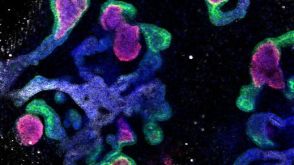 新闻STEMCELL Technologies Signs Exclusive License to Commercialize Human Pluripotent Stem Cell-Derived Kidney Organoid Culture System
 沪公网安备31010102008431号