Pasquier J et al. (JUN 2017)
The Journal of heart and lung transplantation : the official publication of the International Society for Heart Transplantation 36 6 684--693
Coculturing with endothelial cells promotes in vitro maturation and electrical coupling of human embryonic stem cell-derived cardiomyocytes.
BACKGROUND Pluripotent human embryonic stem cells (hESC) are a promising source of repopulating cardiomyocytes. We hypothesized that we could improve maturation of cardiomyocytes and facilitate electrical interconnections by creating a model that more closely resembles heart tissue; that is,containing both endothelial cells (ECs) and cardiomyocytes. METHODS We induced cardiomyocyte differentiation in the coculture of an hESC line expressing the cardiac reporter NKX2.5-green fluorescent protein (GFP),and an Akt-activated EC line (E4(+)ECs). We quantified spontaneous beating rates,synchrony,and coordination between different cardiomyocyte clusters using confocal imaging of Fura Red-detected calcium transients and computer-assisted image analysis. RESULTS After 8 days in culture,94% ± 6% of the NKX2-5GFP(+) cells were beating when hESCs embryonic bodies were plated on E4(+)ECs compared with 34% ± 12.9% for controls consisting of hESCs cultured on BD Matrigel (BD Biosciences) without ECs at Day 11 in culture. The spatial organization of beating areas in cocultures was different. The GFP(+) cardiomyocytes were close to the E4(+)ECs. The average beats/min of the cardiomyocytes in coculture was faster and closer to physiologic heart rates compared with controls (50 ± 14 [n = 13] vs 25 ± 9 [n = 8]; p < 0.05). The coculture with ECs led to synchronized beating relying on the endothelial network,as illustrated by the loss of synchronization upon the disruption of endothelial bridges. CONCLUSIONS The coculturing of differentiating cardiomyocytes with Akt-activated ECs but not EC-conditioned media results in (1) improved efficiency of the cardiomyocyte differentiation protocol and (2) increased maturity leading to better intercellular coupling with improved chronotropy and synchrony.
View Publication
产品类型:
产品号#:
85850
85857
85870
85875
05271
产品名:
mTeSR™1
mTeSR™1
Lou Y-R et al. (FEB 2014)
Stem Cells and Development 23 4 380--392
The Use of Nanofibrillar Cellulose Hydrogel As a Flexible Three-Dimensional Model to Culture Human Pluripotent Stem Cells
Human embryonic stem cells and induced pluripotent stem cells have great potential in research and thera-pies. The current in vitro culture systems for human pluripotent stem cells (hPSCs) do not mimic the three-dimensional (3D) in vivo stem cell niche that transiently supports stem cell proliferation and is subject to changes which facilitate subsequent differentiation during development. Here,we demonstrate,for the first time,that a novel plant-derived nanofibrillar cellulose (NFC) hydrogel creates a flexible 3D environment for hPSC culture. The pluripotency of hPSCs cultured in the NFC hydrogel was maintained for 26 days as evidenced by the expression of OCT4,NANOG,and SSEA-4,in vitro embryoid body formation and in vivo teratoma formation. The use of a cellulose enzyme,cellulase,enables easy cell propagation in 3D culture as well as a shift between 3D and two-dimensional cultures. More importantly,the removal of the NFC hydrogel facilitates differentiation while retaining 3D cell organization. Thus,the NFC hydrogel represents a flexible,xeno-free 3D culture system that supports pluripotency and will be useful in hPSC-based drug research and regenerative medicine.
View Publication
产品类型:
产品号#:
05850
05857
05870
05875
07923
85850
85857
85870
85875
产品名:
Dispase (1 U/mL)
mTeSR™1
mTeSR™1
C. C. V. Linge et al. (May 2025)
PLOS One 20 5
mTOR inhibition impacts the flagellin-augmented inflammatory and antimicrobial response of human airway epithelial cells to Pseudomonas aeruginosa
The airway epithelium provides a first line of defense against pathogens by release of antimicrobial factors and neutrophil-attracting chemokines. Pseudomonas (P.) aeruginosa,a Gram-negative bacterium that expresses flagellin as an important virulence factor,is a common cause of injurious airway inflammation. The aim of our study was to determine the contribution of flagellin to the inflammatory,antimicrobial,and metabolic responses of the airway epithelium to P. aeruginosa . Furthermore,as we previously showed that targeting mTOR limited the glycolytic and inflammatory response induced by flagellin,we assessed the effect of rapamycin on human bronchial epithelial (HBE) cells stimulated with flagellated and non-flagellated P. aeruginosa. Primary pseudostratified HBE cells,cultured on an air-liquid-interface,were treated on the basolateral side with medium,vehicle or rapamycin,exposed on the apical side with flagellated or flagellin-deficient P. aeruginosa,and analyzed for their inflammatory,antimicrobial,and glycolytic responses. Flagellin augmented the P. aeruginosa -induced expression of antimicrobial factors and secretion of chemokines by HBE cells but did not further increase the glycolytic response. Treatment of HBE cells with rapamycin inhibited mTOR activation in general and flagellin-augmented mTOR activation in particular,but did not affect the glycolytic response. Rapamycin,however,diminished the flagellin-augmented inflammatory and antimicrobial response induced by Pseudomonas . These results demonstrate that flagellin is a significant factor that augments the inflammatory and antimicrobial response of human airway epithelial cells upon exposure to P. aeruginosa and suggest that mTOR inhibition by rapamycin in the airway epithelium diminishes these exaggerated responses.
View Publication
产品类型:
产品号#:
05001
05021
05022
产品名:
PneumaCult™-ALI 培养基
PneumaCult™-ALI 培养基含12 mm Transwell®插件
PneumaCult™-ALI 培养基含6.5 mm Transwell®插件
O. V. Volodina et al. (Aug 2025)
International Journal of Molecular Sciences 26 16
Prime Editing Modification with FEN1 Improves F508del Variant Editing in the CFTR Gene in Airway Basal Cells
Prime editing is a promising approach for correcting pathogenic variants,but its efficiency remains variable across genomic contexts. Here,we systematically evaluated 12 modifications of the PEmax system for correcting the CFTR F508del pathogenic variant that caused cystic fibrosis in patient-derived airway basal cells. We chose EXO1 and FEN1 nucleases to improve the original system. While all tested variants showed comparatively low efficiency in this AT-rich genomic region,4-FEN modification demonstrated significantly improved editing rates (up to 2.13 fold) compared to standard PEmax. Our results highlight two key findings: first,the persistent challenge of AT-rich target sequence correction even with optimized editors,and second,the performance of 4-FEN suggests its potential value for other genomic targets.
View Publication
产品类型:
产品号#:
05040
产品名:
PneumaCult™-Ex Plus 培养基
R. S. Boothello et al. ( 2019)
Molecular cancer therapeutics 18 1 51--61
A Unique Nonsaccharide Mimetic of Heparin Hexasaccharide Inhibits Colon Cancer Stem Cells via p38 MAP Kinase Activation.
Targeting of cancer stem cells (CSC) is expected to be a paradigm-shifting approach for the treatment of cancers. Cell surface proteoglycans bearing sulfated glycosaminoglycan (GAG) chains are known to play a critical role in the regulation of stem cell fate. Here,we show for the first time that G2.2,a sulfated nonsaccharide GAG mimetic (NSGM) of heparin hexasaccharide,selectively inhibits colonic CSCs in vivo G2.2-reduced CSCs (CD133+/CXCR4+,Dual hi) induced HT-29 and HCT 116 colon xenografts' growth in a dose-dependent fashion. G2.2 also significantly delayed the growth of colon xenograft further enriched in CSCs following oxaliplatin and 5-fluorouracil treatment compared with vehicle-treated xenograft controls. In fact,G2.2 robustly inhibited CSCs' abundance (measured by levels of CSC markers,e.g.,CD133,DCMLK1,LGR5,and LRIG1) and self-renewal (quaternary spheroids) in colon cancer xenografts. Intriguingly,G2.2 selectively induced apoptosis in the Dual hi CSCs in vivo eluding to its CSC targeting effects. More importantly,G2.2 displayed none to minimal toxicity as observed through morphologic and biochemical studies of vital organ functions,blood coagulation profile,and ex vivo analyses of normal intestinal (and bone marrow) progenitor cell growth. Through extensive in vitro,in vivo,and ex vivo mechanistic studies,we showed that G2.2's inhibition of CSC self-renewal was mediated through activation of p38$\alpha$,uncovering important signaling that can be targeted to deplete CSCs selectively while minimizing host toxicity. Hence,G2.2 represents a first-in-class (NSGM) anticancer agent to reduce colorectal CSCs.
View Publication
产品类型:
产品号#:
05401
产品名:
MesenCult™ MSC 基础培养基(人)
A. M. Hamilton et al. ( 2019)
PloS one 14 12 e0214107
Iron nanoparticle-labeled murine mesenchymal stromal cells in an osteoarthritic model persists and suggests anti-inflammatory mechanism of action.
Osteoarthritis (OA) is characterized by cartilage degradation and chronic joint inflammation. Mesenchymal stem cells (MSCs) have shown promising results in OA,but their mechanism of action is not fully understood. We hypothesize that MSCs polarize macrophages,which are strongly associated with joint inflammation to more homeostatic sub-types. We tracked ferumoxytol (Feraheme™,iron oxide nanoparticle)-labeled murine MSCs (Fe-MSCs) in murine OA joints,and quantified changes to joint inflammation and fibrosis. 10-week-old C57BL/6 male mice (n = 5/group) were induced to undergo osteoarthritis by destabilization of medical meniscus (DMM) or sham surgery. 3 weeks post-surgery,mice were injected intra-articularly with either fluorescent dye-(DiR) labeled or DiR-Fe-MSC or saline to yield 4 groups (n = 5 per group for each timepoint [1,2 and 4weeks]). 4 weeks after injection,mice were imaged by MRI,and scored for i) OARSI (Osteoarthritis Research Society International) to determine cartilage damage; ii) immunohistochemical changes in iNOS,CD206,F4/80 and Prussian Blue/Sca-1 to detect pro-inflammatory,homeostatic and total macrophages and ferumoxytol -labeled MSCs respectively,and iii) Masson's Trichrome to detect changes in fibrosis. Ferumoxytol-labeled MSCs persisted at greater levels in DMM vs. SHAM-knee joints. We observed no difference in OARSI scores between MSC and vehicle groups. Sca-1 and Prussian Blue co-staining confirmed the ferumoxytol label resides in MSCs,although some ferumoxytol label was detected in proximity to MSCs in macrophages,likely due to phagocytosis of apoptotic MSCs,increasing functionality of these macrophages through MSC efferocytosis. MRI hypertintensity scores related to fluid edema decreased in MSC-treated vs. control animals. For the first time,we show that MSC-treated mice had increased ratios of {\%}CD206+: {\%}F4/80+ (homeostatic macrophages) (p{\textless}0.05),and decreased ratios of {\%}iNOS+: {\%}F4/80+ macrophages (p{\textless}0.01),supporting our hypothesis that MSCs may modulate synovial inflammation.
View Publication
产品类型:
产品号#:
05790
05792
05793
05794
05795
产品名:
BrainPhys™神经元培养基
BrainPhys™神经元培养基和SM1试剂盒
BrainPhys™ 神经元培养基N2-A和SM1试剂盒
BrainPhys™原代神经元试剂盒
BrainPhys™ hPSC 神经元试剂盒
(Aug 2025)
The FASEB Journal 39 15
Cytokine?Induced Cytotoxicity and Extracellular Matrix Abnormalities in Hepatocytes Derived From RAD50?Interacting Protein 1?Deficient Induced Pluripotent Stem Cells
ABSTRACTRAD50?interacting protein1 (RINT1) deficiency has been implicated in recurrent acute liver failure (RALF) triggered by fever or infections. RINT1,together with neuroblastoma amplified sequence and Zeste White 10 (forming the NRZ complex),localizes at the interface between the endoplasmic reticulum and Golgi apparatus,where it plays a key role in vesicular trafficking. However,the mechanisms by which RINT1 deficiency leads to RALF remain unclear. This study aimed to describe a woman with RALF harboring a homozygous missense mutation in RINT1. Induced pluripotent stem cells (iPSCs) were generated from the patient's mononuclear cells and differentiated into hepatocyte?like cells (HLCs). Upon exposure to high temperature (40°C),RINT1?deficient HLCs exhibited cellular damage characteristic of RALF. Furthermore,these cells also demonstrated heightened sensitivity to cytokines and viral mimetics while showing comparatively lower responsiveness to bacterial infection?related stimuli. Transcriptome sequencing revealed dysregulated gene expression associated with the extracellular matrix (ECM). Additionally,glycosaminoglycan disaccharide analysis revealed abnormal levels of chondroitin sulfate,heparan sulfate,and hyaluronan in RINT1?deficient HLCs. In conclusion,HLCs derived from RINT1?deficient iPSCs serve as a valuable model for investigating RINT1?related liver pathogenesis. The results suggest that cytokine responses,particularly those triggered by viral infections,play a central role in the development of RALF. Furthermore,ECM alterations provided novel insights into the potential role of RINT1 defects in RALF. RAD50?interacting protein1 (RINT1) deficiency causes recurrent acute liver failure (RALF) during fever or infections. To investigate its underlying mechanism,induced pluripotent stem cells were generated from a patient with RINT1 deficiency and differentiated into hepatocyte?like cells (HLCs). RINT1?deficient HLCs exhibited damage resembling RALF when exposed to high temperatures and were more susceptible to cytokines and viral mimetics than to bacterial infection?related factors. Furthermore,RNA?seq and disaccharide analyses revealed dysregulation of extracellular matrix?related genes and abnormalities in extracellular matrix levels.
View Publication
产品类型:
产品号#:
85850
85857
产品名:
mTeSR™1
mTeSR™1
(Apr 2024)
International Journal of Stem Cells 17 2
Energy Metabolism in Human Pluripotent Stem and Differentiated Cells Compared Using a Seahorse XF96 Extracellular Flux Analyzer
Evaluating cell metabolism is crucial during pluripotent stem cell (PSC) differentiation and somatic cell reprogramming as it affects cell fate. As cultured stem cells are heterogeneous,a comparative analysis of relative metabolism using existing metabolic analysis methods is difficult,resulting in inaccuracies. In this study,we measured human PSC basal metabolic levels using a Seahorse analyzer. We used fibroblasts,human induced PSCs,and human embryonic stem cells to monitor changes in basal metabolic levels according to cell number and determine the number of cells suitable for analysis. We evaluated normalization methods using glucose and selected the most suitable for the metabolic analysis of heterogeneous PSCs during the reprogramming stage. The response of fibroblasts to glucose increased with starvation time,with oxygen consumption rate and extracellular acidification rate responding most effectively to glucose 4 hours after starvation and declining after 5 hours of starvation. Fibroblasts and PSCs achieved appropriate responses to glucose without damaging their metabolism 2?4 and 2?3 hours after starvation,respectively. We developed a novel method for comparing basal metabolic rates of fibroblasts and PSCs,focusing on quantitative analysis of glycolysis and oxidative phosphorylation using glucose without enzyme inhibitors. This protocol enables efficient comparison of energy metabolism among cell types,including undifferentiated PSCs,differentiated cells,and cells undergoing cellular reprogramming,and addresses critical issues,such as differences in basal metabolic levels and sensitivity to normalization,providing valuable insights into cellular energetics.
View Publication
产品类型:
产品号#:
05990
产品名:
用于hESC/hiPSC维持培养的TeSR™-E8™
(Jul 2024)
Molecular Metabolism 88 12
Tissue Inhibitor of Metalloproteinase 3 (TIMP3) mutations increase glycolytic activity and dysregulate glutamine metabolism in RPE cells
ObjectivesMutations in Tissue Inhibitor of Metalloproteinases 3 (TIMP3) cause Sorsby's Fundus Dystrophy (SFD),a dominantly inherited,rare form of macular degeneration that results in vision loss. TIMP3 is synthesized primarily by retinal pigment epithelial (RPE) cells,which constitute the outer blood-retinal barrier. One major function of RPE is the synthesis and transport of vital nutrients,such as glucose,to the retina. Recently,metabolic dysfunction in RPE cells has emerged as an important contributing factor in retinal degenerations. We set out to determine if RPE metabolic dysfunction was contributing to SFD pathogenesis.MethodsQuantitative proteomics was conducted on RPE of mice expressing the S179C variant of TIMP3,known to be causative of SFD in humans. Proteins found to be differentially expressed (P < 0.05) were analyzed using statistical overrepresentation analysis to determine enriched pathways,processes,and protein classes using g:profiler and PANTHER Gene Ontology. We examined the effects of mutant TIMP3 on RPE metabolism using human ARPE-19 cells expressing mutant S179C TIMP3 and patient-derived induced pluripotent stem cell-derived RPE (iRPE) carrying the S204C TIMP3 mutation. RPE metabolism was directly probed using isotopic tracing coupled with GC/MS analysis. Steady state [U–13C6] glucose isotopic tracing was preliminarily conducted on S179C ARPE-19 followed by [U–13C6] glucose and [U–13C5] glutamine isotopic tracing in SFD iRPE cells.ResultsQuantitative proteomics and enrichment analysis conducted on RPE of mice expressing mutant S179C TIMP3 identified differentially expressed proteins that were enriched for metabolism-related pathways and processes. Notably these results highlighted dysregulated glycolysis and glucose metabolism. Stable isotope tracing experiments with [U–13C6] glucose demonstrated enhanced glucose utilization and glycolytic activity in S179C TIMP3 APRE-19 cells. Similarly,[U–13C6] glucose tracing in SFD iRPE revealed increased glucose contribution to glycolysis and the TCA cycle. Additionally,[U–13C5] glutamine tracing found evidence of altered malic enzyme activity.ConclusionsThis study provides important information on the dysregulation of RPE glucose metabolism in SFD and implicates a potential commonality with other retinal degenerative diseases,emphasizing RPE cellular metabolism as a therapeutic target. Highlights•SFD mice display alterations in proteins associated with metabolism.•SFD RPE cells have increased glycolytic activity and glucose contribution to the TCA cycle.•Glutamine contribution to energy metabolism is unaltered in SFD RPE cells however there is reduced malic enzyme activity.•SFD RPE cells display metabolic dysfunction potentially implicating metabolism as a viable therapeutic target.
View Publication
产品类型:
产品号#:
100-0483
100-0484
100-0276
100-1130
产品名:
Hausser Scientificᵀᴹ 明线血球计数板
ReLeSR™
mTeSR™ Plus
mTeSR™ Plus
(May 2024)
STAR Protocols 5 2
Generation and enrichment of cerebellar GABAergic interneurons from human induced pluripotent stem cells and intracellular calcium measurements
SummaryGABAergic interneurons are inhibitory neurons of the CNS,playing a fundamental role in neural circuitry and activity. Here,we provide a robust protocol for the successful enrichment of human cerebellar GABAergic interneurons from human induced pluripotent stem cells (iPSCs) and measuring intracellular calcium transients. We describe in detail steps for culturing iPSCs; generating embryoid bodies; and differentiating and enriching for cerebellar GABAergic neurons (cGNs),with precise steps for their molecular characterization. We then detail the procedure for adeno-associated virus-mediated transduction of cGNs with genetically encoded calcium indicators,followed by intracellular calcium imaging and analyses.For complete details on the use and execution of this protocol,please refer to Pilotto et al.1 Graphical abstract Highlights•Steps described for generating GABAergic neurons from human iPSCs•Instructions for the enrichment of cerebellar GABAergic interneurons (cGNs)•Guide to calcium imaging of cGNs using genetically encoded calcium indicators Publisher’s note: Undertaking any experimental protocol requires adherence to local institutional guidelines for laboratory safety and ethics. GABAergic interneurons are inhibitory neurons of the CNS,playing a fundamental role in neural circuitry and activity. Here,we provide a robust protocol for the successful enrichment of human-cerebellar GABAergic interneurons from human induced pluripotent stem cells (iPSCs) and measuring intracellular calcium transients. We describe in detail steps for culturing iPSCs,and generating embryoid bodies,differentiating and enriching for cerebellar GABAergic neurons (cGNs),with precise steps for their molecular characterization. We then detail the procedure for adeno-associated virus-mediated transduction of cGNs with genetically encoded calcium indicators,followed by intracellular calcium imaging and analyses.
View Publication
Z. Sharifi et al. ( 2019)
Clinical cancer research : an official journal of the American Association for Cancer Research 25 24 7594--7608
Mechanisms and Antitumor Activity of a Binary EGFR/DNA-Targeting Strategy Overcomes Resistance of Glioblastoma Stem Cells to Temozolomide.
PURPOSE Glioblastoma (GBM) is a fatal primary malignant brain tumor. GBM stem cells (GSC) contribute to resistance to the DNA-damaging chemotherapy,temozolomide. The epidermal growth factor receptor (EGFR) displays genomic alterations enabling DNA repair mechanisms in half of GBMs. We aimed to investigate EGFR/DNA combi-targeting in GBM. EXPERIMENTAL DESIGN ZR2002 is a combi-molecule" designed to inflict DNA damage through its chlorethyl moiety and induce irreversible EGFR tyrosine kinase inhibition. We assessed its in vitro efficacy in temozolomide-resistant patient-derived GSCs mesenchymal temozolomide-sensitive and resistant in vivo-derived GSC sublines and U87/EGFR isogenic cell lines stably expressing EGFR/wild-type or variant III (EGFRvIII). We evaluated its antitumor activity in mice harboring orthotopic EGFRvIII or mesenchymal TMZ-resistant GSC tumors. RESULTS ZR2002 induced submicromolar antiproliferative effects and inhibited neurosphere formation of all GSCs with marginal effects on normal human astrocytes. ZR2002 inhibited EGF-induced autophosphorylation of EGFR downstream Erk1/2 phosphorylation increased DNA strand breaks and induced activation of wild-type p53; the latter was required for its cytotoxicity through p53-dependent mechanism. ZR2002 induced similar effects on U87/EGFR cell lines and its oral administration significantly increased survival in an orthotopic EGFRvIII mouse model. ZR2002 improved survival of mice harboring intracranial mesenchymal temozolomide-resistant GSC line decreased EGFR Erk1/2 and AKT phosphorylation and was detected in tumor brain tissue by MALDI imaging mass spectrometry. CONCLUSIONS These findings provide the molecular basis of binary EGFR/DNA targeting and uncover the oral bioavailability blood-brain barrier permeability and antitumor activity of ZR2002 supporting potential evaluation of this first-in-class drug in recurrent GBM."
View Publication


 EasySep™小鼠TIL(CD45)正选试剂盒





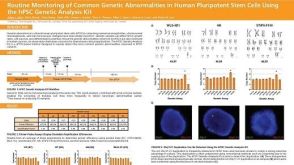 科学海报Routine Monitoring of Common Genetic Abnormalities in Human Pluripotent Stem Cells Using the hPSC Genetic Analysis Kit
 沪公网安备31010102008431号