A Noninvasive Method to Sample Immune Cells in the Lower Female Genital Tract Using Menstrual Discs
AbstractT cells in the human female genital tract (FGT) are key mediators of susceptibility to and protection from infection,including HIV and other sexually transmitted infections. There is a critical need for increased understanding of the distribution and activation of T cell populations in the FGT,but current sampling methods require a healthcare provider and are expensive,limiting the ability to study these populations longitudinally. To address these challenges,we have developed a method to sample immune cells from the FGT utilizing disposable menstrual discs which are noninvasive,self-applied,and low in cost. To demonstrate reproducibility,we sampled the cervicovaginal fluid of healthy,reproductive-aged individuals using menstrual discs across 3 sequential days. Cervicovaginal fluid was processed for cervicovaginal cells,and high-parameter flow cytometry was used to characterize immune populations. We identified large numbers of live,CD45+ leukocytes,as well as distinct populations of T cells and B cells. Within the T cell compartment,activation and suppression status of T cell subsets were consistent with previous studies of the FGT utilizing current approaches,including identification of both tissue-resident and migratory populations. In addition,the T cell population structure was highly conserved across days within individuals but divergent across individuals. Our approach to sample immune cells in the FGT with menstrual discs will decrease barriers to participation and empower longitudinal sampling in future research studies.
View Publication
产品类型:
产品号#:
100-0105
100-0108
100-0109
100-0107
产品名:
EasySep™ Release人CD45正选试剂盒
RoboSep™ Release人CD45正选试剂盒
用于人源化小鼠的RoboSep™ Release 人CD45正选试剂盒
用于人源化小鼠的EasySep™ Release 人CD45正选试剂盒
(Apr 2024)
Frontiers in Immunology 15
The post-septic peripheral myeloid compartment reveals unexpected diversity in myeloid-derived suppressor cells
IntroductionSepsis engenders distinct host immunologic changes that include the expansion of myeloid-derived suppressor cells (MDSCs). These cells play a physiologic role in tempering acute inflammatory responses but can persist in patients who develop chronic critical illness.MethodsCellular Indexing of Transcriptomes and Epitopes by Sequencing and transcriptomic analysis are used to describe MDSC subpopulations based on differential gene expression,RNA velocities,and biologic process clustering.ResultsWe identify a unique lineage and differentiation pathway for MDSCs after sepsis and describe a novel MDSC subpopulation. Additionally,we report that the heterogeneous response of the myeloid compartment of blood to sepsis is dependent on clinical outcome.DiscussionThe origins and lineage of these MDSC subpopulations were previously assumed to be discrete and unidirectional; however,these cells exhibit a dynamic phenotype with considerable plasticity.
View Publication
产品类型:
产品号#:
15272HLA
17951
100-0695
17951RF
产品名:
RosetteSep™ HLA 髓系细胞富集试剂盒
EasySep™人T细胞分选试剂盒
EasySep™人T细胞分选试剂盒
RoboSep™ 人T细胞分选试剂盒
(Jul 2024)
Frontiers in Immunology 15
Expression of a stress-inducible heme oxygenase-1 in NK cells is maintained in the process of human aging
IntroductionHeme oxygenase-1 (HO-1) is a stress-inducible heat shock protein (HSP32) that exerts cytoprotective effects against oxidative stress and inflammation,and is involved in the maintenance of cellular homeostasis. This study aimed to evaluate the expression of HO-1 in natural killer (NK) cells from individuals of different age groups after stimulation with various factors,and to analyze the relationships between the concentration of this cytoprotective protein and parameters corresponding to oxidative stress and inflammation,that is,NOD-like receptor protein 3 (NLRP3),glutathione (GSH),GSH disulfide (GSSG),and interleukin 6 (IL-6).MethodsThe study population comprised three age groups: young adults (age range,19–23 years),older adults aged under 85 years (age range,73–84 years),and older adults aged over 85 years (age range,85–92 years). NLRP3,GSH,and GSSG concentrations were measured in serum,whereas the HO-1 concentration and IL-6 expression were studied in NK cells cultivated for 48 h and stimulated with IL-2,lipopolysaccharide (LPS),or phorbol 12-myristate 13-acetate (PMA) with ionomycin.ResultsThe analysis of serum NLRP3,GSH,and GSSG concentrations revealed no statistically significant differences among the studied age groups. However,some typical trends of aging were observed,such as a decrease in GSH concentration and an increase in both GSSG level,and GSSG/GSH ratio. The highest basal expression of IL-6 and lowest basal content of HO-1 were found in NK cells of adults over 85 years of age. The NK cells in this age group also showed the highest sensitivity to stimulation with the applied factors. Moreover,statistically significant negative correlations were observed between HO-1 and IL-6 expression levels in the studied NK cells.ConclusionsThese results showed that NK cells can express HO-1 at a basal level,which was significantly increased in activated cells,even in the oldest group of adults. The reciprocal relationship between HO-1 and IL-6 expression suggests a negative feedback loop between these parameters.
View Publication
产品类型:
产品号#:
18000
产品名:
EasySep™磁极
(Sep 2024)
Communications Biology 7
Full-length single-cell BCR sequencing paired with RNA sequencing reveals convergent responses to pneumococcal vaccination
Single-cell RNA sequencing (scRNA-seq) can resolve transcriptional features from individual cells,but scRNA-seq techniques capable of resolving the variable regions of B cell receptors (BCRs) remain limited,especially from widely-used 3′-barcoded libraries. Here,we report a method that can recover paired,full-length variable region sequences of BCRs from 3′-barcoded scRNA-seq libraries. We first verify this method (B3E-seq) can produce accurate,full-length BCR sequences. We then apply this method to profile B cell responses elicited against the capsular polysaccharide of Streptococcus pneumoniae serotype 3 (ST3) by glycoconjugate vaccines in five infant rhesus macaques. We identify BCR features associated with specificity for the ST3 antigen which are present in multiple vaccinated monkeys,indicating a convergent response to vaccination. These results demonstrate the utility of our method to resolve key features of the B cell repertoire and profile antigen-specific responses elicited by vaccination. A method that recovers full-length,paired heavy- and light-chain variable regions of B cell receptor transcripts from 3’barcoded scRNA-seq libraries reveals a convergent response to pneumococcus vaccination in rhesus macaques.
View Publication
产品类型:
产品号#:
19554
19554RF
产品名:
EasySep™人Pan-B细胞富集试剂盒
RoboSep™ 人Pan-B细胞富集试剂盒
(Jan 2025)
Respiratory Research 26
Neutrophil extracellular traps (NETs) are increased in rheumatoid arthritis-associated interstitial lung disease
BackgroundNeutrophil extracellular trap (NET) formation has been implicated as a pathogenic mechanism in both rheumatoid arthritis (RA) and interstitial lung disease (ILD). However,the role of NETs in RA-associated ILD (RA-ILD) and the mechanisms driving NET formation remain unclear. This study aimed to assess the involvement of NETs in RA-ILD and elucidate the underlying mechanisms.MethodsSingle-cell sequencing was used to identify changes in the quantity and function of neutrophils in the lung tissue of a zymosan A (ZYM)-induced interstitial pneumonia arthritis model. Additionally,nuclear receptor 4A3 (NR4A3) interference was performed in HL-60 cells to assess its impact on NET formation and the transformation of MRC-5 cells into myofibroblasts. The clinical relevance of plasma myeloperoxidase-DNA (MPO-DNA),citrullinated histone 3 (Cit-H3),and cell-free DNA was evaluated in RA-ILD patients with different imaging types via a commercial enzyme-linked immunosorbent assay (ELISA).ResultsIn the ZYM-treated SKG mouse model,which recapitulates key features of RA-ILD,an increased population of neutrophils in the lung tissue was primarily responsible for NET formation. Mechanistically,we found that interference with NR4A3 expression enhanced NET formation in HL-60 cells,which in turn promoted the differentiation of MRC-5 cells into myofibroblasts. Clinically,plasma MPO-DNA levels are elevated in patients with RA-nonspecific interstitial pneumonia (RA-NSIP),whereas Cit-H3 levels are elevated in RA-usual interstitial pneumonia (RA-UIP) patients compared with healthy subjects. ROC curve analysis further revealed that the combination of plasma MPO-DNA,rheumatoid factor (RF),and anti-citrullinated protein (anti-CCP) and the combination of Cit-H3,RF,and anti-CCP were superior diagnostic panels for NSIP and UIP in RA-ILD patients,respectively. Moreover,compared with those from healthy controls,neutrophils from patients with RA-UIP and RA-NSIP demonstrated a significantly increased ability to form NETs and induce the differentiation of MRC-5 cells into myofibroblasts. Specifically,RA-UIP patients exhibited a greater capacity for NET formation and the differentiation of MRC-5 cells into myofibroblasts than did RA-NSIP patients.ConclusionsThese findings suggest that targeting NETs may be a novel therapeutic approach for treating ILD in RA patients.Supplementary InformationThe online version contains supplementary material available at 10.1186/s12931-025-03111-1.
View Publication
产品类型:
产品号#:
19666
100-0404
产品名:
EasySep™ Direct人中性粒细胞分选试剂盒
RoboSep™ 人中性粒细胞分选试剂盒
(Feb 2025)
Journal for Immunotherapy of Cancer 13 2
Frizzled-7-targeting antibody-derived bifunctional protein retargets NK cells against triple-negative breast cancer cells via MICA-NKG2D axis
AbstractBackgroundHypoxia is associated with the evasion of triple-negative breast cancer (TNBC) from immune surveillance. Hypoxia increases the subpopulation of putative TNBC stem-like cells (TNBCSCs) through activating Wnt/β-Catenin signaling. The shedding of MHC class I-related chain A (MICA) is particularly noteworthy in cancer stem cells (CSCs),promoting the resistance of CSCs to natural killer (NK) cell cytotoxicity. To reestablish MICA/NKG2D-mediated immunosurveillance,we proposed the design of a fusion protein (SHH002-hu1-MICA) which consists of Frizzled-7 (Fzd7)-targeting antibody and MICA,serving as an engager retargeting NK cells against TNBCs,especially TNBCSCs.MethodsOpal multicolor immunohistochemistry staining was used to validate the expression of membrane MICA (mMICA) and existence of NK cells in TNBC tumors; flow cytometry (FCM) assay was used to detect the expression of Fzd7/mMICA on TNBCs. Biolayer interferometry (BLI) and surface plasmon resonance (SPR) assays were executed to assess the affinity of SHH002-hu1-MICA towards rhFzd7/rhNKG2D; near-infrared imaging assay was used to evaluate the targeting capability. A cytotoxicity assay was conducted to assess the effects of SHH002-hu1-MICA on NK cell-mediated killing of TNBCs,and FCM assay to analyze the effects of SHH002-hu1-MICA on the degranulation of NK cells. Finally,TNBC cell-line-derived xenografts were established to evaluate the anti-tumor activities of SHH002-hu1-MICA in vivo.ResultsThe expression of mMICA is significantly downregulated in hypoxic TNBCs and TNBCSCs,leading to the evasion of immune surveillance exerted by NK cells. The expression of Fzd7 is significantly upregulated in TNBCSCs and exhibits a negative correlation with the expression of mMICA and infiltration level of NK cells. On accurate assembly,SHH002-hu1-MICA shows a strong affinity for rhFzd7/rhNKG2D,specifically targets TNBC tumor tissues,and disrupts Wnt/β-Catenin signaling. SHH002-hu1-MICA significantly enhances the cytotoxicity of NK cells against hypoxic TNBCs and TNBCSCs by inducing the degranulation of NK cells and promotes the infiltration of NK cells in CD44high regions within TNBC xenograft tumors,exhibiting superior anti-tumor activities than SHH002-hu1.ConclusionsSHH002-hu1-MICA maintains the targeting property of SHH002-hu1,successfully activates and retargets NK cells against TNBCs,especially TNBCSCs,exhibiting superior antitumor activities than SHH002-hu1. SHH002-hu1-MICA represents a promising new engager for NK cell-based immunotherapy for TNBC.
View Publication
产品类型:
产品号#:
19055
19055RF
产品名:
EasySep™人NK细胞富集试剂盒
RoboSep™ 人NK细胞富集试剂盒含滤芯吸头
(Apr 2025)
Journal for Immunotherapy of Cancer 13 4
Prior chemotherapy deteriorates T-cell quality for CAR T-cell therapy in B-cell non-Hodgkin’s lymphoma
AbstractBackgroundChimeric antigen receptor (CAR) T-cell therapy depends on T cells that are genetically modified to recognize and attack cancer cells. Their effectiveness thus hinges on the functionality of a patient’s own T cells. Since CAR T-cell therapy is currently only approved for advanced cancers after at least one line of chemotherapy,we evaluated the potential negative effects of prior exposure to chemotherapy on T-cell functionality.MethodsWe studied T cells of two B-cell non-Hodgkin’s lymphoma patient cohorts,one collected before treatment (pre-therapy) and the other after one or more (median 3) lines of chemotherapy (post-therapy). Leveraging advanced multiparameter flow cytometry,single-cell RNA sequencing (scRNA-seq),whole-genome DNA methylation arrays and in vitro functionality testing of generated CAR T cells,we compared patient samples in their suitability for effective CAR T-cell therapy.ResultsWe discovered significant modifications in T-cell subsets and their transcriptional profiles secondary to chemotherapy exposure. Our analysis revealed a discernible shift towards phenotypically more differentiated T cells and an upregulation of markers indicative of T-cell exhaustion. Additionally,scRNA-seq and DNA methylation analyses revealed gene expression and epigenetic changes associated with diminished functionality in post-therapy T cells. Cytotoxicity assays demonstrated superior killing efficacy of CAR T cells derived from treatment-naïve patients compared with those with chemotherapy history.ConclusionsThese findings corroborate that employing T cells collected prior to frontline chemotherapy could enhance the effectiveness of CAR T-cell therapy and improve patient outcomes.
View Publication
产品类型:
产品号#:
17951
100-0695
17951RF
产品名:
EasySep™人T细胞分选试剂盒
EasySep™人T细胞分选试剂盒
RoboSep™ 人T细胞分选试剂盒
(Apr 2025)
NPJ Biofilms and Microbiomes 11
Bacterial biofilm-derived H-NS protein acts as a defense against Neutrophil Extracellular Traps (NETs)
Extracellular DNA (eDNA) is crucial for the structural integrity of bacterial biofilms as they undergo transformation from B-DNA to Z-DNA as the biofilm matures. This transition to Z-DNA increases biofilm rigidity and prevents binding by canonical B-DNA-binding proteins,including nucleases. One of the primary defenses against bacterial infections are Neutrophil Extracellular Traps (NETs),wherein neutrophils release their own eDNA to trap and kill bacteria. Here we show that H-NS,a bacterial nucleoid associated protein (NAP) that is also released during biofilm development,is able to incapacitate NETs. Indeed,when exposed to human derived neutrophils,H-NS prevented the formation of NETs and lead to NET eDNA retraction in previously formed NETs. NETs that were exposed to H-NS also lost their ability to kill free-living bacteria which made H-NS an attractive therapeutic candidate for the control of NET-related human diseases. A model of H-NS release from biofilms and NET incapacitation is discussed.
View Publication
产品类型:
产品号#:
17957
17957RF
产品名:
EasySep™人中性粒细胞分选试剂盒
RoboSep™ 人中性粒细胞分选试剂盒
(May 2025)
Journal for Immunotherapy of Cancer 13 5
Precision enhancement of CAR-NK cells through non-viral engineering and highly multiplexed base editing
AbstractBackgroundNatural killer (NK) cells’ unique ability to kill transformed cells expressing stress ligands or lacking major histocompatibility complexes (MHC) has prompted their development for immunotherapy. However,NK cells have demonstrated only moderate responses against cancer in clinical trials.MethodsAdvanced genome engineering may thus be used to unlock their full potential. Multiplex genome editing with CRISPR/Cas9 base editors (BEs) has been used to enhance T cell function and has already entered clinical trials but has not been reported in human NK cells. Here,we report the first application of BE in primary NK cells to achieve both loss-of-function and gain-of-function mutations.ResultsWe observed highly efficient single and multiplex base editing,resulting in significantly enhanced NK cell function in vitro and in vivo. Next,we combined multiplex BE with non-viral TcBuster transposon-based integration to generate interleukin-15 armored CD19 chimeric antigen receptor (CAR)-NK cells with significantly improved functionality in a highly suppressive model of Burkitt’s lymphoma both in vitro and in vivo.ConclusionsThe use of concomitant non-viral transposon engineering with multiplex base editing thus represents a highly versatile and efficient platform to generate CAR-NK products for cell-based immunotherapy and affords the flexibility to tailor multiple gene edits to maximize the effectiveness of the therapy for the cancer type being treated.
View Publication
L. M. Bedford et al. (Oct 2025)
Alzheimer's & Dementia 21 10
Alzheimer's disease–associated PLCG2 variants alter microglial state and function in human induced pluripotent stem cell–derived microglia‐like cells
Variants of phospholipase C gamma 2 (PLCG2),a key microglial immune signaling protein,are genetically linked to Alzheimer's disease (AD) risk. Understanding how PLCG2 variants alter microglial function is critical for identifying mechanisms that drive neurodegeneration or resiliency in AD. Induced pluripotent stem cell (iPSC) –derived microglia carrying the protective PLCG2 P522R or risk‐conferring PLCG2 M28L variants,or loss of PLCG2,were generated to ascertain the impact on microglial transcriptome and function. Protective PLCG2 P522R microglia showed significant transcriptomic similarity to isogenic controls. In contrast,risk‐conferring PLCG2 M28L microglia shared similarities with PLCG2 KO microglia,with functionally reduced TREM2 expression,blunted inflammatory responses,and increased proliferation and cell death. Uniquely,PLCG2 P522R microglia showed elevated cytokine secretion after lipopolysaccharide (LPS) stimulation and were protected from apoptosis. These findings demonstrate that PLCG2 variants drive distinct microglia transcriptomes that influence microglial functional responses that could contribute to AD risk and protection. Targeting PLCG2‐mediated signaling may represent a powerful therapeutic strategy to modulate neuroinflammation. The impact of Alzheimer's disease protective‐ and risk‐associated variants of phospholipase C gamma 2 (PLCG2) on the transcriptome and function of induced pluripotent stem cell (iPSC) –derived microglia was investigated. PLCG2 risk variant microglia exhibited a basal transcriptional profile similar to PLCG2‐deficient microglia but significantly different from isotype control and the transcriptionally similar PLCG2 protective variant microglia. PLCG2 risk variant and PLCG2‐deficient microglia show decreased levels of triggering receptor expressed on myeloid cells 2 (TREM2). The differential transcriptional pathways of protective and risk‐associated PLCG2 variant microglia functionally affect proliferation,apoptosis,and immune response. Protective PLCG2 microglia show resilience to apoptosis and increased cytokine/chemokine secretion upon exposure to lipopolysaccharide (LPS).
View Publication
产品类型:
产品号#:
05310
100-0483
100-0484
100-0276
100-1130
产品名:
STEMdiff™ 造血试剂盒
Hausser Scientificᵀᴹ 明线血球计数板
ReLeSR™
mTeSR™ Plus
mTeSR™ Plus
Z. Li et al. (Aug 2025)
Cell Death & Disease 16 1
Targeting PRDX1 impairs acute myeloid leukemic blasts and stem cells by disrupting redox homeostasis
Acute myeloid leukemia (AML) is an aggressive hematologic malignancy with a poor prognosis and limited therapeutic options. Leukemic stem cells (LSCs),which drive disease progression and confer resistance to therapy,pose a significant challenge to conventional treatment strategies. In this study,we identified and characterized the inhibitory mechanisms of TH37,a small molecule derived from traditional Chinese medicine,which selectively targets AML blasts and LSCs. Our analyses identified peroxiredoxin 1 (PRDX1),an enzyme that catalyzes the breakdown of hydrogen peroxide (a reactive oxygen species),as the primary molecular target of TH37. We demonstrated that TH37 directly interacts with PRDX1,inhibiting its enzymatic activity and thereby elevating intracellular reactive oxygen species levels in AML cells. PRDX1 was found to be overexpressed in AML,and its expression correlated with poor prognosis and the activation of AML- and cancer-associated pathways. Targeting PRDX1,either through lentiviral short-hairpin RNA-mediated silencing or TH37 treatment,induced apoptosis,reduced colony formation,and impaired the engraftment and growth of AML cells in immunodeficient mouse models. Furthermore,TH37 synergized with conventional chemotherapeutic agent to significantly reduce the viability and colony-forming capacity of AML cells. These findings demonstrate the critical role of PRDX1 in AML pathogenesis and highlight its potential as a key therapeutic target to improve clinical outcomes for AML patients.
View Publication


 EasySep™小鼠TIL(CD45)正选试剂盒





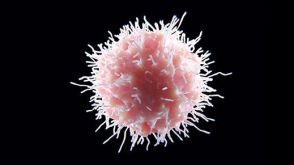 实验方案How to Measure NK Cell-Mediated Antibody-Dependent Cellular Cytotoxicity Using Flow Cytometry-Based Assays
 沪公网安备31010102008431号