Scalable Culturing of Primary Human Glioblastoma Tumor-Initiating Cells with a Cell-Friendly Culture System.
Glioblastoma is the most aggressive and deadly brain cancer. There is growing interest to develop drugs that specifically target to glioblastoma tumor-initiating cells (TICs). However,the cost-effective production of large numbers of high quality glioblastoma TICs for drug discovery with current cell culturing technologies remains very challenging. Here,we report a new method that cultures glioblastoma TICs in microscale alginate hydrogel tubes (or AlgTubes). The AlgTubes allowed long-term culturing ({\~{}}50 days,10 passages) of glioblastoma TICs with high growth rate ({\~{}}700-fold expansion/14 days),high cell viability and high volumetric yield ({\~{}}3.0 × 10⁸ cells/mL) without losing the stem cell properties,all offered large advancements over current culturing methods. This method can be applied for the scalable production of glioblastoma TICs at affordable cost for drug discovery.
View Publication
产品类型:
产品号#:
05750
05751
产品名:
NeuroCult™ NS-A 基础培养基(人)
NeuroCult™ NS-A 扩增试剂盒(人)
Fassnacht M et al. (AUG 2005)
Clinical cancer research : an official journal of the American Association for Cancer Research 11 15 5566--71
Induction of CD4(+) and CD8(+) T-cell responses to the human stromal antigen, fibroblast activation protein: implication for cancer immunotherapy.
PURPOSE: The propensity of tumor cells to escape immune elimination could limit,if not defeat,the long-term benefits of effective immunotherapeutic protocols. Immunologic targeting of tumor stroma could significantly reduce the ability of tumors to evade immune elimination. Murine studies have shown that inducing immunity against angiogenesis-associated products engenders potent antitumor immunity without significant pathology. It is,however,not known whether T cells corresponding to stromal products are present in humans. In this study,we describe a method to screen for human stromal products that have not triggered significant tolerance and could therefore serve as candidate antigens for cancer immunotherapy. EXPERIMENTAL DESIGN: To identify candidates for human stromal antigens,we used an in vitro-screening method to determine whether dendritic cells transfected with mRNA encoding products,which are overexpressed in the tumor stroma,are capable of stimulating cytotoxic CD8(+) (CTL) responses from human peripheral blood mononuclear cells. RESULTS: CTL responses could be consistently generated against fibroblast activation protein (FAP) but not against matrix metalloproteinase-9 (MMP-9) or MMP-14. To enhance the immunogenicity of the mRNA-translated FAP product,a lysosomal targeting signal derived from lysosome-associated membrane protein-1 (LAMP-1) was fused to the COOH terminus of FAP to redirect the translated product into the class II presentation pathway. Dendritic cells transfected with mRNA encoding the FAP-LAMP fusion product stimulated enhanced CD4(+) and CD8(+) T-cell responses. CONCLUSION: This study identifies FAP,a protease preferentially expressed in tumor-associated fibroblasts,as a candidate human stromal antigen to target in the setting of cancer immunotherapy,and shows that differential expression of stromal products is not a sufficient criteria to indicate its immunogenicity in a vaccination setting.
View Publication
Kriz V et al. (NOV 2006)
The Journal of biological chemistry 281 45 34484--91
The SHB adapter protein is required for normal maturation of mesoderm during in vitro differentiation of embryonic stem cells.
Definitive mesoderm arises from a bipotent mesendodermal population,and to study processes controlling its development at this stage,embryonic stem (ES) cells can be employed. SHB (Src homology 2 protein in beta-cells) is an adapter protein previously found to be involved in ES cell differentiation to mesoderm. To further study the role of SHB in this context,we have established ES cell lines deficient for one (SHB+/-) or both SHB alleles (SHB-/-). Differentiating embryoid bodies (EBs) derived from these ES cell lines were used for gene expression analysis. Alternatively,EBs were stained for the blood vessel marker CD31. For hematopoietic differentiation,EBs were differentiated in methylcellulose. SHB-/- EBs exhibited delayed down-regulation of the early mesodermal marker Brachyury. Later mesodermal markers relatively specific for the hematopoietic,vascular,and cardiac lineages were expressed at lower levels on day 6 or 8 of differentiation in EBs lacking SHB. The expression of vascular endothelial growth factor receptor-2 and fibroblast growth factor receptor-1 was also reduced in SHB-/- EBs. SHB-/- EBs demonstrated impaired blood vessel formation after vascular endothelial growth factor stimulation. In addition,the SHB-/- ES cells formed fewer blood cell colonies than SHB+/+ ES cells. It is concluded that SHB is required for appropriate hematopoietic and vascular differentiation and that delayed down-regulation of Brachyury expression may play a role in this context.
View Publication
产品类型:
产品号#:
03434
03444
产品名:
MethoCult™ GF M3434
MethoCult™ GF M3434
Nika K et al. (MAR 2006)
Molecular and cellular biology 26 5 1806--16
Lipid raft targeting of hematopoietic protein tyrosine phosphatase by protein kinase C theta-mediated phosphorylation.
Protein kinase C theta (PKC theta) is unique among PKC isozymes in its translocation to the center of the immune synapse in T cells and its unique downstream signaling. Here we show that the hematopoietic protein tyrosine phosphatase (HePTP) also accumulates in the immune synapse in a PKC theta-dependent manner upon antigen recognition by T cells and is phosphorylated by PKC theta at Ser-225,which is required for lipid raft translocation. Immune synapse translocation was completely absent in antigen-specific T cells from PKC theta-/- mice. In intact T cells,HePTP-S225A enhanced T-cell receptor (TCR)-induced NFAT/AP-1 transactivation,while the acidic substitution mutant was as efficient as wild-type HePTP. We conclude that HePTP is phosphorylated in the immune synapse by PKC theta and thereby targeted to lipid rafts to temper TCR signaling. This represents a novel mechanism for the active immune synapse recruitment and activation of a phosphatase in TCR signaling.
View Publication
Adipose tissue-derived mesenchymal stem cells have in vivo immunosuppressive properties applicable for the control of the graft-versus-host disease.
Previous studies have shown the relevance of bone marrow-derived MSCs (BM-MSCs) in controlling graft-versus-host disease (GVHD) after allogeneic transplantation. Since adipose tissue-derived MSCs (Ad-MSCs) may constitute a good alternative to BM-MSCs,we have expanded MSCs derived from human adipose tissue (hAd-MSCs) and mouse adipose tissue (mAd-MSCs),investigated the immunoregulatory properties of these cells,and evaluated their capacity to control GVHD in mice. The phenotype and immunoregulatory properties of expanded hAd-MSCs were similar to those of human BM-MSCs. Moreover,hAd-MSCs inhibited the proliferation and cytokine secretion of human primary T cells in response to mitogens and allogeneic T cells. Similarly,ex vivo expanded mAd-MSCs had an equivalent immunophenotype and exerted immunoregulatory properties similar to those of hAd-MSCs. Moreover,the infusion of mAd-MSCs in mice transplanted with haploidentical hematopoietic grafts controlled the lethal GVHD that occurred in control recipient mice. These findings constitute the first experimental proof that Ad-MSCs can efficiently control the GVHD associated with allogeneic hematopoietic transplantation,opening new perspectives for the clinical use of Ad-MSCs.
View Publication
产品类型:
产品号#:
05501
05502
05401
05402
05411
产品名:
MesenCult™ MSC 基础培养基(人)
MesenCult™ MSC刺激添加物(人)
MesenCult™ 增殖试剂盒(人)
Hannum C et al. (APR 1994)
Nature 368 6472 643--8
Ligand for FLT3/FLK2 receptor tyrosine kinase regulates growth of haematopoietic stem cells and is encoded by variant RNAs.
The FLT3/FLK2 receptor tyrosine kinase is closely related to two receptors,c-Kit and c-Fms,which function with their respective ligands,Kit ligand and macrophage colony-stimulating factor to control differentiation of haematopoietic and non-haematopoietic cells. FLT3/FLK2 is thought to be present on haematopoietic stem cells and found in brain,placenta and testis. We have purified to homogeneity and partially sequenced a soluble form of the FLT3/FLK2 ligand produced by mouse thymic stromal cells. We isolated several mouse and human complementary DNAs that encode polypeptides with identical N termini and different C termini. Some variants contain hydrophobic transmembrane segments,suggesting that processing may be required to release soluble ligand. The purified ligand enhances the response of mouse stem cells and a primitive human progenitor cell population to other growth factors such as interleukins IL-3 and IL-6 and to granulocyte-macrophage colony-stimulating factor,and also stimulates fetal thymocytes.
View Publication
Pfaender S et al. ( 2016)
Neural plasticity 2016 ID 3760702 1--15
Cellular Zinc Homeostasis Contributes to Neuronal Differentiation in Human Induced Pluripotent Stem Cells.
Disturbances in neuronal differentiation and function are an underlying factor of many brain disorders. Zinc homeostasis and signaling are important mediators for a normal brain development and function,given that zinc deficiency was shown to result in cognitive and emotional deficits in animal models that might be associated with neurodevelopmental disorders. One underlying mechanism of the observed detrimental effects of zinc deficiency on the brain might be impaired proliferation and differentiation of stem cells participating in neurogenesis. Thus,to examine the molecular mechanisms regulating zinc metabolism and signaling in differentiating neurons,using a protocol for motor neuron differentiation,we characterized the expression of zinc homeostasis genes during neurogenesis using human induced pluripotent stem cells (hiPSCs) and evaluated the influence of altered zinc levels on the expression of zinc homeostasis genes,cell survival,cell fate,and neuronal function. Our results show that zinc transporters are highly regulated genes during neuronal differentiation and that low zinc levels are associated with decreased cell survival,altered neuronal differentiation,and,in particular,synaptic function. We conclude that zinc deficiency in a critical time window during brain development might influence brain function by modulating neuronal differentiation.
View Publication
产品类型:
产品号#:
05850
05857
05870
05875
85850
85857
85870
85875
产品名:
mTeSR™1
mTeSR™1
Alshawaf AJ et al. ( 2017)
Stem cells international 2017 7848932
WDR62 Regulates Early Neural and Glial Progenitor Specification of Human Pluripotent Stem Cells.
Mutations in WD40-repeat protein 62 (WDR62) are commonly associated with primary microcephaly and other developmental cortical malformations. We used human pluripotent stem cells (hPSC) to examine WDR62 function during human neural differentiation and model early stages of human corticogenesis. Neurospheres lacking WDR62 expression showed decreased expression of intermediate progenitor marker,TBR2,and also glial marker,S100β. In contrast,inhibition of c-Jun N-terminal kinase (JNK) signalling during hPSC neural differentiation induced upregulation of WDR62 with a corresponding increase in neural and glial progenitor markers,PAX6 and EAAT1,respectively. These findings may signify a role of WDR62 in specifying intermediate neural and glial progenitors during human pluripotent stem cell differentiation.
View Publication
产品类型:
产品号#:
05850
05857
05870
05875
85850
85857
85870
85875
产品名:
mTeSR™1
mTeSR™1
Liu G et al. (APR 2009)
The Journal of cell biology 185 1 67--75
Canonical Wnts function as potent regulators of osteogenesis by human mesenchymal stem cells.
Genetic evidence indicates that Wnt signaling is critically involved in bone homeostasis. In this study,we investigated the functions of canonical Wnts on differentiation of adult multipotent human mesenchymal stem cells (hMSCs) in vitro and in vivo. We observe differential sensitivities of hMSCs to Wnt inhibition of osteogenesis versus adipogenesis,which favors osteoblastic commitment under binary in vitro differentiation conditions. Wnt inhibition of osteogenesis is associated with decreased expression of osteoblastic transcription factors and inhibition of c-Jun N-terminal kinase and p38 mitogen-activated protein kinase activation,which are involved in osteogenic differentiation. An hMSC subpopulation exhibits high endogenous Wnt signaling,the inhibition of which enhances osteogenic and adipogenic differentiation in vitro. In an in vivo bone formation model,high levels of Wnt signaling inhibit de novo bone formation by hMSCs. However,hMSCs with exogenous expression of Wnt1 but not stabilized beta-catenin markedly stimulate bone formation by naive hMSCs,arguing for an important role of a canonical Wnt gradient in hMSC osteogenesis in vivo.
View Publication
产品类型:
产品号#:
72642
产品名:
SP600125
Goff LA et al. (JAN 2009)
PLoS ONE 4 9 e7192
Ago2 immunoprecipitation identifies predicted microRNAs in human embryonic stem cells and neural precursors.
BACKGROUND: MicroRNAs are required for maintenance of pluripotency as well as differentiation,but since more microRNAs have been computationally predicted in genome than have been found,there are likely to be undiscovered microRNAs expressed early in stem cell differentiation. METHODOLOGY/PRINCIPAL FINDINGS: SOLiD ultra-deep sequencing identified textgreater10(7) unique small RNAs from human embryonic stem cells (hESC) and neural-restricted precursors that were fit to a model of microRNA biogenesis to computationally predict 818 new microRNA genes. These predicted genomic loci are associated with chromatin patterns of modified histones that are predictive of regulated gene expression. 146 of the predicted microRNAs were enriched in Ago2-containing complexes along with 609 known microRNAs,demonstrating association with a functional RISC complex. This Ago2 IP-selected subset was consistently expressed in four independent hESC lines and exhibited complex patterns of regulation over development similar to previously-known microRNAs,including pluripotency-specific expression in both hESC and iPS cells. More than 30% of the Ago2 IP-enriched predicted microRNAs are new members of existing families since they share seed sequences with known microRNAs. CONCLUSIONS/SIGNIFICANCE: Extending the classic definition of microRNAs,this large number of new microRNA genes,the majority of which are less conserved than their canonical counterparts,likely represent evolutionarily recent regulators of early differentiation. The enrichment in Ago2 containing complexes,the presence of chromatin marks indicative of regulated gene expression,and differential expression over development all support the identification of 146 new microRNAs active during early hESC differentiation.
View Publication


 EasySep™小鼠TIL(CD45)正选试剂盒





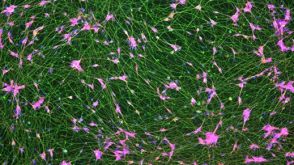 实验方案How to Culture Human Pluripotent Stem Cell (hPSC)-Derived Induced Forebrain Neurons for MEA Analysis Using the Maestro MEA™ System
 科学海报Column-Free Enrichment of EPCAM Positive and CD49F Positive Human Mammary Epithelial Progenitor Cells
 沪公网安备31010102008431号