Garon EB et al. ( 2010)
Molecular cancer therapeutics 9 7 1985--1994
Identification of common predictive markers of in vitro response to the Mek inhibitor selumetinib (AZD6244; ARRY-142886) in human breast cancer and non-small cell lung cancer cell lines.
Selumetinib (AZD6244; ARRY-142886) is a tight-binding,uncompetitive inhibitor of mitogen-activated protein kinase kinases (MEK) 1 and 2 currently in clinical development. We evaluated the effects of selumetinib in 31 human breast cancer cell lines and 43 human non-small cell lung cancer (NSCLC) cell lines to identify characteristics correlating with in vitro sensitivity to MEK inhibition. IC(50) textless1 micromol/L (considered sensitive) was seen in 5 of 31 breast cancer cell lines and 15 of 43 NSCLC cell lines,with a correlation between sensitivity and raf mutations in breast cancer cell lines (P = 0.022) and ras mutations in NSCLC cell lines (P = 0.045). Evaluation of 27 of the NSCLC cell lines with Western blots showed no clear association between MEK and phosphoinositide 3-kinase pathway activation and sensitivity to MEK inhibition. Baseline gene expression profiles were generated for each cell line using Agilent gene expression arrays to identify additional predictive markers. Genes associated with differential sensitivity to selumetinib were seen in both histologies,including a small number of genes in which differential expression was common to both histologies. In total,these results suggest that clinical trials of selumetinib in breast cancer and NSCLC might select patients whose tumors harbor raf and ras mutations,respectively.
View Publication
Multiple myeloma is characterized by the accumulation of clonal malignant plasma cells in the bone marrow,which stimulates bone destruction by osteoclasts and reduces bone formation by osteoblasts. In turn,the changed bone microenvironment sustains survival of myeloma cells. Therefore,a challenge for treating multiple myeloma is discovering drugs targeting not only myeloma cells but also osteoclasts and osteoblasts. Because resveratrol (trans-3,4',5-trihydroxystilbene) is reported to display antitumor activities on a variety of human cancer cells,we investigated the effects of this natural compound on myeloma and bone cells. We found that resveratrol reduces dose-dependently the growth of myeloma cell lines (RPMI 8226 and OPM-2) by a mechanism involving cell apoptosis. In cultures of human primary monocytes,resveratrol inhibits dose-dependently receptor activator of nuclear factor-kappaB (NF-kappaB) ligand-induced formation of tartrate-resistant acid phosphatase (TRACP)-positive multinucleated cells,TRACP activity in the medium,up-regulation of cathepsin K gene expression,and bone resorption. These inhibitions are associated with a down-regulation of RANK expression at both mRNA and cell surface protein levels and a decrease of NFATc1 stimulation and NF-kappaB nuclear translocation,whereas the gene expression of c-fms,CD14,and CD11a is up-regulated. Finally,resveratrol promotes dose-dependently the expression of osteoblast markers like osteocalcin and osteopontin in human bone marrow mesenchymal stem cells (hMSC-TERT) and stimulates their response to 1,25(OH)2 vitamin D3 [1,25(OH)2D3]. Moreover,resveratrol up-regulates dose-dependently the expression of 1,25(OH)2D3 nuclear receptor. Taken together,these results suggest that resveratrol or its derivatives deserve attention as potential drugs for treating multiple myeloma.
View Publication
产品类型:
产品号#:
72862
72864
产品名:
白藜芦醇(Resveratrol)
白藜芦醇(Resveratrol)
Wada K et al. (MAY 2006)
The Journal of biological chemistry 281 18 12673--81
Peroxisome proliferator-activated receptor gamma-mediated regulation of neural stem cell proliferation and differentiation.
Peroxisome proliferator-activated receptor gamma (PPARgamma) plays an important role in insulin sensitivity,tissue homeostasis,and regulating cellular functions. We found high-level expression of PPARgamma in embryo mouse brain and neural stem cells (NSCs),in contrast to extremely low levels in adult mouse brain. Here,we show that PPARgamma mediates the proliferation and differentiation of murine NSCs via up-regulation of the epidermal growth factor receptor and activation of the ERK pathway. Cell growth rates of NSCs prepared from heterozygous PPARgamma-deficient mouse brains,PPARgamma-RNA-silenced NSCs,and PPARgamma dominant-negative NSCs were significantly decreased compared with those of wild-type NSCs. Physiological concentrations of PPARgamma agonists,rosiglitazone and pioglitazone,stimulated NSC growth,whereas antagonists caused cell death in a concentration-dependent manner via activation of the caspase cascade. The stimulation of cell growth by PPARgamma was associated with a rapid activation of the ERK pathway by phosphorylation and up-regulation of epidermal growth factor receptor and cyclin B protein levels. In contrast,activation of PPARgamma by agonists inhibited the differentiation of NSCs into neurons. The inhibition of differentiation was associated with an activation of STAT3. These data indicate that PPARgamma regulates the development of the central nervous system during early embryogenesis via control of NSC proliferation.
View Publication
产品类型:
产品号#:
72622
72624
产品名:
罗格列酮(Rosiglitazone)
罗格列酮(Rosiglitazone)
Li J et al. ( 2007)
Differentiation; research in biological diversity 75 4 299--307
MEK/ERK signaling contributes to the maintenance of human embryonic stem cell self-renewal.
MEK/ERK signaling plays a crucial role in a diverse set of cellular functions including cell proliferation,differentiation and survival,and recently has been reported to negatively regulate mouse embryonic stem cell (mESC) self-renewal by antagonizing STAT3 activity. However,its role in human ESCs (hESCs) remains unclear. Here we investigated the functions of MEK/ERK in controlling hESC activity. We demonstrated that MEK/ERK kinases were targets of fibroblast growth factor (FGF) pathway in hESCs. Surprisingly,we found that,in contrast to mESCs,high basal MEK/ERK activity was required for maintaining hESCs in an undifferentiated state. Inhibition of MEK/ERK activity by specific MEK inhibitors PD98059 and U0126,or by RNA interference,rapidly caused the loss of self-renewal capacity. We also showed that MEK/ERK signaling cooperated with phosphoinositide 3-kinase (PI3K)/AKT signaling in maintaining hESC pluripotency. However,MEK/ERK signaling had little or no effect on regulating hESC proliferation and survival,in contrast to PI3K/AKT signaling. Taken together,these findings reveal the unique and crucial role of MEK/ERK signaling in the determination of hESC cell fate and expand our understanding of the molecular mechanisms behind the FGF pathway maintenance of hESC pluripotency. Importantly,these data make evident the striking differences in the control of self-renewal between hESCs and mESCs.
View Publication
Multi-scale imaging and informatics pipeline for in situ pluripotent stem cell analysis
Human pluripotent stem (hPS) cells are a potential source of cells for medical therapy and an ideal system to study fate decisions in early development. However,hPS cells cultured in vitro exhibit a high degree of heterogeneity,presenting an obstacle to clinical translation. hPS cells grow in spatially patterned colony structures,necessitating quantitative single-cell image analysis. We offer a tool for analyzing the spatial population context of hPS cells that integrates automated fluorescent microscopy with an analysis pipeline. It enables high-throughput detection of colonies at low resolution,with single-cellular and sub-cellular analysis at high resolutions,generating seamless in situ maps of single-cellular data organized by colony. We demonstrate the tool's utility by analyzing inter- and intra-colony heterogeneity of hPS cell cycle regulation and pluripotency marker expression. We measured the heterogeneity within individual colonies by analyzing cell cycle as a function of distance. Cells loosely associated with the outside of the colony are more likely to be in G1,reflecting a less pluripotent state,while cells within the first pluripotent layer are more likely to be in G2,possibly reflecting a G2/M block. Our multi-scale analysis tool groups colony regions into density classes,and cells belonging to those classes have distinct distributions of pluripotency markers and respond differently to DNA damage induction. Lastly,we demonstrate that our pipeline can robustly handle high-content,high-resolution single molecular mRNA FISH data by using novel image processing techniques. Overall,the imaging informatics pipeline presented offers a novel approach to the analysis of hPS cells that includes not only single cell features but also colony wide,and more generally,multi-scale spatial configuration.
View Publication
NAP-2 Secreted by Human NK Cells Can Stimulate Mesenchymal Stem/Stromal Cell Recruitment.
Strategies for improved homing of mesenchymal stem cells (MSCs) to a place of injury are being sought and it has been shown that natural killer (NK) cells can stimulate MSC recruitment. Here,we studied the chemokines behind this recruitment. Assays were performed with bone marrow human MSCs and NK cells freshly isolated from healthy donor buffy coats. Supernatants from MSC-NK cell co-cultures can induce MSC recruitment but not to the same extent as when NK cells are present. Antibody arrays and ELISA assays confirmed that NK cells secrete RANTES (CCL5) and revealed that human NK cells secrete NAP-2 (CXCL7),a chemokine that can induce MSC migration. Inhibition with specific antagonists of CXCR2,a receptor that recognizes NAP-2,abolished NK cell-mediated MSC recruitment. This capacity of NK cells to produce chemokines that stimulate MSC recruitment points toward a role for this immune cell population in regulating tissue repair/regeneration.
View Publication
产品类型:
产品号#:
19055
19055RF
产品名:
EasySep™人NK细胞富集试剂盒
RoboSep™ 人NK细胞富集试剂盒含滤芯吸头
Rausch V et al. (JUN 2010)
Cancer research 70 12 5004--13
Synergistic activity of sorafenib and sulforaphane abolishes pancreatic cancer stem cell characteristics.
Recent evidence suggests that pancreatic cancer and other solid tumors contain a subset of tumorigenic cells capable of extensive self-renewal that contribute to metastasis and treatment resistance. Sorafenib (SO) is a promising new multikinase inhibitor for treatment of advanced kidney and liver cancers. We report here targeting of pancreatic cancer stem cells (CSC) by SO and the development of a strategy to enhance this effect. Although SO administration diminished clonogenicity,spheroid formation,aldehyde dehydrogenase 1 (ALDH1) activity,growth on immunodeficient mice,proliferation,and angiogenesis and induced apoptosis,we observed SO-induced activation of NF-kappaB associated with survival and regrowth of spheroids. For enhanced elimination of CSC characteristics by SO,we cotreated cells with sulforaphane (SF). This broccoli isothiocyanate was recently described to eliminate pancreatic CSCs by downregulation of NF-kappaB activity without inducing toxic side effects. On combination treatment,SF completely eradicated SO-induced NF-kappaB binding,which was associated with abrogated clonogenicity,spheroid formation,ALDH1 activity,migratory capacity,and induction of apoptosis. In vivo,combination therapy reduced the tumor size in a synergistic manner. This was due to induction of apoptosis,inhibition of proliferation and angiogenesis,and downregulation of SO-induced expression of proteins involved in epithelial-mesenchymal transition. Our data suggest that SF may be suited to increase targeting of CSCs by SO.
View Publication
Efficient iPS cell production with the MyoD transactivation domain in serum-free culture.
A major difficulty of producing induced pluripotent stem cells (iPSCs) has been the low efficiency of reprogramming differentiated cells into pluripotent cells. We previously showed that 5% of mouse embryonic fibroblasts (MEFs) were reprogrammed into iPSCs when they were transduced with a fusion gene composed of Oct4 and the transactivation domain of MyoD (called M(3)O),along with Sox2,Klf4 and c-Myc (SKM). In addition,M(3)O facilitated chromatin remodeling of pluripotency genes in the majority of transduced MEFs,including cells that did not become iPSCs. These observations suggested the possibility that more than 5% of cells had acquired the ability to become iPSCs given more favorable culture conditions. Here,we raised the efficiency of making mouse iPSCs with M(3)O-SKM to 26% by culturing transduced cells at low density in serum-free culture medium. In contrast,the efficiency increased from 0.1% to only 2% with the combination of wild-type Oct4 and SKM (OSKM) under the same culture condition. For human iPSCs,M(3)O-SKM achieved 7% efficiency under a similar serum-free culture condition,in comparison to 1% efficiency with OSKM. This study highlights the power of combining the transactivation domain of MyoD with a favorable culture environment.
View Publication
产品类型:
产品号#:
05850
05857
05870
05875
85850
85857
85870
85875
产品名:
mTeSR™1
mTeSR™1
Zhang H et al. (DEC 2013)
Surgical oncology 22 4 217--223
The expression of stem cell protein Piwil2 and piR-932 in breast cancer.
BACKGROUND To investigate the expression status of PIWIL2 and piR-932 in breast cancer stem cells and the role they could play in tumor cell growth and metastasis through Latexin. METHODS CD44(+)/CD24(-) tumor cells (CSC) from clinical specimens were sorted using flow cytometry. PIWIL2 expression status was detected in CSC cells by microarray analysis and 1086 breast cancer specimens by Western blot and immunohistochemistry staining. piR-932 expression was also detected in CSC cells by piRNA microarray assay. The relationship between the PIWIL2 protein and clinico-pathological parameters and prognosis was subsequently determined. RESULTS CSC cells are more likely to generate new tumors in mice and cell microspheres that are deficient in NOD/SCID compared to the control group. PIWIL2 protein was expressed higher in CSC cells compared to the control cells. In total,334 (30.76%) of the 1086 breast cases showed high PIWIL2 expression. PIWIL2 was observed to be related to age,tumor size,histological type,tumor stage,and lymph node metastasis (all P textless 0.05). Furthermore,we have found that one of the Piwi-interacting RNAs (piRNAs) called piR-932 expressed significantly higher in the breast cancer cells that were induced to EMT,and it could form immune complexes through immunoprecipitation with PIWIL2; in PIWIL2+ breast cancer stem cells,Latexin expression significantly reduced because of its promoter region CpG island methylation. CONCLUSIONS These results suggest that the combination of piR-932 and PIWIL2 may be a positive regulator in the process of breast cancer stem cells through promoting the methylation of Latexin,and they both could be the potential targets for blocking the metastasis of breast cancer.
View Publication


 EasySep™小鼠TIL(CD45)正选试剂盒





 3:04
视频The Easy 50 EasySep™ Magnet: Portable Large-Volume Cell Separation In 25 Minutes发布日期: 10/10/2010
3:04
视频The Easy 50 EasySep™ Magnet: Portable Large-Volume Cell Separation In 25 Minutes发布日期: 10/10/2010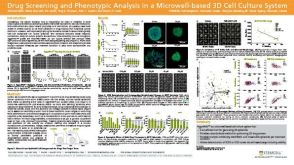 科学海报Drug Screening and Phenotypic Analysis in a Microwell-based 3D Cell Culture System
 1:07:14
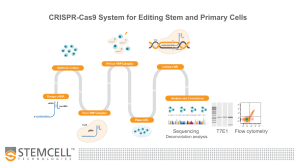
线上讲座Optimized Workflows for High-Efficiency Genome Editing in Stem and Primary Cell Types发布日期: 09/09/2019
1:07:14
线上讲座Optimized Workflows for High-Efficiency Genome Editing in Stem and Primary Cell Types发布日期: 09/09/2019
 沪公网安备31010102008431号