

 EasySep™小鼠TIL(CD45)正选试剂盒




搜索结果: 'gmp t cell activator'
-

产品类型:
产品号#:
85850
85857
产品名:
mTeSR™1
mTeSR™1
-
产品类型:
产品号#:
03534
产品名:
MethoCult™ GF M3534
-
产品类型:
产品号#:
09600
09605
09650
09655
产品名:
StemSpan™ SFEM
StemSpan™ SFEM II
StemSpan™ SFEM
StemSpan™ SFEM II
-
产品类型:
产品号#:
06005
产品名:
IntestiCult™ 类器官生长培养基 (小鼠)
-
产品类型:
产品号#:
05010
产品名:
STEMdiff™ 心室肌细胞分化试剂盒
-
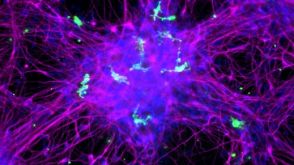 实验方案How to Co-Culture Human Pluripotent Stem Cell (hPSC)-Derived Forebrain Neurons and Microglia
产品类型:
研究方向:
免疫学,疾病建模,神经科学,药物发现和毒性检测,传染病
产品号#:
产品名:
-
 实验方案How to Measure NK Cell Killing Activity with a Standardized Potency Assay
产品类型:
研究方向:
免疫学,细胞治疗开发,癌症研究
产品号#:
产品名:
-
产品类型:
产品号#:
100-0692
17851
17851RF
产品名:
EasySep™人CD3正选试剂盒II
EasySep™人CD3正选试剂盒II
RoboSep™ 人CD3正选试剂盒II

 沪公网安备31010102008431号