SnapShot: COVID-19
Overview of the life cycle, viral structure, and human immune response to SARS-CoV-2
发布日期: 07/15/2020
A. Balakrishnan et al. (sep 2019)
Clinical cancer research : an official journal of the American Association for Cancer Research 25 24 7506--7516
Multispecific Targeting with Synthetic Ankyrin Repeat Motif Chimeric Antigen Receptors.
PURPOSE The outgrowth of antigen-negative variants is a significant challenge for adoptive therapy with T cells that target a single specificity. Chimeric antigen receptors (CAR) are typically designed with one or two scFvs that impart antigen specificity fused to activation and costimulation domains of T-cell signaling molecules. We designed and evaluated the function of CARs with up to three specificities for overcoming tumor escape using Designed Ankyrin Repeat Proteins (DARPins) rather than scFvs for tumor recognition. EXPERIMENTAL DESIGN A monospecific CAR was designed with a DARPin binder (E01) specific for EGFR and compared with a CAR designed using an anti-EGFR scFv. CAR constructs in which DARPins specific for EGFR,EpCAM,and HER2 were linked together in a single CAR were then designed and optimized to achieve multispecific tumor recognition. The efficacy of CAR-T cells bearing a multispecific DARPin CAR for treating tumors with heterogeneous antigen expression was evaluated in vivo. RESULTS The monospecific anti-EGFR E01 DARPin conferred potent tumor regression against EGFR+ targets that was comparable with an anti-EGFR scFv CAR. Linking three separate DARPins in tandem was feasible and in an optimized format generated a single tumor recognition domain that targeted a mixture of heterogeneous tumor cells,each expressing a single antigen,and displayed synergistic activity when tumor cells expressed more than one target antigen. CONCLUSIONS DARPins can serve as high-affinity recognition motifs for CAR design,and their robust architecture enables linking of multiple binders against different antigens to achieve functional synergy and reduce antigen escape.
View Publication
产品类型:
产品号#:
19662
19662RF
19663
产品名:
EasySep™ Direct人CD4+ T细胞分选试剂盒
RoboSep™ Direct人CD4+ T细胞分选试剂盒
EasySep™ Direct人CD8+ T细胞分选试剂盒
B. L. Khoo et al. ( 2019)
NPJ precision oncology 3 30
Liquid biopsy for minimal residual disease detection in leukemia using a portable blast cell biochip.
Long-term management for leukemia is challenging due to the painful and invasive procedure of bone marrow (BM) biopsy. At present,non-invasive liquid (blood) biopsy is not utilized for leukemia,due to lower counts of leukemia blast cells in the blood. Here,we described a robust system for the simultaneous detection and enrichment of rare blast cells. Enrichment of blast cells was achieved from blood with a one-step microfluidic blast cell biochip (BCB) sorting system,without specific targeting of proteins by antibodies. Non-target cells encountered a differential net force as compared to stiffer blast cells and were removed. The efficiency of the BCB promotes high detection sensitivity (1 in 106 cells) even from patients with minimal residual disease. The procedure was validated using actual blast cells from patients with various types of leukemia. Outcomes were compared to current evaluation standards,such as flow cytometry,using BM aspirates. Blast cell detection efficiency was higher in 55.6{\%} of the patients using the BCB as compared to flow cytometry,despite the lower concentrations of blast cells in liquid biopsy. These studies promote early-stage detection and routine monitoring for minimal residual disease in patients.
View Publication
产品类型:
产品号#:
19655
19655RF
产品名:
EasySep™ Direct人总淋巴细胞分选试剂盒
RoboSep™ Direct人总淋巴细胞分选试剂盒
M. Kim et al. (jan 2020)
Scientific reports 10 1 1085
Novel genes exhibiting DNA methylation alterations in Korean patients with chronic lymphocytic leukaemia: a methyl-CpG-binding domain sequencing study.
Chronic lymphocytic leukaemia (CLL) exhibits differences between Asians and Caucasians in terms of incidence rate,age at onset,immunophenotype,and genetic profile. We performed genome-wide methylation profiling of CLL in an Asian cohort for the first time. Eight Korean patients without somatic immunoglobulin heavy chain gene hypermutations underwent methyl-CpG-binding domain sequencing (MBD-seq),as did five control subjects. Gene Ontology,pathway analysis,and network-based prioritization of differentially methylated genes were also performed. More regions were hypomethylated (2,062 windows) than were hypermethylated (777 windows). Promoters contained the highest proportion of differentially methylated regions (0.08{\%}),while distal intergenic and intron regions contained the largest number of differentially methylated regions. Protein-coding genes were the most abundant,followed by long noncoding and short noncoding genes. The most significantly over-represented signalling pathways in the differentially methylated gene list included immune/cancer-related pathways and B-cell receptor signalling. Among the top 10 hub genes identified via network-based prioritization,four (UBC,GRB2,CREBBP,and GAB2) had no known relevance to CLL,while the other six (STAT3,PTPN6,SYK,STAT5B,XPO1,and ABL1) have previously been linked to CLL in Caucasians. As such,our analysis identified four novel candidate genes of potential significance to Asian patients with CLL.
View Publication
产品类型:
产品号#:
17854
17854RF
产品名:
EasySep™人CD19正选试剂盒II
RoboSep™ 人CD19正选试剂盒II
R. D. Kim et al. (jul 2020)
Clinical cancer research : an official journal of the American Association for Cancer Research 26 14 3557--3564
Phase II Study of Ensituximab, a Novel Chimeric Monoclonal Antibody, in Adults with Unresectable, Metastatic Colorectal Cancer.
PURPOSE Patients with metastatic colorectal cancer refractory to chemotherapy have limited treatment options. Ensituximab (NEO-102) is a novel chimeric mAb targeting a variant of MUC5AC with specificity to colorectal cancer. PATIENTS AND METHODS Single-arm,phase II trial assessed the efficacy and safety of ensituximab in patients with advanced,refractory cancer who expressed MUC5AC antigen in tumor tissue. Ensituximab was administered intravenously every 2 weeks with 3 mg/kg as recommended phase II dose (RP2D). A minimum sample size of 43 patients was required on the basis of the assumption that ensituximab would improve median overall survival (OS) by 7 months using a one-sided significance level of 10{\%} and 80{\%} power. Written informed consent was obtained from all patients. RESULTS Sixty-three patients with advanced,refractory colorectal cancer were enrolled and 53 subjects were treated in phase II arm. Median age was 58 years and 46{\%} of the patients were female. Among 57 evaluable patients,median OS was 6.8 months. No responses were observed,and stable disease was achieved in 21{\%} of the patients. The most common treatment-related adverse events (AE) at RP2D included fatigue (38{\%}),anemia (30{\%}),nausea (15{\%}),vomiting (11{\%}),increased bilirubin (9{\%}),constipation (8{\%}),decreased appetite (6{\%}),and diarrhea (6{\%}). Serious AEs at least possibly related to ensituximab occurred in 4 patients and included anemia,nausea,increased bilirubin,and hypoxia. No patients discontinued treatment due to drug-related AEs. CONCLUSIONS Ensituximab was well tolerated and demonstrated modest antitumor activity in patients with heavily pretreated refractory colorectal cancer.
View Publication
产品类型:
产品号#:
17955
17955RF
100-0960
产品名:
EasySep™人NK细胞分选试剂盒
RoboSep™ 人NK细胞分选试剂盒
EasySep™人NK细胞分离试剂盒
J. Lian et al. (may 2020)
Cell reports 31 8 107679
Targeting Lymph Node Niches Enhances Type 1 Immune Responses to Immunization.
Generating robust CD4+ T-helper cell type 1 (Th1) responses is essential for protective vaccine-induced type 1 immunity. Here,we examine whether immunization formulation associated with enhanced vaccine efficacy promotes antigen targeting and cell recruitment into lymph node (LN) niches associated with optimal type 1 responses. Immunization with antigen and Toll-like receptor agonist emulsified in oil leads to an increased differentiation of IFN$\gamma$/TNF-$\alpha$+ polyfunctional Th1 cells compared to an identical immunization in saline. Oil immunization results in a rapid delivery and persistence of antigen in interfollicular regions (IFRs) of the LN,whereas without oil,antigen is distributed in the medullary region. Following oil immunization,CXCL10-producing inflammatory monocytes accumulate in the IFR,which mobilizes antigen-specific CD4+ T cells into this niche. In this microenvironment,CD4+ T cells are advantageously positioned to encounter arriving IL-12-producing inflammatory dendritic cells (DCs). These data suggest that formulations delivering antigen to the LN IFR create an inflammatory niche that can improve vaccine efficacy.
View Publication
产品类型:
产品号#:
18765
18765RF
19861
19861RF
产品名:
EasySep™小鼠CD4+ CD62L+ T细胞分选试剂盒
RoboSep™ 小鼠CD4+ CD62L+ T细胞分选试剂盒
EasySep™小鼠单核细胞分选试剂盒
RoboSep™ 小鼠单核细胞分选试剂盒
X. Lu et al. ( 2020)
Frontiers in immunology 11 547
Neutrophil L-Plastin Controls Ocular Paucibacteriality and Susceptibility to Keratitis.
Why ocular mucosa is paucibacterial is unknown. Many different mechanisms have been suggested but the comprehensive experimental studies are sparse. We found that a deficiency in L-plastin (LCP1),an actin bundling protein,resulted in an ocular commensal overgrowth,characterized with increased presence of conjunctival Streptococcal spp. The commensal overgrowth correlated with susceptibility to P. aeruginosa-induced keratitis. L-plastin knock-out (KO) mice displayed elevated bacterial burden in the P. aeruginosa-infected corneas,altered inflammatory responses,and compromised bactericidal activity. Mice with ablation of LPL under the LysM Cre (LysM. Cre pos LPLfl/fl ) and S100A8 Cre (S100A8.Cre pos LPLfl/fl ) promoters had a similar phenotype to the LPL KOs mice. In contrast,infected CD11c.Cre pos LPLfl/fl mice did not display elevated susceptibility to infection,implicating the myeloid L-plastin-sufficient cells (e.g.,macrophages and neutrophils) in maintaining ocular homeostasis. Mechanistically,the elevated commensal burden and the susceptibility to infection were linked to defects in neutrophil frequencies at steady state and during infection and compromised bactericidal activities upon priming. Macrophage exposure to commensal organisms primed neutrophil responses to P. aeruginosa,augmenting PMN bactericidal capacity in an L-plastin dependent manner. Cumulatively,our data highlight the importance of neutrophils in controlling ocular paucibacteriality,reveal molecular and cellular events involved in the process,and suggest a link between commensal exposure and resistance to infection.
View Publication
产品类型:
产品号#:
19762
19762RF
产品名:
EasySep™小鼠中性粒细胞富集试剂盒
RoboSep™ 小鼠中性粒细胞富集试剂盒含滤芯吸头
N. K. Mehta et al. (jun 2020)
Nature biomedical engineering 4 6 636--648
Pharmacokinetic tuning of protein-antigen fusions enhances the immunogenicity of T-cell vaccines.
The formulations of peptide-based antitumour vaccines being tested in clinical studies are generally associated with weak potency. Here,we show that pharmacokinetically tuning the responses of peptide vaccines by fusing the peptide epitopes to carrier proteins optimizes vaccine immunogenicity in mice. In particular,we show in immunized mice that the carrier protein transthyretin simultaneously optimizes three factors: efficient antigen uptake in draining lymphatics from the site of injection,protection of antigen payloads from proteolytic degradation and reduction of antigen presentation in uninflamed distal lymphoid organs. Optimizing these factors increases vaccine immunogenicity by up to 90-fold and maximizes the responses to viral antigens,tumour-associated antigens,oncofetal antigens and shared neoantigens. Protein-peptide epitope fusions represent a facile and generalizable strategy for enhancing the T-cell responses elicited by subunit vaccines.
View Publication
产品类型:
产品号#:
19854
19854RF
19853
19853RF
产品名:
EasySep™小鼠B细胞分选试剂盒
RoboSep™ 小鼠B细胞分选试剂盒
EasySep™小鼠CD8+ T细胞分选试剂盒
RoboSep™ 小鼠CD8+ T细胞分选试剂盒
A. V. Sarapulov et al. ( 2020)
Frontiers in immunology 11 599
Missing-in-Metastasis/Metastasis Suppressor 1 Regulates B Cell Receptor Signaling, B Cell Metabolic Potential, and T Cell-Independent Immune Responses.
Efficient generation of antibodies by B cells is one of the prerequisites of protective immunity. B cell activation by cognate antigens via B cell receptors (BCRs),or pathogen-associated molecules through pattern-recognition receptors,such as Toll-like receptors (TLRs),leads to transcriptional and metabolic changes that ultimately transform B cells into antibody-producing plasma cells or memory cells. BCR signaling and a number of steps downstream of it rely on coordinated action of cellular membranes and the actin cytoskeleton,tightly controlled by concerted action of multiple regulatory proteins,some of them exclusive to B cells. Here,we dissect the role of Missing-In-Metastasis (MIM),or Metastasis suppressor 1 (MTSS1),a cancer-associated membrane and actin cytoskeleton regulating protein,in B cell-mediated immunity by taking advantage of MIM knockout mouse strain. We show undisturbed B cell development and largely normal composition of B cell compartments in the periphery. Interestingly,we found that MIM-/- B cells are defected in BCR signaling in response to surface-bound antigens but,on the other hand,show increased metabolic activity after stimulation with LPS or CpG. In vivo,MIM knockout animals exhibit impaired IgM antibody responses to immunization with T cell-independent antigen. This study provides the first comprehensive characterization of MIM in B cells,demonstrates its regulatory role for B cell-mediated immunity,as well as proposes new functions for MIM in tuning receptor signaling and cellular metabolism,processes,which may also contribute to the poorly understood functions of MIM in cancer.
View Publication
产品类型:
产品号#:
19854
19854RF
产品名:
EasySep™小鼠B细胞分选试剂盒
RoboSep™ 小鼠B细胞分选试剂盒
Z. Song et al. (jan 2020)
Blood
NADPH oxidase controls pulmonary neutrophil infiltration in the response to fungal cell walls by limiting LTB4.
Leukocyte nicotinamide adenine dinucleotide phosphate (NADPH) oxidase plays a key role in host defense and immune regulation. Genetic defects in NADPH oxidase result in chronic granulomatous disease (CGD),characterized by recurrent bacterial and fungal infections and aberrant inflammation. Key drivers of hyper-inflammation induced by fungal cell walls in CGD are still incompletely defined. Here,we found that CGD (CYBB-null) neutrophils produced higher amounts of leukotriene B4 (LTB4) in vitro following activation with zymosan or Immune complexes,as compared to wild type (WT) neutrophils. This correlated with increased calcium influx in CGD neutrophils,which is restrained in WT neutrophils by the electrogenic activity of the NADPH oxidase. Increased LTB4 generation by CGD neutrophils was also augmented by paracrine cross-talk with the LTB4 receptor BLT1. CGD neutrophils formed more numerous and larger clusters in the presence of zymosan in vitro compared to WT,which was also LTB4- and BLT1-dependent. In zymosan-induced lung inflammation,focal neutrophil infiltrates were increased in CGD compared to WT mice and associated with higher LTB4 levels. Inhibiting LTB4 synthesis or antagonizing the BLT1 receptor following zymosan challenge reduced lung neutrophil recruitment in CGD to WT levels. Thus,LTB4 was the major driver of excessive neutrophilic lung inflammation in CGD mice in the early response to fungal cell walls,likely by a dysregulated feed-forward loop involving amplified neutrophil production of LTB4. This study identifies neutrophil LTB4 generation as a target of NADPH oxidase regulation,which could potentially be exploited therapeutically to reduce excessive inflammation in CGD.
View Publication
产品类型:
产品号#:
19762
19762RF
产品名:
EasySep™小鼠中性粒细胞富集试剂盒
RoboSep™ 小鼠中性粒细胞富集试剂盒含滤芯吸头
S. J. Wang et al. (may 2020)
Science advances 6 21 eaaz8521
Efficient blockade of locally reciprocated tumor-macrophage signaling using a TAM-avid nanotherapy.
Interpreting how multicellular interactions in the tumor affect resistance pathways to BRAF and MEK1/2 MAPK inhibitors (MAPKi) remains a challenge. To investigate this,we profiled global ligand-receptor interactions among tumor and stromal/immune cells from biopsies of MAPK-driven disease. MAPKi increased tumor-associated macrophages (TAMs) in some patients,which correlated with poor clinical response,and MAPKi coamplified bidirectional tumor-TAM signaling via receptor tyrosine kinases (RTKs) including AXL,MERTK,and their ligand GAS6. In xenograft tumors,intravital microscopy simultaneously monitored in situ single-cell activities of multiple kinases downstream of RTKs,revealing MAPKi increased TAMs and enhanced bypass signaling in TAM-proximal tumor cells. As a proof-of-principle strategy to block this signaling,we developed a multi-RTK kinase inhibitor nanoformulation that accumulated in TAMs and delayed disease progression. Thus,bypass signaling can reciprocally amplify across nearby cell types,offering new opportunities for therapeutic design.
View Publication


 EasySep™小鼠TIL(CD45)正选试剂盒




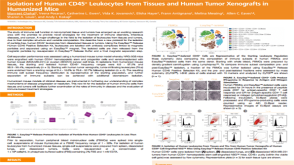 科学海报Isolation of Human CD45+ Leukocytes From Tissues and Human Tumor Xenografts in Humanized Mice
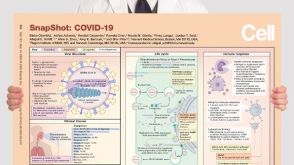 挂图SnapShot: COVID-19 Overview of the life cycle, viral structure, and human immune response to SARS-CoV-2发布日期: 07/15/2020

 沪公网安备31010102008431号