Riccioni R et al. (OCT 2007)
British journal of haematology 139 2 194--205
M4 and M5 acute myeloid leukaemias display a high sensitivity to Bortezomib-mediated apoptosis.
The present study explored the sensitivity of leukaemic blasts derived from 30 acute myeloid leukaemia (AML) patients to Bortezomib. Bortezomib induced apoptosis of primary AML blasts: 18/30 AMLs were clearly sensitive to the proapoptotic effects of Bortezomib,while the remaining cases were moderately sensitive to this molecule. The addition of tumour necrosis factor-related-apoptosis-inducing ligand,when used alone,did not induce apoptosis of AML blasts and further potentiated the cytotoxic effects of Bortezomib. The majority of AMLs sensitive to Bortezomib showed immunophenotypic features of the M4 and M5 French-American-British classification subtypes and displayed myelomonocytic features. All AMLs with mutated FLT3 were in the Bortezomib-sensitive group. Biochemical studies showed that: (i) Bortezomib activated caspase-8 and caspase-3 and decreased cellular FLICE [Fas-associated death domain (FADD)-like interleukin-1beta-converting enzyme]-inhibitory protein (c-FLIP) levels in AML blasts; (ii) high c-FLIP levels in AML blasts were associated with low Bortezomib sensitivity. Finally,analysis of the effects of Bortezomib on leukaemic cells displaying high aldehyde dehydrogenase activity suggested that this drug induced in vitro killing of leukaemic stem cells. The findings of the present study,further support the development of Bortezomib as an anti-leukaemic drug and provide simple tools to predict the sensitivity of AML cells to this drug.
View Publication
产品类型:
产品号#:
01700
01705
01701
01702
产品名:
ALDEFLUOR™ 试剂盒
ALDEFLUOR™ DEAB试剂, 1.5 mM, 1 mL
ALDEFLUOR™检测缓冲液
Perez LE et al. (MAR 2010)
European journal of haematology 84 3 212--22
Bortezomib restores stroma-mediated APO2L/TRAIL apoptosis resistance in multiple myeloma.
OBJECTIVES: Hematopoietic stroma promotes resistance to immune control by APO2L/TRAIL in multiple myeloma (MM) cells in part by increasing synthesis of the anti-apoptotic protein c-FLIP. Here,we tested whether bortezomib can reverse the APO2L/TRAIL environmental mediated-immune resistance (EM-IR). MATERIAL AND METHODS: MM cell lines (RPMI 8226 and U266) and CD138+ patient's MM cells were directly adhered to HS5 stroma exposed to HS5 or bone marrow stroma of patients with MM released soluble factors in a transwell system. Cells were treated with either APO2L/TRAIL (10 ng/mL),bortezomib (10 nm) or both. RESULTS: Pretreatment with bortezomib effectively overcomes APO2L/TRAIL apoptosis resistance in myeloma cell lines and in CD138+ cells while directly adhered or in transwell assay. Bortezomib was not cytotoxic to HS5 stroma cells and only altered monocyte chemotactic protein-2-3 and IL-10 levels in the stroma-myeloma milieu. Factors released by HS5 stroma increased expression of c-FLIP,induced STAT-3 and ERK phosphorylation and reduced DR4 receptor expression in MM cells. HS5 stroma-released factor(s) induced NF-kappaB activation after 20 h exposure in association with an enhanced c-FLIP transcription. Bortezomib effectively reduced c-FLIP protein expression without affecting other proteins. Bortezomib also increased DR4 and DR5 expression in the presence of stroma. CONCLUSIONS: These findings provide the rationale to combine bortezomib and APO2L/TRAIL to disrupt the influence of the stroma microenvironment on MM cells.
View Publication
产品类型:
产品号#:
15129
15169
产品名:
RosetteSep™人多发性骨髓瘤细胞富集抗体混合物
RosetteSep™人多发性骨髓瘤细胞富集抗体混合物
Eksteen B et al. (DEC 2004)
The Journal of experimental medicine 200 11 1511--7
Hepatic endothelial CCL25 mediates the recruitment of CCR9+ gut-homing lymphocytes to the liver in primary sclerosing cholangitis.
Primary sclerosing cholangitis (PSC),a chronic inflammatory liver disease characterized by progressive bile duct destruction,develops as an extra-intestinal complication of inflammatory bowel disease (IBD) (Chapman,R.W. 1991. Gut. 32:1433-1435). However,the liver and bowel inflammation are rarely concomitant,and PSC can develop in patients whose colons have been removed previously. We hypothesized that PSC is mediated by long-lived memory T cells originally activated in the gut,but able to mediate extra-intestinal inflammation in the absence of active IBD (Grant,A.J.,P.F. Lalor,M. Salmi,S. Jalkanen,and D.H. Adams. 2002. Lancet. 359:150-157). In support of this,we show that liver-infiltrating lymphocytes in PSC include mucosal T cells recruited to the liver by aberrant expression of the gut-specific chemokine CCL25 that activates alpha4beta7 binding to mucosal addressin cell adhesion molecule 1 on the hepatic endothelium. This is the first demonstration in humans that T cells activated in the gut can be recruited to an extra-intestinal site of disease and provides a paradigm to explain the pathogenesis of extra-intestinal complications of IBD.
View Publication
产品类型:
产品号#:
18552
18552RF
18551
18551RF
18561
产品名:
Isham CR et al. (MAR 2007)
Blood 109 6 2579--88
Chaetocin: a promising new antimyeloma agent with in vitro and in vivo activity mediated via imposition of oxidative stress.
Chaetocin,a thiodioxopiperazine natural product previously unreported to have anticancer effects,was found to have potent antimyeloma activity in IL-6-dependent and -independent myeloma cell lines in freshly collected sorted and unsorted patient CD138(+) myeloma cells and in vivo. Chaetocin largely spares matched normal CD138(-) patient bone marrow leukocytes,normal B cells,and neoplastic B-CLL (chronic lymphocytic leukemia) cells,indicating a high degree of selectivity even in closely lineage-related B cells. Furthermore,chaetocin displays superior ex vivo antimyeloma activity and selectivity than doxorubicin and dexamethasone,and dexamethasone- or doxorubicin-resistant myeloma cell lines are largely non-cross-resistant to chaetocin. Mechanistically,chaetocin is dramatically accumulated in cancer cells via a process inhibited by glutathione and requiring intact/unreduced disulfides for uptake. Once inside the cell,its anticancer activity appears mediated primarily through the imposition of oxidative stress and consequent apoptosis induction. Moreover,the selective antimyeloma effects of chaetocin appear not to reflect differential intracellular accumulation of chaetocin but,instead,heightened sensitivity of myeloma cells to the cytotoxic effects of imposed oxidative stress. Considered collectively,chaetocin appears to represent a promising agent for further study as a potential antimyeloma therapeutic.
View Publication
产品类型:
产品号#:
18054
18054RF
21000
20119
20155
19154
19154RF
73592
产品名:
RoboSep™- S
RoboSep™ 吸头组件抛光剂
RoboSep™分选管套装(9个塑料管)
毛壳素
Serra RW et al. (MAR 2014)
eLife 3 3 e02313
A KRAS-directed transcriptional silencing pathway that mediates the CpG island methylator phenotype.
Approximately 70% of KRAS-positive colorectal cancers (CRCs) have a CpG island methylator phenotype (CIMP) characterized by aberrant DNA hypermethylation and transcriptional silencing of many genes. The factors involved in,and the mechanistic basis of,CIMP is not understood. Among the CIMP genes are the tumor suppressors p14(ARF),p15(INK4B),and p16(INK4A),encoded by the INK4-ARF locus. In this study,we perform an RNA interference screen and identify ZNF304,a zinc-finger DNA-binding protein,as the pivotal factor required for INK4-ARF silencing and CIMP in CRCs containing activated KRAS. In KRAS-positive human CRC cell lines and tumors,ZNF304 is bound at the promoters of INK4-ARF and other CIMP genes. Promoter-bound ZNF304 recruits a corepressor complex that includes the DNA methyltransferase DNMT1,resulting in DNA hypermethylation and transcriptional silencing. KRAS promotes silencing through upregulation of ZNF304,which drives DNA binding. Finally,we show that ZNF304 also directs transcriptional silencing of INK4-ARF in human embryonic stem cells. DOI: http://dx.doi.org/10.7554/eLife.02313.001.
View Publication
产品类型:
产品号#:
05850
05857
05870
05875
85850
85857
85870
85875
产品名:
mTeSR™1
mTeSR™1
Guo H-B et al. (DEC 2010)
Proceedings of the National Academy of Sciences of the United States of America 107 49 21116--21
Specific posttranslational modification regulates early events in mammary carcinoma formation.
The expression of an enzyme,GnT-V,that catalyzes a specific posttranslational modification of a family of glycoproteins,namely a branched N-glycan,is transcriptionally up-regulated during breast carcinoma oncogenesis. To determine the molecular basis of how early events in breast carcinoma formation are regulated by GnT-V,we studied both the early stages of mammary tumor formation by using 3D cell culture and a her-2 transgenic mouse mammary tumor model. Overexpression of GnT-V in MCF-10A mammary epithelial cells in 3D culture disrupted acinar morphogenesis with impaired hollow lumen formation,an early characteristic of mammary neoplastic transformation. The disrupted acinar morphogenesis of mammary tumor cells in 3D culture caused by her-2 expression was reversed in tumors that lacked GnT-V expression. Moreover,her-2-induced mammary tumor onset was significantly delayed in the GnT-V null tumors,evidence that the lack of the posttranslational modification catalyzed by GnT-V attenuated tumor formation. Inhibited activation of both PKB and ERK signaling pathways was observed in GnT-V null tumor cells. The proportion of tumor-initiating cells (TICs) in the mammary tumors from GnT-V null mice was significantly reduced compared with controls,and GnT-V null TICs displayed a reduced ability to form secondary tumors in NOD/SCID mice. These results demonstrate that GnT-V expression and its branched glycan products effectively modulate her-2-mediated signaling pathways that,in turn,regulate the relative proportion of tumor initiating cells and the latency of her-2-driven tumor onset.
View Publication
产品类型:
产品号#:
01700
01705
01702
产品名:
ALDEFLUOR™ 试剂盒
ALDEFLUOR™ DEAB试剂, 1.5 mM, 1 mL
ALDEFLUOR™检测缓冲液
Koivunen P et al. (MAR 2012)
Nature 483 7390 484--8
Transformation by the (R)-enantiomer of 2-hydroxyglutarate linked to EGLN activation.
The identification of succinate dehydrogenase (SDH),fumarate hydratase (FH) and isocitrate dehydrogenase (IDH) mutations in human cancers has rekindled the idea that altered cellular metabolism can transform cells. Inactivating SDH and FH mutations cause the accumulation of succinate and fumarate,respectively,which can inhibit 2-oxoglutarate (2-OG)-dependent enzymes,including the EGLN prolyl 4-hydroxylases that mark the hypoxia inducible factor (HIF) transcription factor for polyubiquitylation and proteasomal degradation. Inappropriate HIF activation is suspected of contributing to the pathogenesis of SDH-defective and FH-defective tumours but can suppress tumour growth in some other contexts. IDH1 and IDH2,which catalyse the interconversion of isocitrate and 2-OG,are frequently mutated in human brain tumours and leukaemias. The resulting mutants have the neomorphic ability to convert 2-OG to the (R)-enantiomer of 2-hydroxyglutarate ((R)-2HG). Here we show that (R)-2HG,but not (S)-2HG,stimulates EGLN activity,leading to diminished HIF levels,which enhances the proliferation and soft agar growth of human astrocytes. These findings define an enantiomer-specific mechanism by which the (R)-2HG that accumulates in IDH mutant brain tumours promotes transformation and provide a justification for exploring EGLN inhibition as a potential treatment strategy.
View Publication
产品类型:
产品号#:
05751
产品名:
NeuroCult™ NS-A 扩增试剂盒(人)
Dowling RJO et al. ( 2012)
Journal of molecular endocrinology 48 3 R31--43
Metformin in cancer: translational challenges.
The anti-diabetic drug metformin is rapidly emerging as a potential anti-cancer agent. Metformin,effective in treating type 2 diabetes and the insulin resistance syndromes,improves insulin resistance by reducing hepatic gluconeogenesis and by enhancing glucose uptake by skeletal muscle. Epidemiological studies have consistently associated metformin use with decreased cancer incidence and cancer-related mortality. Furthermore,numerous preclinical and clinical studies have demonstrated anti-cancer effects of metformin,leading to an explosion of interest in evaluating this agent in human cancer. The effects of metformin on circulating insulin levels indicate a potential efficacy towards cancers associated with hyperinsulinaemia; however,metformin may also directly inhibit tumour growth. In this review,we describe the mechanism of action of metformin and summarise the epidemiological,clinical and preclinical evidence supporting a role for metformin in the treatment of cancer. In addition,the challenges associated with translating preclinical results into therapeutic benefit in the clinical setting will be discussed.
View Publication
Maes C et al. (MAY 2006)
The Journal of clinical investigation 116 5 1230--42
Placental growth factor mediates mesenchymal cell development, cartilage turnover, and bone remodeling during fracture repair.
Current therapies for delayed- or nonunion bone fractures are still largely ineffective. Previous studies indicated that the VEGF homolog placental growth factor (PlGF) has a more significant role in disease than in health. Therefore we investigated the role of PlGF in a model of semi-stabilized bone fracture healing. Fracture repair in mice lacking PlGF was impaired and characterized by a massive accumulation of cartilage in the callus,reminiscent of delayed- or nonunion fractures. PlGF was required for the early recruitment of inflammatory cells and the vascularization of the fracture wound. Interestingly,however,PlGF also played a role in the subsequent stages of the repair process. Indeed in vivo and in vitro findings indicated that PlGF induced the proliferation and osteogenic differentiation of mesenchymal progenitors and stimulated cartilage turnover by particular MMPs. Later in the process,PlGF was required for the remodeling of the newly formed bone by stimulating osteoclast differentiation. As PlGF expression was increased throughout the process of bone repair and all the important cell types involved expressed its receptor VEGFR-1,the present data suggest that PlGF is required for mediating and coordinating the key aspects of fracture repair. Therefore PlGF may potentially offer therapeutic advantages for fracture repair.
View Publication
产品类型:
产品号#:
03534
03334
03434
03444
18753
18753RF
产品名:
MethoCult™ GF M3534
MethoCult™ M3334
MethoCult™ GF M3434
MethoCult™ GF M3434
Rausch V et al. (JUN 2010)
Cancer research 70 12 5004--13
Synergistic activity of sorafenib and sulforaphane abolishes pancreatic cancer stem cell characteristics.
Recent evidence suggests that pancreatic cancer and other solid tumors contain a subset of tumorigenic cells capable of extensive self-renewal that contribute to metastasis and treatment resistance. Sorafenib (SO) is a promising new multikinase inhibitor for treatment of advanced kidney and liver cancers. We report here targeting of pancreatic cancer stem cells (CSC) by SO and the development of a strategy to enhance this effect. Although SO administration diminished clonogenicity,spheroid formation,aldehyde dehydrogenase 1 (ALDH1) activity,growth on immunodeficient mice,proliferation,and angiogenesis and induced apoptosis,we observed SO-induced activation of NF-kappaB associated with survival and regrowth of spheroids. For enhanced elimination of CSC characteristics by SO,we cotreated cells with sulforaphane (SF). This broccoli isothiocyanate was recently described to eliminate pancreatic CSCs by downregulation of NF-kappaB activity without inducing toxic side effects. On combination treatment,SF completely eradicated SO-induced NF-kappaB binding,which was associated with abrogated clonogenicity,spheroid formation,ALDH1 activity,migratory capacity,and induction of apoptosis. In vivo,combination therapy reduced the tumor size in a synergistic manner. This was due to induction of apoptosis,inhibition of proliferation and angiogenesis,and downregulation of SO-induced expression of proteins involved in epithelial-mesenchymal transition. Our data suggest that SF may be suited to increase targeting of CSCs by SO.
View Publication
产品类型:
产品号#:
01700
01705
01702
产品名:
ALDEFLUOR™ 试剂盒
ALDEFLUOR™ DEAB试剂, 1.5 mM, 1 mL
ALDEFLUOR™检测缓冲液
Lim S et al. ( 2013)
PloS one 8 6 e66558
SNAI1-mediated epithelial-mesenchymal transition confers chemoresistance and cellular plasticity by regulating genes involved in cell death and stem cell maintenance.
Tumor cells at the tumor margin lose epithelial properties and acquire features of mesenchymal cells,a process called epithelial-to-mesenchymal transition (EMT). Recently,features of EMT were shown to be linked to cells with tumor-founding capability,so-called cancer stem cells (CSCs). Inducers of the EMT include several transcription factors,such as Snail (SNAI1) and Slug (SNAI2),as well as the secreted transforming growth factor (TGFß). In the present study,we found that EMT induction in MCF10A cells by stably expressing SNAI1 contributed to drug resistance and acquisition of stem/progenitor-like character as shown by increased cell population for surface marker CD44(+)/CD24(-) and mammosphere forming capacity. Using a microarray approach,we demonstrate that SNAI1 overexpression results in a dramatic change in signaling pathways involved in the regulation of cell death and stem cell maintenance. We showed that NF-$$B/MAPK signaling pathways are highly activated in MCF10A-SNAI1 cells by IL1ß stimulation,leading to the robust induction in IL6 and IL8. Furthermore,MCF10A-SNAI1 cells showed enhanced TCF/ß-catenin activity responding to the exogenous Wnt3a treatment. However,EMT-induced stem/progenitor cell activation process is tightly regulated in non-transformed MCF10A cells,as WNT5A and TGFB2 are strongly upregulated in MCF10A-SNAI1 cells antagonizing canonical Wnt pathway. In summary,our data provide new molecular findings how EMT contributes to the enhanced chemoresistance and the acquisition of stem/progenitor-like character by regulating signaling pathways.
View Publication


 EasySep™小鼠TIL(CD45)正选试剂盒





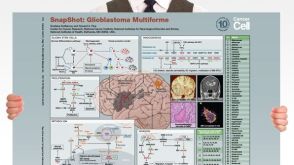 挂图SnapShot: Glioblastoma Multiforme Overview of the key concepts and mechanisms in glioblastoma multiforme biology
 沪公网安备31010102008431号