Sullivan JP et al. (DEC 2010)
Cancer research 70 23 9937--48
Aldehyde dehydrogenase activity selects for lung adenocarcinoma stem cells dependent on notch signaling.
Aldehyde dehydrogenase (ALDH) is a candidate marker for lung cancer cells with stem cell-like properties. Immunohistochemical staining of a large panel of primary non-small cell lung cancer (NSCLC) samples for ALDH1A1,ALDH3A1,and CD133 revealed a significant correlation between ALDH1A1 (but not ALDH3A1 or CD133) expression and poor prognosis in patients including those with stage I and N0 disease. Flow cytometric analysis of a panel of lung cancer cell lines and patient tumors revealed that most NSCLCs contain a subpopulation of cells with elevated ALDH activity,and that this activity is associated with ALDH1A1 expression. Isolated ALDH(+) lung cancer cells were observed to be highly tumorigenic and clonogenic as well as capable of self-renewal compared with their ALDH(-) counterparts. Expression analysis of sorted cells revealed elevated Notch pathway transcript expression in ALDH(+) cells. Suppression of the Notch pathway by treatment with either a γ-secretase inhibitor or stable expression of shRNA against NOTCH3 resulted in a significant decrease in ALDH(+) lung cancer cells,commensurate with a reduction in tumor cell proliferation and clonogenicity. Taken together,these findings indicate that ALDH selects for a subpopulation of self-renewing NSCLC stem-like cells with increased tumorigenic potential,that NSCLCs harboring tumor cells with ALDH1A1 expression have inferior prognosis,and that ALDH1A1 and CD133 identify different tumor subpopulations. Therapeutic targeting of the Notch pathway reduces this ALDH(+) component,implicating Notch signaling in lung cancer stem cell maintenance.
View Publication
产品类型:
产品号#:
01700
01705
01702
产品名:
ALDEFLUOR™ 试剂盒
ALDEFLUOR™ DEAB试剂, 1.5 mM, 1 mL
ALDEFLUOR™检测缓冲液
Arai S et al. (JUN 2011)
Blood 117 23 6304--14
Evi-1 is a transcriptional target of mixed-lineage leukemia oncoproteins in hematopoietic stem cells.
Ecotropic viral integration site-1 (Evi-1) is a nuclear transcription factor that plays an essential role in the regulation of hematopoietic stem cells. Aberrant expression of Evi-1 has been reported in up to 10% of patients with acute myeloid leukemia and is a diagnostic marker that predicts a poor outcome. Although chromosomal rearrangement involving the Evi-1 gene is one of the major causes of Evi-1 activation,overexpression of Evi-1 is detected in a subgroup of acute myeloid leukemia patients without any chromosomal abnormalities,which indicates the presence of other mechanisms for Evi-1 activation. In this study,we found that Evi-1 is frequently up-regulated in bone marrow cells transformed by the mixed-lineage leukemia (MLL) chimeric genes MLL-ENL or MLL-AF9. Analysis of the Evi-1 gene promoter region revealed that MLL-ENL activates transcription of Evi-1. MLL-ENL-mediated up-regulation of Evi-1 occurs exclusively in the undifferentiated hematopoietic population,in which Evi-1 particularly contributes to the propagation of MLL-ENL-immortalized cells. Furthermore,gene-expression analysis of human acute myeloid leukemia cases demonstrated the stem cell-like gene-expression signature of MLL-rearranged leukemia with high levels of Evi-1. Our findings indicate that Evi-1 is one of the targets of MLL oncoproteins and is selectively activated in hematopoietic stem cell-derived MLL leukemic cells.
View Publication
产品类型:
产品号#:
03434
03444
产品名:
MethoCult™ GF M3434
MethoCult™ GF M3434
Steffen B et al. (APR 2011)
Blood 117 16 4328--37
AML1/ETO induces self-renewal in hematopoietic progenitor cells via the Groucho-related amino-terminal AES protein.
The most frequent translocation t(8;21) in acute myeloid leukemia (AML) generates the chimeric AML1/ETO protein,which blocks differentiation and induces self-renewal in hematopoietic progenitor cells. The underlying mechanisms mediating AML1/ETO-induced self-renewal are largely unknown. Using expression microarray analysis,we identified the Groucho-related amino-terminal enhancer of split (AES) as a consistently up-regulated AML1/ETO target. Elevated levels of AES mRNA and protein were confirmed in AML1/ETO-expressing leukemia cells,as well as in other AML specimens. High expression of AES mRNA or protein was associated with improved survival of AML patients,even in the absence of t(8;21). On a functional level,knockdown of AES by RNAi in AML1/ETO-expressing cell lines inhibited colony formation. Similarly,self-renewal induced by AML1/ETO in primary murine progenitors was inhibited when AES was decreased or absent. High levels of AES expression enhanced formation of immature colonies,serial replating capacity of primary cells,and colony formation in colony-forming unit-spleen assays. These findings establish AES as a novel AML1/ETO-induced target gene that plays an important role in the self-renewal phenotype of t(8;21)-positive AML.
View Publication
产品类型:
产品号#:
03234
产品名:
MethoCult™ M3234
Torrano V et al. (NOV 2011)
Blood 118 18 4910--8
ETV6-RUNX1 promotes survival of early B lineage progenitor cells via a dysregulated erythropoietin receptor.
ETV6-RUNX1 gene fusion is usually an early,prenatal event in childhood acute lymphoblastic leukemia (ALL). Transformation results in the generation of a persistent (> 14 years) preleukemic clone,which postnatally converts to ALL after the acquisition of necessary secondary genetic alterations. Many cancer cells show some expression of the erythropoietin receptor (EPOR) gene,although the functionality" of any EPOR complexes and their relevant signaling pathways in nonerythroid cells has not been validated. EPOR mRNA is selectively and ectopically expressed in ETV6-RUNX1(+) ALL but the presence of a functional EPOR on the cell surface and its role in leukemogenesis driven by ETV6-RUNX1 remains to be identified. Here we show that ETV6-RUNX1 directly binds the EPOR promoter and that expression of ETV6-RUNX1 alone in normal pre-B cells is sufficient to activate EPOR transcription. We further reveal that murine and human ETV6-RUNX1(+) cells expressing EPOR mRNA have EPO ligand binding activity that correlates with an increased cell survival through activation of the JAK2-STAT5 pathway and up-regulation of antiapoptotic BCL-XL. These data support the contention that ETV6-RUNX1 directly activates ectopic expression of a functional EPOR and provides cell survival signals that may contribute critically to persistence of covert premalignant clones in children.
View Publication
产品类型:
产品号#:
70007
70007.1
70007.2
产品名:
冻存的人脐带血单核细胞
冻存的人脐带血单核细胞
冻存的人脐带血单核细胞
Garg TK et al. (SEP 2012)
Haematologica 97 9 1348--56
Highly activated and expanded natural killer cells for multiple myeloma immunotherapy.
BACKGROUND Patients with gene expression profiling-defined high-risk myeloma in relapse have poor outcomes with current therapies. We tested whether natural killer cells expanded by co-culture with K562 cells transfected with 41BBL and membrane-bound interleukin-15 could kill myeloma cells with a high-risk gene expression profile in vitro and in a unique model which recapitulates human myeloma. DESIGN AND METHODS OPM2 and high-risk primary myeloma tumors were grown in human fetal bone implanted into non-obese diabetic severe combined immunodeficiency mice with a deficient interleukin-2 receptor gamma chain. These mice are devoid of endogenous natural killer and T-cell activity and were used to determine whether adoptively transferred expanded natural killer cells could inhibit myeloma growth and myeloma-associated bone destruction. RESULTS Natural killer cells from healthy donors and myeloma patients expanded a median of 804- and 351-fold,respectively,without significant T-cell expansion. Expanded natural killer cells killed both allogeneic and autologous primary myeloma cells avidly via a perforin-mediated mechanism in which the activating receptor NKG2D,natural cytotoxicity receptors,and DNAX-accessory molecule-1 played a central role. Adoptive transfer of expanded natural killer cells inhibited the growth of established OPM2 and high-risk primary myeloma tumors grown in the murine model. The transferred,expanded natural killer cells proliferated in vivo in an interleukin-2 dose-dependent fashion,persisted up to 4 weeks,were readily detectable in the human bone,inhibited myeloma growth and protected bone from myeloma-induced osteolysis. CONCLUSIONS These studies provide the rationale for testing expanded natural killer cells in humans.
View Publication
产品类型:
产品号#:
19055
19055RF
产品名:
EasySep™人NK细胞富集试剂盒
RoboSep™ 人NK细胞富集试剂盒含滤芯吸头
Xu D et al. ( 2012)
PloS one 7 10 e46670
Cancer stem cell-related gene periostin: a novel prognostic marker for breast cancer.
We investigated the expression status of periostin in breast cancer stem cells and its clinical implications in order to lay a foundation for managing breast cancer. CD44+/CD24-/line- tumor cells (CSC) from clinical specimens were sorted using flow cytometry. Periostin expression status was detected in CSC cells and 1,086 breast cancer specimens by Western blot and immunohistochemistry staining,with the CSC ratio determined by immunofluorescence double staining. The relationship between the periostin protein and clinico-pathological parameters and prognosis was subsequently determined. As a result,CSC cells are more likely to generate new tumors in mice and cell microspheres that are deficient in NOD/SCID compared to the control group. Periostin protein was expressed higher in CSC cells compared to the control cells and was found to be related to CSC chemotherapy resistance. Moreover,periostin expression was found to be related to the CSC ratio in 1,086 breast cancer specimens (P = 0.001). In total,334 (30.76%) of the 1,086 breast cases showed high periostin expression. After universal and Spearman regression correlation analysis,periostin was observed to be related to histological grade,CSC ratio,lymph node metastasis,tumor size,and triple-negative breast cancer (all Ptextless0.05). Furthermore,periostin was shown to attain a significantly more distant bone metastasis and worse disease-specific survival than those with none or low-expressed periostin protein (P = 0.001). In the Cox regression test,periostin protein was detected as an independent prognostic factor (P = 0.001). In conclusion,periostin was found to be related to the CSC and an independent prognostic factor for breast cancer. It is also perhaps a potential target to breast cancer.
View Publication
产品类型:
产品号#:
05620
产品名:
MammoCult™ 人源培养基套装
Schech AJ et al. (JUL 2013)
Molecular cancer therapeutics 12 7 1356--1366
Zoledronic acid reverses the epithelial-mesenchymal transition and inhibits self-renewal of breast cancer cells through inactivation of NF-$$B.
Zoledronic acid,a third-generation bisphosphonate,has been shown to reduce cell migration,invasion,and metastasis. However,the effects of zoledronic acid on the epithelial-mesenchymal transition (EMT),a cellular process essential to the metastatic cascade,remain unclear. Therefore,the effects of zoledronic acid on EMT,using triple-negative breast cancer (TNBC) cells as a model system,were examined in more detail. Zoledronic acid treatment decreased the expression of mesenchymal markers,N-cadherin,Twist,and Snail,and subsequently upregulated expression of E-cadherin. Zoledronic acid also inhibited cell viability,induced cell-cycle arrest,and decreased the proliferative capacity of TNBC,suggesting that zoledronic acid inhibits viability through reduction of cell proliferation. As EMT has been linked to acquisition of a self-renewal phenotype,the effects of zoledronic acid on self-renewal in TNBC were also studied. Treatment with zoledronic acid decreased expression of self-renewal proteins,BMI-1 and Oct-4,and both prevented and eliminated mammosphere formation. To understand the mechanism of these results,the effect of zoledronic acid on established EMT regulator NF-$$B was investigated. Zoledronic acid inhibited phosphorylation of RelA,the active subunit of NF-$$B,at serine 536 and modulated RelA subcellular localization. Treatment with zoledronic acid reduced RelA binding to the Twist promoter,providing a direct link between inactivation of NF-$$B signaling and loss of EMT transcription factor gene expression. Binding of Twist to the BMI-1 promoter was also decreased,correlating modulation of EMT to decreased self-renewal. On the basis of these results,it is proposed that through inactivation of NF-$$B,zoledronic acid reverses EMT,which leads to a decrease in self-renewal.
View Publication


 EasySep™小鼠TIL(CD45)正选试剂盒





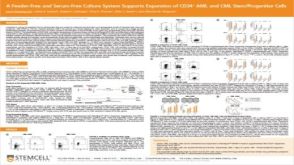 科学海报A Feeder-Free and Serum-Free Culture System Supports Expansion of CD34+ AML and CML Stem/Progenitor Cells
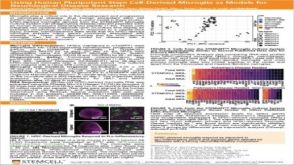 科学海报Using Human Pluripotent Stem Cell-Derived Microglia As Models For Neurological Disease Research
 技术公告Identification of Viable Stem and Progenitor Cells with ALDEFLUOR™

 沪公网安备31010102008431号