Wang L et al. (JAN 2011)
International journal of cancer. Journal international du cancer 128 2 294--303
Prospective identification of tumorigenic osteosarcoma cancer stem cells in OS99-1 cells based on high aldehyde dehydrogenase activity.
High aldehyde dehydrogenase (ALDH) activity has recently been used to identify tumorigenic cell fractions in many cancer types. Herein we hypothesized that a subpopulation of cells with cancer stem cells (CSCs) properties could be identified in established human osteosarcoma cell lines based on high ALDH activity. We previously showed that a subpopulation of cells with high ALDH activity were present in 4 selected human osteosarcoma cell lines,of which a significantly higher ALDH activity was present in the OS99-1 cell line that was originally derived from a highly aggressive primary human osteosarcoma. Using a xenograft model in which OS99-1 cells were grown in NOD/SCID mice,we identified a highly tumorigenic subpopulation of osteosarcoma cells based on their high ALDH activity. Cells with high ALDH activity (ALDH(br) cells) from the OS99-1 xenografts were much less frequent,averaging 3% of the entire tumor population,compared to those isolated directly from the OS99-1 cell line. ALDH(br) cells from the xenograft were enriched with greater tumorigenicity compared to their counterparts with low ALDH activity (ALDH(lo) cells),generating new tumors with as few as 100 cells in vivo. The highly tumorigenic ALDH(br) cells illustrated the stem cell characteristics of self-renewal,the ability to produce differentiated progeny and increased expression of stem cell marker genes OCT3/4A,Nanog and Sox-2. The isolation of osteosarcoma CSCs by their high ALDH activity may provide new insight into the study of osteosarcoma-initiating cells and may potentially have therapeutic implications for human osteosarcoma.
View Publication
产品类型:
产品号#:
01700
01705
01702
产品名:
ALDEFLUOR™ 试剂盒
ALDEFLUOR™ DEAB试剂, 1.5 mM, 1 mL
ALDEFLUOR™检测缓冲液
Tomihara K et al. (JUN 2010)
Journal of immunology (Baltimore,Md. : 1950) 184 11 6151--60
Antigen-specific immunity and cross-priming by epithelial ovarian carcinoma-induced CD11b(+)Gr-1(+) cells.
Both innate and adaptive immune systems are considered important for cancer prevention,immunosurveillance,and control of cancer progression. It is known that,although both systems initially eliminate emerging tumor cells efficiently,tumors eventually escape immune attack by a variety of mechanisms,including differentiation and recruitment of immunosuppressive CD11b(+)Gr-1(+) myeloid suppressor cells into the tumor microenvironment. However,we show that CD11b(+)Gr-1(+) cells found in ascites of epithelial ovarian cancer-bearing mice at advanced stages of disease are immunostimulatory rather than being immunosuppressive. These cells consist of a homogenous population of cells that morphologically resemble neutrophils. Moreover,like dendritic cells,immunostimulatory CD11b(+)Gr-1(+) cells can strongly cross-prime,augmenting the proliferation of functional CTLs via signaling through the expression of costimulatory molecule CD80. Adoptive transfer of these immunostimulatory CD11b(+)Gr-1(+) cells from ascites of ovarian cancer-bearing mice results in the significant regression of s.c. tumors even without being pulsed with exogenous tumor Ag prior to adoptive transfer. We now show for the first time that adaptive immune responses against cancer can be augmented by these cancer-induced granulocyte-like immunostimulatory myeloid (CD11b(+)Gr-1(+)) cells,thereby mediating highly effective antitumor immunity in an adoptive transfer model of immunity.
View Publication
产品类型:
产品号#:
18553
18553RF
18556
18556RF
21000
20119
20155
产品名:
RoboSep™- S
RoboSep™ 吸头组件抛光剂
RoboSep™分选管套装(9个塑料管)
Zhou L et al. (AUG 2010)
Breast cancer research and treatment 122 3 795--801
The prognostic role of cancer stem cells in breast cancer: a meta-analysis of published literatures.
CD44+/CD24-/low tumor cells or aldehyde dehydrogenase 1 (ALDH1) positive tumor cells are considered cancer stem cells (CSCs) that possess the properties of self-renewal and tumorigenicity. However,their clinical value and significance in breast cancer remain controversial. A meta-analysis based on published studies was performed with the aim of obtaining an accurate evaluation of the association between the presence of CSCs in clinical samples and clinical outcome. A total of 12 eligible studies with 898 cases and 1,853 controls were included. CSC positive breast cancers,in particular those positive for ALDH1,were significantly associated with high histological grade,estrogen receptor (ER) negativity,progesterone receptor (PR) negativity,and human epidermal growth factor receptor type 2 (HER2) positivity. However,the presence of cancer stem cells was not associated with tumor size or nodal status. ALDH1 positive (RR = 2.83,95% CI: 2.16-3.67,P textless 0.001) and CD44+/CD24-/low tumor cells (RR = 2.32,95% CI: 1.51-3.60,P textless 0.001) were significantly associated with poor overall survival (OS). The stem cell markers are prognostic factors in breast cancer. Larger clinical studies are required to further evaluate the role of these markers in clinical practice.
View Publication
产品类型:
产品号#:
01700
01705
01701
01702
产品名:
ALDEFLUOR™ 试剂盒
ALDEFLUOR™ DEAB试剂, 1.5 mM, 1 mL
ALDEFLUOR™检测缓冲液
Fusi A et al. (AUG 2010)
Annals of oncology : official journal of the European Society for Medical Oncology / ESMO 21 8 1734--5
Monitoring of circulating tumor cells in a patient with synchronous metastatic melanoma and colon carcinoma.
Rajeshkumar NV et al. (SEP 2010)
Molecular cancer therapeutics 9 9 2582--92
A combination of DR5 agonistic monoclonal antibody with gemcitabine targets pancreatic cancer stem cells and results in long-term disease control in human pancreatic cancer model.
Pancreatic ductal adenocarcinoma (PDA) is an aggressive malignancy with one of the worst outcomes among all cancers. PDA often recurs after initial treatment to result in patient death despite the use of chemotherapy or radiation therapy. PDA contains a subset of tumor-initiating cells capable of extensive self-renewal known as cancer stem cells (CSC),which may contribute to therapeutic resistance and metastasis. At present,conventional chemotherapy and radiotherapy are largely ineffective in depleting CSC pool,suggesting the need for novel therapies that specifically target the cancer-sustaining stem cells for tumor eradication and to improve the poor prognosis of PDA patients. In this study,we report that death receptor 5 (DR5) is enriched in pancreatic CSCs compared with the bulk of the tumor cells. Treating a collection of freshly generated patient-derived PDA xenografts with gemcitabine,the first-line chemotherapeutic agent for PDA,is initially effective in reducing tumor size,but largely ineffective in diminishing the CSC populations,and eventually culminated in tumor relapse. However,a combination of tigatuzumab,a fully humanized DR5 agonist monoclonal antibody,with gemcitabine proved to be more efficacious by providing a double hit to kill both CSCs and bulk tumor cells. The combination therapy produced remarkable reduction in pancreatic CSCs,tumor remissions,and significant improvements in time to tumor progression in a model that is considered more difficult to treat. These data provide the rationale to explore the DR5-directed therapies in combination with chemotherapy as a therapeutic option to improve the current standard of care for pancreatic cancer patients.
View Publication
产品类型:
产品号#:
01700
01705
01702
产品名:
ALDEFLUOR™ 试剂盒
ALDEFLUOR™ DEAB试剂, 1.5 mM, 1 mL
ALDEFLUOR™检测缓冲液
Ishizawa K et al. (SEP 2010)
Cell stem cell 7 3 279--82
Tumor-initiating cells are rare in many human tumors.
Tumor-initiating cells (TICs) are defined by their ability to form tumors after xenotransplantation in immunodeficient mice and appear to be relatively rare in most human cancers. Recent data in melanoma indicate that the frequency of TICs increases dramatically via more permissive xenotransplantation conditions,raising the possibility that the true frequency of TICs has been greatly underestimated in most human tumors. We compared the growth of human pancreatic,non-small cell lung,and head and neck carcinomas in NOD/SCID and NSG mice. Although TIC frequency was detected up to 10-fold higher in NSG mice,it remained low (textless1 in 2500 cells) in all cases. Moreover,aldehyde dehydrogenase-positive (ALDH(+)) and CD44(+)CD24(+) cells,phenotypically distinct cells enriched in TICs,were equally tumorigenic in NOD/SCID and NSG mice. Our findings demonstrate that TICs are rare in these cancers and that the identification of TICs and their frequency in other human malignancies should be validated via primary tumors and highly permissive xenotransplantation conditions.
View Publication
产品类型:
产品号#:
01700
01705
01701
01702
产品名:
ALDEFLUOR™ 试剂盒
ALDEFLUOR™ DEAB试剂, 1.5 mM, 1 mL
ALDEFLUOR™检测缓冲液
Mellick AS et al. (SEP 2010)
Cancer research 70 18 7273--82
Using the transcription factor inhibitor of DNA binding 1 to selectively target endothelial progenitor cells offers novel strategies to inhibit tumor angiogenesis and growth.
Tumor angiogenesis is essential for malignant growth and metastasis. Bone marrow (BM)-derived endothelial progenitor cells (EPC) contribute to angiogenesis-mediated tumor growth. EPC ablation can reduce tumor growth; however,the lack of a marker that can track EPCs from the BM to tumor neovasculature has impeded progress in understanding the molecular mechanisms underlying EPC biology. Here,we report the use of transgenic mouse and lentiviral models to monitor the BM-derived compartment of the tumor stroma; this approach exploits the selectivity of the transcription factor inhibitor of DNA binding 1 (Id1) for EPCs to track EPCs in the BM,blood,and tumor stroma,as well as mature EPCs. Acute ablation of BM-derived EPCs using Id1-directed delivery of a suicide gene reduced circulating EPCs and yielded significant defects in angiogenesis-mediated tumor growth. Additionally,use of the Id1 proximal promoter to express microRNA-30-based short hairpin RNA inhibited the expression of critical EPC-intrinsic factors,confirming that signaling through vascular endothelial growth factor receptor 2 is required for EPC-mediated tumor biology. By exploiting the selectivity of Id1 gene expression in EPCs,our results establish a strategy to track and target EPCs in vivo,clarifying the significant role that EPCs play in BM-mediated tumor angiogenesis.
View Publication
产品类型:
产品号#:
09600
09650
产品名:
StemSpan™ SFEM
StemSpan™ SFEM
Grudzien P et al. (OCT 2010)
Anticancer research 30 10 3853--67
Inhibition of Notch signaling reduces the stem-like population of breast cancer cells and prevents mammosphere formation.
BACKGROUND: Cancer stem cells (CSCs) are believed to be responsible for breast cancer formation and recurrence; therefore,therapeutic strategies targeting CSCs must be developed. One approach may be targeting signaling pathways,like Notch,that are involved in stem cell self-renewal and survival. MATERIALS AND METHODS: Breast cancer stem-like cells derived from cell lines and patient samples were examined for Notch expression and activation. The effect of Notch inhibition on sphere formation,proliferation,and colony formation was determined. RESULTS: Breast cancer stem-like cells consistently expressed elevated Notch activation compared with bulk tumor cells. Blockade of Notch signaling using pharmacologic and genomic approaches prevented sphere formation,proliferation,and/or colony formation in soft agar. Interestingly,a gamma-secretase inhibitor,MRK003,induced apoptosis in these cells. CONCLUSION: Our findings support a crucial role for Notch signaling in maintenance of breast cancer stem-like cells,and suggest Notch inhibition may have clinical benefits in targeting CSCs.
View Publication
Yu B et al. ( 2002)
Biochemical pharmacology 64 7 1091--1100
SU9516, a cyclin-dependent kinase 2 inhibitor, promotes accumulation of high molecular weight E2F complexes in human colon carcinoma cells.
The E2F family plays a critical role in the expression of genes required for entry into and progression through S phase. E2F-mediated transcription is repressed by the tumor suppressor retinoblastoma protein (pRb),which results in sequestration of E2F in a multiprotein complex that includes pRb. Derepression of E2F results from a series of complex phosphorylation events mediated by cyclin D/cdk4 and cyclin E/cdk2. We have employed a novel 3-substituted indolinone compound,3-[1-(3H-imidazol-4-yl)-meth-(Z)-ylidene]-5-methoxy-1,3-dihydro-indol-2-one (SU9516),which selectively inhibits cdk2 activity (Lane et al.,Cancer Res 2001;61:6170-7) to investigate these events. Electrophoretic mobility gel shift assays were performed on SU9516-treated and -untreated HT-29,SW480,and RKO human colon cancer cell extracts. Treatment with 5 microM SU9516 prevented dissociation of pRb from E2F1 in all cell lines (HT-29textgreaterRKOtextgreaterSW480). Treatment effects were time-dependent,demonstrating greater inhibition at 48 hr versus 24hr in HT-29 cells. Furthermore,E2F species were sequestered in complexes with p107,p130,DP-1,and cyclins A and E. After a 24-hr treatment with 5 microM SU9516,cyclin D1 and cdk2 levels decreased by 10-60%. These findings delineate a previously undescribed mechanism for SU9516-mediated cell growth arrest through down-regulation of cyclin D1,inhibition of cdk2 levels and activity,and pan-sequestration of E2F.
View Publication
产品类型:
产品号#:
73452
产品名:
SU9516
Podar K et al. (FEB 2003)
The Journal of biological chemistry 278 8 5794--801
Essential role of caveolae in interleukin-6- and insulin-like growth factor I-triggered Akt-1-mediated survival of multiple myeloma cells.
Caveolae,specialized flask-shaped lipid rafts on the cell surface,are composed of cholesterol,sphingolipids,and structural proteins termed caveolins; functionally,these plasma membrane microdomains have been implicated in signal transduction and transmembrane transport. In the present study,we examined the role of caveolin-1 in multiple myeloma cells. We show for the first time that caveolin-1,which is usually absent in blood cells,is expressed in multiple myeloma cells. Analysis of myeloma cell-derived plasma membrane fractions shows that caveolin-1 is co-localized with interleukin-6 receptor signal transducing chain gp130 and with insulin-like growth factor-I receptor. Cholesterol depletion by beta-cyclodextrin results in the loss of caveola structure in myeloma cells,as shown by transmission electron microscopy,and loss of caveolin-1 function. Interleukin-6 and insulin-like growth factor-I,growth and survival factors in multiple myeloma,induce caveolin-1 phosphorylation,which is abrogated by pre-treatment with beta-cyclodextrin. Importantly,inhibition of caveolin-1 phosphorylation blocks both interleukin-6-induced protein complex formation with caveolin-1 and downstream activation of the phosphatidylinositol 3-kinase/Akt-1 pathway. beta-Cyclodextrin also blocks insulin-like growth factor-I-induced tyrosine phosphorylation of insulin-responsive substrate-1 and downstream activation of the phosphatidylinositol 3-kinase/Akt-1 pathway. Therefore,cholesterol depletion by beta-cyclodextrin abrogates both interleukin-6- and insulin-like growth factor-I-triggered multiple myeloma cell survival via negative regulation of caveolin-1. Taken together,this study identifies caveolin-1 and other structural membrane components as potential new therapeutic targets in multiple myeloma.
View Publication
产品类型:
产品号#:
15129
15169
产品名:
RosetteSep™人多发性骨髓瘤细胞富集抗体混合物
RosetteSep™人多发性骨髓瘤细胞富集抗体混合物
FOLEY GE and EAGLE H (OCT 1958)
Cancer research 18 9 1011--6
The cytotoxicity of anti-tumor agents for normal human and animal cells in first tissue culture passage.


 EasySep™小鼠TIL(CD45)正选试剂盒





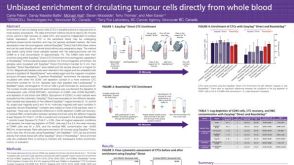 科学海报Unbiased Enrichment of Circulating Tumour Cells Directly from Whole Blood
 沪公网安备31010102008431号