Rushkevich YN et al. (AUG 2015)
Bulletin of experimental biology and medicine 159 4 576--81
The Use of Autologous Mesenchymal Stem Cells for Cell Therapy of Patients with Amyotrophic Lateral Sclerosis in Belarus.
We studied a new method of treatment of amyotrophic lateral sclerosis with autologous mesenchymal stem cells. Autologous mesenchymal stem cells were injected intravenously (intact cells) or via lumbar puncture (cells committed to neuronal differentiation). Evaluation of the results of cell therapy after 12-month follow-up revealed slowing down of the disease progression in 10 patients in comparison with the control group consisting of 15 patients. The cell therapy was safe for the patients.
View Publication
产品类型:
产品号#:
05761
产品名:
用于小鼠和大鼠神经干细胞和祖细胞分化培养的试剂盒
Walker TL et al. (JAN 2011)
PloS one 6 3 e18153
The latent stem cell population is retained in the hippocampus of transgenic Huntington's disease mice but not wild-type mice.
The demonstration of the brain's ability to initiate repair in response to disease or injury has sparked considerable interest in therapeutic strategies to stimulate adult neurogenesis. In this study we examined the effect of a progressive neurodegenerative condition on neural precursor activity in the subventricular zone (SVZ) and hippocampus of the R6/1 transgenic mouse model of Huntington's disease (HD). Our results revealed an age-related decline in SVZ precursor numbers in both wild-type (WT) and HD mice. Interestingly,hippocampal precursor numbers declined with age in WT mice,although we observed maintenance in hippocampal precursor number in the HD animals in response to advancement of the disease. This maintenance was consistent with activation of a recently identified latent hippocampal precursor population. We found that the small latent stem cell population was also maintained in the HD hippocampus at 33 weeks,whereas it was not present in the WT. Our findings demonstrate that,despite a loss of neurogenesis in the HD hippocampus in vivo,there is a unique maintenance of the precursor and stem cells,which may potentially be activated to ameliorate disease symptoms.
View Publication
产品类型:
产品号#:
05700
05701
05702
产品名:
NeuroCult™ 基础培养基(小鼠和大鼠)
NeuroCult™ 扩增添加物(小鼠和大鼠)
NeuroCult™扩增试剂盒(小鼠和大鼠)
Daynac M et al. (FEB 2016)
Scientific reports 6 21505
Age-related neurogenesis decline in the subventricular zone is associated with specific cell cycle regulation changes in activated neural stem cells.
Although neural stem cells (NSCs) sustain continuous neurogenesis throughout the adult lifespan of mammals,they progressively exhibit proliferation defects that contribute to a sharp reduction in subventricular neurogenesis during aging. However,little is known regarding the early age-related events in neurogenic niches. Using a fluorescence-activated cell sorting technique that allows for the prospective purification of the main neurogenic populations from the subventricular zone (SVZ),we demonstrated an early decline in adult neurogenesis with a dramatic loss of progenitor cells in 4 month-old young adult mice. Whereas the activated and quiescent NSC pools remained stable up to 12 months,the proliferative status of activated NSCs was already altered by 6 months,with an overall extension of the cell cycle resulting from a specific lengthening of G1. Whole genome analysis of activated NSCs from 2- and 6-month-old mice further revealed distinct transcriptomic and molecular signatures,as well as a modulation of the TGFβ signalling pathway. Our microarray study constitutes a cogent identification of new molecular players and signalling pathways regulating adult neurogenesis and its early modifications.
View Publication
Cheng H-W et al. (MAY 2015)
Cell death & disease 6 5 e1753
Identification of thioridazine, an antipsychotic drug, as an antiglioblastoma and anticancer stem cell agent using public gene expression data.
Glioblastoma (GBM) is a common and malignant tumor with a poor prognosis. Glioblastoma stem cells (GSCs) have been reported to be involved in tumorigenesis,tumor maintenance and therapeutic resistance. Thus,to discover novel candidate therapeutic drugs for anti-GBM and anti-GSCs is an urgent need. We hypothesized that if treatment with a drug could reverse,at least in part,the gene expression signature of GBM and GSCs,this drug may have the potential to inhibit pathways essential in the formation of GBM and thereby treat GBM. Here,we collected 356 GBM gene signatures from public databases and queried the Connectivity Map. We systematically evaluated the in vitro antitumor effects of 79 drugs in GBM cell lines. Of the drugs screened,thioridazine was selected for further characterization because it has potent anti-GBM and anti-GSCs properties. When investigating the mechanisms underlying the cytocidal effects of thioridazine,we found that thioridazine induces autophagy in GBM cell lines,and upregulates AMPK activity. Moreover,LC3-II was upregulated in U87MG sphere cells treated with thioridazine. In addition,thioridazine suppressed GBM tumorigenesis and induced autophagy in vivo. We not only repurposed the antipsychotic drug thioridazine as a potent anti-GBM and anti-GSCs agent,but also provided a new strategy to search for drugs with anticancer and anticancer stem cell properties.
View Publication
产品类型:
产品号#:
05750
05751
产品名:
NeuroCult™ NS-A 基础培养基(人)
NeuroCult™ NS-A 扩增试剂盒(人)
Goldstein BJ et al. (DEC 2016)
Development 143 23 4394--4404
Contribution of Polycomb group proteins to olfactory basal stem cell self-renewal in a novel c-KIT+ culture model and in vivo.
Olfactory epithelium (OE) has a lifelong capacity for neurogenesis due to the presence of basal stem cells. Despite the ability to generate short-term cultures,the successful in vitro expansion of purified stem cells from adult OE has not been reported. We sought to establish expansion-competent OE stem cell cultures to facilitate further study of the mechanisms and cell populations important in OE renewal. Successful cultures were prepared using adult mouse basal cells selected for expression of c-KIT. We show that c-KIT signaling regulates self-renewal capacity and prevents neurodifferentiation in culture. Inhibition of TGFβ family signaling,a known negative regulator of embryonic basal cells,is also necessary for maintenance of the proliferative,undifferentiated state in vitro Characterizing successful cultures,we identified expression of BMI1 and other Polycomb proteins not previously identified in olfactory basal cells but known to be essential for self-renewal in other stem cell populations. Inducible fate mapping demonstrates that BMI1 is expressed in vivo by multipotent OE progenitors,validating our culture model. These findings provide mechanistic insights into the renewal and potency of olfactory stem cells.
View Publication
产品类型:
产品号#:
05700
产品名:
NeuroCult™ 基础培养基(小鼠和大鼠)
Hou Y et al. (MAY 2014)
Neurobiology of Aging 35 5 975--989
Permeability transition pore-mediated mitochondrial superoxide flashes mediate an early inhibitory effect of amyloid beta1 42 on neural progenitor cell proliferation
Cellular damage by reactive oxygen species and altered neurogenesis are implicated in the etiology of AD and the pathogenic actions of amyloid β-peptide (Aβ); the underlying mechanisms and the early oxidative intracellular events triggered by Aβ are not established. In the present study,we found that mouse embryonic cortical neural progenitor cells exhibit intermittent spontaneous mitochondrial superoxide (SO) flashes that require transient opening of mitochondrial permeability transition pores (mPTPs). The incidence of mitochondria SO flash activity in neural progenitor cells (NPCs) increased during the first 6-24 hours of exposure to aggregating amyloid β-peptide (Aβ1-42),indicating an increase in transient mPTP opening. Subsequently,the SO flash frequency progressively decreased and ceased between 48 and 72 hours of exposure to Aβ1-42,during which time global cellular reactive oxygen species increased,mitochondrial membrane potential decreased,cytochrome C was released from mitochondria and the cells degenerated. Inhibition of mPTPs and selective reduction in mitochondrial SO flashes significantly ameliorated the negative effects of Aβ1-42 on NPC proliferation and survival. Our findings suggest that mPTP-mediated bursts of mitochondrial SO production is a relatively early and pivotal event in the adverse effects of Aβ1-42 on NPCs. If Aβ inhibits NPC proliferation in the brains of AD patients by a similar mechanism,then interventions that inhibit mPTP-mediated superoxide flashes would be expected to protect NPCs against the adverse effects of Aβ.
View Publication
产品类型:
产品号#:
05707
产品名:
NeuroCult™化学解离试剂盒(小鼠)
Hotta R et al. (MAY 2016)
Biomaterials 88 1--11
Delivery of enteric neural progenitors with 5-HT4 agonist-loaded nanoparticles and thermosensitive hydrogel enhances cell proliferation and differentiation following transplantation in vivo.
Cell therapy offers an innovative approach for treating enteric neuropathies. Postnatal gut-derived enteric neural stem/progenitor cells (ENSCs) represent a potential autologous source,but have a limited capacity for proliferation and neuronal differentiation. Since serotonin (5-HT) promotes enteric neuronal growth during embryonic development,we hypothesized that serotonin receptor agonism would augment growth of neurons from transplanted ENSCs. Postnatal ENSCs were isolated from 2 to 4 week-old mouse colon and cultured with 5-HT4 receptor agonist (RS67506)-loaded liposomal nanoparticles. ENSCs were co-cultured with mouse colon explants in the presence of RS67506-loaded (n = 3) or empty nanoparticles (n = 3). ENSCs were also transplanted into mouse rectum in vivo with RS67506-loaded (n = 8) or blank nanoparticles (n = 4) confined in a thermosensitive hydrogel,Pluronic F-127. Neuronal density and proliferation were analyzed immunohistochemically. Cultured ENSCs gave rise to significantly more neurons in the presence of RS67506-loaded nanoparticles. Similarly,colon explants had significantly increased neuronal density when RS67506-loaded nanoparticles were present. Finally,following in vivo cell delivery,co-transplantation of ENSCs with 5-HT4 receptor agonist-loaded nanoparticles led to significantly increased neuronal density and proliferation. We conclude that optimization of postnatal ENSCs can support their use in cell-based therapies for neurointestinal diseases.
View Publication
产品类型:
产品号#:
05700
05701
05702
05704
产品名:
NeuroCult™ 基础培养基(小鼠和大鼠)
NeuroCult™ 扩增添加物(小鼠和大鼠)
NeuroCult™扩增试剂盒(小鼠和大鼠)
NeuroCult™ 分化试剂盒(小鼠和大鼠)
Martinez NJ et al. (AUG 2016)
PloS one 11 8 e0161486
A High-Throughput Screen Identifies 2,9-Diazaspiro[5.5]Undecanes as Inducers of the Endoplasmic Reticulum Stress Response with Cytotoxic Activity in 3D Glioma Cell Models.
The endoplasmic reticulum (ER) is involved in Ca2+ signaling and protein folding. ER Ca2+ depletion and accumulation of unfolded proteins activate the molecular chaperone GRP78 (glucose-regulated protein 78) which in turn triggers the ER stress response (ERSR) pathway aimed to restore ER homeostasis. Failure to adapt to stress,however,results in apoptosis. We and others have shown that malignant cells are more susceptible to ERSR-induced apoptosis than their normal counterparts,implicating the ERSR as a potential target for cancer therapeutics. Predicated on these findings,we developed an assay that uses a GRP78 biosensor to identify small molecule activators of ERSR in glioma cells. We performed a quantitative high-throughput screen (qHTS) against a collection of ˜425,000 compounds and a comprehensive panel of orthogonal secondary assays was formulated for stringent compound validation. We identified novel activators of ERSR,including a compound with a 2,9-diazaspiro[5.5]undecane core,which depletes intracellular Ca2+ stores and induces apoptosis-mediated cell death in several cancer cell lines,including patient-derived and 3D cultures of glioma cells. This study demonstrates that our screening platform enables the identification and profiling of ERSR inducers with cytotoxic activity and advocates for characterization of these compound in in vivo models.
View Publication


 EasySep™小鼠TIL(CD45)正选试剂盒




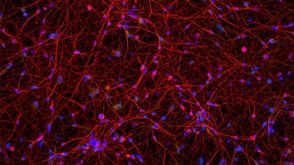 实验方案How to Culture Human Pluripotent Stem Cell (hPSC)-Derived Forebrain Neurons for MEA Analysis Using the Maestro MEA™ System
 科学海报It Takes Two—Or Three: Comparing Human Pluripotent Stem Cell Derived Glia-Neuron Co-Cultures to Neuron Monoculture Under Basal and Injury Conditions
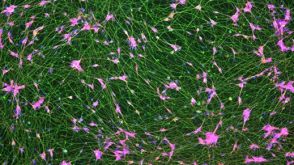 实验方案How to Culture Human Pluripotent Stem Cell (hPSC)-Derived Induced Forebrain Neurons for MEA Analysis Using the Maestro MEA™ System

 沪公网安备31010102008431号