CGG-repeat dynamics and FMR1 gene silencing in fragile X syndrome stem cells and stem cell-derived neurons.
BACKGROUND Fragile X syndrome (FXS),a common cause of intellectual disability and autism,results from the expansion of a CGG-repeat tract in the 5' untranslated region of the FMR1 gene to<200 repeats. Such expanded alleles,known as full mutation (FM) alleles,are epigenetically silenced in differentiated cells thus resulting in the loss of FMRP,a protein important for learning and memory. The timing of repeat expansion and FMR1 gene silencing is controversial. METHODS We monitored the repeat size and methylation status of FMR1 alleles with expanded CGG repeats in patient-derived induced pluripotent stem cells (iPSCs) and embryonic stem cells (ESCs) that were grown for extended period of time either as stem cells or differentiated into neurons. We used a PCR assay optimized for the amplification of large CGG repeats for sizing,and a quantitative methylation-specific PCR for the analysis of FMR1 promoter methylation. The FMR1 mRNA levels were analyzed by qRT-PCR. FMRP levels were determined by western blotting and immunofluorescence. Chromatin immunoprecipitation was used to study the association of repressive histone marks with the FMR1 gene in FXS ESCs. RESULTS We show here that while FMR1 gene silencing can be seen in FXS embryonic stem cells (ESCs),some silenced alleles contract and when the repeat number drops below ˜400,DNA methylation erodes,even when the repeat number remains<200. The resultant active alleles do not show the large step-wise expansions seen in stem cells from other repeat expansion diseases. Furthermore,there may be selection against large active alleles and these alleles do not expand further or become silenced on neuronal differentiation. CONCLUSIONS Our data support the hypotheses that (i) large expansions occur prezygotically or in the very early embryo,(ii) large unmethylated alleles may be deleterious in stem cells,(iii) methylation can occur on alleles with<400 repeats very early in embryogenesis,and (iv) expansion and contraction may occur by different mechanisms. Our data also suggest that the threshold for stable methylation of FM alleles may be higher than previously thought. A higher threshold might explain why some carriers of FM alleles escape methylation. It may also provide a simple explanation for why silencing has not been observed in mouse models with<200 repeats.
View Publication
产品类型:
产品号#:
05832
05850
05857
05870
05875
85850
85857
85870
85875
产品名:
STEMdiff™ 神经花环选择试剂
mTeSR™1
mTeSR™1
Liu L et al. (OCT 2014)
Cell death & disease 5 10 e1471
Enrichment of c-Met+ tumorigenic stromal cells of giant cell tumor of bone and targeting by cabozantinib.
Giant cell tumor of bone (GCTB) is a very rare tumor entity,which is little examined owing to the lack of established cell lines and mouse models and the restriction of available primary cell lines. The stromal cells of GCTB have been made responsible for the aggressive growth and metastasis,emphasizing the presence of a cancer stem cell population. To identify and target such tumor-initiating cells,stromal cells were isolated from eight freshly resected GCTB tissues. Tumorigenic properties were examined by colony and spheroid formation,differentiation,migration,MTT (3-(4,5-dimethylthiazol-2-yl)-2,5-diphenyltetrazolium bromide) assay,immunohistochemistry,antibody protein array,Alu in situ hybridization,FACS analysis and xenotransplantation into fertilized chicken eggs and mice. A sub-population of the neoplastic stromal cells formed spheroids and colonies,differentiated to osteoblasts,migrated to wounded regions and expressed the metastasis marker CXC-chemokine receptor type 4,indicating self-renewal,invasion and differentiation potential. Compared with adherent-growing cells,markers for pluripotency,stemness and cancer progression,including the CSC surface marker c-Met,were enhanced in spheroidal cells. This c-Met-enriched sub-population formed xenograft tumors in fertilized chicken eggs and mice. Cabozantinib,an inhibitor of c-Met in phase II trials,eliminated CSC features with a higher therapeutic effect than standard chemotherapy. This study identifies a c-Met(+) tumorigenic sub-population within stromal GCTB cells and suggests the c-Met inhibitor cabozantinib as a new therapeutic option for targeted elimination of unresectable or recurrent GCTB.
View Publication
Guerra M et al. (JUL 2015)
Journal of neuropathology and experimental neurology 74 7 653--71
Cell Junction Pathology of Neural Stem Cells Is Associated With Ventricular Zone Disruption, Hydrocephalus, and Abnormal Neurogenesis.
Fetal-onset hydrocephalus affects 1 to 3 per 1,000 live births. It is not only a disorder of cerebrospinal fluid dynamics but also a brain disorder that corrective surgery does not ameliorate. We hypothesized that cell junction abnormalities of neural stem cells (NSCs) lead to the inseparable phenomena of fetal-onset hydrocephalus and abnormal neurogenesis. We used bromodeoxyuridine labeling,immunocytochemistry,electron microscopy,and cell culture to study the telencephalon of hydrocephalic HTx rats and correlated our findings with those in human hydrocephalic and nonhydrocephalic human fetal brains (n = 12 each). Our results suggest that abnormal expression of the intercellular junction proteins N-cadherin and connexin-43 in NSC leads to 1) disruption of the ventricular and subventricular zones,loss of NSCs and neural progenitor cells; and 2) abnormalities in neurogenesis such as periventricular heterotopias and abnormal neuroblast migration. In HTx rats,the disrupted NSC and progenitor cells are shed into the cerebrospinal fluid and can be grown into neurospheres that display intercellular junction abnormalities similar to those of NSC of the disrupted ventricular zone; nevertheless,they maintain their potential for differentiating into neurons and glia. These NSCs can be used to investigate cellular and molecular mechanisms underlying this condition,thereby opening the avenue for stem cell therapy.
View Publication
产品类型:
产品号#:
05771
05772
产品名:
Lu J et al. (OCT 2012)
Integrative biology : quantitative biosciences from nano to macro 4 10 1223--36
Advancing practical usage of microtechnology: a study of the functional consequences of dielectrophoresis on neural stem cells.
The integration of microscale engineering,microfluidics,and AC electrokinetics such as dielectrophoresis has generated novel microsystems that enable quantitative analysis of cellular phenotype,function,and physiology. These systems are increasingly being used to assess diverse cell types,such as stem cells,so it becomes critical to thoroughly evaluate whether the systems themselves impact cell function. For example,engineered microsystems have been utilized to investigate neural stem/progenitor cells (NSPCs),which are of interest due to their potential to treat CNS disease and injury. Analysis by dielectrophoresis (DEP) microsystems determined that unlabeled NSPCs with distinct fate potential have previously unrecognized distinguishing electrophysiological characteristics,suggesting that NSPCs could be isolated by DEP microsystems without the use of cell type specific labels. To gauge the potential impact of DEP sorting on NSPCs,we investigated whether electric field exposure of varying times affected survival,proliferation,or fate potential of NSPCs in suspension. We found short-term DEP exposure (1 min or less) had no effect on NSPC survival,proliferation,or fate potential revealed by differentiation. Moreover,NSPC proliferation (measured by DNA synthesis and cell cycle kinetics) and fate potential were not altered by any length of DEP exposure (up to 30 min). However,lengthy exposure (textgreater5 min) to frequencies near the crossover frequency (50-100 kHz) led to decreased survival of NSPCs (maximum ∼30% cell loss after 30 min). Based on experimental observations and mathematical simulations of cells in suspension,we find that frequencies near the crossover frequency generate an induced transmembrane potential that results in cell swelling and rupture. This is in contrast to the case for adherent cells since negative DEP frequencies lower than the crossover frequency generate the highest induced transmembrane potential and damage for these cells. We clarify contrasting effects of DEP on adherent and suspended cells,which are related to the cell position within the electric field and the strength of the electric field at specific distances from the electrodes. Modeling of electrode configurations predicts optimal designs to induce cell movement by DEP while limiting the induced transmembrane potential. We find DEP electric fields are not harmful to stem cells in suspension at short exposure times,thus providing a basis for developing DEP-based applications for stem cells.
View Publication
产品类型:
产品号#:
05707
产品名:
NeuroCult™化学解离试剂盒(小鼠)
Santos T et al. (DEC 2012)
ACS nano 6 12 10463--74
Polymeric nanoparticles to control the differentiation of neural stem cells in the subventricular zone of the brain.
Herein,we report the use of retinoic acid-loaded polymeric nanoparticles as a potent tool to induce the neuronal differentiation of subventricular zone neural stem cells. The intracellular delivery of retinoic acid by the nanoparticles activated nuclear retinoic acid receptors,decreased stemness,and increased proneurogenic gene expression. Importantly,this work reports for the first time a nanoparticle formulation able to modulate in vivo the subventricular zone neurogenic niche. The work further compares the dynamics of initial stages of differentiation between SVZ cells treated with retinoic acid-loaded polymeric nanoparticles and solubilized retinoic acid. The nanoparticle formulation developed here may ultimately offer new perspectives to treat neurodegenerative diseases.
View Publication
Reprogramming of HUVECs into induced pluripotent stem cells (HiPSCs), generation and characterization of HiPSC-derived neurons and astrocytes
Neurodegenerative diseases are characterized by chronic and progressive structural or functional loss of neurons. Limitations related to the animal models of these human diseases have impeded the development of effective drugs. This emphasizes the need to establish disease models using human-derived cells. The discovery of induced pluripotent stem cell (iPSC) technology has provided novel opportunities in disease modeling,drug development,screening,and the potential for patient-matched" cellular therapies in neurodegenerative diseases. In this study�
View Publication
产品类型:
产品号#:
05850
05857
05870
05875
07920
36254
05893
72302
72304
72307
72308
85850
85857
85870
85875
100-1044
07922
产品名:
ACCUTASE™
DMEM/F-12 with 15 mM HEPES
AggreWell™ EB形成培养基
Y-27632(二盐酸盐)
Y-27632(二盐酸盐)
Y-27632(二盐酸盐)
Y-27632(二盐酸盐)
mTeSR™1
mTeSR™1
Y-27632(二盐酸盐)
ACCUTASE™
Jeerage KM et al. (OCT 2012)
Neurotoxicology 33 5 1170--9
Neurite outgrowth and differentiation of rat cortex progenitor cells are sensitive to lithium chloride at non-cytotoxic exposures.
Neuron-specific in vitro screening strategies have the potential to accelerate the evaluation of chemicals for neurotoxicity. We examined neurite outgrowth as a measure of neuronal response with a commercially available rat cortex progenitor cell model,where cells were exposed to a chemical during a period of cell differentiation. In control cultures,the fraction of beta-III-tubulin positive neurons and their neurite length increased significantly with time,indicating differentiation of the progenitor cells. Expression of glial fibrillary acidic protein,an astrocyte marker,also increased significantly with time. By seeding progenitor cells at varying densities,we demonstrated that neurite length was influenced by cell-cell spacing. After ten days,cultures seeded at densities of 1000 cells/mm(2) or lower had significantly shorter neurites than cultures seeded at densities of 1250 cells/mm(2) or higher. Progenitor cells were exposed to lithium,a neuroactive chemical with diverse modes of action. Cultures exposed to 30 mmol/L or 10 mmol/L lithium chloride (LiCl) had significantly lower metabolic activity than control cultures,as reported by adenosine triphosphate content,and no neurons were observed after ten days of exposure. Cultures exposed to 3 mmol/L,1 mmol/L,or 0.3 mmol/L LiCl,which encompass lithium's therapeutic range,had metabolic activity similar to control cultures. These cultures exhibited concentration-dependent decreases in neurite outgrowth after ten days of LiCl exposure. Neurite outgrowth results were relatively robust,regardless of the evaluation methodology. This work demonstrates that measurement of neurite outgrowth in differentiating progenitor cell cultures can be a sensitive endpoint for neuronal response under non-cytotoxic exposure conditions.
View Publication
产品类型:
产品号#:
05771
05772
产品名:
Ogulur I et al. (MAY 2014)
International Immunopharmacology 20 1 101--109
Suppressive effect of compact bone-derived mesenchymal stem cells on chronic airway remodeling in murine model of asthma
New therapeutic strategies are needed in the treatment of asthma besides vaccines and pharmacotherapies. For the development of novel therapies,the use of mesenchymal stem cells (MSCs) is a promising approach in regenerative medicine. Delivery of compact bone (CB) derived MSCs to the injured lungs is an alternative treatment strategy for chronic asthma. In this study,we aimed to isolate highly enriched population of MSCs from mouse CB with regenerative capacity,and to investigate the impact of these cells in airway remodeling and inflammation in experimental ovalbumin-induced mouse model of chronic asthma. mCB-MSCs were isolated,characterized,labeled with GFP and then transferred into mice with chronic asthma developed by ovalbumin (OVA) provocation. Histopathological changes including basement membrane,epithelium,subepithelial smooth thickness and goblet cell hyperplasia,and MSCs migration to lung tissues were evaluated. These histopathological alterations were increased in ovalbumin-treated mice compared to PBS group (P<0.001). Intravenous administration of mCB-MSC significantly reduced these histopathological changes in both distal and proximal airways (P<0.001). We showed that GFP-labeled MSCs were located in the lungs of OVA group 2weeks after intravenous induction. mCB-MSCs also significantly promoted Treg response in ovalbumin-treated mice (OVA+MSC group) (P<0.037). Our studies revealed that mCB-MSCs migrated to lung tissue and suppressed histopathological changes in murine model of asthma. The results reported here provided evidence that mCB-MSCs may be an alternative strategy for the treatment of remodeling and inflammation associated with chronic asthma.
View Publication


 EasySep™小鼠TIL(CD45)正选试剂盒




 技术手册In Vitro Proliferation and Differentiation of Mouse and Rat Neural Stem and Progenitor Cells Using NeuroCult™
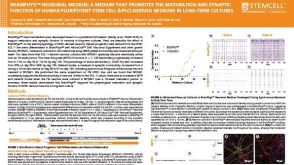 科学海报BrainPhys™ Neuronal Medium: A Medium That Promotes the Maturation and Synaptic Function of Human Pluripotent Stem Cell (hPSC)-Derived Neurons in Long-Term Cultures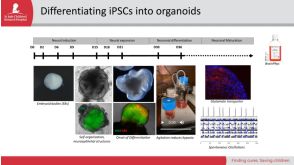

 沪公网安备31010102008431号