Zhou et al. ( 2013)
Neural Regeneration Research 8 16 1455
Novel nanometer scaffolds regulate the biological behaviors of neural stem cells
Abstract
Ideal tissue-engineered scaffold materials regulate proliferation,apoptosis and differentiation of cells seeded on them by regulating gene expression. In this study,aligned and randomly oriented collagen nanofiber scaffolds were prepared using electronic spinning technology. Their diameters and appearance reached the standards of tissue-engineered nanometer scaffolds. The nanofiber scaffolds were characterized by a high swelling ratio,high porosity and good mechanical properties. The proliferation of spinal cord-derived neural stem cells on novel nanofiber scaffolds was obviously enhanced. The proportions of cells in the S and G2/M phases noticeably increased. Moreover,the proliferation rate of neural stem cells on the aligned collagen nanofiber scaffolds was high. The expression levels of cyclin D1 and cyclin-dependent kinase 2 were increased. Bcl-2 expression was significantly increased,but Bax and caspase-3 gene expressions were obviously decreased. There was no significant difference in the differentiation of neural stem cells into neurons on aligned and randomly oriented collagen nanofiber scaffolds. These results indicate that novel nanofiber scaffolds could promote the proliferation of spinal cord-derived neural stem cells and inhibit apoptosis without inducing differentiation. Nanofiber scaffolds regulate apoptosis and proliferation in neural stem cells by altering gene expression.
Research Highlights
(1) Electronic spinning technology was used to obtain randomly oriented nanofiber membranes and aligned nanofiber membranes. The aligned and randomly oriented collagen nanometer scaffolds were shown to alter the biological behaviors of neural stem cells and induce changes in gene expression.
(2) The effects of the aligned nanofiber membranes on promoting neural stem cell proliferation and on inhibiting apoptosis of neural stem cells were better than those of the randomly oriented nanofiber membranes. Aligned and randomly oriented collagen nanometer scaffolds did not significantly induce apoptosis or differentiation in stem cells.
(3) Aligned and randomly oriented collagen nanometer scaffolds regulated the expression of apoptosis and cell cycle genes in neural stem cells.
Zhou Q et al. (FEB 2016)
Molecular biology of the cell 27 4 627--39
Inhibition of the histone demethylase Kdm5b promotes neurogenesis and derepresses Reln (reelin) in neural stem cells from the adult subventricular zone of mice.
The role of epigenetic regulators in the control of adult neurogenesis is largely undefined. We show that the histone demethylase enzyme Kdm5b (Jarid1b) negatively regulates neurogenesis from adult subventricular zone (SVZ) neural stem cells (NSCs) in culture. shRNA-mediated depletion of Kdm5b in proliferating adult NSCs decreased proliferation rates and reduced neurosphere formation in culture. When transferred to differentiation culture conditions,Kdm5b-depleted adult NSCs migrated from neurospheres with increased velocity. Whole-genome expression screening revealed widespread transcriptional changes with Kdm5b depletion,notably the up-regulation of reelin (Reln),the inhibition of steroid biosynthetic pathway component genes and the activation of genes with intracellular transport functions in cultured adult NSCs. Kdm5b depletion increased extracellular reelin concentration in the culture medium and increased phosphorylation of the downstream reelin signaling target Disabled-1 (Dab1). Sequestration of extracellular reelin with CR-50 reelin-blocking antibodies suppressed the increase in migratory velocity of Kdm5b-depleted adult NSCs. Chromatin immunoprecipitation revealed that Kdm5b is present at the proximal promoter of Reln,and H3K4me3 methylation was increased at this locus with Kdm5b depletion in differentiating adult NSCs. Combined the data suggest Kdm5b negatively regulates neurogenesis and represses Reln in neural stem cells from the adult SVZ.
View Publication
产品类型:
产品号#:
05700
05701
05702
05704
产品名:
NeuroCult™ 基础培养基(小鼠和大鼠)
NeuroCult™ 扩增添加物(小鼠和大鼠)
NeuroCult™扩增试剂盒(小鼠和大鼠)
NeuroCult™ 分化试剂盒(小鼠和大鼠)
Cheng LS et al. (OCT 2015)
Neurogastroenterology and motility : the official journal of the European Gastrointestinal Motility Society 27 10 1509--14
Endoscopic delivery of enteric neural stem cells to treat Hirschsprung disease.
BACKGROUND Transplantation of enteric neural stem cells (ENSC) holds promise as a potential therapy for enteric neuropathies,including Hirschsprung disease. Delivery of transplantable cells via laparotomy has been described,but we propose a novel,minimally invasive endoscopic method of cell delivery. METHODS Enteric neural stem cells for transplantation were cultured from dissociated gut of postnatal donor mice. Twelve recipient mice,including Ednrb(-/-) mice with distal colonic aganglionosis,underwent colonoscopic injection of ENSC under direct vision using a 30-gauge Hamilton needle passed through a rigid cystoureteroscope. Cell engraftment,survival,and neuroglial differentiation were studied 1-4 weeks after the procedure. KEY RESULTS All recipient mice tolerated the procedure without complications and survived to sacrifice. Transplanted cells were found within the colonic wall in 9 of 12 recipient mice with differentiation into enteric neurons and glia. CONCLUSIONS & INFERENCES Endoscopic injection of ENSC is a safe and reliable method for cell delivery,and can be used to deliver a large number of cells to a specific area of disease. This minimally invasive endoscopic approach may prove beneficial to future human applications of cell therapy for neurointestinal disease.
View Publication
产品类型:
产品号#:
05700
05701
05702
产品名:
NeuroCult™ 基础培养基(小鼠和大鼠)
NeuroCult™ 扩增添加物(小鼠和大鼠)
NeuroCult™扩增试剂盒(小鼠和大鼠)
Guadagno J et al. (MAR 2013)
Cell Death & Disease 4 3 e538--e538
Microglia-derived TNFα induces apoptosis in neural precursor cells via transcriptional activation of the Bcl-2 family member Puma
Neuroinflammation is a common feature of acute neurological conditions such as stroke and spinal cord injury,as well as neurodegenerative conditions such as Parkinson's disease,Alzheimer's disease,and amyotrophic lateral sclerosis. Previous studies have demonstrated that acute neuroinflammation can adversely affect the survival of neural precursor cells (NPCs) and thereby limit the capacity for regeneration and repair. However,the mechanisms by which neuroinflammatory processes induce NPC death remain unclear. Microglia are key mediators of neuroinflammation and when activated to induce a pro-inflammatory state produce a number of factors that could affect NPC survival. Importantly,in the present study we demonstrate that tumor necrosis factor α (TNFα) produced by lipopolysaccharide-activated microglia is necessary and sufficient to trigger apoptosis in mouse NPCs in vitro. Furthermore,we demonstrate that microglia-derived TNFα induces NPC apoptosis via a mitochondrial pathway regulated by the Bcl-2 family protein Bax. BH3-only proteins are known to play a key role in regulating Bax activation and we demonstrate that microglia-derived TNFα induces the expression of the BH3-only family member Puma in NPCs via an NF-κB-dependent mechanism. Specifically,we show that NF-κB is activated in NPCs treated with conditioned media from activated microglia and that Puma induction and NPC apoptosis is blocked by the NF-κB inhibitor BAY-117082. Importantly,we have determined that NPC apoptosis induced by activated microglia-derived TNFα is attenuated in Puma-deficient NPCs,indicating that Puma induction is required for NPC death. Consistent with this,we demonstrate that Puma-deficient NPCs exhibit an 13-fold increase in survival as compared with wild-type NPCs following transplantation into the inflammatory environment of the injured spinal cord in vivo. In summary,we have identified a key signaling pathway that regulates neuroinflammation induced apoptosis in NPCs in vitro and in vivo that could be targeted to promote regeneration and repair in diverse neurological conditions.
View Publication
产品类型:
产品号#:
05707
产品名:
NeuroCult™化学解离试剂盒(小鼠)
Ishii Y et al. (MAR 2008)
Molecular and cellular neurosciences 37 3 507--18
Characterization of neuroprogenitor cells expressing the PDGF beta-receptor within the subventricular zone of postnatal mice.
We report a considerable number of cells in the ventricular and the subventricular zones (SVZ) of newborn mice to stain positive for the PDGF beta-receptor (PDGFRB). Many of them also stained for nestin and/or GFAP but less frequently for the neuroblast marker doublecortin and for the mitotic marker Ki-67. The SVZ of mice with nestin-Cre conditional deletion of PDGFRB expressed the receptor only on blood vessels and was devoid of any morphological abnormality. PDGFRB(-/-) neurospheres showed a higher rate of apoptosis without any significant decrease in proliferation. They demonstrated reduced capacities of migration and neuronal differentiation in response to not only PDGF-BB but also bFGF. Furthermore,the PDGFR kinase inhibitor STI571 blocked the effects of bFGF in control neurosphere cultures. bFGF increased the activity of the PDGFRB promoter as well as the expression and phosphorylation of PDGFRB. These results suggest the presence of the signaling convergence between PDGF and FGF. PDGFRB is needed for survival,and the effects of bFGF in migration and neural differentiation of the cells may be potentiated by induction of PDGFRB.
View Publication
产品类型:
产品号#:
05700
05701
05702
产品名:
NeuroCult™ 基础培养基(小鼠和大鼠)
NeuroCult™ 扩增添加物(小鼠和大鼠)
NeuroCult™扩增试剂盒(小鼠和大鼠)
Wakimoto H et al. (APR 2009)
Cancer research 69 8 3472--81
Human glioblastoma-derived cancer stem cells: establishment of invasive glioma models and treatment with oncolytic herpes simplex virus vectors.
Glioblastoma,the most malignant type of primary brain tumor,is one of the solid cancers where cancer stem cells have been isolated,and studies have suggested resistance of those cells to chemotherapy and radiotherapy. Here,we report the establishment of CSC-enriched cultures derived from human glioblastoma specimens. They grew as neurospheres in serum-free medium with epidermal growth factor and fibroblast growth factor 2,varied in the level of CD133 expression and very efficiently formed highly invasive and/or vascular tumors upon intracerebral implantation into immunodeficient mice. As a novel therapeutic strategy for glioblastoma-derived cancer stem-like cells (GBM-SC),we have tested oncolytic herpes simplex virus (oHSV) vectors. We show that although ICP6 (UL39)-deleted mutants kill GBM-SCs as efficiently as wild-type HSV,the deletion of gamma34.5 significantly attenuated the vectors due to poor replication. However,this was significantly reversed by the additional deletion of alpha47. Infection with oHSV G47Delta (ICP6(-),gamma34.5(-),alpha47(-)) not only killed GBM-SCs but also inhibited their self-renewal as evidenced by the inability of viable cells to form secondary tumor spheres. Importantly,despite the highly invasive nature of the intracerebral tumors generated by GBM-SCs,intratumoral injection of G47Delta significantly prolonged survival. These results for the first time show the efficacy of oHSV against human GBM-SCs,and correlate this cytotoxic property with specific oHSV mutations. This is important for designing new oHSV vectors and clinical trials. Moreover,the new glioma models described in this study provide powerful tools for testing experimental therapeutics and studying invasion and angiogenesis.
View Publication
产品类型:
产品号#:
05707
产品名:
NeuroCult™化学解离试剂盒(小鼠)
Zheng H et al. (MAY 2010)
Cancer cell 17 5 497--509
PLAGL2 regulates Wnt signaling to impede differentiation in neural stem cells and gliomas.
A hallmark feature of glioblastoma is its strong self-renewal potential and immature differentiation state,which contributes to its plasticity and therapeutic resistance. Here,integrated genomic and biological analyses identified PLAGL2 as a potent protooncogene targeted for amplification/gain in malignant gliomas. Enhanced PLAGL2 expression strongly suppresses neural stem cell (NSC) and glioma-initiating cell differentiation while promoting their self-renewal capacity upon differentiation induction. Transcriptome analysis revealed that these differentiation-suppressive activities are attributable in part to PLAGL2 modulation of Wnt/beta-catenin signaling. Inhibition of Wnt signaling partially restores PLAGL2-expressing NSC differentiation capacity. The identification of PLAGL2 as a glioma oncogene highlights the importance of a growing class of cancer genes functioning to impart stem cell-like characteristics in malignant cells.
View Publication
产品类型:
产品号#:
05700
05701
05702
05751
产品名:
NeuroCult™ 基础培养基(小鼠和大鼠)
NeuroCult™ 扩增添加物(小鼠和大鼠)
NeuroCult™扩增试剂盒(小鼠和大鼠)
NeuroCult™ NS-A 扩增试剂盒(人)
Veeraraghavalu K et al. (MAY 2010)
The Journal of neuroscience : the official journal of the Society for Neuroscience 30 20 6903--15
Presenilin 1 mutants impair the self-renewal and differentiation of adult murine subventricular zone-neuronal progenitors via cell-autonomous mechanisms involving notch signaling.
The vast majority of pedigrees with familial Alzheimer's disease (FAD) are caused by inheritance of mutations in the PSEN1 1 gene. While genetic ablation studies have revealed a role for presenilin 1 (PS1) in embryonic neurogenesis,little information has emerged regarding the potential effects of FAD-linked PS1 variants on proliferation,self-renewal and differentiation,key events that control cell fate commitment of adult brain neural progenitors (NPCs). We used adult brain subventricular zone (SVZ)-derived NPC cultures transduced with recombinant lentivirus as a means to investigate the effects of various PS1 mutants on self-renewal and differentiation properties. We now show that viral expression of several PS1 mutants in NPCs leads to impaired self-renewal and altered differentiation toward neuronal lineage,in vitro. In line with these observations,diminished constitutive proliferation and steady-state SVZ progenitor pool size was observed in vivo in transgenic mice expressing the PS1DeltaE9 variant. Moreover,NPC cultures established from the SVZ of adult mice expressing PS1DeltaE9 exhibit reduced self-renewal capacity and premature exit toward neuronal fates. To these findings,we show that both the levels of endogenous Notch/CBF-1-transcriptional activity and transcripts encoding Notch target genes are diminished in SVZ NPCs expressing PS1DeltaE9. The deficits in self-renewal and multipotency are restored by expression of Notch1-ICD or a downstream target of the Notch pathway,Hes1. Hence,we argue that a partial reduction in PS-dependent gamma-secretase processing of the Notch,at least in part,accounts for the impairments observed in SVZ NPCs expressing the FAD-linked PS1DeltaE9 variant.
View Publication
产品类型:
产品号#:
05707
产品名:
NeuroCult™化学解离试剂盒(小鼠)
Zhu X et al. (JUL 2010)
Molecular cancer therapeutics 9 7 2131--41
Identification of internalizing human single-chain antibodies targeting brain tumor sphere cells.
Glioblastoma multiforme (GBM) is the most common and aggressive form of primary brain tumor for which there is no curative treatment to date. Resistance to conventional therapies and tumor recurrence pose major challenges to treatment and management of this disease,and therefore new therapeutic strategies need to be developed. Previous studies by other investigators have shown that a subpopulation of GBM cells can grow as neurosphere-like cells when cultured in restrictive medium and exhibits enhanced tumor-initiating ability and resistance to therapy. We report here the identification of internalizing human single-chain antibodies (scFv) targeting GBM tumor sphere cells. We selected a large naive phage antibody display library on the glycosylation-dependent CD133 epitope-positive subpopulation of GBM cells grown as tumor spheres and identified internalizing scFvs that target tumor sphere cells broadly,as well as scFvs that target the CD133-positive subpopulation. These scFvs were found to be efficiently internalized by GBM tumor sphere cells. One scFv GC4 inhibited self-renewal of GBM tumor sphere cells in vitro. We have further developed a full-length human IgG1 based on this scFv,and found that it potently inhibits proliferation of GBM tumor sphere cells and GBM cells grown in regular nonselective medium. Taken together,these results show that internalizing human scFvs targeting brain tumor sphere cells can be readily identified from a phage antibody display library,which could be useful for further development of novel therapies that target subpopulations of GBM cells to combat recurrence and resistance to treatment.
View Publication
产品类型:
产品号#:
05751
产品名:
NeuroCult™ NS-A 扩增试剂盒(人)
Walker TL et al. (APR 2007)
The Journal of neuroscience : the official journal of the Society for Neuroscience 27 14 3734--42
The doublecortin-expressing population in the developing and adult brain contains multipotential precursors in addition to neuronal-lineage cells.
Doublecortin (DCX) has recently been promulgated as a selective marker of cells committed to the neuronal lineage in both the developing and the adult brain. To explore the potential of DCX-positive (DCX+) cells more stringently,these cells were isolated by flow cytometry from the brains of transgenic mice expressing green fluorescent protein under the control of the DCX promoter in embryonic,early postnatal,and adult animals. It was found that virtually all of the cells (99.9%) expressing high levels of DCX (DCX(high)) in the embryonic brain coexpressed the neuronal marker betaIII-tubulin and that this population contained no stem-like cells as demonstrated by lack of neurosphere formation in vitro. However,the DCX+ population from the early postnatal brain and the adult subventricular zone and hippocampus,which expressed low levels of DCX (DCX(low)),was enriched for neurosphere-forming cells,with only a small subpopulation of these cells coexpressing the neuronal markers betaIII-tubulin or microtubule-associated protein 2. Similarly,the DCX(low) population from embryonic day 14 (E14) brain contained neurosphere-forming cells. Only the postnatal cerebellum and adult olfactory bulb contained some DCX(high) cells,which were shown to be similar to the E14 DCX(high) cells in that they had no stem cell activity. Electrophysiological studies confirmed the heterogeneous nature of DCX+ cells,with some cells displaying characteristics of immature or mature neurons,whereas others showed no neuronal characteristics whatsoever. These results indicate that DCX(high) cells,regardless of location,are restricted to the neuronal lineage or are bone fide neurons,whereas some DCX(low) cells retain their multipotentiality.
View Publication


 EasySep™小鼠TIL(CD45)正选试剂盒





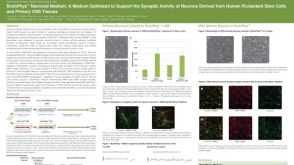 科学海报BrainPhys™ Neuronal Medium: A Medium Optimized to Support the Synaptic Activity of Neurons Derived from Human Pluripotent Stem Cells and Primary CNS Tissues
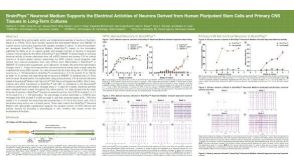 科学海报BrainPhys™ Neuronal Medium Supports the Electrical Activities of Neurons Derived from Human Pluripotent Stem Cells and Primary CNS Tissues in Long-Term Cultures
 沪公网安备31010102008431号