St-Amour I et al. (DEC 2013)
Journal of Cerebral Blood Flow & Metabolism 33 12 1983--1992
Brain Bioavailability of Human Intravenous Immunoglobulin and its Transport through the Murine BloodBrain Barrier
Intravenous immunoglobulin (IVIg) is currently evaluated in clinical trials for the treatment of various disorders of the central nervous system. To assess its capacity to reach central therapeutic targets,the brain bioavailability of IVIg must be determined. We thus quantified the passage of IVIg through the blood-brain barrier (BBB) of C57Bl/6 mice using complementary quantitative and qualitative methodologies. As determined by enzyme-linked immunosorbent assay,a small proportion of systemically injected IVIg was detected in the brain of mice (0.009±0.001% of injected dose in the cortex) whereas immunostaining revealed localization mainly within microvessels and less frequently in neurons. Pharmacokinetic analyses evidenced a low elimination rate constant (0.0053% per hour) in the cortex,consistent with accumulation within cerebral tissue. In situ cerebral perfusion experiments revealed that a fraction of IVIg crossed the BBB without causing leakage. A dose-dependent decrease of brain uptake was consistent with a saturable blood-to-brain transport mechanism. Finally,brain uptake of IVIg after a subchronic treatment was similar in the 3xTg-AD mouse model of Alzheimer disease compared with nontransgenic controls. In summary,our results provide evidence of BBB passage and bioavailability of IVIg into the brain in the absence of BBB leakage and in sufficient concentration to interact with the therapeutic targets.
View Publication
产品类型:
产品号#:
05715
产品名:
NeuroCult™成年中枢神经系统(CNS)组织酶解试剂盒(小鼠和大鼠)
Kucia M et al. (JAN 2006)
Leukemia 20 1 18--28
Cells enriched in markers of neural tissue-committed stem cells reside in the bone marrow and are mobilized into the peripheral blood following stroke.
The concept that bone marrow (BM)-derived cells participate in neural regeneration remains highly controversial and the identity of the specific cell type(s) involved remains unknown. We recently reported that the BM contains a highly mobile population of CXCR4+ cells that express mRNA for various markers of early tissue-committed stem cells (TCSCs),including neural TCSCs. Here,we report that these cells not only express neural lineage markers (beta-III-tubulin,Nestin,NeuN,and GFAP),but more importantly form neurospheres in vitro. These neural TCSCs are present in significant amounts in BM harvested from young mice but their abundance and responsiveness to gradients of motomorphogens,such as SDF-1,HGF,and LIF,decreases with age. FACS analysis,combined with analysis of neural markers at the mRNA and protein levels,revealed that these cells reside in the nonhematopoietic CXCR4+/Sca-1+/lin-/CD45 BM mononuclear cell fraction. Neural TCSCs are mobilized into the peripheral-blood following stroke and chemoattracted to the damaged neural tissue in an SDF-1-CXCR4-,HGF-c-Met-,and LIF-LIF-R-dependent manner. Based on these data,we hypothesize that the postnatal BM harbors a nonhematopoietic population of cells that express markers of neural TCSCs that may account for the beneficial effects of BM-derived cells in neural regeneration.
View Publication
产品类型:
产品号#:
05700
05701
05702
05703
05704
产品名:
NeuroCult™ 基础培养基(小鼠和大鼠)
NeuroCult™ 扩增添加物(小鼠和大鼠)
NeuroCult™扩增试剂盒(小鼠和大鼠)
NeuroCult™ 分化添加物(小鼠和大鼠)
NeuroCult™ 分化试剂盒(小鼠和大鼠)
Gallegos-Cá et al. (AUG 2015)
Stem cells and development 24 16 1901--1911
For diseases of the brain,the pig (Sus scrofa) is increasingly being used as a model organism that shares many anatomical and biological similarities with humans. We report that pig induced pluripotent stem cells (iPSC) can recapitulate events in early mammalian neural development. Pig iPSC line (POU5F1(high)/SSEA4(low)) had a higher potential to form neural rosettes (NR) containing neuroepithelial cells than either POU5F1(low)/SSEA4(low) or POU5F1(low)/SSEA4(high) lines. Thus,POU5F1 and SSEA4 pluripotency marker profiles in starting porcine iPSC populations can predict their propensity to form more robust NR populations in culture. The NR were isolated and expanded in vitro,retaining their NR morphology and neuroepithelial molecular properties. These cells expressed anterior central nervous system fate markers OTX2 and GBX2 through at least seven passages,and responded to retinoic acid,promoting a more posterior fate (HOXB4+,OTX2-,and GBX2-). These findings offer insight into pig iPSC development,which parallels the human iPSC in both anterior and posterior neural cell fates. These in vitro similarities in early neural differentiation processes support the use of pig iPSC and differentiated neural cells as a cell therapy in allogeneic porcine neural injury and degeneration models,providing relevant translational data for eventual human neural cell therapies.
View Publication
产品类型:
产品号#:
05850
05857
05870
05875
07923
85850
85857
85870
85875
产品名:
Dispase (1 U/mL)
mTeSR™1
mTeSR™1
Zhou J et al. (AUG 2016)
Neurochemical Research 41 8 2065--2074
Generation of Human Embryonic Stem Cell Line Expressing zsGreen in Cholinergic Neurons Using CRISPR/Cas9 System
Lineage specific human embryonic stem cell (hESC) reporter cell line is a versatile tool for biological studies on real time monitoring of differentiation,physiological and biochemical features of special cell types and pathological mechanism of disease. Here we report the generation of ChAT-zsGreen reporter hESC line that express zsGreen under the control of the choline acetyltransferase (ChAT) promoter using CRISPR (Clustered Regularly Interspersed Short Palindromic Repeats)/Cas9 system. We show that the ChAT-zsGreen hESC reporter cell lines retain the features of undifferentiated hESC. After cholinergic neuronal differentiation,cholinergic neurons were clearly labeled with green fluorescence protein (zsGreen). The ChAT-zsGreen reporter hESC lines are invaluable not only for the monitoring cholinergic neuronal differentiation but also for study physiological and biochemical hallmarks of cholinergic neurons.
View Publication
产品类型:
产品号#:
05940
产品名:
E. Gabriel et al. (JAN 2016)
Stem cell reports 7 4 678--692
Development and Dynamic Regulation of Mitochondrial Network in Human Midbrain Dopaminergic Neurons Differentiated from iPSCs.
Mitochondria are critical to neurogenesis,but the mechanisms of mitochondria in neurogenesis have not been well explored. We fully characterized mitochondrial alterations and function in relation to the development of human induced pluripotent stem cell (hiPSC)-derived dopaminergic (DA) neurons. Following directed differentiation of hiPSCs to DA neurons,mitochondria in these neurons exhibit pronounced changes during differentiation,including mature neurophysiology characterization and functional synaptic network formation. Inhibition of mitochondrial respiratory chains via application of complex IV inhibitor KCN (potassium cyanide) or complex I inhibitor rotenone restricted neurogenesis of DA neurons. These results demonstrated the direct importance of mitochondrial development and bioenergetics in DA neuronal differentiation. Our study also provides a neurophysiologic model of mitochondrial involvement in neurogenesis,which will enhance our understanding of the role of mitochondrial dysfunctions in neurodegenerative diseases.
View Publication
Almeida S et al. (SEP 2013)
Acta Neuropathologica 126 3 385--399
Modeling key pathological features of frontotemporal dementia with C9ORF72 repeat expansion in iPSC-derived human neurons
The recently identified GGGGCC repeat expansion in the noncoding region of C9ORF72 is the most common pathogenic mutation in patients with frontotemporal dementia (FTD) or amyotrophic lateral sclerosis (ALS). We generated a human neuronal model and investigated the pathological phenotypes of human neurons containing GGGGCC repeat expansions. Skin biopsies were obtained from two subjects who had textgreater1,000 GGGGCC repeats in C9ORF72 and their respective fibroblasts were used to generate multiple induced pluripotent stem cell (iPSC) lines. After extensive characterization,two iPSC lines from each subject were selected,differentiated into postmitotic neurons,and compared with control neurons to identify disease-relevant phenotypes. Expanded GGGGCC repeats exhibit instability during reprogramming and neuronal differentiation of iPSCs. RNA foci containing GGGGCC repeats were present in some iPSCs,iPSC-derived human neurons and primary fibroblasts. The percentage of cells with foci and the number of foci per cell appeared to be determined not simply by repeat length but also by other factors. These RNA foci do not seem to sequester several major RNA-binding proteins. Moreover,repeat-associated non-ATG (RAN) translation products were detected in human neurons with GGGGCC repeat expansions and these neurons showed significantly elevated p62 levels and increased sensitivity to cellular stress induced by autophagy inhibitors. Our findings demonstrate that key neuropathological features of FTD/ALS with GGGGCC repeat expansions can be recapitulated in iPSC-derived human neurons and also suggest that compromised autophagy function may represent a novel underlying pathogenic mechanism.
View Publication
Zhou et al. ( 2013)
Neural Regeneration Research 8 16 1455
Novel nanometer scaffolds regulate the biological behaviors of neural stem cells
Abstract
Ideal tissue-engineered scaffold materials regulate proliferation,apoptosis and differentiation of cells seeded on them by regulating gene expression. In this study,aligned and randomly oriented collagen nanofiber scaffolds were prepared using electronic spinning technology. Their diameters and appearance reached the standards of tissue-engineered nanometer scaffolds. The nanofiber scaffolds were characterized by a high swelling ratio,high porosity and good mechanical properties. The proliferation of spinal cord-derived neural stem cells on novel nanofiber scaffolds was obviously enhanced. The proportions of cells in the S and G2/M phases noticeably increased. Moreover,the proliferation rate of neural stem cells on the aligned collagen nanofiber scaffolds was high. The expression levels of cyclin D1 and cyclin-dependent kinase 2 were increased. Bcl-2 expression was significantly increased,but Bax and caspase-3 gene expressions were obviously decreased. There was no significant difference in the differentiation of neural stem cells into neurons on aligned and randomly oriented collagen nanofiber scaffolds. These results indicate that novel nanofiber scaffolds could promote the proliferation of spinal cord-derived neural stem cells and inhibit apoptosis without inducing differentiation. Nanofiber scaffolds regulate apoptosis and proliferation in neural stem cells by altering gene expression.
Research Highlights
(1) Electronic spinning technology was used to obtain randomly oriented nanofiber membranes and aligned nanofiber membranes. The aligned and randomly oriented collagen nanometer scaffolds were shown to alter the biological behaviors of neural stem cells and induce changes in gene expression.
(2) The effects of the aligned nanofiber membranes on promoting neural stem cell proliferation and on inhibiting apoptosis of neural stem cells were better than those of the randomly oriented nanofiber membranes. Aligned and randomly oriented collagen nanometer scaffolds did not significantly induce apoptosis or differentiation in stem cells.
(3) Aligned and randomly oriented collagen nanometer scaffolds regulated the expression of apoptosis and cell cycle genes in neural stem cells.
Cheng LS et al. (OCT 2015)
Neurogastroenterology and motility : the official journal of the European Gastrointestinal Motility Society 27 10 1509--14
Endoscopic delivery of enteric neural stem cells to treat Hirschsprung disease.
BACKGROUND Transplantation of enteric neural stem cells (ENSC) holds promise as a potential therapy for enteric neuropathies,including Hirschsprung disease. Delivery of transplantable cells via laparotomy has been described,but we propose a novel,minimally invasive endoscopic method of cell delivery. METHODS Enteric neural stem cells for transplantation were cultured from dissociated gut of postnatal donor mice. Twelve recipient mice,including Ednrb(-/-) mice with distal colonic aganglionosis,underwent colonoscopic injection of ENSC under direct vision using a 30-gauge Hamilton needle passed through a rigid cystoureteroscope. Cell engraftment,survival,and neuroglial differentiation were studied 1-4 weeks after the procedure. KEY RESULTS All recipient mice tolerated the procedure without complications and survived to sacrifice. Transplanted cells were found within the colonic wall in 9 of 12 recipient mice with differentiation into enteric neurons and glia. CONCLUSIONS & INFERENCES Endoscopic injection of ENSC is a safe and reliable method for cell delivery,and can be used to deliver a large number of cells to a specific area of disease. This minimally invasive endoscopic approach may prove beneficial to future human applications of cell therapy for neurointestinal disease.
View Publication
产品类型:
产品号#:
05700
05701
05702
产品名:
NeuroCult™ 基础培养基(小鼠和大鼠)
NeuroCult™ 扩增添加物(小鼠和大鼠)
NeuroCult™扩增试剂盒(小鼠和大鼠)
Kim MY et al. (MAR 2017)
Oncology letters 13 3 1767--1774
Accumulation of low-dose BIX01294 promotes metastatic potential of U251 glioblastoma cells.
BIX01294 (Bix) is known to be a euchromatic histone-lysine N-methyltransferase 2 inhibitor and treatment with Bix suppresses cancer cell survival and proliferation. In the present study,it was observed that sequential treatment with low-dose Bix notably increases glioblastoma cell migration and metastasis. It was demonstrated that U251 cells sequentially treated with low-dose Bix exhibited induced characteristic changes in critical epithelial-mesenchymal transition (EMT) markers,including E-cadherin,N-cadherin,β-catenin and zinc finger protein SNAI2. Notably,sequential treatment with Bix also increased the expression of cancer stem cell-associated markers,including sex determining region Y-box 2,octamer-binding transcription factor 4 and cluster of differentiation 133. Neurosphere formation was significantly enhanced in cells sequentially treated with Bix,compared with control cells (control: P=0.011; single treatment of Bix,P=0.045). The results of the present study suggest that accumulation of low-dose Bix enhanced the migration and metastatic potential of glioblastoma cells by regulating EMT-associated gene expression,which may be the cause of the altered properties of glioblastoma stem cells.
View Publication
产品类型:
产品号#:
05750
产品名:
NeuroCult™ NS-A 基础培养基(人)
Stipcevic T et al. (DEC 2013)
Acta Neurologica Belgica 113 4 501--506
Stimulation of adult neural stem cells with a novel glycolipid biosurfactant
Glycolipids are amphipathic molecules which are highly expressed on cell membranes in skin and brain where they mediate several key cellular processes. Neural stem cells are defined as undifferentiated,proliferative,multipotential cells with extensive self-renewal and are responsive to brain injury. Di-rhamnolipid: α-L-rhamnopyranosyl-(1-2)α-L-rhamnopyranosyl-3-hydroxydecanoyl-3-hydroxydecanoic acid,also referred to as di-rhamnolipid BAC-3,is a glycolipid isolated from the bacteria Pseudomonas aeruginosa. In the previous studies,di-rhamnolipid enhanced dermal tissue healing and regeneration. The present study provides the first assessment of di-rhamnolipid,and glycolipid biosurfactants in general,on the nervous system. Treatment of neural stem cells isolated from the lateral ventricle of adult mice and cultured in defined media containing growth factors at 0.5 and 1 μg/ml of di-rhamnolipid increased the number of neurospheres (2.7- and 2.8-fold,respectively) compared to controls and this effect remained even after passaging in the absence of di-rhamnolipid. In addition,neural stem cells treated with di-rhamnolipid at 50 and 100 μg/ml in defined media supplemented with fetal calf serum and without growth factors exhibited increased cell viability,indicating an interaction between di-rhamnolipid and serum components in the regulation of neural stem cells and neuroprogenitors. Intracerebroventricular administration of di-rhamnolipid at 300 and 120 ng/day increased the number of neurospheres (1.3- and 1.63-fold,respectively) that could be derived from the anterior lateral ventricles of adult mice. These results indicate that di-rhamnolipid stimulates proliferation of neural stem cells and increases their endogenous pools which may have therapeutic potential in managing neurodegenerative or neuropsychiatric disorders and promoting nervous tissue regeneration following injury.
View Publication


 EasySep™小鼠TIL(CD45)正选试剂盒





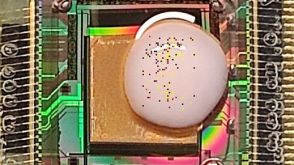 实验方案Measuring Neuronal Activity in Human Pluripotent Stem Cell-Derived Cerebral Organoids on 3D High-Density Multi-Electrode Arrays

 沪公网安备31010102008431号