Zhang L et al. (APR 2016)
Human Reproduction 31 4 832--843
Protein kinase A inhibitor, H89, enhances survival and clonogenicity of dissociated human embryonic stem cells through Rho-associated coiled-coil containing protein kinase (ROCK) inhibition
H89 inhibits the dissociation-induced phosphorylation of PKA and two substrates of Rho-associated coiled-coil containing protein kinase (ROCK),myosin light chain (MLC2) and myosin phosphatase target subunit 1 (MYPT1),significantly increases cell survival and colony formation,and strongly depresses dissociation-induced cell death and cell blebbing without affecting the pluripotency of hESCs and their differentiation in vitro.
View Publication
产品类型:
产品号#:
05835
05839
产品名:
STEMdiff™ 神经诱导培养基
STEMdiff™ 神经诱导培养基
Zhou P et al. (MAY 2016)
Biomaterials 87 1--17
Simple and versatile synthetic polydopamine-based surface supports reprogramming of human somatic cells and long-term self-renewal of human pluripotent stem cells under defined conditions
Human pluripotent stem cells (hPSCs) possess great value in the aspect of cellular therapies due to its self-renewal and potential to differentiate into all somatic cell types. A few defined synthetic surfaces such as polymers and adhesive biological materials conjugated substrata were established for the self-renewal of hPSCs. However,none of them was effective in the generation of human induced pluripotent stem cells (hiPSCs) and long-term maintenance of multiple hPSCs,and most of them required complicated manufacturing processes. Polydopamine has good biocompatibility,is able to form a stable film on nearly all solid substrates surface,and can immobilize adhesive biomolecules. In this manuscript,a polydopamine-mediated surface was developed,which not only supported the reprogramming of human somatic cells into hiPSCs under defined conditions,but also sustained the growth of hiPSCs on diverse substrates. Moreover,the proliferation and pluripotency of hPSCs cultured on the surface were comparable to Matrigel for more than 20 passages. Besides,hPSCs were able to differentiate to cardiomyocytes and neural cells on the surface. This polydopamine-based synthetic surface represents a chemically-defined surface extensively applicable both for fundamental research and cell therapies of hPSCs.
View Publication
产品类型:
产品号#:
05833
05835
05839
产品名:
STEMdiff™神经前体细胞培养基
STEMdiff™ 神经诱导培养基
STEMdiff™ 神经诱导培养基
Badr CE et al. (MAY 2013)
JNCI: Journal of the National Cancer Institute 105 9 643--653
Targeting Cancer Cells With the Natural Compound Obtusaquinone
BACKGROUND Tumor cells present high levels of oxidative stress. Cancer therapeutics exploiting such biochemical changes by increasing reactive oxygen species (ROS) production or decreasing intracellular ROS scavengers could provide a powerful treatment strategy. METHODS To test the effect of our compound,obtusaquinone (OBT),we used several cell viability assays on seven different glioblastoma (GBM) cell lines and primary cells and on 12 different cell lines representing various cancer types in culture as well as on subcutaneous (n = 7 mice per group) and two intracranial GBM (n = 6-8 mice per group) and breast cancer (n = 6 mice per group) tumor models in vivo. Immunoblotting,immunostaining,flow cytometry,and biochemical assays were used to investigate the OBT mechanism of action. Histopathological analysis (n = 2 mice per group) and blood chemistry (n = 2 mice per group) were used to test for any compound-related toxicity. Statistical tests were two-sided. RESULTS OBT induced rapid increase in intracellular ROS levels,downregulation of cellular glutathione levels and increase in its oxidized form,and activation of cellular stress pathways and DNA damage,subsequently leading to apoptosis. Oxidative stress is believed to be the main mechanism through which this compounds targets cancer cells. OBT was well tolerated in mice,slowed tumor growth,and statistically prolonged survival in GBM tumor models. The ratio of median survival in U251 intracranial model in OBT vs control was 1.367 (95% confidence interval [CI] of ratio = 1.031 to 1.367,P = .008). Tumor growth inhibition was also observed in a mouse breast cancer model (average tumor volume per mouse,OBT vs control: 36.3 vs 200.4mm(3),difference = 164.1mm(3),95% CI =72.6 to 255.6mm(3),P = .005). CONCLUSIONS Given its properties and efficacy in cancer killing,our results suggest that OBT is a promising cancer therapeutic.
View Publication
CXCR7 Mediates Neural Progenitor Cells Migration to CXCL12 Independent of CXCR4
Neural progenitor cell (NPC) migration is an essential process for brain development,adult neurogenesis,and neuroregeneration after brain injury. Stromal cell-derived factor-1 (SDF-1,CXCL12) and its traditional receptor CXCR4 are well known to regulate NPC migration. However,the discovery of CXCR7,a newly identified CXCL12 receptor,adds to the dynamics of the existing CXCL12/CXCR4 pair. Antagonists for either CXCR4 or CXCR7 blocked CXCL12-mediated NPC migration in a transwell chemotaxis assay,suggesting that both receptors are required for CXCL12 action. We derived NPC cultures from Cxcr4 knockout (KO) mice and used transwell and stripe assays to determine the cell migration. NPCs derived from Cxcr4 KO mice polarized and migrated in response to CXCL12 gradient,suggesting that CXCR7 could serve as an independent migration receptor. Furthermore,Cxcr4 KO NPCs transplanted into the adult mouse striatum migrated in response to the adjacent injection of CXCL12,an effect that was blocked by a CXCR7 antagonist,suggesting that CXCR7 also mediates NPC migration in vivo. Molecular mechanism studies revealed that CXCR7 interact with Rac1 in the leading edge of the polarized NPCs in the absence of CXCR4. Both CXCR7 and Rac1 are required for extracellular signal-regulated kinases (ERK) 1/2 activation and subsequent NPC migration,indicating that CXCR7 could serve as a functional receptor in CXCL12-mediated NPC migration independent of CXCR4. Together these results reveal an essential role of CXCR7 for CXCL12-mediated NPC migration that will be important to understand neurogenesis during development and in adulthood.
View Publication
产品类型:
产品号#:
05700
05701
05702
产品名:
NeuroCult™ 基础培养基(小鼠和大鼠)
NeuroCult™ 扩增添加物(小鼠和大鼠)
NeuroCult™扩增试剂盒(小鼠和大鼠)
Chesnokova V et al. (AUG 2013)
Proceedings of the National Academy of Sciences 110 35 E3331--E3339
Growth hormone is a cellular senescence target in pituitary and nonpituitary cells
Premature proliferative arrest in benign or early-stage tumors induced by oncoproteins,chromosomal instability,or DNA damage is associated with p53/p21 activation,culminating in either senescence or apoptosis,depending on cell context. Growth hormone (GH) elicits direct peripheral metabolic actions as well as growth effects mediated by insulin-like growth factor 1 (IGF1). Locally produced peripheral tissue GH,in contrast to circulating pituitary-derived endocrine GH,has been proposed to be both proapoptotic and prooncogenic. Pituitary adenomas expressing and secreting GH are invariably benign and exhibit DNA damage and a senescent phenotype. We therefore tested effects of nutlin-induced p53-mediated senescence in rat and human pituitary cells. We show that DNA damage senescence induced by nutlin triggers the p53/p21 senescent pathway,with subsequent marked induction of intracellular pituitary GH in vitro. In contrast,GH is not induced in cells devoid of p53. Furthermore we show that p53 binds specific GH promoter motifs and enhances GH transcription and secretion in senescent pituitary adenoma cells and also in nonpituitary (human breast and colon) cells. In vivo,treatment with nutlin results in up-regulation of both p53 and GH in the pituitary gland,as well as increased GH expression in nonpituitary tissues (lung and liver). Intracrine GH acts in pituitary cells as an apoptosis switch for p53-mediated senescence,likely protecting the pituitary adenoma from progression to malignancy. Unlike in the pituitary,in nonpituitary cells GH exerts antiapoptotic properties. Thus,the results show that GH is a direct p53 transcriptional target and fulfills criteria as a p53 target gene. Induced GH is a readily measurable cell marker for p53-mediated cellular senescence.
View Publication
产品类型:
产品号#:
05771
产品名:
Daynac M et al. (DEC 2014)
STEM CELLS 32 12 3257--3265
TGFβ Lengthens the G1 Phase of Stem Cells in Aged Mouse Brain
Neurogenesis decreases during aging causing a progressive cognitive decline but it is still controversial whether proliferation defects in neurogenic niches result from a loss of neural stem cells or from an impairment of their progression through the cell cycle. Using an accurate fluorescence-activated cell sorting technique,we show that the pool of neural stem cells is maintained in the subventricular zone of middle-aged mice while they have a reduced proliferative potential eventually leading to the subsequent decrease of their progeny. In addition,we demonstrate that the G1 phase is lengthened during aging specifically in activated stem cells,but not in transit-amplifying cells,and directly impacts on neurogenesis. Finally,we report that inhibition of TGFβ signaling restores cell cycle progression defects in stem cells. Our data highlight the significance of cell cycle dysregulation in stem cells in the aged brain and provide an attractive foundation for the development of anti-TGFβ regenerative therapies based on stimulating endogenous neural stem cells.
View Publication
产品类型:
产品号#:
05700
05701
05702
产品名:
NeuroCult™ 基础培养基(小鼠和大鼠)
NeuroCult™ 扩增添加物(小鼠和大鼠)
NeuroCult™扩增试剂盒(小鼠和大鼠)
Donangelo I et al. (JAN 2014)
Endocrine Related Cancer 21 2 203--216
Sca1+ murine pituitary adenoma cells show tumor-growth advantage
The role of tumor stem cells in benign tumors such as pituitary adenomas remains unclear. In this study,we investigated whether the cells within pituitary adenomas that spontaneously develop in Rb+/- mice are hierarchically distributed with a subset being responsible for tumor growth. Cells derived directly from such tumors grew as spheres in serum-free culture medium supplemented with epidermal growth factor and basic fibroblast growth factor. Some cells within growing pituitary tumor spheres (PTS) expressed common stem cell markers (Sca1,Sox2,Nestin,and CD133),but were devoid of hormone-positive differentiated cells. Under subsequent differentiating conditions (matrigel-coated growth surface),PTS expressed all six pituitary hormones. We next searched for specific markers of the stem cell population and isolated a Sca1(+) cell population that showed increased sphere formation potential,lower mRNA hormone expression,higher expression of stem cell markers (Notch1,Sox2,and Nestin),and increased proliferation rates. When transplanted into non-obese diabetic-severe combined immunodeficiency gamma mice brains,Sca1(+) pituitary tumor cells exhibited higher rates of tumor formation (brain tumors observed in 11/11 (100%) vs 7/12 (54%) of mice transplanted with Sca1(+) and Sca1(-) cells respectively). Magnetic resonance imaging and histological analysis of brain tumors showed that tumors derived from Sca1(+) pituitary tumor cells were also larger and plurihormonal. Our findings show that Sca1(+) cells derived from benign pituitary tumors exhibit an undifferentiated expression profile and tumor-proliferative advantages,and we propose that they could represent putative pituitary tumor stem/progenitor cells.
View Publication
产品类型:
产品号#:
05700
05702
产品名:
NeuroCult™ 基础培养基(小鼠和大鼠)
NeuroCult™扩增试剂盒(小鼠和大鼠)
Hackett C et al. ( 2014)
American journal of translational research 6 2 119--28
Transplantation of Fas-deficient or wild-type neural stem/progenitor cells (NPCs) is equally efficient in treating experimental autoimmune encephalomyelitis (EAE).
Studies have shown that neural stem/progenitor cell (NPC) transplantation is beneficial in experimental autoimmune encephalomyelitis (EAE),an established animal model of multiple sclerosis (MS). It is unclear whether NPCs have the ability to integrate into the host CNS to replace lost cells or if their main mechanism of action is via bystander immunomodulation. Understanding the mechanisms by which NPCs exert their beneficial effects as well as exploring methods to increase post-transplantation survival and differentiation is critical to advancing this treatment strategy. Using the EAE model and Fas-deficient (lpr) NPCs,we investigated the effects of altering the Fas system in NPC transplantation therapy. We show that transplantation of NPCs into EAE mice ameliorates clinical symptoms with greater efficacy than sham treatments regardless of cell type (wt or lpr). NPC transplantation via retro-orbital injections significantly decreased inflammatory infiltrates at the acute time point,with a similar trend at the chronic time point. Both wt and lpr NPCs injected into mice with EAE were able to home to sites of CNS inflammation in the periventricular brain and lumbar spinal cord. Both wt and lpr NPCs have the same capacity for inducing apoptosis of Th1 and Th17 cells,and minimal numbers of NPCs entered the CNS. These cells did not express terminal differentiation markers,suggesting that NPCs exert their effects mainly via bystander peripheral immunomodulation.
View Publication
D. Alvarez-Carbonell et al. (JUL 2018)
Journal of neuroimmune pharmacology : the official journal of the Society on NeuroImmune Pharmacology
The Glucocorticoid Receptor Is a Critical Regulator of HIV Latency in Human Microglial Cells.
We have developed models of HIV latency using microglia derived from adult human patient brain cortex and transformed with the SV40 T large and hTERT antigens. Latent clones infected by HIV reporter viruses display high levels of spontaneous HIV reactivation in culture. BrainPhys,a medium highly representative of the CNS extracellular environment,containing low glucose and 1{\%} FBS,reduced,but did not prevent,HIV reactivation. We hypothesized that spontaneous HIV reactivation in culture was due to the expression of pro-inflammatory genes,such as TNF-alpha$,taking place in the absence of the natural inhibitory signals from astrocytes and neurons. Indeed,expression and secretion of TNF-alpha$ is strongly reduced in HIV-latently infected microglia compared to the subset of cells that have undergone spontaneous HIV reactivation. Whereas inhibitors of NF-kappa$B or of macrophage activation only had a short-term silencing effect,addition of dexamethasone (DEXA),a glucocorticoid receptor (GR) agonist and mediator of anti-inflammation,silenced the HIV provirus in a long-term,and shRNA-mediated knock-down of GR activated HIV. DEXA also decreased secretion of a number of cytokines,including TNF-alpha$. Chromatin immunoprecipitation analysis revealed that DEXA strongly increased GR occupancy at the HIV promoter,and reduced histone 3 acetylated levels. Moreover,TNF-alpha$ expression inhibitors in combination with DEXA induced further HIV silencing and increased the histone 3 lysine 27 tri-methylated epigenetic mark of repression at the HIV promoter region. We conclude that GR is a critical repressor of HIV transcription in microglia,and a novel potential pharmacological target to restrict HIV expression in the CNS.
View Publication
产品类型:
产品号#:
05790
05792
05793
05794
05795
产品名:
BrainPhys™神经元培养基
BrainPhys™神经元培养基和SM1试剂盒
BrainPhys™ 神经元培养基N2-A和SM1试剂盒
BrainPhys™原代神经元试剂盒
BrainPhys™ hPSC 神经元试剂盒
E. Hangen et al. (JUL 2018)
Cell reports 24 4 1001--1012.e3
Neuronal Activity and Intracellular Calcium Levels Regulate Intracellular Transport of Newly Synthesized AMPAR.
Regulation of AMPA receptor (AMPAR) trafficking is a key modulator of excitatory synaptic transmission; however,intracellular vesicular transport of newly synthesized AMPARs has been little studied due to technical limitations. By combining molecular tools with imaging strategies in cultured rat hippocampal neurons,we found that vesicles containing newly synthesized,GluA1-subunit-containing AMPARs are transported antero- and retrogradely at a mean speed of 1.5 mu$m.s-1. Synaptic activity and variations in intracellular calcium levels bidirectionally modulate GluA1 transport. Chemical long-term potentiation (cLTP) initially induces a halt in GluA1 transport,followed by a sustained increase,while acute glutamate uncaging on synaptic spines arrests vesicular movements. GluA1 phosphomimetic mutants preferentially travel to the dendritic tip,probably to replenish extrasynaptic pools,distal to the soma. Our findings indicate that AMPAR intracellular transport is highly regulated during synaptic plasticity and likely controls AMPAR numbers at the plasma membrane.
View Publication


 EasySep™小鼠TIL(CD45)正选试剂盒





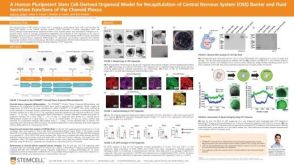 科学海报A Human Pluripotent Stem Cell-Derived Organoid Model for Recapitulation of Central Nervous System (CNS) Barrier and Fluid Secretion Functions of the Choroid Plexus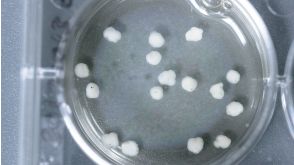

 沪公网安备31010102008431号