Dorrell C et al. (JUN 2011)
Molecular and Cellular Endocrinology 339 1-2 144--150
Isolation of mouse pancreatic alpha, beta, duct and acinar populations with cell surface markers
Tools permitting the isolation of live pancreatic cell subsets for culture and/or molecular analysis are limited. To address this,we developed a collection of monoclonal antibodies with selective surface labeling of endocrine and exocrine pancreatic cell types. Cell type labeling specificity and cell surface reactivity were validated on mouse pancreatic sections and by gene expression analysis of cells isolated using FACS. Five antibodies which marked populations of particular interest were used to isolate and study viable populations of purified pancreatic ducts,acinar cells,and subsets of acinar cells from whole pancreatic tissue or of alpha or beta cells from isolated mouse islets. Gene expression analysis showed the presence of known endocrine markers in alpha and beta cell populations and revealed that TTR and DPPIV are primarily expressed in alpha cells whereas DGKB and GPM6A have a beta cell specific expression profile.
View Publication
产品类型:
产品号#:
03800
03801
03802
03803
03804
03805
03806
03831
产品名:
ClonaCell™-HY杂交瘤试剂盒
ClonaCell™-HY培养基A
ClonaCell™-HY 培养基 B
ClonaCell™-HY 培养基 C
ClonaCell™-HY 培养基 D
ClonaCell™-HY 培养基 E
ClonaCell™-HY PEG
ClonaCell™-HY 液体 HAT 筛选培养基
Cai S et al. (APR 2005)
Cancer research 65 8 3319--27
Mitochondrial targeting of human O6-methylguanine DNA methyltransferase protects against cell killing by chemotherapeutic alkylating agents.
DNA repair capacity of eukaryotic cells has been studied extensively in recent years. Mammalian cells have been engineered to overexpress recombinant nuclear DNA repair proteins from ectopic genes to assess the impact of increased DNA repair capacity on genome stability. This approach has been used in this study to specifically target O(6)-methylguanine DNA methyltransferase (MGMT) to the mitochondria and examine its impact on cell survival after exposure to DNA alkylating agents. Survival of human hematopoietic cell lines and primary hematopoietic CD34(+) committed progenitor cells was monitored because the baseline repair capacity for alkylation-induced DNA damage is typically low due to insufficient expression of MGMT. Increased DNA repair capacity was observed when K562 cells were transfected with nuclear-targeted MGMT (nucl-MGMT) or mitochondrial-targeted MGMT (mito-MGMT). Furthermore,overexpression of mito-MGMT provided greater resistance to cell killing by 1,3-bis (2-chloroethyl)-1-nitrosourea (BCNU) than overexpression of nucl-MGMT. Simultaneous overexpression of mito-MGMT and nucl-MGMT did not enhance the resistance provided by mito-MGMT alone. Overexpression of either mito-MGMT or nucl-MGMT also conferred a similar level of resistance to methyl methanesulfonate (MMS) and temozolomide (TMZ) but simultaneous overexpression in both cellular compartments was neither additive nor synergistic. When human CD34(+) cells were infected with oncoretroviral vectors that targeted O(6)-benzylguanine (6BG)-resistant MGMT (MGMT(P140K)) to the nucleus or the mitochondria,committed progenitors derived from infected cells were resistant to 6BG/BCNU or 6BG/TMZ. These studies indicate that mitochondrial or nuclear targeting of MGMT protects hematopoietic cells against cell killing by BCNU,TMZ,and MMS,which is consistent with the possibility that mitochondrial DNA damage and nuclear DNA damage contribute equally to alkylating agent-induced cell killing during chemotherapy.
View Publication
产品类型:
产品号#:
04434
04444
产品名:
MethoCult™ H4434 Classic
MethoCult™ H4434 Classic
Zhang P et al. (FEB 2009)
Journal of immunology (Baltimore,Md. : 1950) 182 3 1568--76
Acute alcohol intoxication inhibits the lineage- c-kit+ Sca-1+ cell response to Escherichia coli bacteremia.
Alcohol abuse predisposes the host to bacterial infections. In response to bacterial infection,the bone marrow hematopoietic activity shifts toward granulocyte production,which is critical for enhancing host defense. This study investigated the hematopoietic precursor cell response to bacteremia and how alcohol affects this response. Acute alcohol intoxication was induced in BALB/c mice 30 min before initiation of Escherichia coli bacteremia. Bacteremia caused a significant increase in the number of bone marrow lineage (lin(-))-c-kit(+)Sca-1(+) cells. Marrow lin(-)c-kit(+)Sca-1(+) cells isolated from bacteremic mice showed an increase in CFU-granulocyte/macrophage activity compared with controls. In addition to enhanced proliferation of lin(-)c-kit(+)Sca-1(+) cells as reflected by BrdU incorporation,phenotypic inversion of lin(-)c-kit(+)Sca-1(+)Sca-1(-) cells primarily accounted for the rapid increase in marrow lin(-)c-kit(+)Sca-1(+) cells following bacteremia. Bacteremia increased plasma concentration of TNF-alpha. Culture of marrow lin(-)c-kit(+)Sca-1(+)Sca-1(-) cells with murine rTNF-alpha for 24 h caused a dose-dependent increase in conversion of these cells to lin(-)c-kit(+)Sca-1(+) cells. Sca-1 mRNA expression by the cultured cells was also up-regulated following TNF-alpha stimulation. Acute alcohol intoxication inhibited the increase in the number of lin(-)c-kit(+)Sca-1(+) cells in the bone marrow after E. coli infection. Alcohol impeded the increase in BrdU incorporation into marrow lin(-)c-kit(+)Sca-1(+) cells in response to bacteremia. Alcohol also suppressed the plasma TNF-alpha response to bacteremia and inhibited TNF-alpha-induced phenotypic inversion of lin(-)c-kit(+)Sca-1(+)Sca-1(-) cells in vitro. These data show that alcohol inhibits the hematopoietic precursor cell response to bacteremia,which may serve as one mechanism underlying the impaired host defense in alcohol abusers with severe bacterial infections.
View Publication
产品类型:
产品号#:
03534
03434
03444
09600
09650
产品名:
MethoCult™ GF M3534
MethoCult™ GF M3434
MethoCult™ GF M3434
StemSpan™ SFEM
StemSpan™ SFEM
Weidanz Ja et al. (OCT 2006)
Journal of Immunology (Baltimore,Md. : 1950) 177 8 5088--97
Levels of specific peptide-HLA class I complex predicts tumor cell susceptibility to CTL killing.
Recognition of tumor-associated Ags (TAAs) on tumor cells by CTLs and the subsequent tumor cell death are assumed to be dependent on TAA protein expression and to correlate directly with the level of peptide displayed in the binding site of the HLA class I molecule. In this study we evaluated whether the levels of Her-2/neu protein expression on human tumor cell lines directly correlate with HLA-A*0201/Her2/neu peptide presentation and CTL recognition. We developed a TCR mimic (TCRm) mAb designated 1B8 that specifically recognizes the HLA-A2.1/Her2/neu peptide (369-377) (Her2(369)-A2) complex. TCRm mAb staining intensity varied for the five human tumor cell lines analyzed,suggesting quantitative differences in levels of the Her2(369)-A2 complex on these cells. Analysis of tumor cell lines pretreated with IFN-gamma and TNF-alpha for Her2/neu protein and HLA-A2 molecule expression did not reveal a direct correlation between the levels of Her2/neu Ag,HLA-A2 molecule,and Her2(369)-A2 complex expression. However,compared with untreated cells,cytokine-treated cell lines showed an increase in Her2(369)-A2 epitope density that directly correlated with enhanced tumor cell death (p = 0.05). Although a trend was observed between tumor cell lysis and the level of the Her2(369)-A2 complex for untreated cells,the association was not significant. These findings suggest that tumor cell susceptibility to CTL-mediated lysis may be predicted based on the level of specific peptide-MHC class I expression rather than on the total level of TAA expression. Further,these studies demonstrate the potential of the TCRm mAb for validation of endogenous HLA-peptide epitopes on tumor cells.
View Publication
产品类型:
产品号#:
03800
03801
03802
03803
03804
03805
03806
03831
产品名:
ClonaCell™-HY杂交瘤试剂盒
ClonaCell™-HY培养基A
ClonaCell™-HY 培养基 B
ClonaCell™-HY 培养基 C
ClonaCell™-HY 培养基 D
ClonaCell™-HY 培养基 E
ClonaCell™-HY PEG
ClonaCell™-HY 液体 HAT 筛选培养基
Calcagno AM et al. (NOV 2010)
Journal of the National Cancer Institute 102 21 1637--52
Prolonged drug selection of breast cancer cells and enrichment of cancer stem cell characteristics.
BACKGROUND: Cancer stem cells are presumed to have virtually unlimited proliferative and self-renewal abilities and to be highly resistant to chemotherapy,a feature that is associated with overexpression of ATP-binding cassette transporters. We investigated whether prolonged continuous selection of cells for drug resistance enriches cultures for cancer stem-like cells. METHODS: Cancer stem cells were defined as CD44+/CD24�?� cells that could self-renew (ie,generate cells with the tumorigenic CD44+/CD24�?� phenotype),differentiate,invade,and form tumors in vivo. We used doxorubicin-selected MCF-7/ADR cells,weakly tumorigenic parental MCF-7 cells,and MCF-7/MDR,an MCF-7 subline with forced expression of ABCB1 protein. Cells were examined for cell surface markers and side-population fractions by microarray and flow cytometry,with in vitro invasion assays,and for ability to form mammospheres. Xenograft tumors were generated in mice to examine tumorigenicity (n = 52). The mRNA expression of multidrug resistance genes was examined in putative cancer stem cells and pathway analysis of statistically significantly differentially expressed genes was performed. All statistical tests were two-sided. RESULTS: Pathway analysis showed that MCF-7/ADR cells express mRNAs from ABCB1 and other genes also found in breast cancer stem cells (eg,CD44,TGFB1,and SNAI1). MCF-7/ADR cells were highly invasive,formed mammospheres,and were tumorigenic in mice. In contrast to parental MCF-7 cells,more than 30% of MCF-7/ADR cells had a CD44+/CD24�?� phenotype,could self-renew,and differentiate (ie,produce CD44+/CD24�?� and CD44+/CD24+ cells) and overexpressed various multidrug resistance-linked genes (including ABCB1,CCNE1,and MMP9). MCF-7/ADR cells were statistically significantly more invasive in Matrigel than parental MCF-7 cells (MCF-7 cells = 0.82 cell per field and MCF-7/ADR = 7.51 cells per field,difference = 6.69 cells per field,95% confidence interval = 4.82 to 8.55 cells per field,P textless .001). No enrichment in the CD44+/CD24�?� or CD133+ population was detected in MCF-7/MDR. CONCLUSION: The cell population with cancer stem cell characteristics increased after prolonged continuous selection for doxorubicin resistance.
View Publication
产品类型:
产品号#:
01700
01705
01702
产品名:
ALDEFLUOR™ 试剂盒
ALDEFLUOR™ DEAB试剂, 1.5 mM, 1 mL
ALDEFLUOR™检测缓冲液
Shi S et al. (SEP 2011)
Journal of Visualized Experiments 55 e3010
A high-throughput automated platform for the development of manufacturing cell lines for protein therapeutics
The fast-growing biopharmaceutical industry demands speedy development of highly efficient and reliable production systems to meet the increasing requirement for drug supplies. The generation of production cell lines has traditionally involved manual operations that are labor-intensive,low-throughput and vulnerable to human errors. We report here an integrated high-throughput and automated platform for development of manufacturing cell lines for the production of protein therapeutics. The combination of BD FACS Aria Cell Sorter,CloneSelect Imager and TECAN Freedom EVO liquid handling system has enabled a high-throughput and more efficient cell line development process. In this operation,production host cells are first transfected with an expression vector carrying the gene of interest (1),followed by the treatment with a selection agent. The stably-transfected cells are then stained with fluorescence-labeled anti-human IgG antibody,and are subsequently subject to flow cytometry analysis (2-4). Highly productive cells are selected based on fluorescence intensity and are isolated by single-cell sorting on a BD FACSAria. Colony formation from single-cell stage was detected microscopically and a series of time-laps digital images are taken by CloneSelect Imager for the documentation of cell line history. After single clones have formed,these clones were screened for productivity by ELISA performed on a TECAN Freedom EVO liquid handling system. Approximately 2,000 - 10,000 clones can be screened per operation cycle with the current system setup. This integrated approach has been used to generate high producing Chinese hamster ovary (CHO) cell lines for the production of therapeutic monoclonal antibody (mAb) as well as their fusion proteins. With the aid of different types of detecting probes,the method can be used for developing other protein therapeutics or be applied to other production host systems. Comparing to the traditional manual procedure,this automated platform demonstrated advantages of significantly increased capacity,ensured clonality,traceability in cell line history with electronic documentation and much reduced opportunity in operator error.
View Publication
Alternative splicing of vasohibin-1 generates an inhibitor of endothelial cell proliferation, migration, and capillary tube formation.
OBJECTIVE: In this study,the alternative splicing product of vasohibin 1 (VASH1B) was analyzed in direct comparison to the major isoform (VASH1A) for antiangiogenic effects on endothelial colony forming cells (ECFCs) from peripheral blood and on human umbilical vein endothelial cells (HUVECs). METHODS AND RESULTS: Expression studies in primary human endothelial cells revealed that both vasohibin proteins,hVASH1A and hVASH1B,localized in the nucleus and cytoplasm. Adenoviruses carrying the cDNA for VASH1A/B and purified recombinant proteins were used to study the function of both molecules in ECFCs and HUVECs. Recombinant VASH1A protein did not inhibit cell proliferation,tube formation,or vessel growth in vivo in the chick chorioallantoic membrane (CAM) assay,but promoted endothelial cell migration in vitro. The VASH1B protein had an inhibitory effect on cell proliferation,migration,tube formation,and inhibited blood vessel formation in the CAM assay. Adenoviral overexpression of VASH1B,but not of VASH1A,resulted in inhibition of endothelial cell growth,migration,and capillary formation. Interestingly,overexpression of VASH1A and B induced apoptosis in proliferating human fibroblasts,but did not affect cell growth of keratinocytes. CONCLUSIONS: Our data point out that alternative splicing of the VASH1 pre-mRNA transcript generates a potent antiangiogenic protein.
View Publication
Maes C et al. (MAY 2006)
The Journal of clinical investigation 116 5 1230--42
Placental growth factor mediates mesenchymal cell development, cartilage turnover, and bone remodeling during fracture repair.
Current therapies for delayed- or nonunion bone fractures are still largely ineffective. Previous studies indicated that the VEGF homolog placental growth factor (PlGF) has a more significant role in disease than in health. Therefore we investigated the role of PlGF in a model of semi-stabilized bone fracture healing. Fracture repair in mice lacking PlGF was impaired and characterized by a massive accumulation of cartilage in the callus,reminiscent of delayed- or nonunion fractures. PlGF was required for the early recruitment of inflammatory cells and the vascularization of the fracture wound. Interestingly,however,PlGF also played a role in the subsequent stages of the repair process. Indeed in vivo and in vitro findings indicated that PlGF induced the proliferation and osteogenic differentiation of mesenchymal progenitors and stimulated cartilage turnover by particular MMPs. Later in the process,PlGF was required for the remodeling of the newly formed bone by stimulating osteoclast differentiation. As PlGF expression was increased throughout the process of bone repair and all the important cell types involved expressed its receptor VEGFR-1,the present data suggest that PlGF is required for mediating and coordinating the key aspects of fracture repair. Therefore PlGF may potentially offer therapeutic advantages for fracture repair.
View Publication
产品类型:
产品号#:
03534
03334
03434
03444
18753
18753RF
产品名:
MethoCult™ GF M3534
MethoCult™ M3334
MethoCult™ GF M3434
MethoCult™ GF M3434
Su YR et al. (AUG 2008)
Arteriosclerosis,thrombosis,and vascular biology 28 8 1439--46
Lentiviral transduction of apoAI into hematopoietic progenitor cells and macrophages: applications to cell therapy of atherosclerosis.
OBJECTIVE: We used genetically engineered mouse hematopoietic progenitor cells (HPCs) to investigate the therapeutic effects of human apoAI on atherosclerosis in apoE(-/-) mice. METHODS AND RESULTS: Lentiviral constructs expressing either human apoAI (LV-apoAI) or green fluorescent protein (LV-GFP) cDNA under a macrophage specific promoter (CD68) were generated and used for ex vivo transduction of mouse HPCs and macrophages. The transduction efficiency was textgreater25% for HPCs and textgreater70% for macrophages. ApoAI was found in the macrophage culture media,mostly associated with the HDL fraction. Interestingly,a significant increase in mRNA and protein levels for ATP binding cassette A1 (ABCA1) and ABCG1 were found in apoAI-expressing macrophages after acLDL loading. Expression of apoAI significantly increased cholesterol efflux in wild-type and apoE(-/-) macrophages. HPCs transduced with LV-apoAI ex vivo and then transplanted into apoE(-/-) mice caused a 50% reduction in atherosclerotic lesion area compared to GFP controls,without influencing plasma HDL-C levels. CONCLUSIONS: Lentiviral transduction of apoAI into HPCs reduces atherosclerosis in apoE(-/-) mice. Expression of apoAI in macrophages improves cholesterol trafficking in wild-type apoE-producing macrophages and causes upregulation of ABCA1 and ABCG1. These novel observations set the stage for a cell therapy approach to atherosclerosis regression,exploiting the cooperation between apoE and apoAI to maximize cholesterol exit from the plaque.
View Publication


 EasySep™小鼠TIL(CD45)正选试剂盒





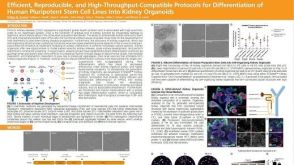 科学海报Efficient, Reproducible and High-Throughput-Compatible Protocols for Differentiation of Human Pluripotent Stem Cell Lines Into Kidney Organoids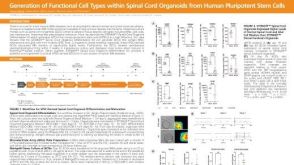


 沪公网安备31010102008431号