Meng A et al. (DEC 2003)
Experimental hematology 31 12 1348--56
Ionizing radiation and busulfan inhibit murine bone marrow cell hematopoietic function via apoptosis-dependent and -independent mechanisms.
OBJECTIVE: Ionizing radiation (IR) and busulfan (BU) are commonly used as preconditioning regimens for bone marrow transplantation (BMT). We examined whether induction of apoptosis in murine bone marrow (BM) hematopoietic cells contributes to IR- and BU-induced suppression of their hematopoietic function. METHODS: The hematopoietic functions of hematopoietic stem cells (HSCs) and progenitors were analyzed by the cobblestone area-forming cell (CAFC) assay. Apoptosis was determined by measuring 3,3'-dihexyloxacarbocyanine iodide (DiCO6) uptake,annexin V staining,and/or sub-G(0/1) cells. Four cell types were studied: murine BM mononuclear cells (BM-MNCs),linage-negative hematopoietic cells (Lin-) cells),Lin- Scal+ c-kit+ cells,and Lin- Scal- c-kit+ cells by flow cytometry. RESULTS: Exposure of BM-MNCs to IR (4 Gy) or incubation of the cells with BU (30 microM) resulted in a significant reduction in CAFC frequency (ptextless0.001). The survival fractions of various day-types of CAFC for the irradiated cells were less than 10%,while that for BU-treated cells was 71.3% on day 7 and progressively declined to 5.3% on day 35. Interestingly,IR significantly induced apoptosis in BM-MNCs,Lin- cells,HSCs,and progenitors,whereas BU failed to increase apoptosis in these cells. In addition,preincubation of BM-MNCs with z-Val-Ala-Asp (OCH3)-fluoromethylketone,methyl ester (z-VAD) attenuated IR-induced reduction in CAFC but not that induced by BU. CONCLUSION: IR and BU differentially suppress the hematopoietic function of HSCs and progenitors by fundamentally different mechanisms. IR inhibits the function primarily by the induction of HSC and progenitor apoptosis. In contrast,BU suppresses HSC and progenitor function via an apoptosis-independent mechanism.
View Publication
产品类型:
产品号#:
03534
产品名:
MethoCult™ GF M3534
Puissant A et al. (FEB 2010)
Cancer research 70 3 1042--52
Resveratrol promotes autophagic cell death in chronic myelogenous leukemia cells via JNK-mediated p62/SQSTM1 expression and AMPK activation.
Autophagy that is induced by starvation or cellular stress can enable cancer cell survival by sustaining energy homeostasis and eliminating damaged organelles and proteins. In response to stress,cancer cells have been reported to accumulate the protein p62/SQSTM1 (p62),but its role in the regulation of autophagy is controversial. Here,we report that the plant phytoalexin resveratrol (RSV) triggers autophagy in imatinib-sensitive and imatinib-resistant chronic myelogenous leukemia (CML) cells via JNK-dependent accumulation of p62. JNK inhibition or p62 knockdown prevented RSV-mediated autophagy and antileukemic effects. RSV also stimulated AMPK,thereby inhibiting the mTOR pathway. AMPK knockdown or mTOR overexpression impaired RSV-induced autophagy but not JNK activation. Lastly,p62 expression and autophagy in CD34+ progenitors from patients with CML was induced by RSV,and disrupting autophagy protected CD34+ CML cells from RSV-mediated cell death. We concluded that RSV triggered autophagic cell death in CML cells via both JNK-mediated p62 overexpression and AMPK activation. Our findings show that the JNK and AMPK pathways can cooperate to eliminate CML cells via autophagy.
View Publication
Carlo-Stella C et al. (JAN 2007)
Stem cells (Dayton,Ohio) 25 1 252--61
Placental growth factor-1 potentiates hematopoietic progenitor cell mobilization induced by granulocyte colony-stimulating factor in mice and nonhuman primates.
The complex hematopoietic effects of placental growth factor (PlGF) prompted us to test in mice and nonhuman primates the mobilization of peripheral blood progenitor cells (PBPCs) elicited by recombinant mouse PlGF-2 (rmPlGF-2) and recombinant human PlGF-1 (rhPlGF-1). PBPC mobilization was evaluated by assaying colony-forming cells (CFCs),high-proliferative potential-CFCs (HPP-CFCs),and long-term culture-initiating cells (LTC-ICs). In mice,both rmPlGF-2 and rhPlGF-1 used as single agents failed to mobilize PBPCs,whereas the combination of rhPlGF-1 and granulocyte colony-stimulating factor (rhG-CSF) increased CFCs and LTC-ICs per milliliter of blood by four- and eightfold,respectively,as compared with rhG-CSF alone. rhPlGF-1 plus rhG-CSF significantly increased matrix metalloproteinase-9 plasma levels over rhG-CSF alone,suggesting a mechanistic explanation for rhPlGF-1/rhG-CSF synergism. In rhesus monkeys,rhPlGF-1 alone had no mobilization effect,whereas rhPlGF-1 (260 microg/kg per day) plus rhG-CSF (100 microg/kg per day) increased rhG-CSF-elicited mobilization of CFCs,HPP-CFCs,and LTC-ICs per milliliter of blood by 5-,7-,and 15-fold,respectively. No specific toxicity was associated with the administration of rhPlGF-1 alone or in combination. In conclusion,our data demonstrate that rhPlGF-1 significantly increases rhG-CSF-elicited hematopoietic mobilization and provide a preclinical rationale for evaluating rhPlGF-1 in the clinical setting.
View Publication
产品类型:
产品号#:
05150
产品名:
MyeloCult™ H5100
Smith Sa et al. (MAR 2012)
Journal of Virology 86 5 2665--75
Persistence of circulating memory B cell clones with potential for Dengue virus disease enhancement for decades following infection
Symptomatic dengue virus infection ranges in disease severity from an influenza-like illness to life-threatening shock. One model of the mechanism underlying severe disease proposes that weakly neutralizing,dengue serotype cross-reactive antibodies induced during a primary infection facilitate virus entry into Fc receptor-bearing cells during a subsequent secondary infection,increasing viral replication and the release of cytokines and vasoactive mediators,culminating in shock. This process has been termed antibody-dependent enhancement of infection and has significantly hindered vaccine development. Much of our understanding of this process has come from studies using mouse monoclonal antibodies (MAbs); however,antibody responses in mice typically exhibit less complexity than those in humans. A better understanding of the humoral immune response to natural dengue virus infection in humans is sorely needed. Using a high-efficiency human hybridoma technology,we isolated 37 hybridomas secreting human MAbs to dengue viruses from 12 subjects years or even decades following primary or secondary infection. The majority of the human antibodies recovered were broadly cross-reactive,directed against either envelope or premembrane proteins,and capable of enhancement of infection in vitro; few exhibited serotype-specific binding or potent neutralizing activity. Memory B cells encoding enhancing antibodies predominated in the circulation,even two or more decades following infection. Mapping the epitopes and activity of naturally occurring dengue antibodies should prove valuable in determining whether the enhancing and neutralizing activity of antibodies can be separated. Such principles could be used in the rational design of vaccines that enhance the induction of neutralizing antibodies,while lowering the risk of dengue shock syndrome.
View Publication
产品类型:
产品号#:
03800
03801
03802
03803
03804
03805
03806
产品名:
ClonaCell™-HY杂交瘤试剂盒
ClonaCell™-HY培养基A
ClonaCell™-HY 培养基 B
ClonaCell™-HY 培养基 C
ClonaCell™-HY 培养基 D
ClonaCell™-HY 培养基 E
ClonaCell™-HY PEG
Sekimoto E et al. (FEB 2007)
Cancer research 67 3 1184--92
A single-chain Fv diabody against human leukocyte antigen-A molecules specifically induces myeloma cell death in the bone marrow environment.
Cross-linked human leukocyte antigen (HLA) class I molecules have been shown to mediate cell death in neoplastic lymphoid cells. However,clinical application of an anti-HLA class I antibody is limited by possible side effects due to widespread expression of HLA class I molecules in normal tissues. To reduce the unwanted Fc-mediated functions of the therapeutic antibody,we have developed a recombinant single-chain Fv diabody (2D7-DB) specific to the alpha2 domain of HLA-A. Here,we show that 2D7-DB specifically induces multiple myeloma cell death in the bone marrow environment. Both multiple myeloma cell lines and primary multiple myeloma cells expressed HLA-A at higher levels than normal myeloid cells,lymphocytes,or hematopoietic stem cells. 2D7-DB rapidly induced Rho activation and robust actin aggregation that led to caspase-independent death in multiple myeloma cells. This cell death was completely blocked by Rho GTPase inhibitors,suggesting that Rho-induced actin aggregation is crucial for mediating multiple myeloma cell death. Conversely,2D7-DB neither triggered Rho-mediated actin aggregation nor induced cell death in normal bone marrow cells despite the expression of HLA-A. Treatment with IFNs,melphalan,or bortezomib enhanced multiple myeloma cell death induced by 2D7-DB. Furthermore,administration of 2D7-DB resulted in significant tumor regression in a xenograft model of human multiple myeloma. These results indicate that 2D7-DB acts on multiple myeloma cells differently from other bone marrow cells and thus provide the basis for a novel HLA class I-targeting therapy against multiple myeloma.
View Publication
Loveless BC et al. (JUN 2011)
The Journal of Biological Chemistry 286 23 20658--65
Structural characterization and epitope mapping of the glutamic acid/alanine-rich protein from Trypanosoma congolense: defining assembly on the parasite cell surface.
Trypanosoma congolense is an African trypanosome that causes serious disease in cattle in Sub-Saharan Africa. The four major life cycle stages of T. congolense can be grown in vitro,which has led to the identification of several cell-surface molecules expressed on the parasite during its transit through the tsetse vector. One of these,glutamic acid/alanine-rich protein (GARP),is the first expressed on procyclic forms in the tsetse midgut and is of particular interest because it replaces the major surface coat molecule of bloodstream forms,the variant surface glycoprotein (VSG) that protects the parasite membrane,and is involved in antigenic variation. Unlike VSG,however,the function of GARP is not known,which necessarily limits our understanding of parasite survival in the tsetse. Toward establishing the function of GARP,we report its three-dimensional structure solved by iodide phasing to a resolution of 1.65 Å. An extended helical bundle structure displays an unexpected and significant degree of homology to the core structure of VSG,the only other major surface molecule of trypanosomes to be structurally characterized. Immunofluorescence microscopy and immunoaffinity-tandem mass spectrometry were used in conjunction with monoclonal antibodies to map both non-surface-disposed and surface epitopes. Collectively,these studies enabled us to derive a model describing the orientation and assembly of GARP on the surface of trypanosomes. The data presented here suggest the possible structure-function relationships involved in replacement of the bloodstream form VSG by GARP as trypanosomes differentiate in the tsetse vector after a blood meal.
View Publication
产品类型:
产品号#:
03800
03801
03802
03803
03804
03805
03806
产品名:
ClonaCell™-HY杂交瘤试剂盒
ClonaCell™-HY培养基A
ClonaCell™-HY 培养基 B
ClonaCell™-HY 培养基 C
ClonaCell™-HY 培养基 D
ClonaCell™-HY 培养基 E
ClonaCell™-HY PEG
Feng R et al. (MAR 2007)
Blood 109 5 2130--8
SDX-308, a nonsteroidal anti-inflammatory agent, inhibits NF-kappaB activity, resulting in strong inhibition of osteoclast formation/activity and multiple myeloma cell growth.
Multiple myeloma is characterized by increased osteoclast activity that results in bone destruction and lytic lesions. With the prolonged overall patient survival achieved by new treatment modalities,additional drugs are required to inhibit bone destruction. We focused on a novel and more potent structural analog of the nonsteroidal anti-inflammatory drug etodolac,known as SDX-308,and its effects on osteoclastogenesis and multiple myeloma cells. SDX-101 is another structural analog of etodolac that is already used in clinical trials for the treatment of B-cell chronic lymphocytic leukemia (B-CLL). Compared with SDX-101,a 10-fold lower concentration of SDX-308 induced potent (60%-80%) inhibition of osteoclast formation,and a 10- to 100-fold lower concentration inhibited multiple myeloma cell proliferation. Bone resorption was completely inhibited by SDX-308,as determined in dentin-based bone resorption assays. SDX-308 decreased constitutive and RANKL-stimulated NF-kappaB activation and osteoclast formation in an osteoclast cellular model,RAW 264.7. SDX-308 effectively suppressed TNF-alpha-induced IKK-gamma and IkappaB-alpha phosphorylation and degradation and subsequent NF-kappaB activation in human multiple myeloma cells. These results indicate that SDX-308 effectively inhibits multiple myeloma cell proliferation and osteoclast activity,potentially by controlling NF-kappaB activation signaling. We propose that SDX-308 is a promising therapeutic candidate to inhibit multiple myeloma growth and osteoclast activity and that it should receive attention for further study.
View Publication


 EasySep™小鼠TIL(CD45)正选试剂盒





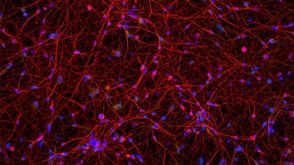 实验方案How to Culture Human Pluripotent Stem Cell (hPSC)-Derived Forebrain Neurons for MEA Analysis Using the Maestro MEA™ System
 科学海报Development of a 96-well Assay for Assessing Cell Viability in Mouse Small Intestinal-Derived Organoids after Treatment with Cytotoxic Compounds
 科学海报It Takes Two—Or Three: Comparing Human Pluripotent Stem Cell Derived Glia-Neuron Co-Cultures to Neuron Monoculture Under Basal and Injury Conditions
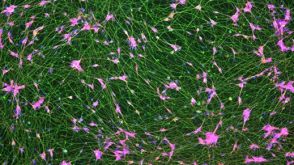 实验方案How to Culture Human Pluripotent Stem Cell (hPSC)-Derived Induced Forebrain Neurons for MEA Analysis Using the Maestro MEA™ System
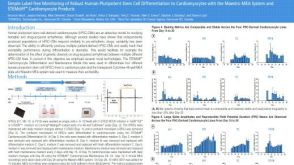 科学海报Simple Label-free Monitoring of Robust Human Pluripotent Stem Cell Differentiation to Cardiomyocytes with the Maestro MEA System and STEMdiff™ Cardiomyocyte Products
 沪公网安备31010102008431号