CD177 modulates human neutrophil migration through activation-mediated integrin and chemoreceptor regulation.
CD177 is a glycosylphosphatidylinositol (GPI)-anchored protein expressed by a variable proportion of human neutrophils that mediates surface expression of the antineutrophil cytoplasmic antibody antigen proteinase 3. CD177 associates with β2 integrins and recognizes platelet endothelial cell adhesion molecule 1 (PECAM-1),suggesting a role in neutrophil migration. However,CD177pos neutrophils exhibit no clear migratory advantage in vivo,despite interruption of in vitro transendothelial migration by CD177 ligation. We sought to understand this paradox. Using a PECAM-1-independent transwell system,we found that CD177pos and CD177neg neutrophils migrated comparably. CD177 ligation selectively impaired migration of CD177pos neutrophils,an effect mediated through immobilization and cellular spreading on the transwell membrane. Correspondingly,CD177 ligation enhanced its interaction with β2 integrins,as revealed by fluorescence lifetime imaging microscopy,leading to integrin-mediated phosphorylation of Src and extracellular signal-regulated kinase (ERK). CD177-driven cell activation enhanced surface β2 integrin expression and affinity,impaired internalization of integrin attachments,and resulted in ERK-mediated attenuation of chemokine signaling. We conclude that CD177 signals in a β2 integrin-dependent manner to orchestrate a set of activation-mediated mechanisms that impair human neutrophil migration.
View Publication
产品类型:
产品号#:
19666
100-0404
产品名:
EasySep™ Direct人中性粒细胞分选试剂盒
RoboSep™ 人中性粒细胞分选试剂盒
Bonaparte MI and Barker E (OCT 2004)
Blood 104 7 2087--94
Killing of human immunodeficiency virus-infected primary T-cell blasts by autologous natural killer cells is dependent on the ability of the virus to alter the expression of major histocompatibility complex class I molecules.
In the current study,we evaluated whether the capacity of HIV to modulate major histocompatibility complex (MHC) class I molecules has an impact on the ability of autologous natural killer (NK) cells to kill the HIV-infected cells. Analysis of HIV-infected T-cell blasts revealed that the decrease in MHC class I molecules on the infected cell surface was selective. HLA-A and -B were decreased on cells infected with HIV strains that could decrease MHC class I molecules,whereas HLA-C and -E remained on the surface. Blocking the interaction between HLA-C and -E and their corresponding inhibitory receptors increased NK cell killing of T-cell blasts infected with HIV strains that reduced MHC class I molecules. Moreover,we demonstrate that NK cells lacking HLA-C and -E inhibitory receptors kill T-cell blasts infected with HIV strains that decrease MHC class I molecules. In contrast,NK cells are incapable of destroying T-cell blasts infected with HIV strains that were unable to reduce MHC class I molecules. These findings suggest that NK cells lacking inhibitory receptors to HLA-C and -E kill HIV-infected CD4+ T cells,and they indicate that the capacity of NK cells to destroy HIV-infected cells depends on the ability of the virus to modulate MHC class I molecules.
View Publication
产品类型:
产品号#:
18055
18055RF
产品名:
Krummey SM et al. (MAR 2016)
Journal of Immunology 196 6 2838--46
Low-Affinity Memory CD8+ T Cells Mediate Robust Heterologous Immunity.
Heterologous immunity is recognized as a significant barrier to transplant tolerance. Whereas it has been established that pathogen-elicited memory T cells can have high or low affinity for cross-reactive allogeneic peptide-MHC,the role of TCR affinity during heterologous immunity has not been explored. We established a model with which to investigate the impact of TCR-priming affinity on memory T cell populations following a graft rechallenge. In contrast to high-affinity priming,low-affinity priming elicited fully differentiated memory T cells with a CD45RB(hi) status. High CD45RB status enabled robust secondary responses in vivo,as demonstrated by faster graft rejection kinetics and greater proliferative responses. CD45RB blockade prolonged graft survival in low affinity-primed mice,but not in high affinity-primed mice. Mechanistically,low affinity-primed memory CD8(+) T cells produced more IL-2 and significantly upregulated IL-2Rα expression during rechallenge. We found that CD45RB(hi) status was also a stable marker of priming affinity within polyclonal CD8(+) T cell populations. Following high-affinity rechallenge,low affinity-primed CD45RB(hi) cells became CD45RB(lo),demonstrating that CD45RB status acts as an affinity-based differentiation switch on CD8(+) T cells. Thus,these data establish a novel mechanism by which CD45 isoforms tune low affinity-primed memory CD8(+) T cells to become potent secondary effectors following heterologous rechallenge. These findings have direct implications for allogeneic heterologous immunity by demonstrating that despite a lower precursor frequency,low-affinity priming is sufficient to generate memory cells that mediate potent secondary responses against a cross-reactive graft challenge.
View Publication
Effector T Cells Abrogate Stroma-Mediated Chemoresistance in Ovarian Cancer.
Effector T cells and fibroblasts are major components in the tumor microenvironment. The means through which these cellular interactions affect chemoresistance is unclear. Here,we show that fibroblasts diminish nuclear accumulation of platinum in ovarian cancer cells,resulting in resistance to platinum-based chemotherapy. We demonstrate that glutathione and cysteine released by fibroblasts contribute to this resistance. CD8(+) T cells abolish the resistance by altering glutathione and cystine metabolism in fibroblasts. CD8(+) T-cell-derived interferon (IFN)γ controls fibroblast glutathione and cysteine through upregulation of gamma-glutamyltransferases and transcriptional repression of system xc(-) cystine and glutamate antiporter via the JAK/STAT1 pathway. The presence of stromal fibroblasts and CD8(+) T cells is negatively and positively associated with ovarian cancer patient survival,respectively. Thus,our work uncovers a mode of action for effector T cells: they abrogate stromal-mediated chemoresistance. Capitalizing upon the interplay between chemotherapy and immunotherapy holds high potential for cancer treatment.
View Publication
产品类型:
产品号#:
17953
17953RF
15022
15062
100-0710
产品名:
EasySep™人CD8+ T细胞分选试剂盒
RoboSep™ 人CD8+ T细胞分选试剂盒
RosetteSep™人CD4+ T细胞富集抗体混合物
RosetteSep™人CD4+ T细胞富集抗体混合物
EasySep™人CD8+ T细胞分选试剂盒
E. Giuliani et al. (mar 2019)
Scientific reports 9 1 4373
Hexamethylene bisacetamide impairs NK cell-mediated clearance of acute T lymphoblastic leukemia cells and HIV-1-infected T cells that exit viral latency.
The hexamethylene bisacetamide (HMBA) anticancer drug was dismissed due to limited efficacy in leukemic patients but it may re-enter into the clinics in HIV-1 eradication strategies because of its recently disclosed capacity to reactivate latent virus. Here,we investigated the impact of HMBA on the cytotoxicity of natural killer (NK) cells against acute T lymphoblastic leukemia (T-ALL) cells or HIV-1-infected T cells that exit from latency. We show that in T-ALL cells HMBA upmodulated MICB and ULBP2 ligands for the NKG2D activating receptor. In a primary CD4+ T cell-based latency model,HMBA did not reactivate HIV-1,yet enhanced ULBP2 expression on cells harboring virus reactivated by prostratin (PRO). However,HMBA reduced the expression of NKG2D and its DAP10 adaptor in NK cells,hence impairing NKG2D-mediated cytotoxicity and DAP10-dependent response to IL-15 stimulation. Alongside,HMBA dampened killing of T-ALL targets by IL-15-activated NK cells and impaired NK cell-mediated clearance of PRO-reactivated HIV-1+ cells. Overall,our results demonstrate a dominant detrimental effect of HMBA on the NKG2D pathway that crucially controls NK cell-mediated killing of tumors and virus-infected cells,providing one possible explanation for poor clinical outcome in HMBA-treated cancer patients and raising concerns for future therapeutic application of this drug.
View Publication
产品类型:
产品号#:
19052
19052RF
产品名:
EasySep™人CD4+ T细胞富集试剂盒
RoboSep™ 人CD4+ T细胞富集试剂盒含滤芯吸头
Osman MS et al. (FEB 2007)
Journal of immunology (Baltimore,Md. : 1950) 178 3 1261--7
Activating Ly-49 receptors regulate LFA-1-mediated adhesion by NK cells.
NK cells are important for innate resistance to tumors and viruses. Engagement of activating Ly-49 receptors expressed by NK cells leads to rapid NK cell activation resulting in target cell lysis and cytokine production. The ITAM-containing DAP12 adapter protein stably associates with activating Ly-49 receptors,and couples receptor recognition with generation of NK responses. Activating Ly-49s are potent stimulators of murine NK cell functions,yet how they mediate such activities is not well understood. We demonstrate that these receptors trigger LFA-1-dependent tight conjugation between NK cells and target cells. Furthermore,we show that activating Ly-49 receptor engagement leads to rapid DAP12-dependent up-regulation of NK cell LFA-1 adhesiveness to ICAM-1 that is also dependent on tyrosine kinases of the Syk and Src families. These results indicate for the first time that activating Ly-49s control adhesive properties of LFA-1,and by DAP12-dependent inside-out signaling. Ly-49-driven mobilization of LFA-1 adhesive function may represent a fundamental proximal event during NK cell interactions with target cells involving activating Ly-49 receptors,leading to target cell death.
View Publication
产品类型:
产品号#:
18755
18755RF
产品名:
EasySep™小鼠CD49b正选试剂盒
RoboSep™ 小鼠CD49b正选试剂盒含滤芯吸头
Newman SL et al. (FEB 2006)
Journal of immunology (Baltimore,Md. : 1950) 176 3 1806--13
Human macrophages do not require phagosome acidification to mediate fungistatic/fungicidal activity against Histoplasma capsulatum.
Histoplasma capsulatum (Hc) is a facultative intracellular fungus that modulates the intraphagosomal environment to survive within macrophages (Mphi). In the present study,we sought to quantify the intraphagosomal pH under conditions in which Hc yeasts replicated or were killed. Human Mphi that had ingested both viable and heat-killed or fixed yeasts maintained an intraphagosomal pH of approximately 6.4-6.5 over a period of several hours. These results were obtained using a fluorescent ratio technique and by electron microscopy using the 3-(2,4-dinitroanilo)-3'-amino-N-methyldipropylamine reagent. Mphi that had ingested Saccharomyces cerevisae,a nonpathogenic yeast that is rapidly killed and degraded by Mphi,also maintained an intraphagosomal pH of approximately 6.5 over a period of several hours. Stimulation of human Mphi fungicidal activity by coculture with chloroquine or by adherence to type 1 collagen matrices was not reversed by bafilomycin,an inhibitor of the vacuolar ATPase. Human Mphi cultured in the presence of bafilomycin also completely degraded heat-killed Hc yeasts,whereas mouse peritoneal Mphi digestion of yeasts was completely reversed in the presence of bafilomycin. However,bafilomycin did not inhibit mouse Mphi fungistatic activity induced by IFN-gamma. Thus,human Mphi do not require phagosomal acidification to kill and degrade Hc yeasts,whereas mouse Mphi do require acidification for fungicidal but not fungistatic activity.
View Publication
产品类型:
产品号#:
18058
18058RF
产品名:
Laudanski K et al. (OCT 2006)
Proceedings of the National Academy of Sciences of the United States of America 103 42 15564--9
Cell-specific expression and pathway analyses reveal alterations in trauma-related human T cell and monocyte pathways.
Monitoring genome-wide,cell-specific responses to human disease,although challenging,holds great promise for the future of medicine. Patients with injuries severe enough to develop multiple organ dysfunction syndrome have multiple immune derangements,including T cell apoptosis and anergy combined with depressed monocyte antigen presentation. Genome-wide expression analysis of highly enriched circulating leukocyte subpopulations,combined with cell-specific pathway analyses,offers an opportunity to discover leukocyte regulatory networks in critically injured patients. Severe injury induced significant changes in T cell (5,693 genes),monocyte (2,801 genes),and total leukocyte (3,437 genes) transcriptomes,with only 911 of these genes common to all three cell populations (12%). T cell-specific pathway analyses identified increased gene expression of several inhibitory receptors (PD-1,CD152,NRP-1,and Lag3) and concomitant decreases in stimulatory receptors (CD28,CD4,and IL-2Ralpha). Functional analysis of T cells and monocytes confirmed reduced T cell proliferation and increased cell surface expression of negative signaling receptors paired with decreased monocyte costimulation ligands. Thus,genome-wide expression from highly enriched cell populations combined with knowledge-based pathway analyses leads to the identification of regulatory networks differentially expressed in injured patients. Importantly,application of cell separation,genome-wide expression,and cell-specific pathway analyses can be used to discover pathway alterations in human disease.
View Publication
产品类型:
产品号#:
15624
15664
15021
15061
15028
15068
产品名:
RosetteSep™人粒细胞去除抗体混合物
RosetteSep™人粒细胞去除抗体混合物
RosetteSep™人T细胞富集抗体混合物
RosetteSep™人T细胞富集抗体混合物
RosetteSep™人单核细胞富集抗体混合物
RosetteSep™人单核细胞富集抗体混合物
Yu J et al. (JAN 2010)
Blood 115 2 274--81
CD94 surface density identifies a functional intermediary between the CD56bright and CD56dim human NK-cell subsets.
Human CD56(bright) natural killer (NK) cells possess little or no killer immunoglobulin-like receptors (KIRs),high interferon-gamma (IFN-gamma) production,but little cytotoxicity. CD56(dim) NK cells have high KIR expression,produce little IFN-gamma,yet display high cytotoxicity. We hypothesized that,if human NK maturation progresses from a CD56(bright) to a CD56(dim) phenotype,an intermediary NK cell must exist,which demonstrates more functional overlap than these 2 subsets,and we used CD94 expression to test our hypothesis. CD94(high)CD56(dim) NK cells express CD62L,CD2,and KIR at levels between CD56(bright) and CD94(low)CD56(dim) NK cells. CD94(high)CD56(dim) NK cells produce less monokine-induced IFN-gamma than CD56(bright) NK cells but much more than CD94(low)CD56(dim) NK cells because of differential interleukin-12-mediated STAT4 phosphorylation. CD94(high)CD56(dim) NK cells possess a higher level of granzyme B and perforin expression and CD94-mediated redirected killing than CD56(bright) NK cells but lower than CD94(low)CD56(dim) NK cells. Collectively,our data suggest that the density of CD94 surface expression on CD56(dim) NK cells identifies a functional and likely developmental intermediary between CD56(bright) and CD94(low)CD56(dim) NK cells. This supports the notion that,in vivo,human CD56(bright) NK cells progress through a continuum of differentiation that ends with a CD94(low)CD56(dim) phenotype.
View Publication
产品类型:
产品号#:
15025
15065
产品名:
RosetteSep™人NK细胞富集抗体混合物
RosetteSep™人NK细胞富集抗体混合物
Fang Y et al. (JUN 2010)
Journal of leukocyte biology 87 6 1019--28
Comparison of sensitivity of Th1, Th2, and Th17 cells to Fas-mediated apoptosis.
Following activation through the TCR,CD4+ T cells can differentiate into three major subsets: Th1,Th2,and Th17 cells. IL-17-secreting Th17 cells play an important role in the pathogenesis of several autoimmune diseases and in immune responses to pathogens,but little is known about the regulation of apoptosis in Th17 cells. In this study,the sensitivity of in vitro-polarized Th1,Th2,and Th17 cells to Fas-mediated apoptosis was compared directly by different methods. The order of sensitivity of T cell subsets to Fas-mediated apoptosis is: Th1 textgreater Th17 textgreater Th2. The greater sensitivity of Th17 cells to Fas-mediated apoptosis compared with Th2 cells correlated with their higher expression of FasL and comparable expression of the antiapoptotic molecule FLIP. The decreased sensitivity of Th17 compared with Th1 cells correlated with the higher expression of FLIP by Th17 cells. Transgenic overexpression of FLIP in T cells protected all three subsets from Fas-mediated apoptosis. These findings provide new knowledge for understanding how survival of different subsets of T cells is regulated.
View Publication
产品类型:
产品号#:
18554
18554RF
18564
18564RF
产品名:
Wellington M et al. (DEC 2003)
Infection and immunity 71 12 7228--31
Enhanced phagocytosis of Candida species mediated by opsonization with a recombinant human antibody single-chain variable fragment.
Specific antibody opsonization significantly enhances the level of phagocytosis of Candida in the absence of complement. Furthermore,we have described a system using a recombinant human antibody single-chain variable fragment that allows a comparative study of phagocytosis of multiple Candida species opsonized via a common antigen.
View Publication


 EasySep™小鼠TIL(CD45)正选试剂盒





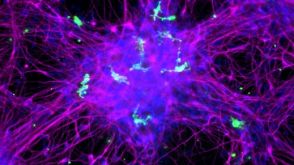 实验方案How to Co-Culture Human Pluripotent Stem Cell (hPSC)-Derived Forebrain Neurons and Microglia
 沪公网安备31010102008431号