

 EasySep™小鼠TIL(CD45)正选试剂盒




搜索结果: 'easysep'
-

产品类型:
产品号#:
07801
19058
18060
18061
07861
07811
19058RF
100-1525
产品名:
EasySep™人单核细胞富集试剂盒(不去除CD16)
Lymphoprep™
Lymphoprep™
Lymphoprep™
Lymphoprep™
RoboSep™ 人单核细胞富集试剂盒(不去除CD16)含滤芯吸头
EasySep™人单核细胞富集试剂盒(不去除CD16)
-
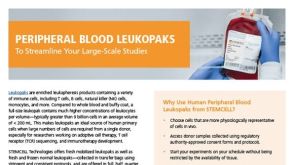
 技术窍门从小鼠健康组织和肿瘤中分离CD45+细胞
 -
-
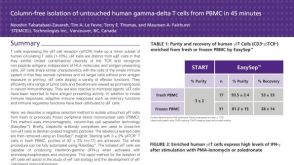 科学海报Immunomagnetic Cell Isolation of Human Gamma-Delta T Cells from PBMC
产品类型:
Conference:
ECI 2012
产品号#:
19255
19255RF
18000
产品名:
EasySep™人Gamma/Delta T细胞分选试剂盒
RoboSep™ 人Gamma/Delta T细胞分选试剂盒
EasySep™磁极
-
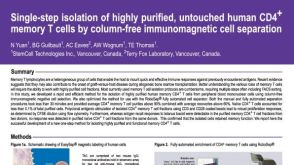 科学海报Cell Isolation of Human CD4+ Memory T Cells By Column-Free Immunomagnetic Cell Separation
产品类型:
Conference:
ECI 2006
产品号#:
19157
19157RF
21000
20155
20119
18000
产品名:
EasySep™人记忆CD4+ T细胞富集试剂盒
RoboSep™ 人记忆CD4 T细胞富集试剂盒含滤芯吸头
RoboSep™- S
RoboSep™分选管套装(9个塑料管)
RoboSep™ 吸头组件抛光剂
EasySep™磁极
-
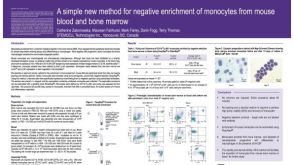 科学海报Method for Negative Enrichment of Monocytes from Mouse Blood and Bone Marrow
产品类型:
Conference:
AAI 2009
产品号#:
21000
20155
20119
19761
19761RF
产品名:
RoboSep™- S
RoboSep™分选管套装(9个塑料管)
RoboSep™ 吸头组件抛光剂
-
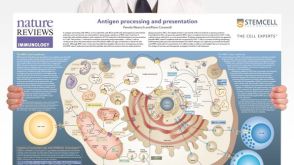 挂图Antigen Processing and Presentation Overview of the mechanisms by which antigens are processed and presented to T cells
 -
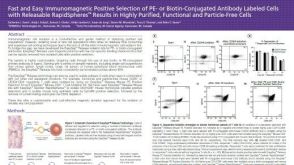 科学海报Positive Selection of PE- or Biotin-Conjugated Antibody Labeled Cells with Releasable Rapidspheres™
产品类型:
Conference:
AAI 2017
产品号#:
17654
17656
17655
17653
产品名:
EasySep™ Release人PE正选试剂盒
EasySep™ Release小鼠PE正选试剂盒
EasySep™ Release小鼠Biotin正选试剂盒
EasySep™ Release人Biotin正选试剂盒
-
产品类型:
产品号#:
17952
17952RF
100-0696
产品名:
EasySep™人CD4+ T细胞分选试剂盒
RoboSep™ 人CD4+ T细胞分选试剂盒
EasySep™人CD4+ T细胞分离试剂盒
-
产品类型:
产品号#:
18085
18085RF
18058
18058RF
15025
15065
产品名:
RosetteSep™人NK细胞富集抗体混合物
RosetteSep™人NK细胞富集抗体混合物



 沪公网安备31010102008431号