Joulia R et al. (JAN 2015)
Nature communications 6 6174
Mast cells form antibody-dependent degranulatory synapse for dedicated secretion and defence.
Mast cells are tissue-resident immune cells that play a key role in inflammation and allergy. Here we show that interaction of mast cells with antibody-targeted cells induces the polarized exocytosis of their granules resulting in a sustained exposure of effector enzymes,such as tryptase and chymase,at the cell-cell contact site. This previously unidentified mast cell effector mechanism,which we name the antibody-dependent degranulatory synapse (ADDS),is triggered by both IgE- and IgG-targeted cells. ADDSs take place within an area of cortical actin cytoskeleton clearance in the absence of microtubule organizing centre and Golgi apparatus repositioning towards the stimulating cell. Remarkably,IgG-mediated degranulatory synapses also occur upon contact with opsonized Toxoplasma gondii tachyzoites resulting in tryptase-dependent parasite death. Our results broaden current views of mast cell degranulation by revealing that human mast cells form degranulatory synapses with antibody-targeted cells and pathogens for dedicated secretion and defence.
View Publication
产品类型:
产品号#:
09600
09650
18056
18056RF
60012
60012FI
60012FI.1
100-1574
产品名:
StemSpan™ SFEM
StemSpan™ SFEM
抗人CD32抗体,克隆IV.3
抗人CD32抗体,clone IV.3,FITC
抗人CD32抗体,克隆IV.3,FITC
Hamot G et al. (JUN 2015)
Biopreservation and biobanking 13 3 152--63
Method validation for automated isolation of viable peripheral blood mononuclear cells.
BACKGROUND This article is part of a series of publications providing formal method validation for biospecimen processing in the context of accreditation in laboratories and biobanks. We report the optimization and validation for fitness-for-purpose of automated and manual protocols for isolating peripheral blood mononuclear cells (PBMCs) from whole blood,and compare the two methods. METHODS The manual method was optimized for whole blood centrifugation speed,gradient type (Ficoll,Leucosep,CPT),and freezing method (Mr Frosty,Controlled Rate Freezing). Various parameters of the automated protocol using a CPT gradient on a Tecan liquid handler were optimized. Optimal protocols were validated in parallel for reproducibility and robustness. Optimization and validation were assessed in terms of cell yield,viability,recovery,white blood cell (WBC) subpopulation distribution,gene expression,and lymphoblastoid cell line (LCL) transformation. RESULTS An initial centrifugation of whole blood at 2000 g was considered optimal for further processing,allowing isolation of plasma and PBMCs from a single sample. The three gradients gave similar outcomes in terms of cell yield,viability,and WBC subpopulation distribution. Ficoll showed some advantages and was selected for further evaluations. Optimization of the automated protocol script using a CPT gradient gave 61% cell recovery. No significant differences in quality,quantity,and WBC subpopulation distribution were seen between the two freezing methods,and Mr. Frosty was selected. The manual and automated protocols were reproducible in terms of quantity,recovery,viability,WBC subpopulation distribution,gene expression,and LCL transformation. Most (75%-100%) of the 13 robustness parameters were accepted for both methods with an 8 h pre-centrifugation delay versus 38%-85% after 24 h. Differences identified between the automated and manual methods were not considered consequential. CONCLUSIONS We validated the first fully automated method for isolating viable PBMCs,including RNA analysis and generation of LCLs. We recommend processing within 8 h of blood collection.
View Publication
产品类型:
产品号#:
07930
07931
07940
07955
07956
07959
07954
100-1061
07952
产品名:
CryoStor® CS10
CryoStor® CS10
CryoStor® CS10
CryoStor® CS10
CryoStor® CS10
CryoStor® CS10
CryoStor® CS10
Uchida N et al. (JUN 2004)
Blood 103 12 4487--95
ABC transporter activities of murine hematopoietic stem cells vary according to their developmental and activation status.
Primitive hematopoietic cells from several species are known to efflux both Hoechst 33342 and Rhodamine-123. We now show that murine hematopoietic stem cells (HSCs) defined by long-term multilineage repopulation assays efflux both dyes variably according to their developmental or activation status. In day 14.5 murine fetal liver,very few HSCs efflux Hoechst 33342 efficiently,and they are thus not detected as side population" (SP) cells. HSCs in mouse fetal liver also fail to efflux Rhodamine-123. Both of these features are retained by most of the HSCs present until 4 weeks after birth but are reversed by 8 weeks of age or after a new HSC population is regenerated in adult mice that receive transplants with murine fetal liver cells. Activation of adult HSCs in vivo following 5-fluorouracil treatment�
View Publication
产品类型:
产品号#:
18756
18756RF
产品名:
EasySep™小鼠SCA1正选试剂盒
RoboSep™ 小鼠SCA1正选试剂盒含滤芯吸头
Liu J et al. (NOV 2015)
Nature Protocols 10 11 1842--59
Efficient delivery of nuclease proteins for genome editing in human stem cells and primary cells.
Targeted nucleases,including zinc-finger nucleases (ZFNs),transcription activator-like (TAL) effector nucleases (TALENs) and clustered regularly interspaced short palindromic repeat (CRISPR)/CRISPR-associated protein 9 (Cas9),have provided researchers with the ability to manipulate nearly any genomic sequence in human cells and model organisms. However,realizing the full potential of these genome-modifying technologies requires their safe and efficient delivery into relevant cell types. Unlike methods that rely on expression from nucleic acids,the direct delivery of nuclease proteins to cells provides rapid action and fast turnover,leading to fewer off-target effects while maintaining high rates of targeted modification. These features make nuclease protein delivery particularly well suited for precision genome engineering. Here we describe procedures for implementing protein-based genome editing in human embryonic stem cells and primary cells. Protocols for the expression,purification and delivery of ZFN proteins,which are intrinsically cell-permeable; TALEN proteins,which can be internalized via conjugation with cell-penetrating peptide moieties; and Cas9 ribonucleoprotein,whose nucleofection into cells facilitates rapid induction of multiplexed modifications,are described,along with procedures for evaluating nuclease protein activity. Once they are constructed,nuclease proteins can be expressed and purified within 6 d,and they can be used to induce genomic modifications in human cells within 2 d.
View Publication
产品类型:
产品号#:
05850
05857
05870
05875
07920
17952
17952RF
19052
19052RF
18000
15470
15450
15420
15460
15425
15465
15430
15415
85850
85857
85870
85875
100-0696
07922
产品名:
ACCUTASE™
EasySep™人CD4+ T细胞分选试剂盒
RoboSep™ 人CD4+ T细胞分选试剂盒
EasySep™人CD4+ T细胞富集试剂盒
RoboSep™ 人CD4+ T细胞富集试剂盒含滤芯吸头
EasySep™磁极
mTeSR™1
mTeSR™1
EasySep™人CD4+ T细胞分离试剂盒
ACCUTASE™
Garg TK et al. (SEP 2012)
Haematologica 97 9 1348--56
Highly activated and expanded natural killer cells for multiple myeloma immunotherapy.
BACKGROUND Patients with gene expression profiling-defined high-risk myeloma in relapse have poor outcomes with current therapies. We tested whether natural killer cells expanded by co-culture with K562 cells transfected with 41BBL and membrane-bound interleukin-15 could kill myeloma cells with a high-risk gene expression profile in vitro and in a unique model which recapitulates human myeloma. DESIGN AND METHODS OPM2 and high-risk primary myeloma tumors were grown in human fetal bone implanted into non-obese diabetic severe combined immunodeficiency mice with a deficient interleukin-2 receptor gamma chain. These mice are devoid of endogenous natural killer and T-cell activity and were used to determine whether adoptively transferred expanded natural killer cells could inhibit myeloma growth and myeloma-associated bone destruction. RESULTS Natural killer cells from healthy donors and myeloma patients expanded a median of 804- and 351-fold,respectively,without significant T-cell expansion. Expanded natural killer cells killed both allogeneic and autologous primary myeloma cells avidly via a perforin-mediated mechanism in which the activating receptor NKG2D,natural cytotoxicity receptors,and DNAX-accessory molecule-1 played a central role. Adoptive transfer of expanded natural killer cells inhibited the growth of established OPM2 and high-risk primary myeloma tumors grown in the murine model. The transferred,expanded natural killer cells proliferated in vivo in an interleukin-2 dose-dependent fashion,persisted up to 4 weeks,were readily detectable in the human bone,inhibited myeloma growth and protected bone from myeloma-induced osteolysis. CONCLUSIONS These studies provide the rationale for testing expanded natural killer cells in humans.
View Publication
产品类型:
产品号#:
19055
19055RF
产品名:
EasySep™人NK细胞富集试剂盒
RoboSep™ 人NK细胞富集试剂盒含滤芯吸头
A. Lopresti et al. (jun 2019)
JCI insight 5
Sensitive and easy screening for circulating tumor cells by flow cytometry.
Circulating Tumor Cells (CTCs) represent an easy,repeatable and representative access to information regarding solid tumors. However,their detection remains difficult because of their paucity,their short half-life,and the lack of reliable surface biomarkers. Flow cytometry (FC) is a fast,sensitive and affordable technique,ideal for rare cells detection. Adapted to CTCs detection (i.e. extremely rare cells),most FC-based techniques require a time-consuming pre-enrichment step,followed by a 2-hours staining procedure,impeding on the efficiency of CTCs detection. We overcame these caveats and reduced the procedure to less than one hour,with minimal manipulation. First,cells were simultaneously fixed,permeabilized,then stained. Second,using low-speed FC acquisition conditions and two discriminators (cell size and pan-cytokeratin expression),we suppressed the pre-enrichment step. Applied to blood from donors with or without known malignant diseases,this protocol ensures a high recovery of the cells of interest independently of their epithelial-mesenchymal plasticity and can predict which samples are derived from cancer donors. This proof-of-concept study lays the bases of a sensitive tool to detect CTCs from a small amount of blood upstream of in-depth analyses.
View Publication
Tyznik AJ et al. ( 2014)
The Journal of Immunology 192 8 3676--85
Distinct requirements for activation of NKT and NK cells during viral infection
NK cells are key regulators of innate defense against mouse CMV (MCMV). Like NK cells,NKT cells also produce high levels of IFN-γ rapidly after MCMV infection. However,whether similar mechanisms govern activation of these two cell types,as well as the significance of NKT cells for host resistance,remain unknown. In this article,we show that,although both NKT and NK cells are activated via cytokines,their particular cytokine requirements differ significantly in vitro and in vivo. IL-12 is required for NKT cell activation in vitro but is not sufficient,whereas NK cells have the capacity to be activated more promiscuously in response to individual cytokines from innate cells. In line with these results,GM-CSF-derived dendritic cells activated only NK cells upon MCMV infection,consistent with their virtual lack of IL-12 production,whereas Flt3 ligand-derived dendritic cells produced IL-12 and activated both NK and NKT cells. In vivo,NKT cell activation was abolished in IL-12(-/-) mice infected with MCMV,whereas NK cells were still activated. In turn,splenic NK cell activation was more IL-18 dependent. The differential requirements for IL-12 and IL-18 correlated with the levels of cytokine receptor expression by NK and NKT cells. Finally,mice lacking NKT cells showed reduced control of MCMV,and depleting NK cells further enhanced viral replication. Taken together,our results show that NKT and NK cells have differing requirements for cytokine-mediated activation,and both can contribute nonredundantly to MCMV defense,revealing that these two innate lymphocyte subsets function together to fine-tune antiviral responses.
View Publication
产品类型:
产品号#:
21000
20119
20155
18554
18554RF
18564
18564RF
产品名:
RoboSep™- S
RoboSep™ 吸头组件抛光剂
RoboSep™分选管套装(9个塑料管)
C. Onyilagha et al. (jun 2019)
Journal of immunology (Baltimore,Md. : 1950)
NK Cells Are Critical for Optimal Immunity to Experimental Trypanosoma congolense Infection.
NK cells are key innate immune cells that play critical roles in host defense. Although NK cells have been shown to regulate immunity to some infectious diseases,their role in immunity to Trypanosoma congolense has not been investigated. NK cells are vital sources of IFN-gamma and TNF-alpha; two key cytokines that are known to play important roles in resistance to African trypanosomes. In this article,we show that infection with T. congolense leads to increased levels of activated and functional NK cells in multiple tissue compartments. Systemic depletion of NK cells with anti-NK1.1 mAb led to increased parasitemia,which was accompanied by significant reduction in IFN-gamma production by immune cells in the spleens and liver of infected mice. Strikingly,infected NFIL3-/- mice (which genetically lack NK cell development and function) on the normally resistant background were highly susceptible to T. congolense infection. These mice developed fulminating and uncontrolled parasitemia and died significantly earlier (13 ± 1 d) than their wild-type control mice (106 ± 26 d). The enhanced susceptibility of NFIL3-/- mice to infection was accompanied by significantly impaired cytokine (IFN-gamma and TNF-alpha) response by CD3+ T cells in the spleens and liver. Adoptive transfer of NK cells into NFIL3-/- mice before infection rescued them from acute death in a perforin-dependent manner. Collectively,these studies show that NK cells are critical for optimal resistance to T. congolense,and its deficiency leads to enhanced susceptibility in infected mice.
View Publication


 EasySep™小鼠TIL(CD45)正选试剂盒




 技术公告StemSpan™ Medium and Supplements for the Generation of T Cells from Cord Blood-Derived CD34+ Cells
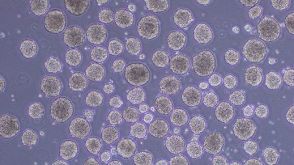 实验方案How to Differentiate hPSCs to Lymphoid-Competent CD34+ Hematopoietic Stem and/or Progenitor Cells Using a Scalable Suspension Protocol
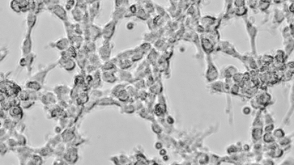 实验方案How to Co-Culture Human Airway Epithelial and Immune Cells for RSV Infection

 沪公网安备31010102008431号