Globin switches in yolk sac-like primitive and fetal-like definitive red blood cells produced from human embryonic stem cells.
We have previously shown that coculture of human embryonic stem cells (hESCs) for 14 days with immortalized fetal hepatocytes yields CD34(+) cells that can be expanded in serum-free liquid culture into large numbers of megaloblastic nucleated erythroblasts resembling yolk sac-derived cells. We show here that these primitive erythroblasts undergo a switch in hemoglobin (Hb) composition during late terminal erythroid maturation with the basophilic erythroblasts expressing predominantly Hb Gower I (zeta(2)epsilon(2)) and the orthochromatic erythroblasts hemoglobin Gower II (alpha(2)epsilon(2)). This suggests that the switch from Hb Gower I to Hb Gower II,the first hemoglobin switch in humans is a maturation switch not a lineage switch. We also show that extending the coculture of the hESCs with immortalized fetal hepatocytes to 35 days yields CD34(+) cells that differentiate into more developmentally mature,fetal liver-like erythroblasts,that are smaller,express mostly fetal hemoglobin,and can enucleate. We conclude that hESC-derived erythropoiesis closely mimics early human development because the first 2 human hemoglobin switches are recapitulated,and because yolk sac-like and fetal liver-like cells are sequentially produced. Development of a method that yields erythroid cells with an adult phenotype remains necessary,because the most mature cells that can be produced with current systems express less than 2% adult beta-globin mRNA.
View Publication
产品类型:
产品号#:
09600
09650
18056
18056RF
产品名:
StemSpan™ SFEM
StemSpan™ SFEM
Ko J-Y et al. (AUG 2014)
Stem cells and development 23 15 1788--1797
Osteogenesis from human induced pluripotent stem cells: an in vitro and in vivo comparison with mesenchymal stem cells.
The purpose of this study was to examine the in vitro and in vivo osteogenic potential of human induced pluripotent stem cells (hiPSCs) against that of human bone marrow mesenchymal stem cells (hBMMSCs). Embryoid bodies (EBs),which were formed from undifferentiated hiPSCs,were dissociated into single cells and underwent osteogenic differentiation using the same medium as hBMMSCs for 14 days. Osteoinduced hiPSCs were implanted on the critical-size calvarial defects and long bone segmental defects in rats. The healing of defects was evaluated after 8 weeks and 12 weeks of implantation,respectively. Osteoinduced hiPSCs showed relatively lower and delayed in vitro expressions of the osteogenic marker COL1A1 and bone sialoprotein,as well as a weaker osteogenic differentiation through alkaline phosphatase staining and mineralization through Alizarin red staining compared with hBMMSCs. Calvarial defects treated with osteoinduced hiPSCs had comparable quality of new bone formation,including full restoration of bone width and robust formation of trabeculae,to those treated with hBMMSCs. Both osteoinduced hiPSCs and hBMMSCs persisted in regenerated bone after 8 weeks of implantation. In critical-size long bone segmental defects,osteoinduced hiPSC treatment also led to healing of segmental defects comparable to osteoinduced hBMMSC treatment after 12 weeks. In conclusion,despite delayed in vitro osteogenesis,hiPSCs have an in vivo osteogenic potential as good as hBMMSCs.
View Publication
产品类型:
产品号#:
05850
05857
05870
05875
85850
85857
85870
85875
产品名:
mTeSR™1
mTeSR™1
Rezania A et al. (NOV 2013)
STEM CELLS 31 11 2432--2442
Enrichment of human embryonic stem cell-derived NKX6.1-expressing pancreatic progenitor cells accelerates the maturation of insulin-secreting cells in vivo
Human embryonic stem cells (hESCs) are considered a potential alternative to cadaveric islets as a source of transplantable cells for treating patients with diabetes. We previously described a differentiation protocol to generate pancreatic progenitor cells from hESCs,composed of mainly pancreatic endoderm (PDX1/NKX6.1-positive),endocrine precursors (NKX2.2/synaptophysin-positive,hormone/NKX6.1-negative),and polyhormonal cells (insulin/glucagon-positive,NKX6.1-negative). However,the relative contributions of NKX6.1-negative versus NKX6.1-positive cell fractions to the maturation of functional β-cells remained unclear. To address this question,we generated two distinct pancreatic progenitor cell populations using modified differentiation protocols. Prior to transplant,both populations contained a high proportion of PDX1-expressing cells (˜85%-90%) but were distinguished by their relatively high (˜80%) or low (˜25%) expression of NKX6.1. NKX6.1-high and NKX6.1-low progenitor populations were transplanted subcutaneously within macroencapsulation devices into diabetic mice. Mice transplanted with NKX6.1-low cells remained hyperglycemic throughout the 5-month post-transplant period whereas diabetes was reversed in NKX6.1-high recipients within 3 months. Fasting human C-peptide levels were similar between groups throughout the study,but only NKX6.1-high grafts displayed robust meal-,glucose- and arginine-responsive insulin secretion as early as 3 months post-transplant. NKX6.1-low recipients displayed elevated fasting glucagon levels. Theracyte devices from both groups contained almost exclusively pancreatic endocrine tissue,but NKX6.1-high grafts contained a greater proportion of insulin-positive and somatostatin-positive cells,whereas NKX6.1-low grafts contained mainly glucagon-expressing cells. Insulin-positive cells in NKX6.1-high,but not NKX6.1-low grafts expressed nuclear MAFA. Collectively,this study demonstrates that a pancreatic endoderm-enriched population can mature into highly functional β-cells with only a minor contribution from the endocrine subpopulation.
View Publication
Poon E et al. (JUN 2015)
Circulation. Cardiovascular genetics 8 3 427--436
Proteomic Analysis of Human Pluripotent Stem Cell-Derived, Fetal, and Adult Ventricular Cardiomyocytes Reveals Pathways Crucial for Cardiac Metabolism and Maturation
BACKGROUND Differentiation of pluripotent human embryonic stem cells (hESCs) to the cardiac lineage represents a potentially unlimited source of ventricular cardiomyocytes (VCMs),but hESC-VCMs are developmentally immature. Previous attempts to profile hESC-VCMs primarily relied on transcriptomic approaches,but the global proteome has not been examined. Furthermore,most hESC-CM studies focus on pathways important for cardiac differentiation,rather than regulatory mechanisms for CM maturation. We hypothesized that gene products and pathways crucial for maturation can be identified by comparing the proteomes of hESCs,hESC-derived VCMs,human fetal and human adult ventricular and atrial CMs. METHODS AND RESULTS Using two-dimensional-differential-in-gel electrophoresis,121 differentially expressed (textgreater1.5-fold; Ptextless0.05) proteins were detected. The data set implicated a role of the peroxisome proliferator-activated receptor $\$ in cardiac maturation. Consistently,WY-14643,a peroxisome proliferator-activated receptor $\$,increased fatty oxidative enzyme level,hyperpolarized mitochondrial membrane potential and induced a more organized morphology. Along this line,treatment with the thyroid hormone triiodothyronine increased the dynamic tension developed in engineered human ventricular cardiac microtissue by 3-fold,signifying their maturation. CONCLUSIONS We conclude that the peroxisome proliferator-activated receptor $\$ thyroid hormone pathways modulate the metabolism and maturation of hESC-VCMs and their engineered tissue constructs. These results may lead to mechanism-based methods for deriving mature chamber-specific CMs.
View Publication
产品类型:
产品号#:
05850
05857
05870
05875
85850
85857
85870
85875
产品名:
mTeSR™1
mTeSR™1
Ouchi T et al. (MAY 2015)
Differentiation
LNGFR+THY-1+ human pluripotent stem cell-derived neural crest-like cells have the potential to develop into mesenchymal stem cells
Mesenchymal stem cells (MSCs) are defined as non-hematopoietic,plastic-adherent,self-renewing cells that are capable of tri-lineage differentiation into bone,cartilage or fat in vitro. Thus,MSCs are promising candidates for cell-based medicine. However,classifications of MSCs have been defined retrospectively; moreover,this conventional criterion may be inaccurate due to contamination with other hematopoietic lineage cells. Human MSCs can be enriched by selection for LNGFR and THY-1,and this population may be analogous to murine PDGFR??+Sca-1+ cells,which are developmentally derived from neural crest cells (NCCs). Murine NCCs were labeled by fluorescence,which provided definitive proof of neural crest lineage,however,technical considerations prevent the use of a similar approach to determine the origin of human LNGFR+THY-1+ MSCs. To further clarify the origin of human MSCs,human embryonic stem cells (ESCs) and human induced pluripotent stem cells (iPSCs) were used in this study. Under culture conditions required for the induction of neural crest cells,human ESCs and iPSCs-derived cells highly expressed LNGFR and THY-1. These LNGFR+THY-1+ neural crest-like cells,designated as LT-NCLCs,showed a strong potential to differentiate into both mesenchymal and neural crest lineages. LT-NCLCs proliferated to form colonies and actively migrated in response to serum concentration. Furthermore,we transplanted LT-NCLCs into chick embryos,and traced their potential for survival,migration and differentiation in the host environment. These results suggest that LNGFR+THY-1+ cells identified following NCLC induction from ESCs/iPSCs shared similar potentials with multipotent MSCs.
View Publication
产品类型:
产品号#:
05850
05857
05870
05875
85850
85857
85870
85875
产品名:
mTeSR™1
mTeSR™1
Kandasamy M et al. (MAR 2017)
Cell and Tissue Research 368 3 531--549
Glycoconjugates reveal diversity of human neural stem cells (hNSCs) derived from human induced pluripotent stem cells (hiPSCs)
Neural stem cells (NSCs) have the ability to self-renew and to differentiate into various cell types of the central nervous system. This potential can be recapitulated by human induced pluripotent stem cells (hiPSCs) in vitro. The differentiation capacity of hiPSCs is characterized by several stages with distinct morphologies and the expression of various marker molecules. We used the monoclonal antibodies (mAbs) 487(LeX),5750(LeX) and 473HD to analyze the expression pattern of particular carbohydrate motifs as potential markers at six differentiation stages of hiPSCs. Mouse ESCs were used as a comparison. At the pluripotent stage,487(LeX)-,5750(LeX)- and 473HD-related glycans were differently expressed. Later,cells of the three germ layers in embryoid bodies (hEBs) and,even after neuralization of hEBs,subpopulations of cells were labeled with these surface antibodies. At the human rosette-stage of NSCs (hR-NSC),LeX- and 473HD-related epitopes showed antibody-specific expression patterns. We also found evidence that these surface antibodies could be used to distinguish the hR-NSCs from the hSR-NSCs stages. Characterization of hNSCs(FGF-2/EGF) derived from hSR-NSCs revealed that both LeX antibodies and the 473HD antibody labeled subpopulations of hNSCs(FGF-2/EGF). Finally,we identified potential LeX carrier molecules that were spatiotemporally regulated in early and late stages of differentiation. Our study provides new insights into the regulation of glycoconjugates during early human stem cell development. The mAbs 487(LeX),5750(LeX) and 473HD are promising tools for identifying distinct stages during neural differentiation.
View Publication
产品类型:
产品号#:
05832
05850
05857
05870
05875
85850
85857
85870
85875
产品名:
STEMdiff™ 神经花环选择试剂
mTeSR™1
mTeSR™1
Xi J et al. (JAN 2010)
PLoS ONE 5 12 e14457
Human fetal liver stromal cells that overexpress bFGF support growth and maintenance of human embryonic stem cells
In guiding hES cell technology toward the clinic,one key issue to be addressed is to culture and maintain hES cells much more safely and economically in large scale. In order to avoid using mouse embryonic fibroblasts (MEFs) we isolated human fetal liver stromal cells (hFLSCs) from 14 weeks human fetal liver as new human feeder cells. hFLSCs feeders could maintain hES cells for 15 passages (about 100 days). Basic fibroblast growth factor (bFGF) is known to play an important role in promoting self-renewal of human embryonic stem (hES) cells. So,we established transgenic hFLSCs that stably express bFGF by lentiviral vectors. These transgenic human feeder cells--bFGF-hFLSCs maintained the properties of H9 hES cells without supplementing with any exogenous growth factors. H9 hES cells culturing under these conditions maintained all hES cell features after prolonged culture,including the developmental potential to differentiate into representative tissues of all three embryonic germ layers,unlimited and undifferentiated proliferative ability,and maintenance of normal karyotype. Our results demonstrated that bFGF-hFLSCs feeder cells were central to establishing the signaling network among bFGF,insulin-like growth factor 2 (IGF-2),and transforming growth factor β (TGF-β),thereby providing the framework in which hES cells were instructed to self-renew or to differentiate. We also found that the conditioned medium of bFGF-hFLSCs could maintain the H9 hES cells under feeder-free conditions without supplementing with bFGF. Taken together,bFGF-hFLSCs had great potential as feeders for maintaining pluripotent hES cell lines more safely and economically.
View Publication
产品类型:
产品号#:
05850
05857
05870
05875
85850
85857
85870
85875
产品名:
mTeSR™1
mTeSR™1
Hu K et al. (APR 2011)
Blood 117 14 e109--19
Efficient generation of transgene-free induced pluripotent stem cells from normal and neoplastic bone marrow and cord blood mononuclear cells.
Reprogramming blood cells to induced pluripotent stem cells (iPSCs) provides a novel tool for modeling blood diseases in vitro. However,the well-known limitations of current reprogramming technologies include low efficiency,slow kinetics,and transgene integration and residual expression. In the present study,we have demonstrated that iPSCs free of transgene and vector sequences could be generated from human BM and CB mononuclear cells using non-integrating episomal vectors. The reprogramming described here is up to 100 times more efficient,occurs 1-3 weeks faster compared with the reprogramming of fibroblasts,and does not require isolation of progenitors or multiple rounds of transfection. Blood-derived iPSC lines lacked rearrangements of IGH and TCR,indicating that their origin is non-B- or non-T-lymphoid cells. When cocultured on OP9,blood-derived iPSCs could be differentiated back to the blood cells,albeit with lower efficiency compared to fibroblast-derived iPSCs. We also generated transgene-free iPSCs from the BM of a patient with chronic myeloid leukemia (CML). CML iPSCs showed a unique complex chromosomal translocation identified in marrow sample while displaying typical embryonic stem cell phenotype and pluripotent differentiation potential. This approach provides an opportunity to explore banked normal and diseased CB and BM samples without the limitations associated with virus-based methods.
View Publication
产品类型:
产品号#:
09600
09650
72252
72254
100-0247
产品名:
StemSpan™ SFEM
StemSpan™ SFEM
Thiazovivin
Thiazovivin
Thiazovivin
Palmer DJ et al. ( 2016)
Molecular therapy. Nucleic acids 5 e372
Homology Requirements for Efficient, Footprintless Gene Editing at the CFTR Locus in Human iPSCs with Helper-dependent Adenoviral Vectors.
Helper-dependent adenoviral vectors mediate high efficiency gene editing in induced pluripotent stem cells without needing a designer nuclease thereby avoiding off-target cleavage. Because of their large cloning capacity of 37 kb,helper-dependent adenoviral vectors with long homology arms are used for gene editing. However,this makes vector construction and recombinant analysis difficult. Conversely,insufficient homology may compromise targeting efficiency. Thus,we investigated the effect of homology length on helper-dependent adenoviral vector targeting efficiency at the cystic fibrosis transmembrane conductance regulator locus in induced pluripotent stem cells and found a positive correlation. With 23.8 and 21.4 kb of homology,the frequencies of targeted recombinants were 50-64.6% after positive selection for vector integration,and 97.4-100% after negative selection against random integrations. With 14.8 kb,the frequencies were 26.9-57.1% after positive selection and 87.5-100% after negative selection. With 9.6 kb,the frequencies were 21.4 and 75% after positive and negative selection,respectively. With only 5.6 kb,the frequencies were 5.6-16.7% after positive selection and 50% after negative selection,but these were more than high enough for efficient identification and isolation of targeted clones. Furthermore,we demonstrate helper-dependent adenoviral vector-mediated footprintless correction of cystic fibrosis transmembrane conductance regulator mutations through piggyBac excision of the selectable marker. However,low frequencies (≤ 1 × 10(-3)) necessitated negative selection for piggyBac-excision product isolation.
View Publication


 EasySep™小鼠TIL(CD45)正选试剂盒





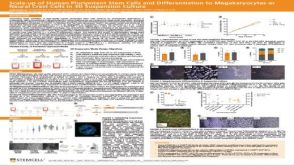 科学海报Scale-up of Human Pluripotent Stem Cells and Differentiation to Megakaryocytes or Neural Crest Cells in 3D Suspension Culture

 沪公网安备31010102008431号