Dumitriu B et al. (AUG 2006)
Blood 108 4 1198--207
Sox6 cell-autonomously stimulates erythroid cell survival, proliferation, and terminal maturation and is thereby an important enhancer of definitive erythropoiesis during mouse development.
Erythropoiesis,the essential process of hematopoietic stem cell development into erythrocytes,is controlled by lineage-specific transcription factors that determine cell fate and differentiation and by the hormone erythropoietin that stimulates cell survival and proliferation. Here we identify the Sry-related high-mobility-group (HMG) box transcription factor Sox6 as an important enhancer of definitive erythropoiesis. Sox6 is highly expressed in proerythroblasts and erythroblasts in the fetal liver,neonatal spleen,and bone marrow. Mouse fetuses and pups lacking Sox6 develop erythroid cells slowly and feature misshapen,short-lived erythrocytes. They compensate for anemia by elevating the serum level of erythropoietin and progressively enlarging their erythropoietic tissues. Erythroid-specific inactivation of Sox6 causes the same phenotype,demonstrating cell-autonomous roles for Sox6 in erythroid cells. Sox6 potentiates the ability of erythropoietin signaling to promote proerythroblast survival and has an effect additive to that of erythropoietin in stimulating proerythroblast and erythroblast proliferation. Sox6 also critically facilitates erythroblast and reticulocyte maturation,including hemoglobinization,cell condensation,and enucleation,and ensures erythrocyte cytoskeleton long-term stability. It does not control adult globin and erythrocyte cytoskeleton genes but acts by stabilizing filamentous actin (F-actin) levels. Sox6 thus enhances erythroid cell development at multiple levels and thereby ensures adequate production and quality of red blood cells.
View Publication
Hunihan L et al. (APR 2017)
Stem cell research 20 67--69
Generation of a clonal induced pluripotent stem cell (iPSC) line expressing the mutant MECP2 allele from a Rett Syndrome patient fibroblast line.
Human fibroblast cells collected from a 3-year old,female Rett Syndrome patient with a 32bp deletion in the X-linked MECP2 gene were obtained from the Coriell Institute. Fibroblasts were reprogrammed to iPSC cells using a Sendai-virus delivery system expressing human KOSM transcription factors. Cell-line pluripotency was demonstrated by gene expression,immunocytochemistry,in-vitro differentiation trilineage capacity and was of normal karyotype. Interestingly,subsequent clones retained the epigenetic memory of the parent fibroblasts allowing for the segregation of wild-type and mutant expressing clones. This MECP2 mutant expressing clone may serve as a model for investigating MECP2 reactivation in Rett's Syndrome.
View Publication
产品类型:
产品号#:
05850
05857
05870
05875
85850
85857
85870
85875
产品名:
mTeSR™1
mTeSR™1
Sundberg M et al. (AUG 2013)
Stem Cells 31 8 1548--1562
Improved cell therapy protocols for Parkinson's disease based on differentiation efficiency and safety of hESC-, hiPSC-, and non-human primate iPSC-derived dopaminergic neurons
The main motor symptoms of Parkinson's disease are due to the loss of dopaminergic (DA) neurons in the ventral midbrain (VM). For the future treatment of Parkinson's disease with cell transplantation it is important to develop efficient differentiation methods for production of human iPSCs and hESCs-derived midbrain-type DA neurons. Here we describe an efficient differentiation and sorting strategy for DA neurons from both human ES/iPS cells and non-human primate iPSCs. The use of non-human primate iPSCs for neuronal differentiation and autologous transplantation is important for preclinical evaluation of safety and efficacy of stem cell-derived DA neurons. The aim of this study was to improve the safety of human- and non-human primate iPSC (PiPSC)-derived DA neurons. According to our results,NCAM(+) /CD29(low) sorting enriched VM DA neurons from pluripotent stem cell-derived neural cell populations. NCAM(+) /CD29(low) DA neurons were positive for FOXA2/TH and EN1/TH and this cell population had increased expression levels of FOXA2,LMX1A,TH,GIRK2,PITX3,EN1,NURR1 mRNA compared to unsorted neural cell populations. PiPSC-derived NCAM(+) /CD29(low) DA neurons were able to restore motor function of 6-hydroxydopamine (6-OHDA) lesioned rats 16 weeks after transplantation. The transplanted sorted cells also integrated in the rodent brain tissue,with robust TH+/hNCAM+ neuritic innervation of the host striatum. One year after autologous transplantation,the primate iPSC-derived neural cells survived in the striatum of one primate without any immunosuppression. These neural cell grafts contained FOXA2/TH-positive neurons in the graft site. This is an important proof of concept for the feasibility and safety of iPSC-derived cell transplantation therapies in the future.
View Publication
产品类型:
产品号#:
05850
05857
05870
05875
85850
85857
85870
85875
产品名:
mTeSR™1
mTeSR™1
Fischbach NA et al. (FEB 2005)
Blood 105 4 1456--66
HOXB6 overexpression in murine bone marrow immortalizes a myelomonocytic precursor in vitro and causes hematopoietic stem cell expansion and acute myeloid leukemia in vivo.
The HOX family of homeobox genes plays an important role in normal and malignant hematopoiesis. Dysregulated HOX gene expression profoundly effects the proliferation and differentiation of hematopoietic stem cells (HSCs) and committed progenitors,and aberrant activation of HOX genes is a common event in human myeloid leukemia. HOXB6 is frequently overexpressed in human acute myeloid leukemia (AML). To gain further insight into the role of HOXB6 in hematopoiesis,we overexpressed HOXB6 in murine bone marrow using retrovirus-mediated gene transfer. We also explored structure-function relationships using mutant HOXB6 proteins unable to bind to DNA or a key HOX-binding partner,pre-B-cell leukemia transcription factor-1 (PBX1). Additionally,we investigated the potential cooperative interaction with myeloid ecotropic viral integration site 1 homolog (MEIS1). In vivo,HOXB6 expanded HSCs and myeloid precursors while inhibiting erythropoiesis and lymphopoiesis. Overexpression of HOXB6 resulted in AML with a median latency of 223 days. Coexpression of MEIS1 dramatically shortened the onset of AML. Cytogenetic analysis of a subset of HOXB6-induced AMLs revealed recurrent deletions of chromosome bands 2D-E4,a region frequently deleted in HOXA9-induced AMLs. In vitro,HOXB6 immortalized a factor-dependent myelomonocytic precursor capable of granulocytic and monocytic differentiation. These biologic effects of HOXB6 were largely dependent on DNA binding but independent of direct interaction with PBX1.
View Publication
产品类型:
产品号#:
03434
03444
28600
产品名:
MethoCult™ GF M3434
MethoCult™ GF M3434
L-Calc™有限稀释软件
Lam AT-L et al. (JUL 2014)
Stem cells and development 23 14 1688--1703
Cationic Surface Charge Combined with Either Vitronectin or Laminin Dictates the Evolution of Human Embryonic Stem Cells/Microcarrier Aggregates and Cell Growth in Agitated Cultures
The expansion of human pluripotent stem cells (hPSC) for biomedical applications generally compels a defined,reliable,and scalable platform. Bioreactors offer a three-dimensional culture environment that relies on the implementation of microcarriers (MC),as supports for cell anchorage and their subsequent growth. Polystyrene microspheres/MC coated with adhesion-promoting extracellular matrix (ECM) protein,vitronectin (VN),or laminin (LN) have been shown to support hPSC expansion in a static environment. However,they are insufficient to promote human embryonic stem cells (hESC) seeding and their expansion in an agitated environment. The present study describes an innovative technology,consisting of a cationic charge that underlies the ECM coatings. By combining poly-L-lysine (PLL) with a coating of ECM protein,cell attachment efficiency and cell spreading are improved,thus enabling seeding under agitation in a serum-free medium. This coating combination also critically enables the subsequent formation and evolution of hPSC/MC aggregates,which ensure cell viability and generate high yields. Aggregate dimensions of at least 300 $\$ during early cell growth give rise to ≈15-fold expansion at 7 days' culture. Increasing aggregate numbers at a quasi-constant size of ≈300 $\$ indicates hESC growth within a self-regulating microenvironment. PLL+LN enables cell seeding and aggregate evolution under constant agitation,whereas PLL+VN requires an intermediate 2-day static pause to attain comparable aggregate sizes and correspondingly high expansion yields. The cells' highly reproducible bioresponse to these defined and characterized MC surface properties is universal across multiple cell lines,thus confirming the robustness of this scalable expansion process in a defined environment.
View Publication
产品类型:
产品号#:
05850
05857
05870
05875
85850
85857
85870
85875
产品名:
mTeSR™1
mTeSR™1
Kwok CTD et al. (MAR 2016)
Stem Cell Research 16 3 651--661
The Forkhead box transcription factor FOXM1 is required for the maintenance of cell proliferation and protection against oxidative stress in human embryonic stem cells
Human embryonic stem cells (hESCs) exhibit unique cell cycle structure,self-renewal and pluripotency. The Forkhead box transcription factor M1 (FOXM1) is critically required for the maintenance of pluripotency in mouse embryonic stem cells and mouse embryonal carcinoma cells,but its role in hESCs remains unclear. Here,we show that FOXM1 expression was enriched in undifferentiated hESCs and was regulated in a cell cycle-dependent manner with peak levels detected at the G2/M phase. Expression of FOXM1 did not correlate with OCT4 and NANOG during in vitro differentiation of hESCs. Importantly,knockdown of FOXM1 expression led to aberrant cell cycle distribution with impairment in mitotic progression but showed no profound effect on the undifferentiated state. Interestingly,FOXM1 depletion sensitized hESCs to oxidative stress. Moreover,genome-wide analysis of FOXM1 targets by ChIP-seq identified genes important for M phase including CCNB1 and CDK1,which were subsequently confirmed by ChIP and RNA interference analyses. Further peak set comparison against a differentiating hESC line and a cancer cell line revealed a substantial difference in the genomic binding profile of FOXM1 in hESCs. Taken together,our findings provide the first evidence to support FOXM1 as an important regulator of cell cycle progression and defense against oxidative stress in hESCs.
View Publication
产品类型:
产品号#:
05110
05850
05857
05870
05875
85850
85857
85870
85875
产品名:
STEMdiff™定型内胚层检测试剂盒
mTeSR™1
mTeSR™1
Ma D et al. (JAN 2017)
Stem cell research 18 45--47
Reprogramming of a human induced pluripotent stem cell (iPSC) line from a Parkinson's disease patient with a R1628P variant in the LRRK2 gene.
Peripheral blood mononuclear cells (PBMCs) were collected from a clinically diagnosed 59-year old male Parkinson's disease (PD) patient with R1628P variant in the LRRK2 gene. The PMBCs were reprogrammed with the human OSKM transcription factors using the Sendai-virus reprogramming system. The transgene-free iPSC showed pluripotency confirmed by immunofluorescent staining for pluripotency markers and differentiated into the 3 germ layers in vivo. The iPSC line also showed normal karyotype. This cellular model will provide a good resource for further pathophysiological studies of PD.
View Publication
产品类型:
产品号#:
05850
05857
05870
05875
85850
85857
85870
85875
产品名:
mTeSR™1
mTeSR™1
Battula VL et al. (APR 2007)
Differentiation; research in biological diversity 75 4 279--91
Human placenta and bone marrow derived MSC cultured in serum-free, b-FGF-containing medium express cell surface frizzled-9 and SSEA-4 and give rise to multilineage differentiation.
Conventionally,mesenchymal stem cells (MSC) are generated by plating cells from bone marrow (BM) or other sources into culture flasks and selecting plastic-adherent cells with fibroblastoid morphology. These cells express CD9,CD10,CD13,CD73,CD105,CD166,and other markers but show only a weak or no expression of the embryonic markers stage-specific embryonic antigen-4 (SSEA-4),Oct-4 and nanog-3. Using a novel protocol we prepared MSC from BM and non-amniotic placenta (PL) by culture of Ficoll-selected cells in gelatin-coated flasks in the presence of a serum-free,basic fibroblast growth factor (b-FGF)-containing medium that was originally designed for the expansion of human embryonic stem cells (ESC). MSC generated in gelatin-coated flasks in the presence of ESC medium revealed a four-to fivefold higher proliferation rate than conventionally prepared MSC which were grown in uncoated flasks in serum-containing medium. In contrast,the colony forming unit fibroblast number was only 1.5- to twofold increased in PL-MSC and not affected in BM-MSC. PL-MSC grown in ESC medium showed an increased surface expression of SSEA-4 and frizzled-9 (FZD-9),an increased Oct-4 and nestin mRNA expression,and an induced expression of nanog-3. BM-MSC showed an induced expression of FZD-9,nanog-3,and Oct-4. In contrast to PL-MSC,only BM-MSC expressed the MSC-specific W8B2 antigen. When cultured under appropriate conditions,these MSC gave rise to functional adipocytes and osteoblast-like cells (mesoderm),glucagon and insulin expressing pancreatic-like cells (endoderm),as well as cells expressing the neuronal markers neuron-specific enolase,glutamic acid decarboxylase-67 (GAD),or class III beta-tubulin,and the astrocyte marker glial fibrillary acidic protein (ectoderm). In conclusion,using a novel protocol we demonstrate that adult BM-and neonatal PL-derived MSC can be induced to express high levels of FZD-9,Oct-4,nanog-3,and nestin and are able of multi-lineage differentiation.
View Publication
产品类型:
产品号#:
06902
06952
00321
00322
00323
00324
00325
产品名:
Lee Y-KK et al. (JAN 2016)
International journal of cardiology 203 964--971
Efficient attenuation of Friedreich's ataxia (FRDA) cardiomyopathy by modulation of iron homeostasis-human induced pluripotent stem cell (hiPSC) as a drug screening platform for FRDA.
BACKGROUND Friedreich's ataxia (FRDA),a recessive neurodegenerative disorder commonly associated with hypertrophic cardiomyopathy,is caused by silencing of the frataxin (FXN) gene encoding the mitochondrial protein involved in iron-sulfur cluster biosynthesis. METHODS Application of our previously established FRDA human induced pluripotent stem cell (hiPSC) derived cardiomyocytes model as a platform to assess the efficacy of treatment with either the antioxidant coenzyme Q10 analog,idebenone (IDE) or the iron chelator,deferiprone (DFP),which are both under clinical trial. RESULTS DFP was able to more significantly suppress synthesis of reactive oxygen species (ROS) than IDE at the dosages of 25 $\$ and 10nM respectively which agreed with the reduced rate of intracellular accumulation of iron by DFP treatment from 25 to 50 $\$ With regard to cardiac electrical-contraction (EC) coupling function,decay velocity of calcium handling kinetics in FRDA-hiPSC-cardiomyocytes was significantly improved by DFP treatment but not by IDE. Further mechanistic studies revealed that DFP also modulated iron induced mitochondrial stress as reflected by mitochondria network disorganization and decline level of respiratory chain protein,succinate dehydrogenase (CxII) and cytochrome c oxidase (COXIV). In addition,iron-response protein (IRP-1) regulatory loop was overridden by DFP as reflected by resumed level of ferritin (FTH) back to basal level and the attenuated transferrin receptor (TSFR) mRNA level suppression thereby reducing further iron uptake. CONCLUSIONS DFP modulated iron homeostasis in FRDA-hiPSC-cardiomyocytes and effectively relieved stress-stimulation related to cardiomyopathy. The resuming of redox condition led to the significantly improved cardiac prime events,cardiac electrical-coupling during contraction.
View Publication
产品类型:
产品号#:
05850
05857
05870
05875
85850
85857
85870
85875
产品名:
mTeSR™1
mTeSR™1
Tripp A et al. (NOV 2005)
Journal of virology 79 22 14069--78
Induction of cell cycle arrest by human T-cell lymphotropic virus type 1 Tax in hematopoietic progenitor (CD34+) cells: modulation of p21cip1/waf1 and p27kip1 expression.
Human T-cell lymphotropic virus type 1 (HTLV-1) is the etiologic agent of adult T-cell leukemia,an aggressive CD4(+) malignancy. Although HTLV-2 is highly homologous to HTLV-1,infection with HTLV-2 has not been associated with lymphoproliferative disorders. Lentivirus-mediated transduction of CD34(+) cells with HTLV-1 Tax (Tax1) induced G(0)/G(1) cell cycle arrest and resulted in the concomitant suppression of multilineage hematopoiesis in vitro. Tax1 induced transcriptional upregulation of the cdk inhibitors p21(cip1/waf1) (p21) and p27(kip1) (p27),and marked suppression of hematopoiesis in immature (CD34(+)/CD38(-)) hematopoietic progenitor cells in comparison to CD34(+)/CD38(+) cells. HTLV-1 infection of CD34(+) cells also induced p21 and p27 expression. Tax1 also protected CD34(+) cells from serum withdrawal-mediated apoptosis. In contrast,HTLV-2 Tax (Tax2) did not detectably alter p21 or p27 gene expression,failed to induce cell cycle arrest,failed to suppress hematopoiesis in CD34(+) cells,and did not protect cells from programmed cell death. A Tax2/Tax1 chimera encoding the C-terminal 53 amino acids of Tax1 fused to Tax2 (Tax(221)) displayed a phenotype in CD34(+) cells similar to that of Tax1,suggesting that unique domains encoded within the C terminus of Tax1 may account for the phenotypes displayed in human hematopoietic progenitor cells. These remarkable differences in the activities of Tax1 and Tax2 in CD34(+) hematopoietic progenitor cells may underlie the sharp differences observed in the pathogenesis resulting from infection with HTLV-1 and HTLV-2.
View Publication
产品类型:
产品号#:
02690
产品名:
StemSpan™ CC100
Hirano I et al. (AUG 2009)
The Journal of biological chemistry 284 33 22155--65
Depletion of Pleckstrin homology domain leucine-rich repeat protein phosphatases 1 and 2 by Bcr-Abl promotes chronic myelogenous leukemia cell proliferation through continuous phosphorylation of Akt isoforms.
The constitutive activation of the phosphatidylinositol 3-kinase (PI3K)/Akt pathway commonly occurs in cancers and is a crucial event in tumorigenesis. Chronic myelogenous leukemia (CML) is characterized by a reciprocal chromosomal translocation (9;22) that generates the Bcr-Abl fusion gene. The PI3K/Akt pathway is activated by Bcr-Abl chimera protein and mediates the leukemogenesis in CML. However,the mechanism by which Bcr-Abl activates the PI3K/Akt pathway is not completely understood. In the present study,we found that pleckstrin homology domain leucine-rich repeat protein phosphatases 1 and 2 (PHLPP1 and PHLPP2) were depleted in CML cells. We investigated the interaction between PHLPPs and Bcr-Abl in CML cell lines and Bcr-Abl+ progenitor cells from CML patients. The Abl kinase inhibitors and depletion of Bcr-Abl induced the expression of PHLPP1 and PHLPP2,which dephosphorylated Ser-473 on Akt1,-2,and -3,resulting in inhibited proliferation of CML cells. The reduction of PHLPP1 and PHLPP2 expression by short interfering RNA in CML cells weakened the Abl kinase inhibitor-mediated inhibition of proliferation. In colony-forming unit-granulocyte,erythroid,macrophage,megakaryocyte; colony-forming unit-granulocyte,macrophage; and burst-forming unit-erythroid,treatment with the Abl kinase inhibitors and depletion of Bcr-Abl induced PHLPP1 and PHLPP2 expression and inhibited colony formation of Bcr-Abl+ progenitor cells,whereas depletion of PHLPP1 and PHLPP2 weakened the inhibition of colony formation activity by the Abl kinase inhibitors in Bcr-Abl+ progenitor cells. Thus,Bcr-Abl represses the expression of PHLPP1 and PHLPP2 and continuously activates Akt1,-2,and -3 via phosphorylation on Ser-473,resulting in the proliferation of CML cells.
View Publication


 EasySep™小鼠TIL(CD45)正选试剂盒





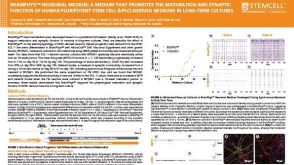 科学海报BrainPhys™ Neuronal Medium: A Medium That Promotes the Maturation and Synaptic Function of Human Pluripotent Stem Cell (hPSC)-Derived Neurons in Long-Term Cultures
 沪公网安备31010102008431号