Braam SR et al. (SEP 2008)
Stem cells (Dayton,Ohio) 26 9 2257--65
Recombinant vitronectin is a functionally defined substrate that supports human embryonic stem cell self-renewal via alphavbeta5 integrin.
Defined growth conditions are essential for many applications of human embryonic stem cells (hESC). Most defined media are presently used in combination with Matrigel,a partially defined extracellular matrix (ECM) extract from mouse sarcoma. Here,we defined ECM requirements of hESC by analyzing integrin expression and ECM production and determined integrin function using blocking antibodies. hESC expressed all major ECM proteins and corresponding integrins. We then systematically replaced Matrigel with defined medium supplements and ECM proteins. Cells attached efficiently to natural human vitronectin,fibronectin,and Matrigel but poorly to laminin + entactin and collagen IV. Integrin-blocking antibodies demonstrated that alphaVbeta5 integrins mediated adhesion to vitronectin,alpha5beta1 mediated adhesion to fibronectin,and alpha6beta1 mediated adhesion to laminin + entactin. Fibronectin in feeder cell-conditioned medium partially supported growth on all natural matrices,but in defined,nonconditioned medium only Matrigel or (natural and recombinant) vitronectin was effective. Recombinant vitronectin was the only defined functional alternative to Matrigel,supporting sustained self-renewal and pluripotency in three independent hESC lines.
View Publication
产品类型:
产品号#:
05850
05857
05870
05875
85850
85857
85870
85875
产品名:
mTeSR™1
mTeSR™1
Lassailly F et al. (JUL 2010)
Blood 115 26 5347--54
Microenvironmental contaminations" induced by fluorescent lipophilic dyes used for noninvasive in vitro and in vivo cell tracking."
Determining how normal and leukemic stem cells behave in vivo,in a dynamic and noninvasive way,remains a major challenge. Most optical tracking technologies rely on the use of fluorescent or bioluminescent reporter genes,which need to be stably expressed in the cells of interest. Because gene transfer in primary leukemia samples represents a major risk to impair their capability to engraft in a xenogenic context,we evaluated the possibility to use gene transfer-free labeling technologies. The lipophilic dye 3,3,3',3' tetramethylindotricarbocyanine iodide (DiR) was selected among 4 near-infrared (NIR) staining technologies. Unfortunately we report here a massive transfer of the dye occurring toward the neighbor cells both in vivo and in vitro. We further demonstrate that all lipophilic dyes tested in this study (1,1'-dioctadecyl-3,3,3',3'-tetramethylindotricarbocyanine perchlorate [DiI],DiD,DiR,and PKH26) can give rise to microenvironmental contamination,including when used in suboptimal concentration,after extensive washing procedures and in the absence of phagocytosis or marked cell death. This was observed from all cell types tested. Eventually,we show that this microenvironmental contamination is mediated by both direct cell-cell contacts and diffusible microparticles. We conclude that tracking of labeled cells using non-genetically encoded markers should always be accompanied by drastic cross validation using multimodality approaches.
View Publication
产品类型:
产品号#:
09600
09650
19756
19756RF
产品名:
StemSpan™ SFEM
StemSpan™ SFEM
Yin D et al. (JAN 2012)
Methods in molecular biology (Clifton,N.J.) 873 247--259
Comparison of neural differentiation potential of human pluripotent stem cell lines using a quantitative neural differentiation protocol.
Neural differentiation of human embryonic (ES) and induced pluripotent (iPS) stem cell lines has been used for research in early human development,drug discovery,and cell replacement therapies. It is critical to establish generic differentiation protocols to compare the neural specification potential of each individually derived pluripotent stem cell line and identify the efficacious lines for research and therapeutic use. Here,we describe a reproducible and quantitative protocol to assess the neural progenitor (NP) generation of human pluripotent stem cell lines. This method includes a robust and well-defined neural inducing platform for Pax6(+) neural rosette (neuroectodermal cells) generation,propagation,and subsequent differentiation into nestin(+) NPs. A side-by-side comparison under common culture conditions among three human ES cell lines,TE03,TE06,and BG01V,and one iPS cell line,HD02,showed highly variable efficiency in their differentiation into NPs.
View Publication
产品类型:
产品号#:
05850
05857
05870
05875
85850
85857
85870
85875
产品名:
mTeSR™1
mTeSR™1
Ma D et al. (JAN 2017)
Stem cell research 18 54--56
Generation of a human induced pluripotent stem cell (iPSC) line carrying the Parkinson's disease linked LRRK2 variant S1647T.
Peripheral blood mononuclear cells (PBMCs) were collected from a clinically diagnosed 64-year old male Parkinson's disease (PD) patient with S1647T variant in the LRRK2 gene. The PMBCs were reprogrammed with the human OSKM transcription factors using the Sendai-virus reprogramming system. The transgene-free iPSC showed pluripotency confirmed by immunofluorescent staining for pluripotency markers and differentiated into the 3 germ layers in vivo. The iPSC line also showed normal karyotype. This cellular model will be useful for further function studies and therapeutic screening.
View Publication
产品类型:
产品号#:
05850
05857
05870
05875
85850
85857
85870
85875
产品名:
mTeSR™1
mTeSR™1
Zhang S et al. (MAR 2017)
Stem cell research 19 43--45
Derivation of human induced pluripotent stem cell (iPSC) line from a 79year old sporadic male Parkinson's disease patient.
Peripheral blood was collected from a clinically diagnosed 79-year old male sporadic Parkinson's disease patient. Peripheral blood mononuclear cells (PBMCs) were reprogrammed with the Yamanaka KMOS reprogramming factors using the Sendai-virus reprogramming system. The transgene-free iPSC line showed pluripotency verified by immunofluorescent staining for pluripotency markers,and the iPSC line was able to differentiate into the 3 germ layers in vivo. The iPSC line also showed normal karyotype. This in vitro cellular model can be used to study the mechanism of sporadic Parkinson's disease and to test new drugs. Resource Table.
View Publication
产品类型:
产品号#:
05850
05857
05870
05875
85850
85857
85870
85875
产品名:
mTeSR™1
mTeSR™1
Avery S et al. (NOV 2013)
Stem Cell Reports 1 5 379--386
BCL-XL Mediates the Strong Selective Advantage of a 20q11.21 Amplification Commonly Found in Human Embryonic Stem Cell Cultures
Summary Human embryonic stem cells (hESCs) regularly acquire nonrandom genomic aberrations during culture,raising concerns about their safe therapeutic application. The International Stem Cell Initiative identified a copy number variant (CNV) amplification of chromosome 20q11.21 in 25% of hESC lines displaying a normal karyotype. By comparing four cell lines paired for the presence or absence of this CNV,we show that those containing this amplicon have higher population doubling rates,attributable to enhanced cell survival through resistance to apoptosis. Of the three genes encoded within the minimal amplicon and expressed in hESCs,only overexpression of BCL2L1 (BCL-XL isoform) provides control cells with growth characteristics similar to those of CNV-containing cells,whereas inhibition of BCL-XL suppresses the growth advantage of CNV cells,establishing BCL2L1 as a driver mutation. Amplification of the 20q11.21 region is also detectable in human embryonal carcinoma cell lines and some teratocarcinomas,linking this mutation with malignant transformation.
View Publication
产品类型:
产品号#:
05850
05857
05870
05875
85850
85857
85870
85875
产品名:
mTeSR™1
mTeSR™1
Onuma Y et al. (APR 2015)
PLoS One 10 4 e0118931
A stable chimeric fibroblast growth factor (FGF) can successfully replace basic FGF in human pluripotent stem cell culture
Fibroblast growth factors (FGFs) are essential for maintaining self-renewal in human embryonic stem cells and induced pluripotent stem cells. Recombinant basic FGF (bFGF or FGF2) is conventionally used to culture pluripotent stem cells; however,because of the instability of bFGF,repeated addition of fresh bFGF into the culture medium is required in order to maintain its concentration. In this study,we demonstrate that a heat-stable chimeric variant of FGF,termed FGFC,can be successfully used for maintaining human pluripotent stem cells. FGFC is a chimeric protein composed of human FGF1 and FGF2 domains that exhibits higher thermal stability and protease resistance than do both FGF1 and FGF2. Both human embryonic stem cells and induced pluripotent stem cells were maintained in ordinary culture medium containing FGFC instead of FGF2. Comparison of cells grown in FGFC with those grown in conventional FGF2 media showed no significant differences in terms of the expression of pluripotency markers,global gene expression,karyotype,or differentiation potential in the three germ lineages. We therefore propose that FGFC may be an effective alternative to FGF2,for maintenance of human pluripotent stem cells.
View Publication
Meta-analysis of differentiating mouse embryonic stem cell gene expression kinetics reveals early change of a small gene set.
Stem cell differentiation involves critical changes in gene expression. Identification of these should provide endpoints useful for optimizing stem cell propagation as well as potential clues about mechanisms governing stem cell maintenance. Here we describe the results of a new meta-analysis methodology applied to multiple gene expression datasets from three mouse embryonic stem cell (ESC) lines obtained at specific time points during the course of their differentiation into various lineages. We developed methods to identify genes with expression changes that correlated with the altered frequency of functionally defined,undifferentiated ESC in culture. In each dataset,we computed a novel statistical confidence measure for every gene which captured the certainty that a particular gene exhibited an expression pattern of interest within that dataset. This permitted a joint analysis of the datasets,despite the different experimental designs. Using a ranking scheme that favored genes exhibiting patterns of interest,we focused on the top 88 genes whose expression was consistently changed when ESC were induced to differentiate. Seven of these (103728at,8430410A17Rik,Klf2,Nr0b1,Sox2,Tcl1,and Zfp42) showed a rapid decrease in expression concurrent with a decrease in frequency of undifferentiated cells and remained predictive when evaluated in additional maintenance and differentiating protocols. Through a novel meta-analysis,this study identifies a small set of genes whose expression is useful for identifying changes in stem cell frequencies in cultures of mouse ESC. The methods and findings have broader applicability to understanding the regulation of self-renewal of other stem cell types.
View Publication
产品类型:
产品号#:
06902
06952
00321
00322
00323
00324
00325
产品名:
Ghule PN et al. (MAY 2011)
Journal of cellular physiology 226 5 1149--56
Reprogramming the pluripotent cell cycle: restoration of an abbreviated G1 phase in human induced pluripotent stem (iPS) cells.
Induced pluripotent stem (iPS) cells derived from terminally differentiated human fibroblasts are reprogrammed to possess stem cell like properties. However,the extent to which iPS cells exhibit unique properties of the human embryonic stem (hES) cell cycle remains to be established. hES cells are characterized by an abbreviated G1 phase (∼ 2.5 h) and accelerated organization of subnuclear domains that mediate the assembly of regulatory machinery for histone gene expression [i.e.,histone locus bodies (HLBs)]. We therefore examined cell cycle parameters of iPS cells in comparison to hES cells. Analysis of DNA synthesis [5-bromo-2'-deoxy-uridine (BrdU) incorporation],cell cycle distribution (FACS analysis and Ki67 staining) and subnuclear organization of HLBs [immunofluorescence microscopy and fluorescence in situ hybridization (FISH)] revealed that human iPS cells have a short G1 phase (∼ 2.5 h) and an abbreviated cell cycle (16-18 h). Furthermore,HLBs are formed and reorganized rapidly after mitosis (within 1.5-2 h). Thus,reprogrammed iPS cells have cell cycle kinetics and dynamic subnuclear organization of regulatory machinery that are principal properties of pluripotent hES cells. Our findings support the concept that the abbreviated cell cycle of hES and iPS cells is functionally linked to pluripotency.
View Publication
产品类型:
产品号#:
05850
05857
05870
05875
85850
85857
85870
85875
产品名:
mTeSR™1
mTeSR™1
Kaplan IM et al. (MAR 2011)
Journal of immunology (Baltimore,Md. : 1950) 186 5 2826--34
Deletion of tristetraprolin caused spontaneous reactive granulopoiesis by a non-cell-autonomous mechanism without disturbing long-term hematopoietic stem cell quiescence.
Tristetraprolin (TTP,Zfp36,Nup475,Tis11) dramatically reduces the stability of target mRNAs by binding to AU-rich elements in their 3' untranslated regions. Through this mechanism,TTP functions as a rheostatic,temporal regulator of gene expression. TTP knockout (KO) mice exhibit completely penetrant granulocytic hyperplasia. We have shown that the hematopoietic stem-progenitor cell compartment in TTP KO mice is also altered. Although no change was detected in long-term hematopoietic stem cell (HSC) frequency or function,as assayed by immunophenotypic markers or limiting dilution transplants,we observed increases in the frequencies and numbers of short-term HSCs,multipotent progenitors,and granulocyte-monocyte progenitors. This pattern is consistent with reactive granulopoiesis�
View Publication


 EasySep™小鼠TIL(CD45)正选试剂盒





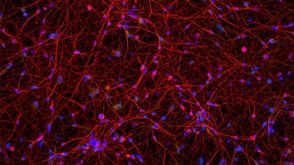 实验方案How to Culture Human Pluripotent Stem Cell (hPSC)-Derived Forebrain Neurons for MEA Analysis Using the Maestro MEA™ System
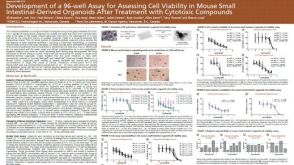 科学海报Development of a 96-well Assay for Assessing Cell Viability in Mouse Small Intestinal-Derived Organoids after Treatment with Cytotoxic Compounds
 沪公网安备31010102008431号