Floyd ZE et al. (APR 2015)
Cellular reprogramming 17 2 95--105
Prolonged proteasome inhibition cyclically upregulates Oct3/4 and Nanog gene expression, but reduces induced pluripotent stem cell colony formation.
There is ample evidence that the ubiquitin-proteasome system is an important regulator of transcription and its activity is necessary for maintaining pluripotency and promoting cellular reprogramming. Moreover,proteasome activity contributes to maintaining the open chromatin structure found in pluripotent stem cells,acting as a transcriptional inhibitor at specific gene loci generally associated with differentiation. The current study was designed to understand further the role of proteasome inhibition in reprogramming and its ability to modulate endogenous expression of pluripotency-related genes and induced pluripotent stem cells (iPSCs) colony formation. Herein,we demonstrate that acute combinatorial treatment with the proteasome inhibitors MG101 or MG132 and the histone deacetylase (HDAC) inhibitor valproic acid (VPA) increases gene expression of the pluripotency marker Oct3/4,and that MG101 alone is as effective as VPA in the induction of Oct3/4 mRNA expression in fibroblasts. Prolonged proteasome inhibition cyclically upregulates gene expression of Oct3/4 and Nanog,but reduces colony formation in the presence of the iPSC induction cocktail. In conclusion,our results demonstrate that the 26S proteasome is an essential modulator in the reprogramming process. Its inhibition enhances expression of pluripotency-related genes; however,efficient colony formation requires proteasome activity. Therefore,discovery of small molecules that increase proteasome activity might lead to more efficient cell reprogramming and generation of pluripotent cells.
View Publication
产品类型:
产品号#:
05850
05857
05870
05875
85850
85857
85870
85875
产品名:
mTeSR™1
mTeSR™1
Rada-Iglesias A et al. (FEB 2011)
Nature 470 7333 279--83
A unique chromatin signature uncovers early developmental enhancers in humans.
Cell-fate transitions involve the integration of genomic information encoded by regulatory elements,such as enhancers,with the cellular environment. However,identification of genomic sequences that control human embryonic development represents a formidable challenge. Here we show that in human embryonic stem cells (hESCs),unique chromatin signatures identify two distinct classes of genomic elements,both of which are marked by the presence of chromatin regulators p300 and BRG1,monomethylation of histone H3 at lysine 4 (H3K4me1),and low nucleosomal density. In addition,elements of the first class are distinguished by the acetylation of histone H3 at lysine 27 (H3K27ac),overlap with previously characterized hESC enhancers,and are located proximally to genes expressed in hESCs and the epiblast. In contrast,elements of the second class,which we term 'poised enhancers',are distinguished by the absence of H3K27ac,enrichment of histone H3 lysine 27 trimethylation (H3K27me3),and are linked to genes inactive in hESCs and instead are involved in orchestrating early steps in embryogenesis,such as gastrulation,mesoderm formation and neurulation. Consistent with the poised identity,during differentiation of hESCs to neuroepithelium,a neuroectoderm-specific subset of poised enhancers acquires a chromatin signature associated with active enhancers. When assayed in zebrafish embryos,poised enhancers are able to direct cell-type and stage-specific expression characteristic of their proximal developmental gene,even in the absence of sequence conservation in the fish genome. Our data demonstrate that early developmental enhancers are epigenetically pre-marked in hESCs and indicate an unappreciated role of H3K27me3 at distal regulatory elements. Moreover,the wealth of new regulatory sequences identified here provides an invaluable resource for studies and isolation of transient,rare cell populations representing early stages of human embryogenesis.
View Publication
产品类型:
产品号#:
05850
05857
05870
05875
85850
85857
85870
85875
产品名:
mTeSR™1
mTeSR™1
Szabat M et al. (NOV 2011)
Cell death & disease 2 11 e232
Musashi expression in $\$-cells coordinates insulin expression, apoptosis and proliferation in response to endoplasmic reticulum stress in diabetes.
Diabetes is associated with the death and dysfunction of insulin-producing pancreatic $\$-cells. In other systems,Musashi genes regulate cell fate via Notch signaling,which we recently showed regulates $\$-cell survival. Here we show for the first time that human and mouse adult islet cells express mRNA and protein of both Musashi isoforms,as well Numb/Notch/Hes/neurogenin-3 pathway components. Musashi expression was observed in insulin/glucagon double-positive cells during human fetal development and increased during directed differentiation of human embryonic stem cells (hESCs) to the pancreatic lineage. De-differentiation of $\$-cells with activin A increased Msi1 expression. Endoplasmic reticulum (ER) stress increased Msi2 and Hes1,while it decreased Ins1 and Ins2 expression,revealing a molecular link between ER stress and $\$-cell dedifferentiation in type 2 diabetes. These effects were independent of changes in Numb protein levels and Notch activation. Overexpression of MSI1 was sufficient to increase Hes1,stimulate proliferation,inhibit apoptosis and reduce insulin expression,whereas Msi1 knockdown had the converse effects on proliferation and insulin expression. Overexpression of MSI2 resulted in a decrease in MSI1 expression. Taken together,these results demonstrate overlapping,but distinct roles for Musashi-1 and Musashi-2 in the control of insulin expression and $\$-cell proliferation. Our data also suggest that Musashi is a novel link between ER stress and the compensatory $\$-cell proliferation and the loss of $\$-cell gene expression seen in specific phases of the progression to type 2 diabetes.
View Publication
产品类型:
产品号#:
05850
05857
05870
05875
85850
85857
85870
85875
产品名:
mTeSR™1
mTeSR™1
Liu J et al. (MAY 2012)
PLoS ONE 7 5 e37559
Atomic force mechanobiology of pluripotent stem cell-derived cardiomyocytes
We describe a method using atomic force microscopy (AFM) to quantify the mechanobiological properties of pluripotent,stem cell-derived cardiomyocytes,including contraction force,rate,duration,and cellular elasticity. We measured beats from cardiomyocytes derived from induced pluripotent stem cells of healthy subjects and those with dilated cardiomyopathy,and from embryonic stem cell lines. We found that our AFM method could quantitate beat forces of single cells and clusters of cardiomyocytes. We demonstrate the dose-responsive,inotropic effect of norepinephrine and beta-adrenergic blockade of metoprolol. Cardiomyocytes derived from subjects with dilated cardiomyopathy showed decreased force and decreased cellular elasticity compared to controls. This AFM-based method can serve as a screening tool for the development of cardiac-active pharmacological agents,or as a platform for studying cardiomyocyte biology.
View Publication
产品类型:
产品号#:
05850
05857
05870
05875
85850
85857
85870
85875
产品名:
mTeSR™1
mTeSR™1
Ayombil F et al. (AUG 2013)
Journal of thrombosis and haemostasis : JTH 11 8 1532--9
Proteolysis of plasma-derived factor V following its endocytosis by megakaryocytes forms the platelet-derived factor V/Va pool.
BACKGROUND Central to appropriate thrombin formation at sites of vascular injury is the concerted assembly of plasma- and/or platelet-derived factor (F) Va and FXa on the activated platelet surface. While the plasma-derived procofactor,FV,must be proteolytically activated by α-thrombin to FVa to function in prothrombinase,the platelet molecule is released from α-granules in a partially activated state,obviating the need for proteolytic activation. OBJECTIVES The current study was performed to test the hypothesis that subsequent to its endocytosis by megakaryocytes,plasma-derived FV is proteolytically processed to form the platelet-derived pool. METHODS & RESULTS Subsequent to FV endocytosis,a time-dependent increase in FV proteolytic products was observed in megakaryocyte lysates by SDS-PAGE followed by phosphorimaging or western blotting. This cleavage was specific and resulted in the formation of products similar in size to FV/Va present in a platelet lysate as well as to the α-thrombin-activated FVa heavy chain and light chain,and their respective precursors. Other proteolytic products were unique to endocytosed FV. The product/precursor relationships of these fragments were defined using anti-FV heavy and light chain antibodies with defined epitopes. Activity measurements indicated that megakaryocyte-derived FV fragments exhibited substantial FVa cofactor activity that was comparable to platelet-derived FV/Va. CONCLUSIONS Taken together,these observations suggest that prior to its packaging in α-granules endocytosed FV undergoes proteolysis by one or more specific megakaryocyte protease(s) to form the partially activated platelet-derived pool.
View Publication
Palmer DJ et al. (JUN 2016)
Molecular Therapy — Methods & Clinical Development 3 April 16039
Helper virus-mediated downregulation of transgene expression permits production of recalcitrant helper-dependent adenoviral vector
Helper-dependent adenoviral vectors (HDAd) that express certain transgene products are impossible to produce because the transgene product is toxic to the producer cells,especially when made in large amounts during vector production. Downregulating transgene expression from the HDAd during vector production is a way to solve this problem. In this report,we show that this can be accomplished by inserting the target sequence for the adenoviral VA RNAI into the 3' untranslated region of the expression cassette in the HDAd. Thus during vector production,when the producer cells are coinfected with both the helper virus (HV) and the HDAd,the VA RNAI produced by the HV will target the transgene mRNA from the HDAd via the endogenous cellular RNAi pathway. Once the HDAd is produced and purified,transduction of the target cells results in unimpeded transgene expression because of the absence of HV. This simple and universal strategy permits for the robust production of otherwise recalcitrant HDAds.
View Publication
产品类型:
产品号#:
05850
05857
05870
05875
85850
85857
85870
85875
产品名:
mTeSR™1
mTeSR™1
Brohawn DG et al. (AUG 2016)
PloS one 11 8 e0160520
RNAseq Analyses Identify Tumor Necrosis Factor-Mediated Inflammation as a Major Abnormality in ALS Spinal Cord.
ALS is a rapidly progressive,devastating neurodegenerative illness of adults that produces disabling weakness and spasticity arising from death of lower and upper motor neurons. No meaningful therapies exist to slow ALS progression,and molecular insights into pathogenesis and progression are sorely needed. In that context,we used high-depth,next generation RNA sequencing (RNAseq,Illumina) to define gene network abnormalities in RNA samples depleted of rRNA and isolated from cervical spinal cord sections of 7 ALS and 8 CTL samples. We aligned textgreater50 million 2X150 bp paired-end sequences/sample to the hg19 human genome and applied three different algorithms (Cuffdiff2,DEseq2,EdgeR) for identification of differentially expressed genes (DEG's). Ingenuity Pathways Analysis (IPA) and Weighted Gene Co-expression Network Analysis (WGCNA) identified inflammatory processes as significantly elevated in our ALS samples,with tumor necrosis factor (TNF) found to be a major pathway regulator (IPA) and TNF$$-induced protein 2 (TNFAIP2) as a major network hub" gene (WGCNA). Using the oPOSSUM algorithm�
View Publication
产品类型:
产品号#:
05850
05857
05870
05875
85850
85857
85870
85875
产品名:
mTeSR™1
mTeSR™1
Gao L et al. ( 2016)
PloS one 11 9 e0162149
31P NMR 2D Mapping of Creatine Kinase Forward Flux Rate in Hearts with Postinfarction Left Ventricular Remodeling in Response to Cell Therapy.
Utilizing a fast 31P magnetic resonance spectroscopy (MRS) 2-dimensional chemical shift imaging (2D-CSI) method,this study examined the heterogeneity of creatine kinase (CK) forward flux rate of hearts with postinfarction left ventricular (LV) remodeling. Immunosuppressed Yorkshire pigs were assigned to 4 groups: 1) A sham-operated normal group (SHAM,n = 6); 2) A 60 minutes distal left anterior descending coronary artery ligation and reperfusion (MI,n = 6); 3) Open patch group; ligation injury plus open fibrin patch over the site of injury (Patch,n = 6); and 4) Cell group,hiPSCs-cardiomyocytes,-endothelial cells,and -smooth muscle cells (2 million,each) were injected into the injured myocardium pass through a fibrin patch (Cell+Patch,n = 5). At 4 weeks,the creatine phosphate (PCr)/ATP ratio,CK forward flux rate (Flux PCr→ATP),and k constant of CK forward flux rate (kPCr→ATP) were severely decreased at border zone myocardium (BZ) adjacent to MI. Cell treatment results in significantly increase of PCr/ATP ratio and improve the value of kPCr→ATP and Flux PCr→ATP in BZ myocardium. Moreover,the BZ myocardial CK total activity and protein expression of CK mitochondria isozyme and CK myocardial isozyme were significantly reduced,but recovered in response to cell treatment. Thus,cell therapy results in improvement of BZ bioenergetic abnormality in hearts with postinfarction LV remodeling,which is accompanied by significantly improvements in BZ CK activity and CK isozyme expression. The fast 2D 31P MR CSI mapping can reliably measure the heterogeneity of bioenergetics in hearts with post infarction LV remodeling.
View Publication
产品类型:
产品号#:
05850
05857
05870
05875
85850
85857
85870
85875
产品名:
mTeSR™1
mTeSR™1
La Spada A et al. (DEC 2016)
The journal of histochemistry and cytochemistry : official journal of the Histochemistry Society 64 12 739--751
Cell Line Macroarray: An Alternative High-Throughput Platform to Analyze hiPSC Lines.
In the past decade,tissue microarray (TMA) technology has evolved as an innovative tool for high-throughput proteomics analysis and mainly for biomarker validation. Similarly,enormous amount of data can be obtained from the cell line macroarray (CLMA) technology,which developed from the TMA using formalin-fixed,paraffin-embedded cell pellets. Here,we applied CLMA technology in stem cell research and in particular to identify bona fide neogenerated human induced pluripotent stem cell (hiPSC) clones suitable for down the line differentiation. All hiPSC protocols generate tens of clones,which need to be tested to determine genetically stable cell lines suitable for differentiation. Screening methods generally rely on fluorescence-activated cell sorting isolation and coverslip cell growth followed by immunofluorescence; these techniques could be cumbersome. Here,we show the application of CLMA to identify neogenerated pluripotent cell colonies and neuronal differentiated cell products. We also propose the use of the automated image analyzer,TissueQuest,as a reliable tool to quickly select the best clones,based upon the level of expression of multiple pluripotent biomarkers.
View Publication
产品类型:
产品号#:
05850
05857
05870
05875
85850
85857
85870
85875
产品名:
mTeSR™1
mTeSR™1
Wei W et al. (MAY 2017)
Artificial organs 41 5 452--460
Danshen-Enhanced Cardioprotective Effect of Cardioplegia on Ischemia Reperfusion Injury in a Human-Induced Pluripotent Stem Cell-Derived Cardiomyocytes Model.
Myocardial ischemia-reperfusion (I/R) injury is unavoidable during cardioplegic arrest and open-heart surgery. Danshen is one of the most popular traditional herbal medicines in China,which has entered the Food and Drug Administration-approved phase III clinical trial. This study was aimed to develop a human-induced pluripotent stem cell-derived cardiomyocytes (hiPSC-CMs) model to mimic I/R injury and evaluate the cardioprotective effect of regular cardioplegic solution with Danshen. hiPSC-CMs were cultured with the crystalloid cardioplegic solution (Thomas group) and Thomas solution with 2 or 10 µg/mL Danshen (Thomas plus Danshen groups). The cells under normoxic culture condition served as baseline group. Then,the cells were placed in a modular incubator chamber. After 45 min hypoxia and 3 h reoxygenation,hiPSC-CMs subjected to hypoxia/reoxygenation resulted in a sharp increase of reactive oxygen species (ROS) content in Thomas group versus baseline group. Compared with the Thomas group,ROS accumulation was significant suppressed in Thomas plus Danshen groups,which might result from elevating the content of glutathione and enhanced activities of superoxide dismutase and glutathione peroxidase. The enhanced L-type Ca(2+) current in hiPSC-CMs after I/R injury was also significantly decreased by Danshen,and meanwhile intracellular Ca(2+) level was reduced and calcium overload was suppressed. Thomas plus Danshen groups also presented less irregular transients and lower apoptosis rates. As a result,Danshen could improve antioxidant and calcium handling in cardiomyocytes during I/R and lead to reduced arrhythmia events and apoptosis rates. hiPSC-CMs model offered a platform for the future translational study of the cardioplegia.
View Publication
产品类型:
产品号#:
05850
05857
05870
05875
85850
85857
85870
85875
产品名:
mTeSR™1
mTeSR™1
Guo D et al. (JAN 2017)
Stem cell research 18 67--69
Creating a patient carried Men1 gene point mutation on wild type iPSCs locus mediated by CRISPR/Cas9 and ssODN.
A patient specific point mutation (c.1288GtextgreaterT) of Men1 gene was introduced into wide type iPSC line with CRISPR/Cas9 and single-stranded donor oligonucleotides carrying the mutation. The mutated iPSC line has a heterozygous c.1288GtextgreaterT mutation on exon-9 of Men1 that was confirmed by sequencing analysis. The karyotype of this line was normal and the pluripotency was demonstrated by its ability to differentiate into three germ layers. These artificially created Men1 mutation in wild type iPSC line will help to dissect out the molecular basis of two patients carried the same mutation from one family who were differentially represented hypoglycemia.
View Publication


 EasySep™小鼠TIL(CD45)正选试剂盒





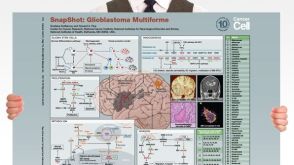 挂图SnapShot: Glioblastoma Multiforme Overview of the key concepts and mechanisms in glioblastoma multiforme biology
 沪公网安备31010102008431号