An inhibitor of the EGF receptor family blocks myeloma cell growth factor activity of HB-EGF and potentiates dexamethasone or anti-IL-6 antibody-induced apoptosis.
We previously found that some myeloma cell lines express the heparin-binding epidermal growth factor-like growth factor (HB-EGF) gene. As the proteoglycan syndecan-1 is an HB-EGF coreceptor as well as a hallmark of plasma cell differentiation and a marker of myeloma cells,we studied the role of HB-EGF on myeloma cell growth. The HB-EGF gene was expressed by bone marrow mononuclear cells in 8 of 8 patients with myeloma,particularly by monocytes and stromal cells,but not by purified primary myeloma cells. Six of 9 myeloma cell lines and 9 of 9 purified primary myeloma cells expressed ErbB1 or ErbB4 genes coding for HB-EGF receptor. In the presence of a low interleukin-6 (IL-6) concentration,HB-EGF stimulated the proliferation of the 6 ErbB1+ or ErbB4+ cell lines,through the phosphatidylinositol 3-kinase/AKT (PI-3K/AKT) pathway. A pan-ErbB inhibitor blocked the myeloma cell growth factor activity and the signaling induced by HB-EGF. This inhibitor induced apoptosis of patients'myeloma cells cultured with their tumor environment. It also increased patients' myeloma cell apoptosis induced by an anti-IL-6 antibody or dexamethasone. The ErbB inhibitor had no effect on the interaction between multiple myeloma cells and stromal cells. It was not toxic for nonmyeloma cells present in patients' bone marrow cultures or for the growth of hematopoietic progenitors. Altogether,these data identify ErbB receptors as putative therapeutic targets in multiple myeloma.
View Publication
产品类型:
产品号#:
04434
04444
产品名:
MethoCult™ H4434 Classic
MethoCult™ H4434 Classic
Koh K-R et al. (MAY 2005)
Blood 105 10 3833--40
Immunomodulatory derivative of thalidomide (IMiD CC-4047) induces a shift in lineage commitment by suppressing erythropoiesis and promoting myelopoiesis.
Immunomodulatory derivative (IMiD) CC-4047,a new analog of thalidomide,directly inhibits growth of B-cell malignancies in vivo and in vitro and exhibits stronger antiangiogenic activity than thalidomide. However,there is little information on whether CC-4047 affects normal hematopoiesis. Here we investigated the effect of CC-4047 on lineage commitment and differentiation of hematopoietic stem cells. We found that CC-4047 effectively inhibits erythroid cell colony formation from CD34+ cells and increases the frequency of myeloid colonies. We also demonstrate that development of both erythropoietin-independent and erythropoietin-dependent red cell progenitors was strongly inhibited by CC-4047,while terminal red cell differentiation was unaffected. DNA microarray analysis revealed that red cell transcription factors,including GATA-1,GATA-2,erythroid Kruppel-like factor (EKLF),and growth factor independence-1B (Gfi-1b),were down-regulated in CC-4047-treated CD34+ cells,while myeloid transcription factors such as CCAAT/enhancer binding protein-alpha (C/EBPalpha),C/EBPdelta,and C/EBPepsilon were induced. Analysis of cytokine secretion indicated that CC-4047 induced secretion of cytokines that enhance myelopoiesis and inhibit erythropoiesis. In conclusion,these data indicate that CC-4047 might directly influence lineage commitment of hematopoietic cells by increasing the propensity of stem and/or progenitor cells to undergo myeloid cell development and concomitantly inhibiting red cell development. Therefore,CC-4047 provides a valuable tool to study the mechanisms underlying lineage commitment.
View Publication
产品类型:
产品号#:
04434
04444
09600
09650
28600
84434
84444
产品名:
MethoCult™ H4434 Classic
MethoCult™ H4434 Classic
StemSpan™ SFEM
StemSpan™ SFEM
L-Calc™有限稀释软件
Wiedmer T et al. (SEP 2004)
Proceedings of the National Academy of Sciences of the United States of America 101 36 13296--301
Adiposity, dyslipidemia, and insulin resistance in mice with targeted deletion of phospholipid scramblase 3 (PLSCR3).
The phospholipid scramblases (PLSCR1 to PLSCR4) are a structurally and functionally unique class of proteins,which are products of a tetrad of genes conserved from Caenorhabditis elegans to humans. The best characterized member of this family,PLSCR1,is implicated in the remodeling of the transbilayer distribution of plasma membrane phospholipids but is also required for normal signaling through select growth factor receptors. Mice with targeted deletion of PLSCR1 display perinatal granulocytopenia due to defective response of hematopoietic precursors to granulocyte colony-stimulating factor and stem cell factor. To gain insight into the biologic function of another member of the PLSCR family,we investigated mice with targeted deletion of PLSCR3,a protein that like PLSCR1 is expressed in many blood cells but which,by contrast to PLSCR1,is also highly expressed in fat and muscle. PLSCR3(-/-) mice at 2 months of age displayed aberrant accumulation of abdominal fat when maintained on standard rodent chow,which was accompanied by insulin resistance,glucose intolerance,and dyslipidemia. Primary adipocytes and cultured bone-marrow-derived macrophages from PLSCR3(-/-) mice were engorged with neutral lipid,and adipocytes displayed defective responses to exogenous insulin. Plasma of PLSCR3(-/-) mice was elevated in non-high-density lipoproteins,cholesterol,triglycerides,nonesterified fatty acids,and leptin,whereas adiponectin was low. These data suggest that the expression of PLSCR3 may be required for normal adipocyte and/or macrophage maturation or function and raise the possibility that deletions or mutations affecting the PLSCR3(-/-) gene locus may contribute to the risk for lipid-related disorders in humans.
View Publication
产品类型:
产品号#:
03234
产品名:
MethoCult™ M3234
Chen W et al. (JUL 2006)
Blood 108 2 669--77
A murine Mll-AF4 knock-in model results in lymphoid and myeloid deregulation and hematologic malignancy.
The 2 most frequent human MLL hematopoietic malignancies involve either AF4 or AF9 as fusion partners; each has distinct biology but the role of the fusion partner is not clear. We produced Mll-AF4 knock-in (KI) mice by homologous recombination in embryonic stem cells and compared them with Mll-AF9 KI mice. Young Mll-AF4 mice had lymphoid and myeloid deregulation manifest by increased lymphoid and myeloid cells in hematopoietic organs. In vitro,bone marrow cells from young mice formed unique mixed pro-B lymphoid (B220(+)CD19(+)CD43(+)sIgM(-),PAX5(+),TdT(+),IgH rearranged)/myeloid (CD11b/Mac1(+),c-fms(+),lysozyme(+)) colonies when grown in IL-7- and Flt3 ligand-containing media. Mixed lymphoid/myeloid hyperplasia and hematologic malignancies (most frequently B-cell lymphomas) developed in Mll-AF4 mice after prolonged latency; long latency to malignancy indicates that Mll-AF4-induced lymphoid/myeloid deregulation alone is insufficient to produce malignancy. In contrast,young Mll-AF9 mice had predominately myeloid deregulation in vivo and in vitro and developed myeloid malignancies. The early onset of distinct mixed lymphoid/myeloid lineage deregulation in Mll-AF4 mice shows evidence for both instructive" and "noninstructive" roles for AF4 and AF9 as partners in MLL fusion genes. The molecular basis for "instruction" and secondary cooperating mutations can now be studied in our Mll-AF4 model."
View Publication
产品类型:
产品号#:
03534
03630
产品名:
MethoCult™ GF M3534
MethoCult™ M3630
Coleman TR et al. (APR 2006)
Proceedings of the National Academy of Sciences of the United States of America 103 15 5965--70
Cytoprotective doses of erythropoietin or carbamylated erythropoietin have markedly different procoagulant and vasoactive activities.
Recombinant human erythropoietin (rhEPO) is receiving increasing attention as a potential therapy for prevention of injury and restoration of function in nonhematopoietic tissues. However,the minimum effective dose required to mimic and augment these normal paracrine functions of erythropoietin (EPO) in some organs (e.g.,the brain) is higher than for treatment of anemia. Notably,a dose-dependent risk of adverse effects has been associated with rhEPO administration,especially in high-risk groups,including polycythemia-hyperviscosity syndrome,hypertension,and vascular thrombosis. Of note,several clinical trials employing relatively high dosages of rhEPO in oncology patients were recently halted after an increase in mortality and morbidity,primarily because of thrombotic events. We recently identified a heteromeric EPO receptor complex that mediates tissue protection and is distinct from the homodimeric receptor responsible for the support of erythropoiesis. Moreover,we developed receptor-selective ligands that provide tools to assess which receptor isoform mediates which biological consequence of rhEPO therapy. Here,we demonstrate that rhEPO administration in the rat increases systemic blood pressure,reduces regional renal blood flow,and increases platelet counts and procoagulant activities. In contrast,carbamylated rhEPO,a heteromeric receptor-specific ligand that is fully tissue protective,increases renal blood flow,promotes sodium excretion,reduces injury-induced elevation in procoagulant activity,and does not effect platelet production. These preclinical findings suggest that nonerythropoietic tissue-protective ligands,which appear to elicit fewer adverse effects,may be especially useful in clinical settings for tissue protection.
View Publication
产品类型:
产品号#:
04564
04534
04544
产品名:
MethoCult™ H4534 Classic 无 EPO 入门试剂盒
MethoCult™ H4534 Classic(不含 EPO)
MethoCult™ H4534 Classic(不含 EPO)
Weisberg E et al. (MAR 2007)
Blood 109 5 2112--20
Beneficial effects of combining nilotinib and imatinib in preclinical models of BCR-ABL+ leukemias.
Drug resistance resulting from emergence of imatinib-resistant BCR-ABL point mutations is a significant problem in advanced-stage chronic myelogenous leukemia (CML). The BCR-ABL inhibitor,nilotinib (AMN107),is significantly more potent against BCR-ABL than imatinib,and is active against many imatinib-resistant BCR-ABL mutants. Phase 1/2 clinical trials show that nilotinib can induce remissions in patients who have previously failed imatinib,indicating that sequential therapy with these 2 agents has clinical value. However,simultaneous,rather than sequential,administration of 2 BCR-ABL kinase inhibitors is attractive for many reasons,including the theoretical possibility that this could reduce emergence of drug-resistant clones. Here,we show that exposure of a variety of BCR-ABL+ cell lines to imatinib and nilotinib results in additive or synergistic cytotoxicity,including testing of a large panel of cells expressing BCR-ABL point mutations causing resistance to imatinib in patients. Further,using a highly quantifiable bioluminescent in vivo model,drug combinations were at least additive in antileukemic activity,compared with each drug alone. These results suggest that despite binding to the same site in the same target kinase,the combination of imatinib and nilotinib is highly efficacious in these models,indicating that clinical testing of combinations of BCR-ABL kinase inhibitors is warranted.
View Publication
产品类型:
产品号#:
04434
04444
产品名:
MethoCult™ H4434 Classic
MethoCult™ H4434 Classic
Biffi A et al. (NOV 2006)
The Journal of clinical investigation 116 11 3070--82
Gene therapy of metachromatic leukodystrophy reverses neurological damage and deficits in mice.
Metachromatic leukodystrophy (MLD) is a demyelinating lysosomal storage disorder for which new treatments are urgently needed. We previously showed that transplantation of gene-corrected hematopoietic stem progenitor cells (HSPCs) in presymptomatic myeloablated MLD mice prevented disease manifestations. Here we show that HSC gene therapy can reverse neurological deficits and neuropathological damage in affected mice,thus correcting an overt neurological disease. The efficacy of gene therapy was dependent on and proportional to arylsulfatase A (ARSA) overexpression in the microglia progeny of transplanted HSPCs. We demonstrate a widespread enzyme distribution from these cells through the CNS and a robust cross-correction of neurons and glia in vivo. Conversely,a peripheral source of enzyme,established by transplanting ARSA-overexpressing hepatocytes from transgenic donors,failed to effectively deliver the enzyme to the CNS. These results indicate that the recruitment of gene-modified,enzyme-overexpressing microglia makes the enzyme bioavailable to the brain and makes therapeutic efficacy and disease correction attainable. Overall,our data provide a strong rationale for implementing HSPC gene therapy in MLD patients.
View Publication
产品类型:
产品号#:
03434
03444
09600
09650
产品名:
MethoCult™ GF M3434
MethoCult™ GF M3434
StemSpan™ SFEM
StemSpan™ SFEM
Dahl R et al. (MAR 2007)
The Journal of biological chemistry 282 9 6473--83
The transcriptional repressor GFI-1 antagonizes PU.1 activity through protein-protein interaction.
Mice lacking the zinc finger transcriptional repressor protein GFI-1 are neutropenic. These mice generate abnormal immature myeloid cells exhibiting characteristics of both macrophages and granulocytes. Furthermore,Gfi-1(-/-) mice are highly susceptible to bacterial infection. Interestingly,Gfi-1(-/-) myeloid cells overexpress target genes of the PU.1 transcription factor such as the macrophage colony-stimulating factor receptor and PU.1 itself. We therefore determined whether GFI-1 modulates the transcriptional activity of PU.1. Our data demonstrate that GFI-1 physically interacts with PU.1,repressing PU.1-dependent transcription. This repression is functionally significant,as GFI-1 blocked PU.1-induced macrophage differentiation of a multipotential hematopoietic progenitor cell line. Retroviral expression of GFI-1 in primary murine hematopoietic progenitors increased granulocyte differentiation at the expense of macrophage differentiation. We interbred Gfi-1(+/-) and PU.1(+/-) mice and observed that heterozygosity at the PU.1 locus partially rescued the Gfi-1(-/-) mixed myeloid lineage phenotype,but failed to restore granulocyte differentiation. Our data demonstrate that GFI-1 represses PU.1 activity and that lack of this repression in Gfi-1(-/-) myeloid cells contributes to the observed mixed lineage phenotype.
View Publication
产品类型:
产品号#:
03434
03444
产品名:
MethoCult™ GF M3434
MethoCult™ GF M3434
Miething C et al. (MAR 2007)
Proceedings of the National Academy of Sciences of the United States of America 104 11 4594--9
Retroviral insertional mutagenesis identifies RUNX genes involved in chronic myeloid leukemia disease persistence under imatinib treatment.
The kinase inhibitor imatinib mesylate targeting the oncoprotein Bcr-Abl has revolutionized the treatment of chronic myeloid leukemia (CML). However,even though imatinib successfully controls the leukemia in chronic phase,it seems not to be able to cure the disease,potentially necessitating lifelong treatment with the inhibitor under constant risk of relapse. On a molecular level,the cause of disease persistence is not well understood. Initial studies implied that innate features of primitive progenitor cancer stem cells may be responsible for the phenomenon. Here,we describe an assay using retroviral insertional mutagenesis (RIM) to identify genes contributing to disease persistence in vivo. We transplanted mice with bone marrow cells retrovirally infected with the Bcr-Abl oncogene and subsequently treated the animals with imatinib to select for leukemic cells in which the proviral integration had affected genes modulating the imatinib response. Southern blot analysis demonstrated clonal outgrowth of cells carrying similar integration sites. Candidate genes located near the proviral insertion sites were identified,among them the transcription factor RUNX3. Proviral integration near the RUNX3 promoter induced RUNX3 expression,and Bcr-Abl-positive cell lines with stable or inducible expression of RUNX1 or RUNX3 were protected from imatinib-induced apoptosis. Furthermore,imatinib treatment selected for RUNX1-expressing cells in vitro and in vivo after infection of primary bone marrow cells with Bcr-Abl and RUNX1. Our results demonstrate the utility of RIM for probing molecular modulators of targeted therapies and suggest a role for members of the RUNX transcription factor family in disease persistence in CML patients.
View Publication
产品类型:
产品号#:
04230
产品名:
MethoCult™ H4230
Moulding DA et al. (SEP 2007)
The Journal of experimental medicine 204 9 2213--24
Unregulated actin polymerization by WASp causes defects of mitosis and cytokinesis in X-linked neutropenia.
Specific mutations in the human gene encoding the Wiskott-Aldrich syndrome protein (WASp) that compromise normal auto-inhibition of WASp result in unregulated activation of the actin-related protein 2/3 complex and increased actin polymerizing activity. These activating mutations are associated with an X-linked form of neutropenia with an intrinsic failure of myelopoiesis and an increase in the incidence of cytogenetic abnormalities. To study the underlying mechanisms,active mutant WASp(I294T) was expressed by gene transfer. This caused enhanced and delocalized actin polymerization throughout the cell,decreased proliferation,and increased apoptosis. Cells became binucleated,suggesting a failure of cytokinesis,and micronuclei were formed,indicative of genomic instability. Live cell imaging demonstrated a delay in mitosis from prometaphase to anaphase and confirmed that multinucleation was a result of aborted cytokinesis. During mitosis,filamentous actin was abnormally localized around the spindle and chromosomes throughout their alignment and separation,and it accumulated within the cleavage furrow around the spindle midzone. These findings reveal a novel mechanism for inhibition of myelopoiesis through defective mitosis and cytokinesis due to hyperactivation and mislocalization of actin polymerization.
View Publication
产品类型:
产品号#:
04100
产品名:
MethoCult™ H4100
Li Z et al. (FEB 2009)
Blood 113 9 2028--37
High-affinity neurotrophin receptors and ligands promote leukemogenesis.
Neurotrophins (NTs) and their receptors play a key role in neurogenesis and survival. The TRK (tropomyosin-related kinase) receptor protein tyrosine kinases (TRKA,TRKB,TRKC) are high-affinity NT receptors that are expressed in a variety of human tissues. Their role in normal and malignant hematopoiesis is poorly understood. In a prospective study involving 94 adult patients we demonstrate for the first time cell-surface expression of the 3 TRKs and constitutive activation in blasts from patients with de novo or secondary acute leukemia. At least one TRK was expressed in 55% of the analyzed cases. We establish a clear correlation between the TRK expression pattern and FAB classification. Although only few point mutations were found in TRK sequences by reverse-transcriptase-polymerase chain reaction (RT-PCR),we observed coexpression of BDNF (ligand for TRKB) in more than 50% of TRKB(+) cases (16/30). Activation of TRKA or TRKB by NGF and BDNF,respectively,efficiently rescued murine myeloid cells from irradiation-induced apoptosis. Coexpression of TRKB/BDNF or TRKA/NGF in murine hematopoietic cells induced leukemia. Moreover,activation of TRKs was important for survival of both human and murine leukemic cells. Our findings suggest that TRKs play an important role in leukemogenesis and may serve as a new drug target.
View Publication


 EasySep™小鼠TIL(CD45)正选试剂盒




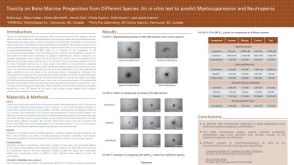 科学海报Toxicity on Bone Marrow Progenitors from Different Species: an In Vitro Test to Predict Myelosuppression and Neutropenia

 沪公网安备31010102008431号