Pluripotent male germline stem cells from goat fetal testis and their survival in mouse testis.
Male germline stem cells (mGSCs) are stem cells present in male testis responsible for spermatogenesis during their whole life. Studies have shown that mGSCs can be derived in vitro and resemble embryonic stem cells (ESCs) properties both in the mouse and humans. However,little is know about these cells in domestic animals. Here we report the first successful establishment of goat GSCs derived from 2-5-month fetal testis,and developmental potential assay of these cells both in vitro and in vivo. These cells express pluripotent markers such as Oct4,Sox2,C-myc,and Tert when cultured as human ESCs conditions. Embryoid bodies (EBs) formed by goat mGSCs were induced with 2 × 10(-6) M retinoic acid (RA). Immunofluorescence analysis showed that some cells inside of the EBs were positive for meiosis marker-SCP3,STRA8,and germ cell marker-VASA,and haploid marker-FE-J1,PRM1,indicating their germ cell lineage differentiation. Some cells become elongated sperm-like cells after induction. Approximately 34.88% (30/86) embryos showed cleavage and four embryos were cultured on murine fibroblast feeder and formed small embryonic stem like colonies. However,most stalled at four-cell stage after intracytoplasmic sperm injection (ICSI) of these cells. Transplantation of DAPI labeled mGSCs into the seminiferous tubules of busulfan-treated mice,and showed that mGSCs can colonize,self-renew,and differentiate into germ cells. Thus,we have established a goat GSC cell line and these cells could be differentiated into sperm-like cells in vivo and sperms in vitro,providing a promising platform for generation of transgenic goat for production of specific humanized proteins.
View Publication
产品类型:
产品号#:
05850
05857
05870
05875
85850
85857
85870
85875
产品名:
mTeSR™1
mTeSR™1
Panopoulos AD et al. (JAN 2012)
Cell Research 22 1 168--177
The metabolome of induced pluripotent stem cells reveals metabolic changes occurring in somatic cell reprogramming
Metabolism is vital to every aspect of cell function,yet the metabolome of induced pluripotent stem cells (iPSCs) remains largely unexplored. Here we report,using an untargeted metabolomics approach,that human iPSCs share a pluripotent metabolomic signature with embryonic stem cells (ESCs) that is distinct from their parental cells,and that is characterized by changes in metabolites involved in cellular respiration. Examination of cellular bioenergetics corroborated with our metabolomic analysis,and demonstrated that somatic cells convert from an oxidative state to a glycolytic state in pluripotency. Interestingly,the bioenergetics of various somatic cells correlated with their reprogramming efficiencies. We further identified metabolites that differ between iPSCs and ESCs,which revealed novel metabolic pathways that play a critical role in regulating somatic cell reprogramming. Our findings are the first to globally analyze the metabolome of iPSCs,and provide mechanistic insight into a new layer of regulation involved in inducing pluripotency,and in evaluating iPSC and ESC equivalence.
View Publication
产品类型:
产品号#:
05850
05857
05870
05875
85850
85857
85870
85875
产品名:
mTeSR™1
mTeSR™1
Heng BC et al. (JUL 2013)
Metabolic Engineering 18 9--24
MRNA transfection-based, feeder-free, induced pluripotent stem cells derived from adipose tissue of a 50-year-old patient
Induced pluripotent stem cells (iPSC) have successfully been derived from somatic fibroblasts through transfection of synthetic modified mRNA encoding transcription factors. This technique obviates the use of recombinant DNA and viral vectors in cellular reprogramming. The present study derived iPSC from adipose-derived mesenchymal stem cells (of a 50-year-old female patient) by utilizing a similar technique,but with defined culture medium without feeder cells,during both reprogramming and propagation. Clonal selection was performed to yield 12 putative iPSC lines from individual colonies of nascent reprogrammed cells,starting from 150,000 cells. However,only seven lines maintained their undifferentiated state after 10 continuous serial passages. These seven lines were then subjected to a rigorous battery of analyses to confirm their identity as iPSC. These tests included immunostaining,flow cytometry,qRT-PCR,in vitro differentiation assay,and teratoma formation assay within SCID mice. Positive results were consistently observed in all analyses,thus verifying the cells as fully reprogrammed iPSC. While all 7 iPSC lines displayed normal karyogram up to passage 13,chromosomal anomalies occurred in 4 of 7 lines with extended in vitro culture beyond 24 serial passages. Only three lines retained normal karyotype of 46,XX. The remaining four lines displayed mosaicism of normal and abnormal karyotypes. Hence,this study successfully derived iPSC from abundant and easily accessible adipose tissues of a middle-aged patient; utilizing a mRNA-based integration-free technique under feeder-free conditions. This is a step forward in translating iPSC into personalized regenerative medicine within the clinic. ?? 2013 Elsevier Inc.
View Publication
Hepatocyte growth factor favors monocyte differentiation into regulatory interleukin (IL)-10++IL-12low/neg accessory cells with dendritic-cell features.
Several hematopoietic growth factors,including interleukin-10 (IL-10) and transforming growth factor-beta1 (TGF-beta1),promote the differentiation of tolerogenic dendritic cells (DCs). Hepatocyte growth factor (HGF) is a pleiotropic cytokine whose effects on human DC differentiation and function have not been investigated. Monocytes cultured with HGF (HGFMo) differentiated into accessory cells with DC-like morphology,released low amounts of IL-12p70 and up-regulated IL-10 both at the mRNA and at the protein level. Upon activation with HGFMo,allogeneic CD4+CD25- T cells expressed the T regulatory (Treg)-associated transcription factor FoxP3,proliferated poorly,and released high levels of IL-10. Interestingly,blockade of surface immunoglobulin-like transcript 3 (ILT3) on HGFMo or neutralization of secreted IL-10 translated into partial restoration of T-cell proliferation. Secondary stimulation of HGFMo-primed CD4+ T cells with immunogenic DCs differentiated with granulocyte-macrophage colony-stimulating factor (GM-CSF) and IL-4 from monocytes of the same donor resulted in measurable T-cell proliferation. HGFMo-primed CD4+ T cells significantly inhibited the proliferation of naive CD4+CD25- T cells in a cell-contact-dependent manner. Finally,DNA microarray analysis revealed a unique gene-expression profile of HGF-activated monocytes. Collectively,our findings point to a novel role for HGF in the regulation of monocyte/DC functions that might be exploited therapeutically.
View Publication
产品类型:
产品号#:
09500
产品名:
BIT 9500血清替代物
Ban K et al. (OCT 2013)
Circulation 128 17 1897--1909
Purification of cardiomyocytes from differentiating pluripotent stem cells using molecular beacons that target cardiomyocyte-specific mRNA
BACKGROUND: Although methods for generating cardiomyocytes from pluripotent stem cells have been reported,current methods produce heterogeneous mixtures of cardiomyocytes and noncardiomyocyte cells. Here,we report an entirely novel system in which pluripotent stem cell-derived cardiomyocytes are purified by cardiomyocyte-specific molecular beacons (MBs). MBs are nanoscale probes that emit a fluorescence signal when hybridized to target mRNAs.backslashnbackslashnMETHOD AND RESULTS: Five MBs targeting mRNAs of either cardiac troponin T or myosin heavy chain 6/7 were generated. Among 5 MBs,an MB that targeted myosin heavy chain 6/7 mRNA (MHC1-MB) identified up to 99% of HL-1 cardiomyocytes,a mouse cardiomyocyte cell line,but textless3% of 4 noncardiomyocyte cell types in flow cytometry analysis,which indicates that MHC1-MB is specific for identifying cardiomyocytes. We delivered MHC1-MB into cardiomyogenically differentiated pluripotent stem cells through nucleofection. The detection rate of cardiomyocytes was similar to the percentages of cardiac troponin T- or cardiac troponin I-positive cardiomyocytes,which supports the specificity of MBs. Finally,MHC1-MB-positive cells were sorted by fluorescence-activated cell sorter from mouse and human pluripotent stem cell differentiating cultures,and ≈97% cells expressed cardiac troponin T or cardiac troponin I as determined by flow cytometry. These MB-based sorted cells maintained their cardiomyocyte characteristics,which was verified by spontaneous beating,electrophysiological studies,and expression of cardiac proteins. When transplanted in a myocardial infarction model,MB-based purified cardiomyocytes improved cardiac function and demonstrated significant engraftment for 4 weeks without forming tumors.backslashnbackslashnCONCLUSIONS: We developed a novel cardiomyocyte selection system that allows production of highly purified cardiomyocytes. These purified cardiomyocytes and this system can be valuable for cell therapy and drug discovery.
View Publication
产品类型:
产品号#:
05850
05857
05870
05875
85850
85857
85870
85875
产品名:
mTeSR™1
mTeSR™1
Jiang X et al. (SEP 2010)
Blood 116 12 2112--21
Properties of CD34+ CML stem/progenitor cells that correlate with different clinical responses to imatinib mesylate.
Imatinib mesylate (IM) induces clinical remissions in chronic-phase chronic myeloid leukemia (CML) patients but IM resistance remains a problem. We recently identified several features of CML CD34(+) stem/progenitor cells expected to confer resistance to BCR-ABL-targeted therapeutics. From a study of 25 initially chronic-phase patients,we now demonstrate that some,but not all,of these parameters correlate with subsequent clinical response to IM therapy. CD34(+) cells from the 14 IM nonresponders demonstrated greater resistance to IM than the 11 IM responders in colony-forming cell assays in vitro (P textless .001) and direct sequencing of cloned transcripts from CD34(+) cells further revealed a higher incidence of BCR-ABL kinase domain mutations in the IM nonresponders (10%-40% vs 0%-20% in IM responders,P textless .003). In contrast,CD34(+) cells from IM nonresponders and IM responders were not distinguished by differences in BCR-ABL or transporter gene expression. Interestingly,one BCR-ABL mutation (V304D),predicted to destabilize the interaction between p210(BCR-ABL) and IM,was detectable in 14 of 20 patients. T315I mutant CD34(+) cells found before IM treatment in 2 of 20 patients examined were preferentially amplified after IM treatment. Thus,2 properties of pretreatment CML stem/progenitor cells correlate with subsequent response to IM therapy. Prospective assessment of these properties may allow improved patient management.
View Publication
产品类型:
产品号#:
18056
18056RF
产品名:
Zhu J et al. (MAR 2011)
Blood 117 11 3045--52
Recombinant erythroid Kruppel-like factor fused to GATA1 up-regulates delta- and gamma-globin expression in erythroid cells.
The β-hemoglobinopathies sickle cell disease and β-thalassemia are among the most common human genetic disorders worldwide. Hemoglobin A2 (HbA2,α₂δ₂) and fetal hemoglobin (HbF,α₂γ₂) both inhibit the polymerization of hemoglobin S,which results in erythrocyte sickling. Expression of erythroid Kruppel-like factor (EKLF) and GATA1 is critical for transitioning hemoglobin from HbF to hemoglobin A (HbA,α₂β₂) and HbA2. The lower levels of δ-globin expression compared with β-globin expression seen in adulthood are likely due to the absence of an EKLF-binding motif in the δ-globin proximal promoter. In an effort to up-regulate δ-globin to increase HbA2 expression,we created a series of EKLF-GATA1 fusion constructs composed of the transactivation domain of EKLF and the DNA-binding domain of GATA1,and then tested their effects on hemoglobin expression. EKLF-GATA1 fusion proteins activated δ-,γ-,and β-globin promoters in K562 cells,and significantly up-regulated δ- and γ-globin RNA transcript and protein expression in K562 and/or CD34(+) cells. The binding of EKLF-GATA1 fusion proteins at the GATA1 consensus site in the δ-globin promoter was confirmed by chromatin immunoprecipitation assay. Our studies demonstrate that EKLF-GATA1 fusion proteins can enhance δ-globin expression through interaction with the δ-globin promoter,and may represent a new genetic therapeutic approach to β-hemoglobinopathies.
View Publication
产品类型:
产品号#:
02690
09600
09650
产品名:
StemSpan™ CC100
StemSpan™ SFEM
StemSpan™ SFEM
Wang Y et al. (MAY 2017)
Stem cell reports
Reprogramming of Dermal Fibroblasts into Osteo-Chondrogenic Cells with Elevated Osteogenic Potency by Defined Transcription Factors.
Recent studies using defined transcription factors to convert skin fibroblasts into chondrocytes have raised the question of whether osteo-chondroprogenitors expressing SOX9 and RUNX2 could also be generated during the course of the reprogramming process. Here,we demonstrated that doxycycline-inducible expression of reprogramming factors (KLF4 [K] and c-MYC [M]) for 6 days were sufficient to convert murine fibroblasts into SOX9(+)/RUNX2(+) cellular aggregates and together with SOX9 (S) promoted the conversion efficiency when cultured in a defined stem cell medium,mTeSR. KMS-reprogrammed cells possess gene expression profiles akin to those of native osteo-chondroprogenitors with elevated osteogenic properties and can differentiate into osteoblasts and chondrocytes in vitro,but form bone tissue upon transplantation under the skin and in the fracture site of mouse tibia. Altogether,we provide a reprogramming strategy to enable efficient derivation of osteo-chondrogenic cells that may hold promise for cell replacement therapy not limited to cartilage but also for bone tissues.
View Publication
产品类型:
产品号#:
05850
05857
05870
05875
85850
85857
85870
85875
产品名:
mTeSR™1
mTeSR™1
Galera-Monge T et al. (MAY 2016)
Stem Cell Research 16 3 766--769
Generation of a human iPSC line from a patient with Leigh syndrome caused by a mutation in the MT-ATP6 gene
Human iPSC line L749.1 was generated from fibroblasts of a patient with Leigh syndrome associated with a heteroplasmic mutation in the MT-ATP6 gene. Reprogramming factors OCT4,SOX2,CMYC and KLF4 were delivered using retroviruses.
View Publication
产品类型:
产品号#:
05850
05857
05870
05875
85850
85857
85870
85875
产品名:
mTeSR™1
mTeSR™1
Bourdeau A et al. (MAY 2007)
Blood 109 10 4220--8
TC-PTP-deficient bone marrow stromal cells fail to support normal B lymphopoiesis due to abnormal secretion of interferon-gamma.
The T-cell protein tyrosine phosphatase (TC-PTP) is a negative regulator of the Jak/Stat cytokine signaling pathway. Our study shows that the absence of TC-PTP leads to an early bone marrow B-cell deficiency characterized by hindered transition from the pre-B cell to immature B-cell stage. This phenotype is intrinsic to the B cells but most importantly due to bone marrow stroma abnormalities. We found that bone marrow stromal cells from TC-PTP(-/-) mice have the unique property of secreting 232-890 pg/mL IFN-gamma. These high levels of IFN-gamma result in 2-fold reduction in mitotic index on IL-7 stimulation of TC-PTP(-/-) pre-B cells and lower responsiveness of IL-7 receptor downstream Jak/Stat signaling molecules. Moreover,we noted constitutive phosphorylation of Stat1 in those pre-B cells and demonstrated that this was due to soluble IFN-gamma secreted by TC-PTP(-/-) bone marrow stromal cells. Interestingly,culturing murine early pre-B leukemic cells within a TC-PTP-deficient bone marrow stroma environment leads to a 40% increase in apoptosis in these malignant cells. Our results unraveled a new role for TC-PTP in normal B lymphopoiesis and suggest that modulation of bone marrow microenvironment is a potential therapeutic approach for selected B-cell leukemia.
View Publication
产品类型:
产品号#:
03630
03434
03444
产品名:
MethoCult™ M3630
MethoCult™ GF M3434
MethoCult™ GF M3434
Venu P et al. (APR 2010)
In vitro cellular & developmental biology. Animal 46 3-4 200--5
Analysis of long-term culture properties and pluripotent character of two sibling human embryonic stem cell lines derived from discarded embryos
We had earlier reported the derivation and characterization of two new sibling human embryonic stem cell lines BJNhem19 and BJNhem20,from discarded grade III embryos of Indian origin. We report here the characteristics of the two sibling cell lines after long-term continuous culture for over 2 yr during which they have been passaged over 200 times. We show that both cell lines adapt well to culture on various mouse and human feeders as well as in feeder-free conditions. The cells show normal diploid karyotype and continue to express all pluripotency markers. Both cell lines differentiate to derivatives of all three germ layers in vitro. However as reported earlier,BJNhem19 is unable to generate teratomas in nude or SCID mice or differentiate to beating cardiomyocytes when tested over several passages during long-term stable culture. On the other hand,the cardiac differentiation capacity of BJNhem20 is greatly increased,and it can generate beating cardiomyocytes that proliferate when isolated and cultured further. In conclusion,the two cell lines have maintained a stable phenotype for over 2 yr and are indeed immortal. Their derivation from grade III embryos does not seem to have any adverse effect on their long-term phenotype. The cells can be obtained for research purposes from the UK Stem Cell Bank and from the authors.
View Publication


 EasySep™小鼠TIL(CD45)正选试剂盒





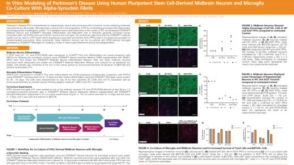 科学海报In Vitro Modeling of Parkinson’s Disease Using Human Pluripotent Stem Cell-Derived Midbrain Neuron and Microglia Co-Culture with Alpha-Synuclein Fibrils
 沪公网安备31010102008431号