Inamdar AA et al. (JAN 2012)
Mycopathologia 173 1 13--20
A Model to Evaluate the Cytotoxicity of the Fungal Volatile Organic Compound 1-octen-3-ol in Human Embryonic Stem Cells
Microbial growth in damp indoor environments has been correlated with risks to human health. This study was aimed to determine the cytotoxicity of 1-octen-3-ol (mushroom alcohol")�
View Publication
Liu C et al. (OCT 2014)
Biochemical and Biophysical Research Communications 452 4 895--900
Synergistic contribution of SMAD signaling blockade and high localized cell density in the differentiation of neuroectoderm from H9 cells
Directed neural differentiation of human embryonic stem cells (ESCs) enables researchers to generate diverse neuronal populations for human neural development study and cell replacement therapy. To realize this potential,it is critical to precisely understand the role of various endogenous and exogenous factors involved in neural differentiation. Cell density,one of the endogenous factors,is involved in the differentiation of human ESCs. Seeding cell density can result in variable terminal cell densities or localized cell densities (LCDs),giving rise to various outcomes of differentiation. Thus,understanding how LCD determines the differentiation potential of human ESCs is important. The aim of this study is to highlight the role of LCD in the differentiation of H9 human ESCs into neuroectoderm (NE),the primordium of the nervous system. We found the initially seeded cells form derived cells with variable LCDs and subsequently affect the NE differentiation. Using a newly established method for the quantitative examination of LCD,we demonstrated that in the presence of induction medium supplemented with or without SMAD signaling blockers,high LCD promotes the differentiation of NE. Moreover,SMAD signaling blockade promotes the differentiation of NE but not non-NE germ layers,which is dependent on high LCDs. Taken together,this study highlights the need to develop innovative strategies or techniques based on LCDs for generating neural progenies from human ESCs.
View Publication
产品类型:
产品号#:
05850
05857
05870
05875
07923
85850
85857
85870
85875
产品名:
Dispase (1 U/mL)
mTeSR™1
mTeSR™1
Valencic E et al. (APR 2010)
Cytotherapy 12 2 154--60
The immunosuppressive effect of Wharton's jelly stromal cells depends on the timing of their licensing and on lymphocyte activation.
BACKGROUND: Mesenchymal stromal cells (MSC) have been proven to have potent immunosuppressive action and hence have been proposed for the treatment of severe Graft Versus Host Disease. However,in most models,MSC were added at the same time of lymphocyte stimulation,which is quite different from what occurs in vivo. AIMS: To investigate how the timing of lymphocyte activation and the exposure to activation-related cytokines (licensing) can influence the immunosuppressive action of Wharton's jelly stromal cells (WJSC). METHODS: WJSC,licensed or not with activation-related cytokines,were added lymphocytes the same time or 24 hours after their stimulation with phytohaemoagglutinin. Proliferation of lymphocytes and cytokines production was measured after three days co-culture. RESULTS: Lymphocytes stimulated in the presence of WJSC displayed a dramatic decrease in proliferation and production of cytokines,in spite of normal expression of activation markers. The suppression was weakened when targeted lymphocytes were seperated by a membrane and partially rescued by the addition of exogenous l-tryptophan,suggesting a major role for indoleamine 2,3-dioxigenase with a probable paracrine effect. Licensing of WJSC increased the immunosuppressive effect,in both contact and non-contact settings. The timing of WJSC licensing was crucial for the immunosuppressive action. Lymphocytes pre-stimulated alone for 24 h,and added afterwards to non-licensed WJSC,showed normal or even increased proliferation. On the other hand,their proliferation was strongly inhibited by licensed WJSC. CONCLUSIONS: WJSC have a potent immunosuppressive function best realized with direct contact,and increased by licensing signals before and during lymphocyte stimulation. Our results could contribute to the set up of new WJSC-based therapies for severe autoimmuno disorders.
View Publication
产品类型:
产品号#:
产品名:
Valera E et al. (JAN 2010)
PLoS ONE 5 6 e11167
BMP-2/6 heterodimer is more effective than BMP-2 or BMP-6 homodimers as inductor of differentiation of human embryonic stem cells
Bone Morphogenetic Protein (BMP) signaling pathways are involved in differentiation of stem cells into diverse cell types,and thus BMPs can be used as main guidance molecules for in vitro differentiation of human stem cells.
View Publication
产品类型:
产品号#:
05850
05857
05870
05875
85850
85857
85870
85875
产品名:
mTeSR™1
mTeSR™1
Yañ et al. (NOV 2010)
Experimental cell research 316 19 3109--23
Prostaglandin E2 plays a key role in the immunosuppressive properties of adipose and bone marrow tissue-derived mesenchymal stromal cells.
Mesenchymal stromal cells (MSCs) have important immunosuppressive properties,but the mechanisms and soluble factors involved in these effects remain unclear. We have studied prostaglandin-E2 (PGE2) as a possible candidate implied in adipose tissue-derived MSCs (Ad-MSCs) immunosuppressive properties over dendritic cells and T lymphocytes,compared to bone marrow derived MSCs (BM-MSCs). We found that both MSCs inhibited the maturation of myeloid-DCs and plasmocytoid-DCs. High levels of PGE2 were detected in DCs/MSCs co-cultures. Its blockade with indomethacin (IDM) allowed plasmocytoid-DCs but not myeloid-DCs maturation. Additionally,high levels of PGE2 were found in co-cultures in which Ad-MSCs or BM-MSCs inhibited activated T cells proliferation and pro-inflammatory cytokines production. PGE2 blockade by IDM preserved T lymphocytes proliferation but did not restore the pro-inflammatory cytokines secretion. However,an increased expression of transcription factors and cytokines genes involved in the Th1/Th2 differentiation pathway was detected in the T cells co-cultured with Ad-MSCs,but not with BM-MSCs. In conclusion,we propose that PGE2 is a soluble factor mediating most of the immunosuppressive effects of Ad-MSCs and BM-MSCs over p-DCs maturation and activated T lymphocytes proliferation and cytokine secretion.
View Publication
产品类型:
产品号#:
05401
05402
05411
产品名:
MesenCult™ MSC 基础培养基(人)
MesenCult™ MSC刺激添加物(人)
MesenCult™ 增殖试剂盒(人)
Rizzino A (SEP 2010)
Regenerative medicine 5 5 799--807
Stimulating progress in regenerative medicine: improving the cloning and recovery of cryopreserved human pluripotent stem cells with ROCK inhibitors.
Until recently,culturing human pluripotent stem cells was hampered by three prominent technical problems: a high degree of unwanted cellular stress when the cells are passaged,unacceptably low cloning efficiency and poor recovery of cryopreserved stocks. This review discusses recent developments that address these problems. A major focus of the review is the use of p160 Rho-associated coiled-coil kinase inhibitors for improving both the cloning efficiency and the recovery of cryopreserved human embryonic stem cells and human induced pluripotent stem cells. An underlying theme of this review is that the three problems have a common cause: separation of human pluripotent stem cells from one another increases cellular stress,which greatly decreases their viability unless special steps are taken.
View Publication
产品类型:
产品号#:
05850
05857
05870
05875
85850
85857
85870
85875
产品名:
mTeSR™1
mTeSR™1
Schiedlmeier B et al. (MAR 2003)
Blood 101 5 1759--68
High-level ectopic HOXB4 expression confers a profound in vivo competitive growth advantage on human cord blood CD34+ cells, but impairs lymphomyeloid differentiation.
Ectopic retroviral expression of homeobox B4 (HOXB4) causes an accelerated and enhanced regeneration of murine hematopoietic stem cells (HSCs) and is not known to compromise any program of lineage differentiation. However,HOXB4 expression levels for expansion of human stem cells have still to be established. To test the proposed hypothesis that HOXB4 could become a prime tool for in vivo expansion of genetically modified human HSCs,we retrovirally overexpressed HOXB4 in purified cord blood (CB) CD34+ cells together with green fluorescent protein (GFP) as a reporter protein,and evaluated the impact of ectopic HOXB4 expression on proliferation and differentiation in vitro and in vivo. When injected separately into nonobese diabetic-severe combined immunodeficient (NOD/SCID) mice or in competition with control vector-transduced cells,HOXB4-overexpressing cord blood CD34+ cells had a selective growth advantage in vivo,which resulted in a marked enhancement of the primitive CD34+ subpopulation (P =.01). However,high HOXB4 expression substantially impaired the myeloerythroid differentiation program,and this was reflected in a severe reduction of erythroid and myeloid progenitors in vitro (P textless.03) and in vivo (P =.01). Furthermore,HOXB4 overexpression also significantly reduced B-cell output (P textless.01). These results show for the first time unwanted side effects of ectopic HOXB4 expression and therefore underscore the need to carefully determine the therapeutic window of HOXB4 expression levels before initializing clinical trials.
View Publication
产品类型:
产品号#:
04434
04444
09600
09650
产品名:
MethoCult™ H4434 Classic
MethoCult™ H4434 Classic
StemSpan™ SFEM
StemSpan™ SFEM
Penicka M et al. (JUL 2007)
Heart (British Cardiac Society) 93 7 837--41
One-day kinetics of myocardial engraftment after intracoronary injection of bone marrow mononuclear cells in patients with acute and chronic myocardial infarction.
OBJECTIVE: To investigate the kinetics of myocardial engraftment of bone marrow-derived mononuclear cells (BMNCs) after intracoronary injection using 99mTc-d,l-hexamethylpropylene amine oxime (99mTc-HMPAO) nuclear imaging in patients with acute and chronic anterior myocardial infarction. DESIGN: Nuclear imaging-derived tracking of BMNCs at 2 and 20 h after injection in the left anterior descending (LAD) coronary artery. SETTING: Academical cardiocentre. PATIENTS: Five patients with acute (mean (SD) age 58 (11) years; ejection fraction range 33-45%) and five patients with chronic (mean (SD) age 50 (6) years; ejection fraction range 28-34%) anterior myocardial infarction. INTERVENTIONS: A total of 24.2 x 10(8)-57.0 x 10(8) BMNCs (20% labelled with 700-1000 MBq 99mTc-HMPAO) were injected in the LAD coronary artery. RESULTS: At 2 h after BMNC injection,myocardial activity was observed in all patients with acute (range 1.31-5.10%) and in all but one patient with chronic infarction (range 1.10-3.0%). At 20 h,myocardial engraftment was noted only in three patients with acute myocardial infarction,whereas no myocardial activity was noted in any patient with chronic infarction. CONCLUSIONS: Engraftment of BMNCs shows dynamic changes within the first 20 h after intracoronary injection. Persistent myocardial engraftment was noted only in a subset of patients with acute myocardial infarction.
View Publication
产品类型:
产品号#:
04434
04444
产品名:
MethoCult™ H4434 Classic
MethoCult™ H4434 Classic
Tropepe V et al. (APR 2001)
Neuron 30 1 65--78
Direct neural fate specification from embryonic stem cells: a primitive mammalian neural stem cell stage acquired through a default mechanism.
Little is known about how neural stem cells are formed initially during development. We investigated whether a default mechanism of neural specification could regulate acquisition of neural stem cell identity directly from embryonic stem (ES) cells. ES cells cultured in defined,low-density conditions readily acquire a neural identity. We characterize a novel primitive neural stem cell as a component of neural lineage specification that is negatively regulated by TGFbeta-related signaling. Primitive neural stem cells have distinct growth factor requirements,express neural precursor markers,generate neurons and glia in vitro,and have neural and non-neural lineage potential in vivo. These results are consistent with a default mechanism for neural fate specification and support a model whereby definitive neural stem cell formation is preceded by a primitive neural stem cell stage during neural lineage commitment.
View Publication
产品类型:
产品号#:
06902
06952
00321
00322
00323
00324
00325
产品名:
Nakamura S et al. (NOV 2010)
Carcinogenesis 31 11 2012--21
The FOXM1 transcriptional factor promotes the proliferation of leukemia cells through modulation of cell cycle progression in acute myeloid leukemia.
FOXM1 is an important cell cycle regulator and regulates cell proliferation. In addition,FOXM1 has been reported to contribute to oncogenesis in various cancers. However,it is not clearly understood how FOXM1 contributes to acute myeloid leukemia (AML) cell proliferation. In this study,we investigated the cellular and molecular function of FOXM1 in AML cells. The FOXM1 messenger RNA (mRNA) expressed in AML cell lines was predominantly the FOXM1B isoform,and its levels were significantly higher than in normal high aldehyde dehydrogenase activity (ALDH(hi)) cells. Reduction of FOXM1 expression in AML cells inhibited cell proliferation compared with control cells,through induction of G(2)/M cell cycle arrest,a decrease in the protein expression of Aurora kinase B,Survivin,Cyclin B1,S-phase kinase-associated protein 2 and Cdc25B and an increase in the protein expression of p21(Cip1) and p27(Kip1). FOXM1 messenger RNA (mRNA) was overexpressed in all 127 AML clinical specimens tested (n = 21,56,32 and 18 for M1,M2,M4 and M5 subtypes,respectively). Compared with normal ALDH(hi) cells,FOXM1 gene expression was 1.65- to 2.26-fold higher in AML cells. Moreover,the FOXM1 protein was more strongly expressed in AML-derived ALDH(hi) cells compared with normal ALDH(hi) cells. In addition,depletion of FOXM1 reduced colony formation of AML-derived ALDH(hi) cells due to inhibition of Cdc25B and Cyclin B1 expression. In summary,we found that FOXM1B mRNA is predominantly expressed in AML cells and that aberrant expression of FOXM1 induces AML cell proliferation through modulation of cell cycle progression. Thus,inhibition of FOXM1 expression represents an attractive target for AML therapy.
View Publication


 EasySep™小鼠TIL(CD45)正选试剂盒





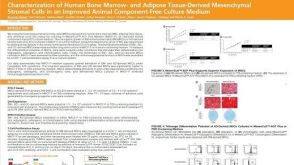 科学海报Characterization of Human Bone Marrow- and Adipose Tissue-Derived Mesenchymal Stromal Cells in an Improved Animal Component-Free Culture Medium
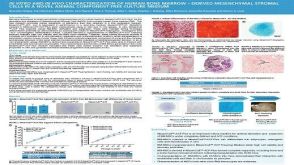 科学海报In Vitro and in Vivo Characterization of Human Bone Marrow-Derived Mesenchymal Stromal Cells in a Novel Animal Component-Free Culture Medium
 沪公网安备31010102008431号